






1. Brussels Sprouts Facts
2. Types of Brussels Sprouts
3. Brussels Sprouts Nutritional value
4. Brussels Sprouts Health Benefits
Brussels sprouts, or Brassica oleracea gemmifera, are related to other better-known vegetables in the brassica genus like broccoli, cabbage and cauliflower. They are part of the cruciferae or mustard family, so known because of a four-part flower in the shape of a cross.
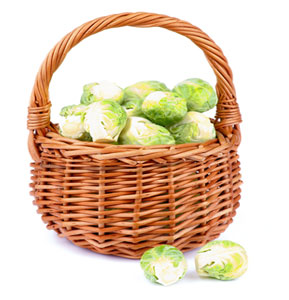
Brussels sprouts are a small round vegetable consisting of many green leaves wrapped tightly around each other, like a cabbage but smaller.
History and Origin
Sprouts were believed to have been cultivated in Italy in Roman times, and possibly as early as the 1200s in Belgium.
The modern Brussels sprout that we are familiar with was first cultivated in large quantities in Belgium (hence the name "Brussels" sprouts) as early as 1587
- • Jade Cross
- • Diablo
- • Hestia
- • Dagan
- • Martha
- • Seven Hills
- • Tasty Nuggets
- • Long Island Improved
- • Catskill
- • Flower Sprout (Kalettes®)
- • Jade Cross E
- • Rubine
- • Falstaff
- • Redarling
Types of Brussels sprouts include hybrid varieties like Diablo, Jade Cross, and Tasty Nuggets, and heirloom varieties such as Long Island Improved and Catskill. These can be further categorized by maturity time (early, mid, or late season) and colour, with some being green and others having reddish-purple hues.
By colour
- Green varieties: Most common types, like 'Jade Cross' and 'Diablo'.
- Red/Purple varieties: Examples include 'Rubine', 'Falstaff', and 'Redarling'. These contain additional antioxidants called anthocyanins.
By maturity time
- Early-season: Harvested in late September or early October.
- Examples: 'Hestia', 'Dagan'.
- Mid-season: Harvested in October.
- Examples: 'Martha'.
- Late-season: Harvested in October through December.
- Examples: 'Diablo', 'Seven Hills'.
By type
- Hybrid (F1): A result of crossbreeding to achieve specific traits like high yield or disease resistance.
- Examples: 'Tasty Nuggets', 'Jade Cross', 'Diablo'.
- Heirloom: Older varieties that are open-pollinated and have been passed down through generations.
- Examples: 'Long Island Improved', 'Catskill'.
Other notable types
- Flower Sprout: A hybrid of Brussels sprout and kale, also known as Kalettes®.
- Long Island Improved: A very old and well-known heirloom variety with larger sprouts.
- Jade Cross E: Known for large, easy-to-harvest sprouts.
Vegetables " Brussels Sprouts " ( Nutritional value )
Nutritional value per 100 g
Brussels sprouts, cooked, boiled, drained, without salt
| Nutrient (Proximity) |
Unit
|
Value
|
Daily Value %
|
|
Energy
|
kcal
|
36
|
1.7%
|
|
Protein
|
g
|
2.55
|
5.1%
|
|
Total lipid (fat)
|
g
|
0.50
|
0.6%
|
|
Carbohydrate, by difference
|
g
|
7.10
|
2.5%
|
|
Fiber, total dietary
|
g
|
2.6
|
9.2%
|
|
Sugars, total
|
g
|
1.74
|
|
|
Minerals
|
|||
|
Calcium, Ca
|
mg
|
36
|
2.7%
|
|
Iron, Fe
|
mg
|
1.20
|
5.5%
|
|
Magnesium, Mg
|
mg
|
20
|
4.7%
|
|
Phosphorus, P
|
mg
|
56
|
4.4%
|
|
Potassium, K
|
mg
|
317
|
6.7%
|
|
Sodium, Na
|
mg
|
21
|
0.009%
|
|
Zinc, Zn
|
mg
|
0.33
|
3%
|
|
Copper, Cu
|
mg
|
0.083
|
9.2%
|
|
Manganese, Mn
|
mg
|
0.227
|
19.8%
|
|
Selenium, Se
|
mcg
|
1.5
|
2.7%
|
|
Vitamins
|
|||
|
Vitamin C, total ascorbic acid
|
mg
|
62.0
|
68.8%
|
|
Thiamin (B-1)
|
mg
|
0.107
|
8.9%
|
|
Riboflavin (B-2)
|
mg
|
0.080
|
6.1%
|
|
Niacin NE (niacin) (B-3)
|
mg
|
0.607
|
3.7%
|
|
Pantothenic acid (B-5)
|
mg
|
0.252
|
5%
|
|
Vitamin B-6
|
mg
|
0.178
|
10.4%
|
|
Folate DFE (dietary folate) (B-9)
|
mcg
|
60
|
15%
|
|
Vitamin B-12
|
mcg
|
0.00
|
|
|
Vitamin A, RAE (retinol)
|
mcg
|
39
|
4.3%
|
|
Vitamin E (alpha-tocopherol)
|
mg
|
0.43
|
2.8%
|
|
Vitamin D (D2 + D3)
|
mcg
|
0
|
|
|
Vitamin K (phylloquinone)
|
mcg |
140
|
116.6%
|
|
Lipids
|
|||
|
Saturated Fatty Acids
|
g
|
0.102
|
|
|
Monounsaturated Fatty Acids
|
g
|
0.038
|
|
|
Polyunsaturated Fatty Acids
|
g
|
0.255
|
|
|
Trans Fatty Acids
|
g
|
0.000
|
|
|
Carotenoids
|
|||
|
Beta-Carotene
|
mcg
|
465
|
|
|
Lutein + zeaxanthin
|
mcg |
1290
|
|
|
Lycopene
|
mcg
|
0
|
|

Reference Values are based on a 2,000 Calorie Intake, for Adults and Children 4 or More Years of Age. Your daily values may be higher or lower depending on your calorie needs.
Percentages are roughly approximated using (RDA) Recommended Dietary Allowances for adults. Source: USDA United States Department of Agriculture.
Reference Values for Nutrition - FDA U.S. Food and Drug Administration.
Brussels sprouts Nutritional Value
Brussels sprouts have many health benefits. Add brussels sprouts to your diet to prevent cell damage, prevent many common cancers, support eye health, keep skin healthy, support the digestive system, detox support and cardiovascular support. Brussels sprouts are high in antioxidants and regarded as being anti-inflammatory.
This vegetable is supposedly an aid for fertility due to its high folic acid content. An 80g serving contains four more times vitamin C than an orange and a cup of cooked sprouts is only about 60 calories.
With the high levels of vitamins A and C, folic acid and dietary fibre, research indicates brussels sprouts can help protect against colon and stomach cancer.
Studies have suggested that increasing your consumption of sprouts decreases the risk of obesity, diabetes, heart disease and promotes a healthy complexion, increased energy, and overall lower weight.
Steaming, oven roasting or stir-frying brussels sprouts, as opposed to boiling them, will retain their health benefits significantly.
Overcooking sprouts will smell like rotten eggs due to the high levels of sulforaphane they contain.
BONE STRENGTH
Brussels sprouts support bone strength primarily through their high vitamin K content, which is crucial for bone formation and mineralization. They also contain other vital nutrients like calcium, phosphorus, and magnesium, along with protein, which further help maintain strong bones and reduce the risk of fractures.HEART HEALTH
Brussels sprouts support heart health by being rich in fiber, antioxidants, and nutrients like vitamin K and potassium. Fiber and antioxidants reduce inflammation, while potassium helps regulate blood pressure, and vitamin K may help prevent arterial calcification. However, people on blood thinners should consult a doctor due to high vitamin K content.IMMUNE SUPPORT
Brussels sprouts support the immune system due to their high content of vitamin C, which is a powerful antioxidant, and other antioxidants that protect immune cells. They also support gut health through their fiber content, which fuels beneficial gut bacteria, and provide other nutrients like vitamin K and potassium that are crucial for overall health.PROTECTION AGAINST SOME CANCERS
Brussels sprouts may help protect against certain cancers due to compounds called glucosinolates, which break down into beneficial substances like isothiocyanates. These compounds can help prevent DNA damage, inactivate carcinogens, reduce inflammation, and inhibit tumour growth and the formation of blood vessels in tumours. Eating brussels sprouts as part of a healthy diet, which also includes other cruciferous vegetables, is associated with a reduced risk of several cancers, such as those of the lung, stomach, breast, and prostate.DETOX SUPPORT
Brussels sprouts support the body's detoxification processes primarily by providing compounds called glucosinolates, which the body converts into isothiocyanates. These compounds activate enzymes that help the liver break down and eliminate harmful substances like carcinogens, heavy metals, and other toxins. Brussels sprouts also contain antioxidants and fiber that further aid the body by reducing inflammation and supporting gut health.HELP WITH WEIGHT MANAGEMENT
Brussels sprouts can help with weight management because they are low in calories and fat, but high in fiber and protein, which promotes fullness and satiety. Including them in meals can help displace higher-calorie foods, support a healthy weight, and reduce the risk of obesity-related chronic diseases.
ANTI-INFLAMMATORY
Brussels sprouts are anti-inflammatory due to their rich content of antioxidants and phytonutrients, such as vitamins C and K, folate, and glucosinolates. These compounds help reduce oxidative stress and can lower inflammatory markers in the body, potentially lowering the risk of chronic diseases. They also contain omega-3 fatty acids (ALA) and fiber, which further contribute to their anti-inflammatory properties.GUT HEALTH
Brussels sprouts support gut health due to their high fiber content, which promotes regular bowel movements and feeds beneficial gut bacteria. They also contain sulphur, which supports the production of glutathione, an antioxidant that helps maintain the integrity of the gut lining and aids in repair. Additionally, the high fiber and other nutrients in Brussels sprouts can support a healthy immune system and reduce the risk of chronic diseases, making them a beneficial addition to a gut-friendly diet.SUPPORTS EYE HEALTH
Brussels sprouts support eye health due to their high levels of antioxidants like lutein and zeaxanthin, which protect against damage and diseases like cataracts and macular degeneration. They also contain vitamin C and other beneficial nutrients that further support vision and protect eye tissue from free radical damage.BENEFICIAL FOR DIABETES MANAGEMENT
Brussels sprouts are beneficial for diabetes management due to their high fiber content, which helps stabilize blood sugar, and their rich supply of antioxidants like alpha-lipoic acid (ALA), which may improve insulin sensitivity and reduce inflammation. Including them in a diabetes-friendly diet can help manage blood glucose levels and reduce the risk of diabetes complications like nerve damage and cardiovascular disease.BLOOD SUGAR MANAGEMENT
Brussels sprouts help with blood sugar management due to their high fiber content, which slows digestion and sugar absorption, and low carb count. They may also reduce inflammation and complications associated with diabetes, like those affecting blood vessels and nerves, due to their antioxidants and compounds like alpha-lipoic acid. Eating them, especially alongside carbohydrates, can help stabilize blood sugar levels.NUTRIENT-RICH
Brussels sprouts are nutrient-rich, packed with vitamins C and K, fiber, and antioxidants like sulforaphane. These nutrients support various aspects of health, including immune function, heart health, bone strength, and may have anti-cancer properties.
References
Nutrient Database - USDA (United States Department of Agriculture)
Reference Values for Nutrition - FDA U.S. Food and Drug Administration
Bone strength - Brussels sprouts support bone strength primarily through their high vitamin K content, which is crucial for bone formation and mineralization. They also contain other vital nutrients like calcium, phosphorus, and magnesium, along with protein, which further help maintain strong bones and reduce the risk of fractures.
Gut health - Brussels sprouts support gut health due to their high fiber content, which promotes regular bowel movements and feeds beneficial gut bacteria. They also contain sulphur, which supports the production of glutathione, an antioxidant that helps maintain the integrity of the gut lining and aids in repair. Additionally, the high fiber and other nutrients in Brussels sprouts can support a healthy immune system and reduce the risk of chronic diseases, making them a beneficial addition to a gut-friendly diet.
Heart health - Brussels sprouts support heart health by being rich in fiber, antioxidants, and nutrients like vitamin K and potassium. Fiber and antioxidants reduce inflammation, while potassium helps regulate blood pressure, and vitamin K may help prevent arterial calcification. However, people on blood thinners should consult a doctor due to high vitamin K content.
Immune support - Brussels sprouts support the immune system due to their high content of vitamin C, which is a powerful antioxidant, and other antioxidants that protect immune cells. They also support gut health through their fiber content, which fuels beneficial gut bacteria, and provide other nutrients like vitamin K and potassium that are crucial for overall health.
Anti-inflammatory - Brussels sprouts are anti-inflammatory due to their rich content of antioxidants and phytonutrients, such as vitamins C and K, folate, and glucosinolates. These compounds help reduce oxidative stress and can lower inflammatory markers in the body, potentially lowering the risk of chronic diseases. They also contain omega-3 fatty acids (ALA) and fiber, which further contribute to their anti-inflammatory properties.
Blood sugar management - Brussels sprouts help with blood sugar management due to their high fiber content, which slows digestion and sugar absorption, and low carb count. They may also reduce inflammation and complications associated with diabetes, like those affecting blood vessels and nerves, due to their antioxidants and compounds like alpha-lipoic acid. Eating them, especially alongside carbohydrates, can help stabilize blood sugar levels.
Nutrient-rich - Brussels sprouts are nutrient-rich, packed with vitamins C and K, fiber, and antioxidants like sulforaphane. These nutrients support various aspects of health, including immune function, heart health, bone strength, and may have anti-cancer properties.
Protection against some cancers - Brussels sprouts may help protect against certain cancers due to compounds called glucosinolates, which break down into beneficial substances like isothiocyanates. These compounds can help prevent DNA damage, inactivate carcinogens, reduce inflammation, and inhibit tumour growth and the formation of blood vessels in tumours. Eating brussels sprouts as part of a healthy diet, which also includes other cruciferous vegetables, is associated with a reduced risk of several cancers, such as those of the lung, stomach, breast, and prostate.
Supports eye health - Brussels sprouts support eye health due to their high levels of antioxidants like lutein and zeaxanthin, which protect against damage and diseases like cataracts and macular degeneration. They also contain vitamin C and other beneficial nutrients that further support vision and protect eye tissue from free radical damage.
Beneficial for diabetes management - Brussels sprouts are beneficial for diabetes management due to their high fiber content, which helps stabilize blood sugar, and their rich supply of antioxidants like alpha-lipoic acid (ALA), which may improve insulin sensitivity and reduce inflammation. Including them in a diabetes-friendly diet can help manage blood glucose levels and reduce the risk of diabetes complications like nerve damage and cardiovascular disease.
Detox support - Brussels sprouts support the body's detoxification processes primarily by providing compounds called glucosinolates, which the body converts into isothiocyanates. These compounds activate enzymes that help the liver break down and eliminate harmful substances like carcinogens, heavy metals, and other toxins. Brussels sprouts also contain antioxidants and fiber that further aid the body by reducing inflammation and supporting gut health.
Help with weight management - Brussels sprouts can help with weight management because they are low in calories and fat, but high in fiber and protein, which promotes fullness and satiety. Including them in meals can help displace higher-calorie foods, support a healthy weight, and reduce the risk of obesity-related chronic diseases.
Excellent for eye health (Brussels sprouts, rich in Vitamin C, are excellent for eye health because Vitamin C acts as an antioxidant to protect the eyes from free radical damage, helping to prevent conditions like cataracts, glaucoma, and age-related macular degeneration). They also contain lutein and zeaxanthin, which further support vision by absorbing damaging light and neutralizing free radicals.
Diabetes management (Brussels sprouts, along with other foods and supplements, contain the antioxidant alpha-lipoic acid (ALA), which has been studied for its benefits in managing diabetes and its complications, such as diabetic neuropathy). ALA's ability to improve insulin sensitivity, lower blood sugar, and protect nerves makes it a potential therapeutic agent for diabetics, though it can also cause side effects like hypoglycaemia and requires consultation with a healthcare professional.
Significantly lower risk of developing advanced age-related macular degeneration (Brussels sprouts contain the antioxidants zeaxanthin and lutein, which are crucial for eye health because they filter harmful blue light and protect against oxidative damage from free radicals, a primary mechanism in the progression of age-related macular degeneration (AMD). Studies show that a diet rich in these carotenoids, found abundantly in leafy greens like Brussels sprouts, is associated with a significantly lower risk of developing advanced AMD.
Detox support (For detox support rich in sulfur-containing nutrients, incorporate sulfur-rich foods like broccoli, Brussels sprouts, cauliflower, onions, and garlic into your diet). These vegetables contain glycosylates, which convert to compounds that enhance liver enzymes and aid in toxin excretion.
Maintain healthy bone tissue (Brussels sprouts contribute to bone health due to their high vitamin K content, which is vital for forming proteins essential for bone mineralization and strength, helping to prevent fractures and maintain healthy bone tissue). Vitamin K ensures calcium is deposited in bones and teeth rather than soft tissues like arteries. Additionally, Brussels sprouts also contain calcium, another essential nutrient for strong bones.
Protection against certain cancers (Brussels sprouts contain the sulfur-based phytonutrient sulforaphane, which research suggests may offer protection against certain cancers by inhibiting carcinogen activation, promoting cell cycle arrest and apoptosis, and reducing DNA damage).
The Cancer Research (Brussels sprouts pack fiber and are filled with nutrients and phytochemicals with the potential to stave off cancer). These compounds bolster antioxidant and DNA defences and promote healthy cell signalling.
Support cardiovascular health (Brussels sprouts help protect against heart disease through their anti-inflammatory and antioxidant properties, driven by compounds like sulforaphane, which reduce inflammation and protect against damage). They also contain beneficial fiber, omega-3 fatty acids, potassium, and antioxidants that support overall cardiovascular health, helping to lower cholesterol, maintain healthy blood pressure, and protect arteries.
Reduce the chronic inflammation often linked to obesity (Brussels sprouts help combat obesity by being low-calorie, high-fiber, and potent in anti-inflammatory compounds that target fat cells). Their fiber promotes satiety, helping with weight management and balanced blood sugar, while the anti-inflammatory properties reduce the chronic inflammation often linked to obesity. Furthermore, their high nutrient density provides a wealth of vitamins and minerals relative to their calorie content.