




1. Sweet Corn Facts
2. Types of Sweet Corn
3. Sweet Corn Nutritional value
4. Sweet Corn Health Benefits
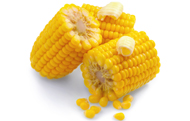
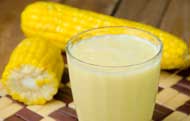
Sweet corn is a variety of maize with a high sugar content. Unlike field corn varieties, which are harvested when the kernels are dry and mature (dent stage), sweet corn must be picked when immature (milk stage) and prepared and eaten as a vegetable, rather than a grain. Since the process of maturation involves converting sugar to starch, sweet corn stores poorly and must be eaten fresh, canned, or frozen, before the kernels become tough and starchy.
History and Origin
It is believed that sweet corn was first domesticated between 9,000 and 8,000 BC and by 2,000 to 1,500 BC it had become a staple food or regularly consumed by the Olmecs and Mayans. It is believed that they held it in such high regard, that it became part of their daily rituals and took on religious significance. It also featured in their art. Ears of corn have been found in caves in Mexico which date back to around 5000-6000 BC.
Sweet corn or corn on the cob is a variant of Zea mays, Zea mays var nigosa or Zea saccharata (meaning sugary). It originated in what is now Mexico and Central America, from a wild grass, which was crossed with teosinte (another wild grass), but the original ancestor no longer exists. Zea mays is the original corn that was grown by the tribes of Central America and Mexico, the Aztecs, Mayans and Olmecs and can be yellow, white, purple, red, brown and even have multi-coloured kernels.
The Spaniards came across corn in the 15th century and too it back to Spain in the 16th century. By 1575 corn had been introduced into the Philippines, Indonesia, and western China. It was also taken to Africa where it has become a staple food. It was useful in that continent during the years of the slave trade, as although people were transported to the colonies in the New World, corn helped the population to grow rather than to diminish from illnesses such as malnutrition and because of the fact that so many people were transported.
- • Jubilee
- • .Terrific
- • Honey Sweet
- • Goldensweet
- • Goldensweet Improved
- • Dynasty
- • Gladiator
- • Punchline
- • Sovereign
- • Matador
- • Golden Pearl
- • Crunch
- • Samurai
- • Madonna
- • Everest
- • Blizzard
Normal Corn
Is the type of corn traditionally grown in the past such as Jubilee. It differs from maize by having genes which slow down the conversion of sugar into starch and characteristically has a creamy texture when ripe. The main normal variety is Jubilee.
Supersweet Corn
Nearly all corn grown for fresh market are supersweet types. These types differ from the traditional normal type for they have a shrunken gene which produces twice the level of sugar as in normal varieties and also reduces further the rate of sugar conversion to starch. The result is a very sweet cob and supersweets are now the major type of sweet corn sold on the fresh market.
Supersweets are also available in bi-colour forms which have white kernels dotted amongst the yellow kernels which give them a more distinctive appearance from the traditional normal types.
New cultivars are constantly being released and the main varieties grown will continue to change. Cultivars differ considerably in characteristics such as length of growing season, cob number, cob size and number of kernel rows per cob. The depth, colour and flavour are also cultivator characteristics.
Vegetables " Sweet Corn "
Nutritional value per 100 g
Corn, sweet, yellow, cooked, boiled, drained, without salt
| Nutrient (Proximity) |
Unit
|
Value
|
Daily Value %
|
|
Energy
|
kcal
|
96 | 4.8% |
|
Protein
|
g
|
3.41 | 6.8% |
|
Total lipid (fat)
|
g
|
1.50 | 1.9% |
|
Carbohydrate, by difference
|
g
|
21 | 7.6% |
|
Fiber, total dietary
|
g
|
2.4 | 8.5% |
|
Sugars, total
|
g
|
4.54
|
|
|
Minerals
|
|||
|
Calcium, Ca
|
mg
|
3 | 0.2% |
|
Iron, Fe
|
mg
|
0.45 | 2.5% |
|
Magnesium, Mg
|
mg
|
26 | 6.1% |
|
Phosphorus, P
|
mg
|
77 | 6.1% |
|
Potassium, K
|
mg
|
218 | 4.6% |
|
Sodium, Na
|
mg
|
1 | 00.4% |
|
Zinc, Zn
|
mg
|
0.62 | 5.6% |
|
Copper, Cu
|
mg
|
0.049 | 5.4% |
|
Manganese, Mn
|
mg
|
0.167 | 7.2% |
|
Selenium, Se
|
mcg
|
0.2 | 0.3% |
|
Vitamins
|
|||
|
Vitamin C, total ascorbic acid
|
mg
|
5.5 | 6.1% |
|
Thiamin (B-1)
|
mg
|
0.093 | 7.7% |
|
Riboflavin (B-2)
|
mg
|
0.057 | 4.3% |
|
Niacin (B-3)
|
mg
|
1.683 | 10.5% |
|
Pantothenic acid (B-5)
|
mg
|
0.792 | 15.8% |
|
Vitamin B-6
|
mg
|
0.139 | 8.1% |
|
Folate, total (B-9)
|
mcg
|
23 | 5.7% |
|
Vitamin B-12
|
mcg
|
0.00
|
|
|
Vitamin A, RAE
|
mcg
|
13 | 1.4% |
|
Vitamin E (alpha-tocopherol)
|
mg
|
0.09 | 0.6% |
|
Vitamin D (D2 + D3)
|
mcg
|
0
|
|
|
Vitamin K (phylloquinone)
|
mcg
|
0.4 | 0.3% |
|
Lipids
|
|||
|
Saturated Fatty Acids
|
g
|
0.197
|
0.9% |
|
Monounsaturated Fatty Acids
|
g
|
0.374
|
|
|
Polyunsaturated Fatty Acids
|
g
|
0.603
|
|
|
Trans Fatty Acids
|
g
|
0.000
|
|
|
Carotenoids
|
|||
|
Beta-Carotene
|
mcg
|
66
|
|
|
Alpha-Carotene
|
mcg
|
||
|
Beta-Cryptoxanthin
|
mcg
|
||
|
Lutein + zeaxanthin
|
mcg
|
906
|
|
Reference Values are based on a 2,000 Calorie Intake, for Adults and Children 4 or More Years of Age. Your daily values may be higher or lower depending on your calorie needs.
Percentages are roughly approximated using (RDA) Recommended Dietary Allowances for adults. Source: USDA United States Department of Agriculture.
Reference Values for Nutrition - FDA U.S. Food and Drug Administration.
Sweet Corn Nutritional Value
Sweet corn offers benefits like improved digestion from dietary fiber, better eye health from antioxidants such as lutein and zeaxanthin, and support for the immune system through vitamin C. It Sweet corn offers benefits like improved digestion from dietary fiber, better eye health from antioxidants such as lutein and zeaxanthin, and support for the immune system through vitamin C. It also provides B vitamins like niacin and folate, which aid energy production and red blood cell formation, along with essential minerals such as potassium, magnesium, and iron.
BENEFITS HEART HEALTH
Sweet corn benefits heart health through its fiber, potassium, folate, and antioxidants, which help lower cholesterol, reduce blood pressure, and decrease inflammation. Fiber helps lower cholesterol and blood pressure, while potassium helps relax blood vessels and counteract sodium. Folate helps lower levels of homocysteine, a substance linked to an increased risk of heart disease.SUPPORTS BLOOD PRESSURE
Sweet corn supports healthy blood pressure primarily due to its high content of potassium, which helps regulate blood pressure by easing tension in blood vessel walls and counteracting sodium. It also contains magnesium and fiber, which support overall heart health and can help lower cholesterol, while folate helps reduce homocysteine levels, an amino acid linked to cardiovascular disease risk.PROMOTES GUT HEALTH
Sweet corn promotes gut health primarily through its high fiber content, which aids digestion and feeds beneficial gut bacteria. This insoluble fiber adds bulk to stool, preventing constipation, and also acts as a prebiotic, supporting a healthy gut microbiome.VITAMINS AND MINERALS
Sweet corn is rich in vitamins, especially B vitamins like thiamin (B1), niacin (B3), pantothenic acid (B5), and folate (B9). It also provides essential minerals such as magnesium, phosphorus, potassium, and zinc, along with important antioxidants like vitamin C and carotenoids.
LONG LASTING ENERGY
Sweet corn provides long-lasting energy because it's rich in complex carbohydrates and fiber, which are digested slowly to prevent blood sugar spikes and deliver a steady energy supply. This sustained energy is further supported by B vitamins like thiamin (B1) and niacin (B3), which are crucial for converting food into energy. The combination of carbohydrates and fiber makes sweet corn a good energy source.SUPPORTS EYE HEALTH
Sweet corn supports eye health because it is a good source of lutein and zeaxanthin, antioxidants that protect against age-related macular degeneration and cataracts. These compounds are concentrated in the macula of the eye and help protect the lens from oxidative damage.STRONGER CONNECTIVE TISSUE
Stronger connective tissue - Sweet corn helps strengthen connective tissue due to its manganese content, which is essential for building and repairing tissues like bones, ligaments, and tendons. Additionally, vitamin C in sweet corn supports the body's production of collagen, the protein that provides structure to these tissues.RICH IN ANTIOXIDANTS
Sweet corn is rich in antioxidants like lutein, zeaxanthin, and ferulic acid, which support eye health, protect against cell damage, and may lower the risk of chronic diseases like heart disease and certain cancers. Cooking sweet corn actually increases its antioxidant activity by releasing bound antioxidants.
References
Nutrient Database - USDA (United States Department of Agriculture)
Reference Values for Nutrition - FDA U.S. Food and Drug Administration
Promotes gut health - Sweet corn promotes gut health primarily through its high fiber content, which aids digestion and feeds beneficial gut bacteria. This insoluble fiber adds bulk to stool, preventing constipation, and also acts as a prebiotic, supporting a healthy gut microbiome.
Supports eye health - Sweet corn supports eye health because it is a good source of lutein and zeaxanthin, antioxidants that protect against age-related macular degeneration and cataracts. These compounds are concentrated in the macula of the eye and help protect the lens from oxidative damage.
Rich in antioxidants - Sweet corn is rich in antioxidants like lutein, zeaxanthin, and ferulic acid, which support eye health, protect against cell damage, and may lower the risk of chronic diseases like heart disease and certain cancers. Cooking sweet corn actually increases its antioxidant activity by releasing bound antioxidants.
Benefits heart health - Sweet corn benefits heart health through its fiber, potassium, folate, and antioxidants, which help lower cholesterol, reduce blood pressure, and decrease inflammation. Fiber helps lower cholesterol and blood pressure, while potassium helps relax blood vessels and counteract sodium. Folate helps lower levels of homocysteine, a substance linked to an increased risk of heart disease.
Supports blood pressure - Sweet corn supports healthy blood pressure primarily due to its high content of potassium, which helps regulate blood pressure by easing tension in blood vessel walls and counteracting sodium. It also contains magnesium and fiber, which support overall heart health and can help lower cholesterol, while folate helps reduce homocysteine levels, an amino acid linked to cardiovascular disease risk.
Vitamins and minerals - Sweet corn is rich in vitamins, especially B vitamins like thiamin (B1), niacin (B3), pantothenic acid (B5), and folate (B9). It also provides essential minerals such as magnesium, phosphorus, potassium, and zinc, along with important antioxidants like vitamin C and carotenoids.
Sweet corn provides long-lasting energy (because its fiber content makes it a low-glycemic index (GI) food, which is digested slowly and prevents rapid blood sugar spikes). This sustained release of glucose from complex carbohydrates and fiber helps provide a steady energy supply, supporting brain and heart health and promoting feelings of fullness.
Stronger Connective Tissue (Corn contains manganese, a trace mineral essential for strengthening connective tissue like bones, ligaments, and tendons because it helps in the production of collagen, the protein that provides structure to these tissues). Manganese also supports bone health, aids in wound healing, and functions as an antioxidant.
Sweet Corn digestive benefits (Sweet corn benefits digestion due to its excellent dietary fibre content, which adds bulk to stool, prevents constipation, and promotes regular bowel movements). Insoluble fibre, found in the outer layer of the kernel, passes through the digestive system undigested, providing food for beneficial gut bacteria and supporting a healthy gut microbiome. This fibre acts as a prebiotic, fostering the growth of good bacteria that aid in digestion and nutrient absorption
Sweet corn folate heart attack and strokes (sweet corn supports heart health through its high content of folate, fiber, and potassium. Folate helps lower levels of homocysteine, a substance linked to increased cardiovascular disease risk). The fiber in corn helps manage cholesterol and blood pressure, while potassium further reduces blood pressure by promoting vasodilation and counteracting sodium's effects.
Sweet corn contributes to age-related eye health (by providing lutein and zeaxanthin, antioxidants crucial for protecting against age-related macular degeneration). These pigments are found in the macula and are not produced by the body, requiring dietary intake. While sweet corn is a good source, especially zeaxanthin, developing special high-zeaxanthin corn varieties is an ongoing effort to increase intake for consumers.