




1. Grape Facts
2. Types of Grapes
3. Nutritional Value of Grapes
4. Health Benefits of Grapes
Vitis vinifera, the common grape vine, is a species of flowering plant, native to the Mediterranean region, Central Europe, and southwestern Asia, from Morocco and Portugal north to southern Germany and east to northern Iran.
As of 2012, there were between 5,000 and 10,000 varieties of Vitis vinifera grapes though only a few are of commercial significance for wine and table grape production.
The wild grape is often classified as Vitis vinifera sylvestris (in some classifications considered Vitis sylvestris), with Vitis vinifera restricted to cultivated forms.
Grapes can be eaten fresh or dried to produce raisins, sultanas, and currants. Grape leaves are used in the cuisine of many cultures. The fresh grapes can also be processed into juice that is fermented to make wine and vinegar.
History and Origin
Grapes originated in the Middle East and were first cultivated around 6,500 BC in the Transcaucasian region, with archaeological evidence pointing to the oldest winery in Armenia from around 4000 BC. They spread from this region through early trade networks to ancient Egypt, Greece, and Rome, where their use in fresh eating and wine production was documented.
Later, grapes were introduced to other continents through trade and colonization, with resistant American rootstocks being used to save European vineyards from the phylloxera pest in the 19th century.
All of the familiar wine varieties belong to Vitis vinifera, which is cultivated on every continent except for Antarctica, and in all the major wine regions of the world.
- • Shiraz (Syrah)
- • Chardonnay
- • Cabernet Sauvignon
- • Merlot
- • Sauvignon Blanc
- • Pinot Noir
- • Riesling
- • Semillon
- • Pinot Gris
- • Grenache
- • Malbec
- • Fiano
- • Nero d'Avola
- • Tempranillo
- • Thompson Seedless
- • Menindee Seedless
- • Crimson Seedless
- • Red Globe
- • Flame Seedless
- • Scarlotta Seedless
- • Sweet Celebration
- • Autumn Crisp
- • Dawn Seedless
Australia grows and sells a wide variety of grapes, divided into two main categories: wine grapes and table grapes.
The most popular wine grape varieties are Shiraz and Chardonnay, while the most common table grapes are Thompson Seedless, Menindee Seedless, Crimson Seedless, and Red Globe.
Other significant wine grapes include Cabernet Sauvignon, Merlot, Sauvignon Blanc, and Pinot Noir.
Wine grapes
- Chardonnay: Australian Chardonnay is a versatile white wine that varies greatly by region, ranging from crisp and citrusy in cool climates to rich and full-bodied in warm ones. Key characteristics include citrus, peach, and nutty flavours, with styles influenced by whether they are oaked (buttery, vanilla) or unoaked (crisp, fruity).Major producing regions include the Adelaide Hills, Margaret River, and Yarra Valley.
- Cabernet Sauvignon: Australian Cabernet Sauvignon is a full-bodied, dark-fruited red wine with firm tannins, known for its blackcurrant, black cherry, and plum flavours. It often exhibits regional characteristics, such as the minty or eucalyptus notes from regions like Coonawarra and Margaret River, along with savory hints of cedar, tobacco, and spice from oak aging. High-quality Australian examples are long-lived, with wines from cooler areas like the Yarra Valley being more delicate and those from warmer areas being richer and more powerful.
- Merlot: Australian Merlot is a medium-bodied red wine known for being soft, fruity, and easy-drinking, with flavours of plum, cherry, and raspberry. It is grown across various Australian regions, particularly in cooler to moderate climates, and can range from fresh and fruity to rich and full-bodied depending on the style and region. While it can be enjoyed on its own, it is also frequently used as a blend to soften more tannic wines like Cabernet Sauvignon.
- Sauvignon Blanc: Australian Sauvignon Blanc is a crisp, zesty white wine with a wide range of flavours depending on the region, from cool climates to warmer areas. Key characteristics include high acidity, with taste profiles that can feature notes of citrus, passionfruit, gooseberry, and tropical fruits, alongside herbal and grassy notes like fresh-cut grass or bell pepper. Some regions, like Margaret River, may blend it with Semillon for a brighter style, while others, like Adelaide Hills, are known for vibrant, textured, and crisp wines.
- Pinot Noir: Australian Pinot Noir is a light to medium-bodied red wine, typically with notes of red fruits like cherry, raspberry, and strawberry, often complemented by earthy undertones, spice, and sometimes vanilla from oak aging. It is known for its delicate, food-friendly nature and is produced primarily in cooler climates such as Tasmania, Victoria, and the Adelaide Hills. Australian producers are known for creating elegant, complex, and balanced Pinot Noirs that can range from vibrant, youthful styles to those with more developed aging potential.
Other popular varieties
- Grenache: Australian grenache is a medium-bodied red wine, known for its soft, smooth texture and vibrant red fruit flavours like raspberry and cherry, often with notes of spice, such as white pepper. It can range from lighter, fresher styles to richer, more intense versions, and its balance of medium tannins and acidity makes it a versatile wine, either on its own or as a key component in popular blends like GSM (Grenache, Shiraz, Mourvèdre).
- Malbec: Australian Malbec is a bold, full-bodied red wine characterized by its deep colour and rich flavours of dark fruit like blackberry and plum, often accompanied by spicy or chocolatey notes. It has a plush, juicy profile with a robust structure and moderate tannins, making it a versatile wine that can be enjoyed on its own or with food. Some styles also feature aromatic violet notes and a soft, velvety finish.
- Pinot Gris: Australian Pinot Gris is a versatile white wine that can range from crisp and light to rich and full-bodied, often exhibiting common flavours of pear, apple, and honeysuckle. While styles vary across different regions and winemakers, the "Gris" style is typically richer and more aromatic, sometimes with a hint of sweetness and spices, while the "Grigio" style is lighter and more citrus-driven. Key Australian regions for Pinot Gris include the Mornington Peninsula, Adelaide Hills, and Tasmania.
- Riesling: Australian Riesling is typically a dry, crisp, and citrus-driven white wine, known for its high acidity and pure fruit flavours of lime, lemon, and green apple. Renowned regions like the Clare and Eden Valleys produce wines with exceptional aging potential, developing complex toasty and honeyed notes over time. While dry styles are most common, sweet dessert versions are also made.
- Semillon: .Australian Semillon is a versatile white wine known for its aging potential, typically crisp and citrusy when young, and developing honeyed, toasty notes with age. While it can be oaked for a richer style, the most iconic versions, particularly from the Hunter Valley, are unoaked and develop complexity through bottle age. Regional variations exist, with Hunter Valley Semillon being light-bodied and acidic when young, while Barossa Valley produces a richer, riper style.
Alternative varieties
Australia also cultivates many "alternative" varieties from countries like Spain, Portugal, and Italy, such as Fiano, Nero d'Avola, and Tempranillo, which are well-suited to the local climate.
- Fiano: Australian Fiano is a white wine known for its aromatic and complex profile, often featuring citrus, stone fruit, and nutty notes, with a distinctive textural quality. It retains high acidity even in warm climates, which gives it a refreshing balance and structure. Australian Fiano can be versatile, ranging from crisp and mineral-driven to richer, more textural styles, and its characteristics can be influenced by factors like winemaking techniques and regional terroir.
- Nero d'Avola: Australian Nero d'Avola is typically a medium-bodied, juicy red with vibrant flavours of black cherry, plum, and raspberry, often supported by notes of violet, spice, and savoury elements like tobacco or liquorice. It is characterized by high natural acidity, fine, chalky tannins, and a fresher, more approachable style, though some fuller-bodied examples exist. The style is versatile, suiting both immediate enjoyment and aging potential due to its natural acidity.
- Tempranillo: Australian Tempranillo is a medium-bodied red wine characterized by juicy red and black fruit flavours like cherry, raspberry, and plum, often accompanied by spicy, savory, or earthy notes. It typically has a supple, balanced structure with moderate acidity and tannins, making it food-friendly, and it can be aged or enjoyed young.
Table grapes
- Thompson Seedless: The most common table grape in Australia.
- Flavour: Thompson Seedless grapes have a sweet, mild, and sometimes slightly tart flavour. They are known for being very sweet with a juicy, firm, and crisp texture and are a popular choice for fresh eating, drying into raisins, and juicing.
- Menindee Seedless: A popular seedless variety.
- Flavour: Menindee Seedless grapes are a light green, seedless table grape known for a crisp texture and a balanced, sweet, and slightly tart flavor. They offer a refreshing burst of flavour with each bite and are often compared to Thompson seedless grapes in taste and texture.
- Crimson Seedless: A widely grown red table grape.
- Flavour: Crimson Seedless grapes have a sweet, but slightly tart or spicy flavour with a crisp, firm texture. Their taste is often described as being mild and well-balanced, making them a versatile choice for fresh eating, salads, cheese platters, and cooking.
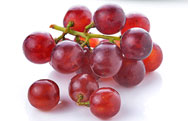
- Red Globe: A large, seedless red grape that is a popular choice.
- Flavour: Red Globe grapes have a very sweet, delicate flavour with a crisp and firm texture. They are large, round, and have pinkish-red skin, but their large seeds can have a bitter taste if chewed. Their sweetness and juicy flesh make them ideal for eating fresh.
Other varieties
Other types sold, especially in regions like the Swan Valley, include Flame Seedless, Scarlotta Seedless, Sweet Celebration, Autumn Crisp, and Dawn Seedless.
- Autumn Crisp: A white grape variety that is always sweet and juicy with a subtle muscat flavour. They are an extra-large grape berry, with a firm crisp texture.
- Dawn Seedless: These pale green, seedless grapes are perfect for enjoying fresh, adding to fruit salads, or even drying into delicious raisins.
- Flame Seedless: The Flame Seedless Grape is a well-loved variety, known for its bright red colour, juicy texture, and sweet, slightly tangy flavour.
- Scarlotta Seedless: The grapes are described as having a sweet, mild, and aromatic flavour with low acidity and a soft-crisp texture. They are known for being "sensationally sweet" and a "crowd-pleaser" with a beautiful balance of Flavours. The grapes are a late-season variety, resulting in larger berries with enhanced sweetness due to long ripening times.
- Sweet Celebration: A very sweet and crisp grape with the excellent acid balance, especially when pink, and will have wide appeal among consumers.
Fruit ” Grape ” ( Nutritional value )
Nutritional value per 100 g
Grapes, red or green (European type, such as Thompson seedless), raw
|
Nutrient ( Proximate’s )
|
Unit
|
Value
|
Daily Value %
|
|
Energy
|
kcal
|
69
|
3.4%
|
|
Protein
|
g
|
0.72
|
1.4%
|
|
Total lipid (fat)
|
g
|
0.16
|
0.2%
|
|
Carbohydrate, by difference
|
g
|
18.10
|
6.5%
|
|
Fiber, total dietary
|
g
|
0.9
|
3.2%
|
|
Sugars, total
|
g
|
15.48
|
|
|
Minerals
|
|||
|
Calcium, Ca
|
mg
|
10
|
0.7%
|
|
Iron, Fe
|
mg
|
0.36
|
2%
|
|
Magnesium, Mg
|
mg
|
7
|
1.6%
|
|
Phosphorus, P
|
mg
|
20
|
1.6%
|
|
Potassium, K
|
mg
|
191
|
4.0%
|
|
Sodium, Na
|
mg
|
2
|
0.08%
|
|
Zinc, Zn
|
mg
|
0.07
|
0.6%
|
|
Copper, Cu
|
mg
|
0.127
|
14.1%
|
|
Manganese, Mn
|
mg
|
0.071
|
3.0%
|
|
Selenium, Se
|
mcg
|
0.1
|
0.1%
|
|
Fluoride, F
|
mcg
|
7.8
|
|
|
Vitamins
|
|||
|
Vitamin C, total ascorbic acid
|
mg
|
3.2
|
3.5%
|
|
Thiamin (B-1)
|
mg
|
0.069
|
5.7%
|
|
Riboflavin (B-2)
|
mg
|
0.070
|
5.3%
|
|
Niacin (B-3)
|
mg
|
0.188
|
1.1%
|
|
Pantothenic acid (B-5)
|
mg
|
0.050
|
1%
|
|
Vitamin B-6
|
mg
|
0.086
|
5.0%
|
|
Vitamin B-12
|
mg
|
0.00
|
|
|
Folate DFE (dietary folate) (B-9)
|
mcg
|
2
|
0.5%
|
|
Vitamin A, RAE (retinol)
|
mcg
|
3
|
0.3%
|
|
Vitamin E (alpha-tocopherol)
|
mg
|
0.19
|
1.2%
|
|
Vitamin D (D2 + D3)
|
mcg
|
0
|
|
|
Vitamin K (phylloquinone)
|
mcg
|
14.6
|
12.1%
|
|
Lipids
|
|||
|
Saturated Fatty Acids
|
g
|
0.054
|
0.2%
|
|
Monounsaturated Fatty Acids
|
g
|
0.007
|
|
|
Polyunsaturated Fatty Acids
|
g
|
0.048
|
|
|
Trans Fatty Acids
|
g
|
0.000
|
|
|
Carotenoids
|
|||
|
Beta-Carotene
|
mcg
|
39
|
|
|
Alpha-Carotene
|
mcg
|
1
|
|
|
Lutein + zeaxanthin
|
mcg
|
72
|
|

Reference Values are based on a 2,000 Calorie Intake, for Adults and Children 4 or More Years of Age. Your daily values may be higher or lower depending on your calorie needs.
Percentages are roughly approximated using (RDA) Recommended Dietary Allowances for adults. Source: USDA United States Department of Agriculture.
Reference Values for Nutrition – FDA U.S. Food and Drug Administration.
Grapes Nutritional Value
Grapes provide numerous health benefits, including supporting heart health through antioxidants like resveratrol, promoting brain function, improving eye health, and aiding digestion with fiber.
They contribute to bone health, nerve and muscle function, and blood clotting. Grapes also have anti-inflammatory and antioxidant properties that protect cells from damage and may help lower the risk of certain chronic diseases.
LOWER BLOOD PRESSURE
Grapes may help lower blood pressure due to their potassium content and beneficial phytochemicals, though the effect is most often a small reduction in systolic blood pressure. Research indicates that consuming whole grapes, grape juice, or grape extracts can contribute to lower blood pressure, particularly when part of a healthy diet that includes a variety of fruits and vegetables. The benefits are linked to the potassium which helps dilate blood vessels and the flavonoids and other polyphenols which improve endothelial function and reduce inflammation.IMPROVE BLOOD FLOW
Grapes improve blood flow due to their rich content of antioxidants and polyphenols, such as resveratrol. These compounds help blood vessels relax and work more efficiently, reduce inflammation that can make blood sticky, lower blood pressure, and inhibit the formation of blood clots. This leads to healthier blood flow and a reduced risk of cardiovascular issues.ENHANCE PERFORMANCE
Grapes can enhance athletic performance by providing quick energy, antioxidants, and hydration. Their rich polyphenol content helps reduce inflammation, improve endurance, and support muscle recovery. Studies have shown that grape juice supplementation can increase time to exhaustion in athletes, though individual responses can vary.COMBATS ALZHEIMER'S DISEASE
Research has indicated that resveratrol in grapes may offer protective effects against Alzheimer's by reducing inflammation and clearing amyloid-beta (Aβ) plaques. It also has antioxidant properties, promotes neuroprotection, and helps protect the blood-brain barrier. While promising, further research is needed to confirm these therapeutic benefits.PROMOTE EYE HEALTH
Grapes promote eye health by providing antioxidants that protect the retina from damage and inflammation. They contain compounds like resveratrol, lutein, and zeaxanthin, which may protect against conditions like age-related macular degeneration (AMD), glaucoma, and cataracts. Studies have shown that regular grape consumption can improve markers of eye health, such as macular pigment optical density (MPOD).SUPPORT MUSLES
Grape’s support muscles by altering gene expression related to muscle growth and degeneration, which can help improve muscle mass and function over time. They contain polyphenols that may reduce exercise-induced inflammation and aid in muscle repair, while also providing potassium to help prevent cramps. Recent research suggests that daily grape consumption, including even small amounts like 1.5 cups, may be a promising dietary approach to mitigate age-related muscle loss, particularly for conditions like sarcopenia.

SUPPORT STRONG BONES
Grapes support strong bones through the presence of vitamin K, manganese, and potassium, which are essential for bone health. Vitamin K is vital for blood clotting and bone health, while manganese helps the body absorb calcium and build bone. Additionally, potassium can help with bone health by helping to maintain calcium levels, and other compounds in grapes may also play a role.AID DIGESTION
Grape’s aid digestion by providing fiber, water, and beneficial polyphenols that promote regular bowel movements, hydrate the digestive system, and support a healthy gut microbiome. The combination of soluble and insoluble fiber helps both prevent constipation and firm up stool, while polyphenols act as prebiotics, feeding good bacteria and potentially reducing inflammation. The high-water content also helps with the breakdown of food and overall digestive function.ANTIOXIDANT PROTECTION
Grapes protect against oxidative stress and cell damage through their high antioxidant content, which includes polyphenols like resveratrol, flavonoids, and anthocyanins. These compounds help protect the body from free radicals and are linked to a lower risk of chronic diseases such as certain cancers and heart disease. Grapes also contain vitamins like C and K, and minerals like potassium, which further support health and cellular protection.BLOOD SUGAR MANAGEMENT
Grapes can be included in a blood sugar management plan when consumed in moderation, as they have a low glycaemic index (GI) and contain beneficial antioxidants like resveratrol. To manage blood sugar, stick to a small portion size, ideally paired with protein or fat to slow sugar absorption, choose whole grapes over juice, and consider darker varieties for higher antioxidant content.ANTI-INFLAMMATORY AND ANTIOXIDANT
Grapes are both anti-inflammatory and antioxidant due to compounds like resveratrol, anthocyanins, and quercetin. These compounds help protect cells from oxidative stress and can reduce inflammation by blocking inflammatory markers and pathways, which in turn may lower the risk of chronic diseases like heart disease and certain cancers.PROTECT BRAIN CELLS
Grapes protect brain cells by acting as an antioxidant, fighting oxidative stress and reducing neuroinflammation. Compounds like resveratrol and anthocyanins in grapes can cross the blood-brain barrier to improve neuronal function and may help prevent age-related cognitive decline and memory loss
Grapes are highly nutritious, offering potent antioxidants like resveratrol and anthocyanin, which promote heart health, reduce inflammation, and may lower cancer risk. They aid in blood pressure regulation, immune function, and digestive health. Their high water content also aids hydration and helps prevent constipation.
References
Nutrient Database – USDA (United States Department of Agriculture)
Reference Values for Nutrition – FDA U.S. Food and Drug Administration
Lower blood pressure - May help lower blood pressure due to their potassium content and beneficial phytochemicals, though the effect is most often a small reduction in systolic blood pressure. Research indicates that consuming whole grapes, grape juice, or grape extracts can contribute to lower blood pressure, particularly when part of a healthy diet that includes a variety of fruits and vegetables. The benefits are linked to the potassium which helps dilate blood vessels and the flavonoids and other polyphenols which improve endothelial function and reduce inflammation.
Improve blood flow - Grapes improve blood flow due to their rich content of antioxidants and polyphenols, such as resveratrol. These compounds help blood vessels relax and work more efficiently, reduce inflammation that can make blood sticky, lower blood pressure, and inhibit the formation of blood clots. This leads to healthier blood flow and a reduced risk of cardiovascular issues.
Antioxidant protection - Grapes protect against oxidative stress and cell damage through their high antioxidant content, which includes polyphenols like resveratrol, flavonoids, and anthocyanins. These compounds help protect the body from free radicals and are linked to a lower risk of chronic diseases such as certain cancers and heart disease. Grapes also contain vitamins like C and K, and minerals like potassium, which further support health and cellular protection.
Protect brain cells - Grapes protect brain cells by acting as an antioxidant, fighting oxidative stress and reducing neuroinflammation. Compounds like resveratrol and anthocyanins in grapes can cross the blood-brain barrier to improve neuronal function and may help prevent age-related cognitive decline and memory loss.
Combats Alzheimer's disease - resveratrol in grapes may offer protective effects against Alzheimer's by reducing inflammation and clearing amyloid-beta (Aβ) plaques. It also has antioxidant properties, promotes neuroprotection, and helps protect the blood-brain barrier. While promising, further research is needed to confirm these therapeutic benefits.
Enhance performance - Grapes can enhance athletic performance by providing quick energy, antioxidants, and hydration. Their rich polyphenol content helps reduce inflammation, improve endurance, and support muscle recovery. Studies have shown that grape juice supplementation can increase time to exhaustion in athletes, though individual responses can vary.
Promote eye health - Grapes promote eye health by providing antioxidants that protect the retina from damage and inflammation. They contain compounds like resveratrol, lutein, and zeaxanthin, which may protect against conditions like age-related macular degeneration (AMD), glaucoma, and cataracts. Studies have shown that regular grape consumption can improve markers of eye health, such as macular pigment optical density (MPOD).
Support strong bones - Grapes support strong bones through the presence of vitamin K, manganese, and potassium, which are essential for bone health. Vitamin K is vital for blood clotting and bone health, while manganese helps the body absorb calcium and build bone. Additionally, potassium can help with bone health by helping to maintain calcium levels, and other compounds in grapes may also play a role.
Aid digestion - Grape’s aid digestion by providing fiber, water, and beneficial polyphenols that promote regular bowel movements, hydrate the digestive system, and support a healthy gut microbiome. The combination of soluble and insoluble fiber helps both prevent constipation and firm up stool, while polyphenols act as prebiotics, feeding good bacteria and potentially reducing inflammation. The high-water content also helps with the breakdown of food and overall digestive function.
Support muscles - Grape’s support muscles by altering gene expression related to muscle growth and degeneration, which can help improve muscle mass and function over time. They contain polyphenols that may reduce exercise-induced inflammation and aid in muscle repair, while also providing potassium to help prevent cramps. Recent research suggests that daily grape consumption, including even small amounts like 1.5 cups, may be a promising dietary approach to mitigate age-related muscle loss, particularly for conditions like sarcopenia.
Anti-inflammatory and antioxidant - Grapes are both anti-inflammatory and antioxidant due to compounds like resveratrol, anthocyanins, and quercetin. These compounds help protect cells from oxidative stress and can reduce inflammation by blocking inflammatory markers and pathways, which in turn may lower the risk of chronic diseases like heart disease and certain cancers.
Blood sugar management - Grapes can be included in a blood sugar management plan when consumed in moderation, as they have a low glycaemic index (GI) and contain beneficial antioxidants like resveratrol. To manage blood sugar, stick to a small portion size, ideally paired with protein or fat to slow sugar absorption, choose whole grapes over juice, and consider darker varieties for higher antioxidant content.