

1. Pine Nut Facts
2. Types of Pine Nuts
3. Pine Nut Nutritional Value
4. Pine Nut Health Benefits
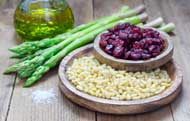
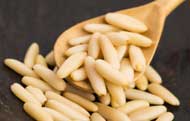
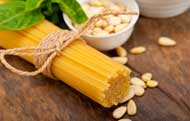
Pine nuts are the edible seeds of various pine trees, which are small, creamy, and teardrop shaped with a buttery, slightly sweet flavour.
The most common scientific name for pine nuts, particularly those from the stone pine, is Pinus pinea L.. However, the term "pine nut" can refer to edible seeds from various species within the Pinus genus, such as Pinus sibirica* and Pinus edulis*.
They can be eaten raw or roasted, and are a common ingredient in global cuisines, most famously in pesto. Harvesting is a labour-intensive process, as the nuts must be extracted from the cones and then removed from their shells.
History and Origin
Pine nuts have a long history of use, originating in the Northern Hemisphere where they have been a food source for thousands of years. Archaeological evidence shows they were consumed as early as prehistoric times and have been found in the ruins of Pompeii.
They were a staple for Native American tribes and were known to the ancient Greeks and Romans, who used them in their cuisine and even as campaign food
- • Korean pine nut
- • European stone pine
- • Bunya pine
The main type of pine nut sold in Australia is the imported Korean pine nut (Pinus koraiensis) and the European stone pine nut (P𝑖𝑛𝑢𝑠 𝑝𝑖𝑛𝑒𝑎).
While small-scale growing of (Pinus pinea) occurs in Australia, its primary commercial pine nut crop comes from overseas, and it's important to note a native Australian species, the Bunya pine (A𝑟𝑎𝑢𝑐𝑎𝑟𝑖𝑎 𝑏𝑖𝑑𝑤𝑖𝑙𝑙𝑖𝑖), also produces edible seeds.
Types of pine nuts sold and grown in Australia
- Korean pine nut (Pinus koraiensis): This is the most common type of pine nut found in Australian supermarkets, known for being plump and teardrop shaped.
- European stone pine nut (Pinus pinea): Also known as the umbrella pine, this species is considered a premium variety due to its larger size and superior flavour. While some commercial growing occurs in Australia, the majority is imported.
- Bunya pine (Araucaria bidwillii): This is a native Australian species whose large, edible seeds have a unique flavour and are a traditional food for Indigenous Australians. Bunya nuts are not typically sold in the same way as imported pine nuts, and are eaten raw or cooked by traditional methods.
Australian production
- There are small, commercial-scale orchards of the European stone pine (P𝑖𝑛𝑢𝑠 𝑝𝑖𝑛𝑒𝑎) in Australia, mainly in areas like the Southern Tablelands in New South Wales and near Mt Hotham in Victoria.
- While Australian-grown pine nuts exist, Australia also imports a large proportion of its supply, primarily from Asia and the Mediterranean.
- Growing pine nuts for export is being considered as a commercial opportunity in Australia.
Nuts ” Pine Nuts ” ( Nutritional value )
Nutritional Value per 100 g
Nuts, pine nuts, dried
|
Nutrient ( Proximate’s )
|
Unit
|
Value
|
Daily Value %
|
|
Energy
|
kcal
|
673
|
33.6%
|
|
Protein
|
g
|
13.69
|
27.3%
|
|
Total lipid (fat)
|
g
|
68.37
|
87.6%
|
|
Carbohydrate, by difference
|
g
|
13.08
|
4.7%
|
|
Fiber, total dietary
|
g
|
3.7
|
13.2%
|
|
Total Sugars
|
g
|
3.59
|
|
|
Minerals
|
|||
|
Calcium, Ca
|
mg
|
16
|
1.2%
|
|
Iron, Fe
|
mg
|
5.53
|
30.7%
|
|
Magnesium, Mg
|
mg
|
251
|
59.7%
|
|
Phosphorus, P
|
mg
|
575
|
46%
|
|
Potassium, K
|
mg
|
597
|
12.7%
|
|
Sodium, Na
|
mg
|
2
|
0.8%
|
|
Zinc, Zn
|
mg
|
6.45
|
58.6%
|
|
Copper, Cu
|
mg
|
1.324
|
147.1%
|
|
Manganese, Mn
|
mg
|
8.802
|
382.6%
|
|
Selenium, Se
|
mcg
|
0.7
|
1.2%
|
|
Vitamins
|
|||
|
Vitamin C, total ascorbic acid
|
mg
|
0.8
|
0.8%
|
|
Thiamin (B-1)
|
mg
|
0.364
|
30.3%
|
|
Riboflavin (B-2)
|
mg
|
0.227
|
17.4%
|
|
Niacin (B-3)
|
mg
|
4.387
|
27.4%
|
|
Pantothenic acid (B-5)
|
mg
|
0.313
|
6.2%
|
|
Vitamin (B-6)
|
mg
|
0.094
|
5.5%
|
|
Folate (B-9)
|
mcg
|
34
|
8.5%
|
|
Vitamin (B-12)
|
mcg
|
0.00
|
|
|
Vitamin A, RAE
|
mcg
|
||
|
Vitamin E (alpha-tocopherol)
|
mg
|
9.33
|
62.2%
|
|
Vitamin D (D2 + D3)
|
mcg
|
0
|
|
|
Vitamin K (phylloquinone)
|
mcg
|
53.9
|
44.9%
|
|
Lipids
|
|||
|
Saturated Fatty Acids
|
g
|
4.899
|
24.4%
|
|
Monounsaturated Fatty Acids
|
g
|
18.764
|
|
|
Polyunsaturated Fatty Acids
|
g
|
34.071
|
|
|
Carotenoids
|
|||
|
Beta-Carotene
|
mcg
|
17
|
|
|
Lutein + zeaxanthin
|
mcg
|
9
|
|

Reference Values are based on a 2,000 Calorie Intake, for Adults and Children 4 or More Years of Age. Your daily values may be higher or lower depending on your calorie needs.
Percentages are roughly approximated using (RDA) Recommended Dietary Allowances for adults. Source: USDA United States Department of Agriculture.
Reference Values for Nutrition – FDA U.S. Food and Drug Administration.
Pine Nuts Nutritional Value
Pine nuts offer numerous health benefits due to their rich nutritional profile, which includes healthy fats, protein, fiber, vitamins, and minerals. They support heart health, brain function, and healthy weight management, while also providing antioxidants that benefit skin and immune function.
IMMUNE SUPPORT
Pine nuts support the immune system due to their high content of zinc, manganese, and vitamins E and niacin. These nutrients help enhance immune cell activity, reduce inflammation, and protect the body from illness. To incorporate them, add pine nuts to salads, smoothies, or trail mix for a nutritional boost.DIABETES MANAGEMENT
Pine nuts can aid in diabetes management due to their low glycaemic index and combination of healthy fats, fiber, and magnesium, which helps stabilize blood sugar and improve insulin sensitivity. Their high content of beneficial nutrients, including protein and antioxidants, can also assist with weight management and overall health, contributing to better glucose control.ANTIOXIDANT PROTECTION
Pine nuts provide antioxidant protection through antioxidants like vitamin E and flavonoids, which protect cells from damage and reduce inflammation. This can lower the risk of chronic diseases like heart disease and diabetes, and also helps protect the skin from aging and environmental damage.HEART HEALTH
Pine nuts support heart health by providing monounsaturated and polyunsaturated fats, which can help lower "bad" LDL cholesterol and raise "good" HDL cholesterol. They also contain heart-healthy nutrients like magnesium, Vitamin E, and Vitamin K, as well as arginine (which helps blood vessels relax) and omega-3s. Regular consumption of nuts, including pine nuts, may reduce the risk of heart failure and atrial fibrillation.

BONE HEALTH
Pine nuts provide essential bone-strengthening minerals like calcium, magnesium, phosphorus, and vitamin K. Vitamin K plays a key role in calcium absorption and helps reduce the risk of bone fractures, making pine nuts beneficial for long-term skeletal health.BRAIN HEALTH
Pine nuts support brain health by providing omega-3 fatty acids, antioxidants, and minerals like zinc and magnesium, which may improve cognitive function, memory, and circulation to the brain. They can help reduce oxidative stress and inflammation in brain cells, potentially lowering the risk of neurodegenerative diseases.SKIN HEALTH
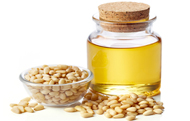
Pine nuts are good for skin due to their vitamins (especially E), antioxidants, and healthy fats, which protect against aging and damage, hydrate the skin, and aid in healing. Pine nut oil can also be used directly on the skin for its moisturizing and anti-inflammatory effects. The outer skin of the pine nut (a by-product) is also being studied for its potential antioxidant and nutritional benefits, though it's not typically consumed.WEIGHT MANAGEMENT AND ENERGY
Pine nuts support weight management and energy by providing a satisfying mix of protein, healthy fats, and fiber that promotes fullness and can reduce appetite. They contain pinolenic acid, a compound that may help suppress appetite, and their healthy fats and minerals like magnesium contribute to sustained energy production. However, due to their high calorie density, moderate consumption is key to prevent weight gain.
References
Nutrient Database – USDA (United States Department of Agriculture)
Reference Values for Nutrition – FDA U.S. Food and Drug Administration
Heart health - Pine nuts support heart health by providing monounsaturated and polyunsaturated fats, which can help lower "bad" LDL cholesterol and raise "good" HDL cholesterol. They also contain heart-healthy nutrients like magnesium, Vitamin E, and Vitamin K, as well as arginine (which helps blood vessels relax) and omega-3s. Regular consumption of nuts, including pine nuts, may reduce the risk of heart failure and atrial fibrillation.
Brain health - Pine nuts support brain health by providing omega-3 fatty acids, antioxidants, and minerals like zinc and magnesium, which may improve cognitive function, memory, and circulation to the brain. They can help reduce oxidative stress and inflammation in brain cells, potentially lowering the risk of neurodegenerative diseases.
Antioxidant protection - Pine nuts provide antioxidant protection through antioxidants like vitamin E and flavonoids, which protect cells from damage and reduce inflammation. This can lower the risk of chronic diseases like heart disease and diabetes, and also helps protect the skin from aging and environmental damage.
Weight management and energy - Pine nuts support weight management and energy by providing a satisfying mix of protein, healthy fats, and fiber that promotes fullness and can reduce appetite. They contain pinolenic acid, a compound that may help suppress appetite, and their healthy fats and minerals like magnesium contribute to sustained energy production. However, due to their high calorie density, moderate consumption is key to prevent weight gain.
Bone health - Pine nuts provide essential bone-strengthening minerals like calcium, magnesium, phosphorus, and vitamin K. Vitamin K plays a key role in calcium absorption and helps reduce the risk of bone fractures, making pine nuts beneficial for long-term skeletal health.
Immune support - Pine nuts support the immune system due to their high content of zinc, manganese, and vitamins E and niacin. These nutrients help enhance immune cell activity, reduce inflammation, and protect the body from illness. To incorporate them, add pine nuts to salads, smoothies, or trail mix for a nutritional boost.
Skin health - Pine nuts are good for skin due to their vitamins (especially E), antioxidants, and healthy fats, which protect against aging and damage, hydrate the skin, and aid in healing. Pine nut oil can also be used directly on the skin for its moisturizing and anti-inflammatory effects. The outer skin of the pine nut (a by-product) is also being studied for its potential antioxidant and nutritional benefits, though it's not typically consumed.
Diabetes management - Pine nuts can aid in diabetes management due to their low glycaemic index and combination of healthy fats, fiber, and magnesium, which helps stabilize blood sugar and improve insulin sensitivity. Their high content of beneficial nutrients, including protein and antioxidants, can also assist with weight management and overall health, contributing to better glucose control.