



1. Pistachio Facts
2. Types of Pistachio Nuts
3. Pistachio Nutritional Value
4. Pistachio Health Benefits
Pistachios are the edible seeds of the Pistacia vera tree. The scientific name for the pistachio nut is (Pistacia vera). The species name is often followed by the letter "L." which denotes Linnaeus, the botanist who first described it.
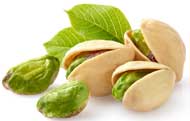
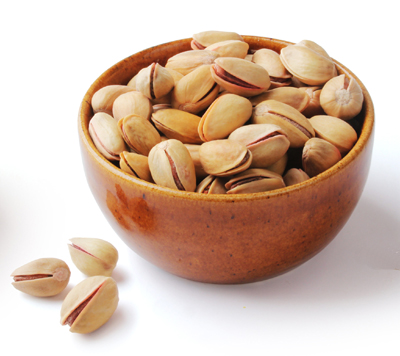
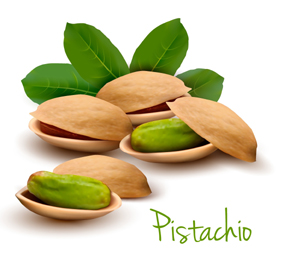
Pistachios feature a distinctive green kernel with a purplish-red skin, enclosed in a hard, off-white shell that typically splits open when the fruit ripens.
Pistachios have a mild, resinous flavour and are prized for their nutrient density, including protein, fiber, and antioxidants, and are often sold shelled or in-shell, roasted, or salted.
History and Origin
Pistachios originated in Central Asia and the Middle East, with archaeological evidence pointing to consumption as far back as 6750 BCE.
They were spread through the ancient Silk Road to the Mediterranean and Europe, famously introduced to Italy by the Romans in the 1st century AD.
Today, the United States, particularly California, is the leading global producer, a status achieved after American botanist William Whitehouse brought back seeds from Iran in the 1930s and cultivated the "Kerman" variety.
The main type of pistachio grown in Australia is the Sirora variety, which was developed by the CSIRO for local conditions.
While Sirora is the most prevalent, the Kerman variety is also grown, though in much smaller numbers. These are sold both in their shells and as processed products like roasted, salted, or diced kernels, as well as whole kernels.
Types grown in Australia
- Sirora: This is the most significant variety, accounting for the majority of Australian pistachio production. It was specifically bred by the CSIRO in 1982 to be well-suited to Australian growing conditions.
- Kerman: This Californian cultivar is grown in Australia, but in much smaller quantities compared to Sirora.
How they are sold
- In-shell: Sold raw or dry-roasted and salted.
- Kernels: Available as whole kernels or processed into various forms like diced, slivered, or meal.
- Processed forms: Products can include roasted and salted, diced, or even pistachio paste and oil.
Nuts ” Pistachio ” ( Nutritional value )
Nutritional Value per 100 g
Nuts, pistachio nuts, dry roasted, with salt added
|
Nutrient ( Proximate’s )
|
Unit
|
Value
|
Daily Value %
|
|
Energy
|
kcal
|
569
|
28.4%
|
|
Protein
|
g
|
21.05
|
42.1%
|
|
Total lipid (fat)
|
g
|
45.82
|
58.7%
|
|
Carbohydrate, by difference
|
g
|
27.55
|
10%
|
|
Fiber, total dietary
|
g
|
10.3
|
36.7%
|
|
Total Sugars
|
g
|
7.74
|
|
|
Minerals
|
|||
|
Calcium, Ca
|
mg
|
107
|
8.2%
|
|
Iron, Fe
|
mg
|
4.03
|
22.9%
|
|
Magnesium, Mg
|
mg
|
109
|
25.9%
|
|
Phosphorus, P
|
mg
|
469
|
37.5%
|
|
Potassium, K
|
mg
|
1007
|
21.4%
|
|
Sodium, Na
|
mg
|
428
|
18.6%
|
|
Zinc, Zn
|
mg
|
2.34
|
21.2%
|
|
Copper, Cu
|
mg
|
1.293
|
143.6%
|
|
Manganese, Mn
|
mg
|
1.243
|
54%
|
|
Selenium, Se
|
mcg
|
10.0
|
18.1%
|
|
Vitamins
|
|||
|
Vitamin C, total ascorbic acid
|
mg
|
3.0
|
3.3%
|
|
Thiamin (B-1)
|
mg
|
0.695
|
57.9%
|
|
Riboflavin (B-2)
|
mg
|
0.234
|
18%
|
|
Niacin (B-3)
|
mg
|
1.373
|
8.5%
|
|
Pantothenic acid (B-5)
|
mg
|
0.513
|
10.2%
|
|
Vitamin (B-6)
|
mg
|
1.122
|
66%
|
|
Folate (B-9)
|
mcg
|
51
|
12.7%
|
|
Vitamin (B-12)
|
mcg
|
0.00
|
|
|
Vitamin A, RAE
|
mcg
|
||
|
Vitamin E (alpha-tocopherol)
|
mg
|
2.17
|
14.4%
|
|
Vitamin D (D2 + D3)
|
mcg
|
0
|
|
|
Vitamin K (phylloquinone)
|
mcg
|
13.2
|
11%
|
|
Lipids
|
|||
|
Saturated Fatty Acids
|
g
|
5.645
|
28.2%
|
|
Monounsaturated Fatty Acids
|
g
|
24.534
|
|
|
Polyunsaturated Fatty Acids
|
g
|
13.346
|
|
|
Trans Fatty Acids
|
g
|
0.000
|
|
|
Cholesterol
|
mg
|
0
|
|
|
Carotenoids
|
|||
|
Beta-Carotene
|
mcg
|
159
|
|
|
Lutein + zeaxanthin
|
mcg
|
1160
|
|
Reference Values are based on a 2,000 Calorie Intake, for Adults and Children 4 or More Years of Age. Your daily values may be higher or lower depending on your calorie needs.
Percentages are roughly approximated using (RDA) Recommended Dietary Allowances for adults. Source: USDA United States Department of Agriculture.
Reference Values for Nutrition – FDA U.S. Food and Drug Administration.
Pistachio Nuts Nutritional Value
Pistachio nuts are considered a superfood because they are highly nutrient-dense, packed with antioxidants, and provide significant protein and fiber.
They are excellent for weight management, heart health, and blood sugar regulation.
HEART HEALTH
Pistachios are good for heart health because they can lower cholesterol, blood pressure, and triglycerides while increasing "good" HDL cholesterol. They are rich in antioxidants like resveratrol and beneficial nutrients such as arginine, which helps blood vessels relax, and potassium. To maintain these benefits, opt for unsalted varieties, as high sodium can negate positive effectsBRAIN HEALTH
Pistachios support brain health through various mechanisms, including their antioxidant and anti-inflammatory properties, and by promoting gamma wave activity associated with cognition and memory. They contain neuroprotective compounds like vitamin E, lutein, zeaxanthin, and melatonin, which can help protect against neuronal damage and support cognitive functions like learning, memory, and perception.RICH IN ANTIOXIDANTS
Pistachios are rich in antioxidants, which help protect the body from damage caused by free radicals. These antioxidants include powerful compounds like lutein, zeaxanthin, polyphenols, and tocopherols (vitamin E). Consuming pistachios can increase your body's antioxidant capacity, which may lower the risk of chronic diseases like certain cancers and heart conditions, and is beneficial for eye health.WEIGHT MANAGEMENT
Pistachios have high fiber and protein content, which promote fullness and may lead to reduced calorie intake. Their fat content may also not be fully absorbed, and eating them in-shell encourages slower, more mindful eating. Studies show that including pistachios in a weight management plan can help with weight loss, improved nutrient intake, and better dietary habits, such as consuming fewer sweets.
IMMUNE SUPPORT
Pistachios support immune function by providing essential nutrients like vitamin B6, copper, and zinc. They are rich in antioxidants such as vitamin E, carotenoids, and polyphenols, which help protect against cell damage and reduce inflammation. Additionally, pistachios are a good source of fiber, which promotes a healthy gut microbiome that is linked to a strong immune system.EYE HEALTH
Pistachios benefit eye health primarily due to their high levels of the antioxidant lutein, which helps filter blue light and protect against sun damage. Daily consumption, especially two ounces, can significantly increase macular pigment optical density (MPOD), a key indicator of retinal health and a factor in reducing the risk of age-related macular degeneration (AMD). Pistachios are unique among nuts for providing substantial lutein.PROVIDES ESSENTIAL NUTRIENTS
Pistachio nuts provide essential nutrients like protein, fiber, potassium, magnesium, and B vitamins, as well as healthy fats and antioxidants. They are a good source of protein, with enough to be considered a "complete" protein, and offer significant amounts of vitamin B6, copper, and thiamin. Their antioxidant content is particularly high, especially in the form of lutein and zeaxanthin, which are beneficial for eye health.GUT HEALTH
Pistachios benefit gut health because they are rich in fiber, which acts as a prebiotic, feeding beneficial gut bacteria. This can lead to an increase in butyrate-producing bacteria and other helpful microbes, contributing to a more diverse and healthy gut microbiome. Regular pistachio consumption may support regular bowel movements and overall digestive health.
References
Nutrient Database – USDA (United States Department of Agriculture)
Reference Values for Nutrition – FDA U.S. Food and Drug Administration
Heart health - Pistachios are good for heart health because they can lower cholesterol, blood pressure, and triglycerides while increasing "good" HDL cholesterol. They are rich in antioxidants like resveratrol and beneficial nutrients such as arginine, which helps blood vessels relax, and potassium. To maintain these benefits, opt for unsalted varieties, as high sodium can negate positive effects.
Weight management - Pistachios can support weight management due to their high fiber and protein content, which promote fullness and may lead to reduced calorie intake. Their fat content may also not be fully absorbed, and eating them in-shell encourages slower, more mindful eating. Studies show that including pistachios in a weight management plan can help with weight loss, improved nutrient intake, and better dietary habits, such as consuming fewer sweets.
Eye health - Pistachios benefit eye health primarily due to their high levels of the antioxidant lutein, which helps filter blue light and protect against sun damage. Daily consumption, especially two ounces, can significantly increase macular pigment optical density (MPOD), a key indicator of retinal health and a factor in reducing the risk of age-related macular degeneration (AMD). Pistachios are unique among nuts for providing substantial lutein.
Rich in antioxidants - Pistachios are rich in antioxidants, which help protect the body from damage caused by free radicals. These antioxidants include powerful compounds like lutein, zeaxanthin, polyphenols, and tocopherols (vitamin E). Consuming pistachios can increase your body's antioxidant capacity, which may lower the risk of chronic diseases like certain cancers and heart conditions, and is beneficial for eye health.
Gut health - Pistachios benefit gut health because they are rich in fiber, which acts as a prebiotic, feeding beneficial gut bacteria. This can lead to an increase in butyrate-producing bacteria and other helpful microbes, contributing to a more diverse and healthy gut microbiome. Regular pistachio consumption may support regular bowel movements and overall digestive health.
Immune support - Pistachios support immune function by providing essential nutrients like vitamin B6, copper, and zinc. They are rich in antioxidants such as vitamin E, carotenoids, and polyphenols, which help protect against cell damage and reduce inflammation. Additionally, pistachios are a good source of fiber, which promotes a healthy gut microbiome that is linked to a strong immune system.
Brain health - Pistachios support brain health through various mechanisms, including their antioxidant and anti-inflammatory properties, and by promoting gamma wave activity associated with cognition and memory. They contain neuroprotective compounds like vitamin E, lutein, zeaxanthin, and melatonin, which can help protect against neuronal damage and support cognitive functions like learning, memory, and perception.
Provides essential nutrients - Pistachio nuts provide essential nutrients like protein, fiber, potassium, magnesium, and B vitamins, as well as healthy fats and antioxidants. They are a good source of protein, with enough to be considered a "complete" protein, and offer significant amounts of vitamin B6, copper, and thiamin. Their antioxidant content is particularly high, especially in the form of lutein and zeaxanthin, which are beneficial for eye health.