





1. Flaxseed Facts
2. Types of Flaxseed
3. Flaxseed Nutritional Value
4. Flaxseed Health Benefits
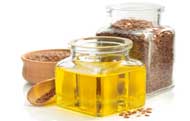
Flax (Linum usitatissimum), or linseed, is a versatile annual plant cultivated in cool temperate regions, it is used for textiles, nutritional recipes and supplements, and industrial materials like linoleum.
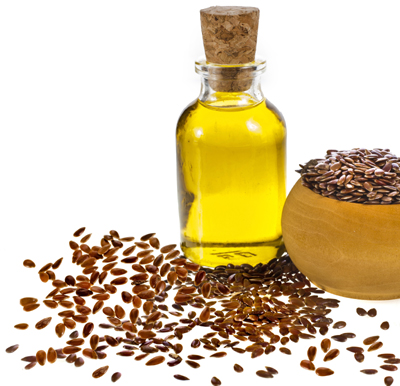
Flaxseed, also commonly known as linseed or just flax, is the seed of the plant Linum usitatissimum. While the terms flaxseed and linseed are generally used interchangeably to refer to these tiny, nutritious, brown or golden seeds, they can have slightly different connotations depending on context.
Flaxseed recipes are a nutritious way to add fiber and omega-3s to your diet, commonly used in smoothies, baked goods, and as a vegan egg substitute. Popular, easy recipes include flaxseed pudding, energy bites, homemade crackers, and pancakes.Ground flaxseed works best for digestion and can replace some flour or breadcrumbs in recipes.
History and Origin
Flaxseed, or linseed, is one of the world's oldest cultivated crops, native to the region from the eastern Mediterranean to India.
Its history dates back to ancient civilizations in the Fertile Crescent, where it was used for both fiber and food around 9,000 years ago, and by 30,000 years ago, wild flax was being used for textiles.
It was highly valued in ancient Egypt for linen, traded by the Phoenicians, and used by the Romans for sails and by ancient healers for medicinal purposes.
- • Brown linseed (flaxseed)
- • Golden linseed (flaxseed)
- • CSIRO's Linola™
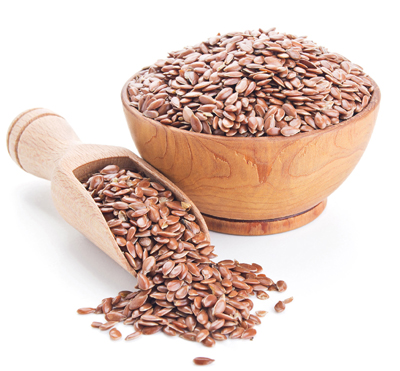
The two main types of flaxseeds grown and sold in Australia are brown and golden linseed.
Brown linseed is a traditional variety, while golden flaxseed is a specific cultivar, and some specialized crops, such as CSIRO's Linola™, also exist and can be used for food-grade oil.
Types of flaxseeds grown and sold in Australia
- Brown linseed (flaxseed)
- This is the traditional, most common type of flaxseed, often sold as a whole seed or ground into a meal.
- It has a milder, nuttier flavour and is versatile for use in baking, muesli, smoothies, and porridges.
- It's naturally rich in omega-3s, fiber, and protein.
- Golden linseed (flaxseed)
- This is a specialty variety of linseed, also used for both whole seeds and ground meal.
- It's known for its lighter colour.
- Some research suggests golden flaxseed may have slightly different fatty acid profiles compared to brown linseed.
- CSIRO's Linola™
- Linola™ is a specific, registered trademarked variety of flax developed by CSIRO in Australia.
- It is identical to linseed but has a golden-yellow seed.
- Linola™ is specifically bred to produce an edible, high-polyunsaturated oil, similar to sunflower oil, which is different from traditional industrial linseed oil.
Seeds ” Flaxseed ” ( Nutritional value )
Nutritional Value per 100 g
Seeds, flaxseed
|
Nutrient ( Proximate’s )
|
Unit
|
Value
|
Daily Value %
|
|
Energy
|
kcal
|
534
|
26.7%
|
|
Protein
|
g
|
18.29
|
36.5%
|
|
Total lipid (fat)
|
g
|
42.16
|
54%
|
|
Carbohydrate, by difference
|
g
|
28.88
|
10.5%
|
|
Fiber, total dietary
|
g
|
27.3
|
97.5%
|
|
Total Sugars
|
g
|
1.55
|
|
|
Minerals
|
|||
|
Calcium, Ca
|
mg
|
255
|
19.6%
|
|
Iron, Fe
|
mg
|
5.73
|
31.8%
|
|
Magnesium, Mg
|
mg
|
392
|
93.3%
|
|
Phosphorus, P
|
mg
|
642
|
51.3%
|
|
Potassium, K
|
mg
|
813
|
17.2%
|
|
Sodium, Na
|
mg
|
30
|
1.3%
|
|
Zinc, Zn
|
mg
|
4.34
|
39.4%
|
|
Copper, Cu
|
mg
|
1.220
|
135.5%
|
|
Manganese, Mn
|
mg
|
2.482
|
107.9%
|
|
Selenium, Se
|
mcg
|
25.4
|
46.1%
|
|
Vitamins
|
|||
|
Vitamin C, total ascorbic acid
|
mg
|
0.6
|
0.6%
|
|
Thiamin (B-1)
|
mg
|
1.644
|
137%
|
|
Riboflavin (B-2)
|
mg
|
0.161
|
12.3%
|
|
Niacin (B-3)
|
mg
|
3.080
|
19.2%
|
|
Pantothenic acid (B-5)
|
mg
|
0.985
|
19.7%
|
| Vitamin (B-6) |
mg
|
0.473
|
27.8%
|
|
Folate (B-9)
|
mcg
|
87
|
21.7%
|
|
Vitamin (B-12)
|
mcg
|
0.00
|
|
|
Vitamin A, RAE
|
mcg
|
0
|
|
| Vitamin E (alpha-tocopherol) |
mg
|
0.31
|
2%
|
|
Vitamin D (D2 + D3)
|
mcg
|
0.0
|
|
|
Vitamin D
|
mcg
|
0
|
|
|
Vitamin K (phylloquinone)
|
mcg
|
4.3
|
3.5%
|
|
Lipids
|
|||
|
Saturated Fatty Acids
|
g
|
3.663
|
18.3%
|
|
Monounsaturated Fatty Acids
|
g
|
7.527
|
|
|
Polyunsaturated Fatty Acids
|
g
|
28.730
|
|
|
Cholesterol
|
mg
|
0
|
|
|
Carotenoids
|
|||
|
Beta-Carotene
|
mcg
|
0
|
|
|
Alpha-Carotene
|
mcg
|
0
|
|
|
Beta-Cryptoxanthin
|
mcg
|
0
|
|
|
Lutein + Zeaxanthin
|
mcg
|
651
|
|
Reference Values are based on a 2,000 Calorie Intake, for Adults and Children 4 or More Years of Age. Your daily values may be higher or lower depending on your calorie needs.
Percentages are roughly approximated using (RDA) Recommended Dietary Allowances for adults. Source: USDA United States Department of Agriculture.
Reference Values for Nutrition – FDA U.S. Food and Drug Administration.
Flaxseed Nutritional Value
Flaxseed provides numerous health benefits, including improved digestive, heart, and metabolic health.
Its rich content of alpha-linolenic acid (ALA), a type of omega-3 fatty acid, fiber, and lignans contributes to these benefits by helping to lower cholesterol, reduce blood pressure, and regulate blood sugar. To gain these advantages, ground flaxseed is recommended to ensure the body can access the beneficial oils.
DIGESTIVE HEALTH
Flaxseed improves digestive health primarily through its high content of soluble and insoluble fiber, which promotes bowel regularity and prevents constipation. The soluble fiber forms a gel that softens stool and feeds beneficial gut bacteria, while the insoluble fiber adds bulk. To maximize benefits, it's important to grind the seeds before eating and consume them with plenty of water to prevent bloating or gas.RELIEVES CONSTIPATION
Flaxseed can relieve constipation by acting as a natural laxative due to its high fiber content. It is effective for both acute and chronic constipation and can improve stool consistency, but it requires adequate fluid intake to work properly and should be taken in moderation to avoid worsening symptoms.CONTROLS BLOOD SUGAR
Flaxseed studies show it can lower blood glucose, improve glycaemic control, and increase insulin sensitivity. The effects are most pronounced with whole, ground flaxseed and with consistent, long-term use (12 weeks or more). Individuals with diabetes or prediabetes should consult a doctor before adding flaxseed to their diet, as it may lower blood sugar too much when taken with diabetes medications.REDUCES BLOOD PRESSURE
Flaxseed can help reduce blood pressure, with studies showing it can lower both systolic and diastolic pressure, especially in individuals with hypertension. This effect is attributed to its high content of alpha-linolenic acid (ALA), lignans, and dietary fiber, which may also help with cholesterol levels and improve metabolic health.IMPROVES HEART FUNCTION
Flaxseed can improve heart function by helping to lower blood pressure and cholesterol, and by improving artery health, largely due to its content of omega-3 fatty acids, lignans, and fiber. These components help reduce inflammation, prevent plaque buildup, and improve the body's overall cardiovascular health.
CANCER PREVENTION
Scientists have tested substances in flaxseed on cancer cells. This is very early research. It suggests that these substances may help to stop the growth and spread of cancer cells. Studies of flaxseed in animals have also shown that it may have some effect in stopping cancer from growing and spreading.SUPPORTS LIVER HEALTH
Flaxseed supports liver health, particularly in conditions like non-alcoholic fatty liver disease (NAFLD), by improving liver function, reducing fat buildup, and lowering liver enzyme levels. Its benefits are attributed to compounds like alpha-linolenic acid (ALA), lignans, and fiber, which also help reduce inflammation and improve overall metabolic health.LOWERS CHOLESTEROL
Flaxseed can help lower cholesterol by reducing total and LDL ("bad") cholesterol levels. This is due to its high content of omega-3 fatty acids and soluble fiber. To get the full benefits, it's best to consume ground flaxseed, as whole seeds are difficult for the body to digest.MENOPAUSAL SYMPTOM RELIEF
Flaxseed may help relieve menopausal symptoms, with studies showing potential benefits for reducing the severity and frequency of hot flashes and improving overall quality of life. To maximize the absorption of its beneficial compounds, it is best consumed ground, and a daily amount of around 5 grams is often recommended. You can add ground flaxseed to foods like smoothies, cereals, or salads, but be sure to drink plenty of water to avoid constipation.WOUND HEALING
Flaxseed promotes wound healing by reducing inflammation, providing essential fatty acids, and containing antioxidants that support collagen synthesis and tissue regeneration. Studies show it can accelerate the healing process for various wounds, including skin abrasions, burns, and even oral ulcers, by decreasing inflammatory cells and promoting neovascularization.
References
Nutrient Database – USDA (United States Department of Agriculture)
Reference Values for Nutrition – FDA U.S. Food and Drug Administration
Digestive health - Flaxseed improves digestive health primarily through its high content of soluble and insoluble fiber, which promotes bowel regularity and prevents constipation. The soluble fiber forms a gel that softens stool and feeds beneficial gut bacteria, while the insoluble fiber adds bulk. To maximize benefits, it's important to grind the seeds before eating and consume them with plenty of water to prevent bloating or gas.
Relieves constipation - Flaxseed can relieve constipation by acting as a natural laxative due to its high fiber content. It is effective for both acute and chronic constipation and can improve stool consistency, but it requires adequate fluid intake to work properly and should be taken in moderation to avoid worsening symptoms.
Lowers cholesterol - Flaxseed can help lower cholesterol by reducing total and LDL ("bad") cholesterol levels. This is due to its high content of omega-3 fatty acids and soluble fiber. To get the full benefits, it's best to consume ground flaxseed, as whole seeds are difficult for the body to digest.
Reduces blood pressure - Flaxseed can help reduce blood pressure, with studies showing it can lower both systolic and diastolic pressure, especially in individuals with hypertension. This effect is attributed to its high content of alpha-linolenic acid (ALA), lignans, and dietary fiber, which may also help with cholesterol levels and improve metabolic health.
Improves heart function - Flaxseed can improve heart function by helping to lower blood pressure and cholesterol, and by improving artery health, largely due to its content of omega-3 fatty acids, lignans, and fiber. These components help reduce inflammation, prevent plaque build-up, and improve the body's overall cardiovascular health.
Controls blood sugar - Flaxseed can help control blood sugar, with studies showing it can lower blood glucose, improve glycemic control, and increase insulin sensitivity. The effects are most pronounced with whole, ground flaxseed and with consistent, long-term use (12 weeks or more). Individuals with diabetes or prediabetes should consult a doctor before adding flaxseed to their diet, as it may lower blood sugar too much when taken with diabetes medications.
Supports liver health - Flaxseed supports liver health, particularly in conditions like non-alcoholic fatty liver disease (NAFLD), by improving liver function, reducing fat build-up, and lowering liver enzyme levels. Its benefits are attributed to compounds like alpha-linolenic acid (ALA), lignans, and fiber, which also help reduce inflammation and improve overall metabolic health.
Cancer prevention - Scientists have tested substances in flaxseed on cancer cells. This is very early research. It suggests that these substances may help to stop the growth and spread of cancer cells. Studies of flaxseed in animals have also shown that it may have some effect in stopping cancer from growing and spreading.
Menopausal symptom relief - Flaxseed may help relieve menopausal symptoms, with studies showing potential benefits for reducing the severity and frequency of hot flashes and improving overall quality of life. To maximize the absorption of its beneficial compounds, it is best consumed ground, and a daily amount of around 5 grams is often recommended. You can add ground flaxseed to foods like smoothies, cereals, or salads, but be sure to drink plenty of water to avoid constipation.
Wound healing - Flaxseed promotes wound healing by reducing inflammation, providing essential fatty acids, and containing antioxidants that support collagen synthesis and tissue regeneration. Studies show it can accelerate the healing process for various wounds, including skin abrasions, burns, and even oral ulcers, by decreasing inflammatory cells and promoting neovascularization.