

1. Pumpkin Seed Facts
2. Types of Pumpkin Seeds
3. Pumpkin Seed Nutritional Value
4. Pumpkin Seed Health Benefits
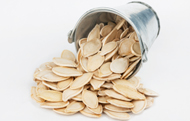
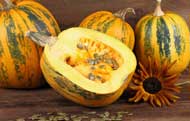
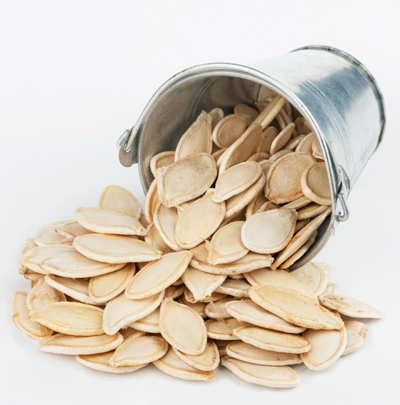
Pumpkin seeds are flat, oval seed from a pumpkin or squash, often with a white outer shell that can be removed to reveal a light green kernel, also known as a pepita.
The scientific name for pumpkin seeds is Cucurbita pepo. This name refers to the species of pumpkin that produces these edible seeds, which are also known as pepitas. While Cucurbita pepo is the most common species associated with pumpkin seeds, other species in the Cucurbita genus, such as Cucurbita maxima, also produce edible seeds.
Pumpkin seeds are nutrient-rich, containing protein, fiber, healthy fats, and various micronutrients like magnesium and zinc. They have a nutty flavour and a crunchy texture, especially when roasted, and are eaten as a snack or used in cooking.
History and Origin
Pumpkin seeds originate from the Americas, where their parent plants were cultivated as early as 7,000 to 10,000 years ago in Mexico and Central America.
Early Native Americans valued the seeds for nutrition and used the gourds for food, containers, and other purposes before they were introduced to Europe by early explorers in the 1500s.
Australia grows and sells a variety of pumpkin seeds, including Australian-developed varieties like Queensland Blue and Hunter Gem, as well as imported types like Butternut and Styrian. Many are sold as seeds for growing, but some varieties like the Styrian produce edible "naked" seeds (pepitas) that are sold as snacks.
Australian-grown varieties
- Australian Classics: Varieties like Ironbark, Kent, Bohemian, and Beaudesert Blue are Australian heirloom varieties well-suited to local conditions.
- Hunter Gem: A unique variety developed in Maitland, NSW, with a thin skin and versatile flesh.
- Queensland Blue: A traditional Australian variety known for its blue-grey skin, good storage, and suitability for eating.
Imported and specialty varieties
- Styrian "Naked" Seeds: Pepo Farms in Victoria is the only Australian grower of this type of pumpkin, which has hull-less seeds (pepitas) that are ideal for eating.
- Butternut: A popular and versatile squash that is grown for its sweet, thin-skinned fruit, though it doesn't store as long as some other varieties.
- Kent: Also known as J.A.P. (Japanese Pumpkin), this is a popular variety often sold alongside other varieties.
- Golden Nugget: A smaller, sweet variety that is sold for both eating and growing.
- Other varieties: Other seeds sold in Australia include Jack Be Little, Jarrahdale, Musquee de Provence, Red Kuri, and Small Sugar.
What to look for
Seed vs. edible seeds: Some listings are for seeds to plant, while others are for pepitas (eaten seeds) from a specific type of pumpkin.
Seeds ” Pumpkin Seed ” ( Nutritional value )
Nutritional Value per 100 g
Seeds, pumpkin and squash seed kernels, dried
|
Nutrient ( Proximate’s )
|
Unit
|
Value
|
Daily Value %
|
|
Energy
|
kcal
|
559
|
27.9%
|
|
Protein
|
g
|
30.23
|
60.4%
|
|
Total lipid (fat)
|
g
|
49.05
|
62.8%
|
|
Carbohydrate, by difference
|
g
|
10.71
|
3.8%
|
|
Fiber, total dietary
|
g
|
6.0
|
21.4%
|
|
Total Sugars
|
g
|
1.40
|
|
|
Minerals
|
|||
|
Calcium, Ca
|
mg
|
46
|
3.5%
|
|
Iron, Fe
|
mg
|
8.82
|
49%
|
|
Magnesium, Mg
|
mg
|
592
|
140.9%
|
|
Phosphorus, P
|
mg
|
1233
|
98.6%
|
|
Potassium, K
|
mg
|
809
|
17.2%
|
|
Sodium, Na
|
mg
|
7
|
0.3%
|
|
Zinc, Zn
|
mg
|
7.81
|
71%
|
|
Copper, Cu
|
mg
|
1.343
|
149.2%
|
|
Manganese, Mn
|
mg
|
4.543
|
197.5%
|
|
Selenium, Se
|
mcg
|
9.4
|
17%
|
|
Vitamins
|
|||
|
Vitamin C, total ascorbic acid
|
mg
|
1.9
|
2.1%
|
|
Thiamin (B-1)
|
mg
|
0.273
|
22.7%
|
|
Riboflavin (B-2)
|
mg
|
0.153
|
11.7%
|
|
Niacin (B-3)
|
mg
|
4.987
|
31.1%
|
|
Pantothenic acid (B-5)
|
mg
|
0.750
|
15%
|
| Vitamin (B-6) |
mg
|
0.143
|
8.4%
|
|
Folate (B-9)
|
mcg
|
58
|
14.5%
|
|
Vitamin (B-12)
|
mcg
|
0.00
|
|
|
Vitamin A, RAE
|
mcg
|
||
| Vitamin E (alpha-tocopherol) |
mg
|
2.18
|
14.5%
|
|
Beta-Tocopherol
|
mg
|
0.03
|
|
|
Gamma-Tocopherol
|
mg
|
35.10
|
|
|
Delta-Tocopherol
|
mg
|
0.44
|
|
|
Vitamin D (D2 + D3)
|
mcg
|
0.0
|
|
|
Vitamin D
|
mcg
|
0
|
|
|
Vitamin K (phylloquinone)
|
mcg
|
7.3
|
6%
|
|
Lipids
|
|||
|
Saturated Fatty Acids
|
g
|
8.659
|
43.2%
|
|
Monounsaturated Fatty Acids
|
g
|
16.242
|
|
|
Polyunsaturated Fatty Acids
|
g
|
20.976
|
|
|
Trans Fatty Acids
|
g
|
0.064
|
|
|
Trans-Monoenoic Fatty Acids
|
g
|
0.026
|
|
|
Cholesterol
|
mg
|
0
|
|
|
Carotenoids
|
|||
|
Beta-Carotene
|
mcg
|
9
|
|
|
Alpha-Carotene
|
mcg
|
1
|
|
|
Beta-Cryptoxanthin
|
mcg
|
1
|
|
|
Lutein + Zeaxanthin
|
mcg
|
74
|
|

Reference Values are based on a 2,000 Calorie Intake, for Adults and Children 4 or More Years of Age. Your daily values may be higher or lower depending on your calorie needs.
Percentages are roughly approximated using (RDA) Recommended Dietary Allowances for adults. Source: USDA United States Department of Agriculture.
Reference Values for Nutrition – FDA U.S. Food and Drug Administration.
Pumpkin Seeds Nutritional Value
Pumpkin seeds are highly nutritious and offer numerous health benefits, including improved heart health due to healthy fats and magnesium, better blood sugar control, and a rich source of antioxidants and minerals like zinc and iron. They also support prostate and bladder health, can improve sleep quality, and are a good source of plant-based protein.
SUPPORTS HEART HEALTH
Pumpkin seeds support heart health by providing magnesium, antioxidants, and healthy fats, which can help lower blood pressure, improve cholesterol levels, and promote blood vessel function. They increase the production of nitric oxide, which relaxes blood vessels and improves blood flow. Their zinc content also helps protect against oxidative stress, which can damage the heart.SUPPORTS IMMUNE FUNCTION
Pumpkin seeds support immune function primarily due to their high zinc content, a mineral crucial for immune cell function and wound healing. They also contain other beneficial nutrients like antioxidants, magnesium, and vitamin E, which help protect cells from damage and reduce inflammation, further contributing to a healthy immune system.MAY IMPROVE FERTILITY
Pumpkin seeds may improve fertility due to their high content of nutrients like zinc and antioxidants, which are beneficial for both male and female reproductive health. They are linked to better sperm quality and count in men and support healthy hormone levels, ovarian function, and egg health in women.PROSTATE AND BLADDER HEALTH
Pumpkin seeds can support prostate and bladder health, particularly by helping to relieve the symptoms of benign prostatic hyperplasia (BPH) and overactive bladder. Their beneficial effects are linked to compounds like delta-7-sterols, which may help reduce prostate swelling and improve urinary function, leading to reduced urinary frequency, urgency, and discomfort. While studies show positive results, more research is needed to fully understand the mechanisms and long-term efficacy.PUMPKIN SEED ANTIOXIDANT VALUES
Pumpkin seeds are rich in antioxidants like carotenoids and vitamin E, which help protect your cells from damage and reduce inflammation. These antioxidants can help lower the risk of chronic diseases by fighting off harmful free radicals. The antioxidants in pumpkin seeds, along with other nutrients like magnesium and zinc, also support overall health, including heart health, immune function, and skin and eye protection.CAROTENOID VALUE
Pumpkin seeds contain antioxidants like carotenoids and vitamin E, which help protect against disease and inflammation. Specific carotenoids in pumpkins, such as alpha- and beta-carotene, lutein, and zeaxanthin, can neutralize free radicals that damage cells. Consuming pumpkin seeds can therefore contribute to a diet rich in protective compounds.
RICH IN ANTIOXIDANTS
Pumpkin seeds are rich in antioxidants like carotenoids and vitamin E, which help protect your cells from damage and reduce inflammation. These antioxidants can help lower the risk of chronic diseases by fighting off harmful free radicals. The antioxidants in pumpkin seeds, along with other nutrients like magnesium and zinc, also support overall health, including heart health, immune function, and skin and eye protection.BLOOD SUGAR CONTROL
Pumpkin seeds can help with blood sugar control due to their high fiber, magnesium, and healthy fat content, which can reduce post-meal blood sugar spikes. A study showed that adding 65 grams of pumpkin seeds to a high-carbohydrate meal significantly reduced post-meal blood sugar levels. They contain hypoglycaemic properties and compounds like trigonelline and D-chiro-inositol that may help the body manage blood sugar.MAY IMPROVE SLEEP
Pumpkin seeds may improve sleep because they are rich in tryptophan, an amino acid that helps produce the sleep-regulating hormones serotonin and melatonin. They also contain magnesium, which helps with muscle relaxation, and zinc, which can improve sleep quality, and are considered a good bedtime snack.HIGH IN NUTRIENTS
Pumpkin seeds are nutrient-dense and high in protein, fiber, healthy fats, and essential minerals like magnesium and zinc. They are also a good source of antioxidants and various vitamins, which can support heart health, immune function, and sleep quality.POLYPHENOL VALUE
Pumpkin seeds are a rich source of polyphenols, which are bioactive compounds with antioxidant properties that may help reduce the risk of certain cancers, particularly prostate cancer. These compounds, along with other phytochemicals, contribute to the seeds' pharmacological and health benefits, such as protecting against oxidative stress and supporting cardiovascular health.LIGNAN VALUE
Pumpkin seeds are rich in lignans, which are phytoestrogens that may help protect against certain cancers. They are also a source of other antioxidants like flavonoids and phenolic acids, and contain beneficial minerals such as magnesium, zinc, and iron. Lignans from pumpkin seeds can be converted by gut bacteria into enterolignans, which may play a role in regulating hormone balance.
References
Nutrient Database – USDA (United States Department of Agriculture)
Reference Values for Nutrition – FDA U.S. Food and Drug Administration
Heart health - Pumpkin seeds support heart health by providing magnesium, antioxidants, and healthy fats, which can help lower blood pressure, improve cholesterol levels, and promote blood vessel function. They increase the production of nitric oxide, which relaxes blood vessels and improves blood flow. Their zinc content also helps protect against oxidative stress, which can damage the heart.
Blood sugar control - Pumpkin seeds can help with blood sugar control due to their high fiber, magnesium, and healthy fat content, which can reduce post-meal blood sugar spikes. A study showed that adding 65 grams of pumpkin seeds to a high-carbohydrate meal significantly reduced post-meal blood sugar levels. They contain hypoglycaemic properties and compounds like trigonelline and D-chiro-inositol that may help the body manage blood sugar.
Rich in antioxidants - Pumpkin seeds are rich in antioxidants like carotenoids and vitamin E, which help protect your cells from damage and reduce inflammation. These antioxidants can help lower the risk of chronic diseases by fighting off harmful free radicals. The antioxidants in pumpkin seeds, along with other nutrients like magnesium and zinc, also support overall health, including heart health, immune function, and skin and eye protection.
Carotenoids - Pumpkin seeds contain antioxidants like carotenoids and vitamin E, which help protect against disease and inflammation. Specific carotenoids in pumpkins, such as alpha- and beta-carotene, lutein, and zeaxanthin, can neutralize free radicals that damage cells. Consuming pumpkin seeds can therefore contribute to a diet rich in protective compounds.
Polyphenols - Pumpkin seeds are a rich source of polyphenols, which are bioactive compounds with antioxidant properties that may help reduce the risk of certain cancers, particularly prostate cancer. These compounds, along with other phytochemicals, contribute to the seeds' pharmacological and health benefits, such as protecting against oxidative stress and supporting cardiovascular health.
Lignans - Pumpkin seeds are rich in lignans, which are phytoestrogens that may help protect against certain cancers. They are also a source of other antioxidants like flavonoids and phenolic acids, and contain beneficial minerals such as magnesium, zinc, and iron. Lignans from pumpkin seeds can be converted by gut bacteria into enterolignans, which may play a role in regulating hormone balance.
Prostate and bladder health - Pumpkin seeds can support prostate and bladder health, particularly by helping to relieve the symptoms of benign prostatic hyperplasia (BPH) and overactive bladder. Their beneficial effects are linked to compounds like delta-7-sterols, which may help reduce prostate swelling and improve urinary function, leading to reduced urinary frequency, urgency, and discomfort. While studies show positive results, more research is needed to fully understand the mechanisms and long-term efficacy.
High in nutrients - Pumpkin seeds are nutrient-dense and high in protein, fiber, healthy fats, and essential minerals like magnesium and zinc. They are also a good source of antioxidants and various vitamins, which can support heart health, immune function, and sleep quality.
May improve sleep - Pumpkin seeds may improve sleep because they are rich in tryptophan, an amino acid that helps produce the sleep-regulating hormones serotonin and melatonin. They also contain magnesium, which helps with muscle relaxation, and zinc, which can improve sleep quality, and are considered a good bedtime snack.
Supports immune function - Pumpkin seeds support immune function primarily due to their high zinc content, a mineral crucial for immune cell function and wound healing. They also contain other beneficial nutrients like antioxidants, magnesium, and vitamin E, which help protect cells from damage and reduce inflammation, further contributing to a healthy immune system.
May improve fertility - Pumpkin seeds may improve fertility due to their high content of nutrients like zinc and antioxidants, which are beneficial for both male and female reproductive health. They are linked to better sperm quality and count in men and support healthy hormone levels, ovarian function, and egg health in women.