






1. Sesame Seed Facts
2. Types of Sesame Seeds
3. Hemp Seed Nutritional Value
4. Sesame Seed Health Benefits
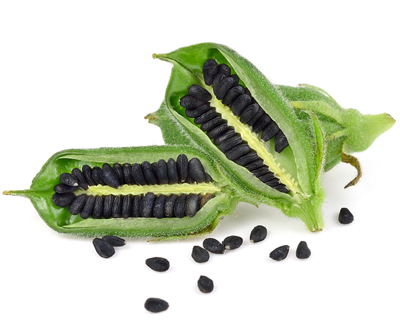
Sesame seeds are ancient oilseeds, the scientific name for sesame is Sesamum indicum. It is an annual plant in the family Pedaliaceae and is cultivated for its seeds, which are used for flavouring and oil.
Sesame seeds have a rich, nutty flavour, come in various colours, and are used in cuisines worldwide, from tahini and bread to pastries and savory dishes.
History and Origin
Sesame seeds originated in Africa and were first cultivated in the Indian subcontinent around 5,500 years ago, though their exact origin is debated. From there, cultivation spread to Mesopotamia, ancient Egypt, and then across Asia and Europe.
Used for millennia in cooking, medicine, and even for their oil, sesame's versatility made it a valuable and global crop.
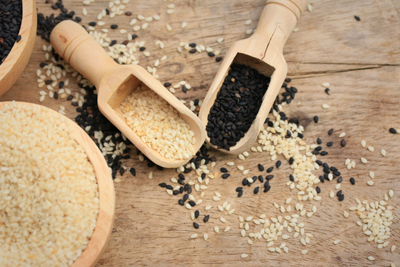
Australia primarily grows and sells black and white sesame seeds, with research and development focusing on both varieties. Both types are being trialled for commercial production, particularly in Queensland and the Northern Territory, where they are grown for products like oil, paste, and bakery goods.
Types of sesame seeds grown in Australia
- Black Sesame: A commercially viable crop is now being grown in Australia, with a first commercial crop harvested in Queensland.
- It is grown for oil, flavourings, and cosmetics.
- It is more drought-resistant than white sesame, making it well-suited for dry regions.
- White Sesame: White sesame seeds are also being grown in Australia, particularly in Northern Australia.
- New, shorter-season white varieties are showing promise for northern production, potentially allowing for a second crop in the same year.
- Cultivars like Edith and Giles are recommended for the Northern Territory, according to the Northern Territory Government.
- White sesame seeds are used for oil, tahini, and halva.
Other points
- Australia currently imports a large quantity of sesame seeds to meet growing domestic demand.
- There are ongoing efforts to increase local production to reduce reliance on imports.
- New "non-shattering" varieties are being trialled to make harvesting easier and more efficient.
Seeds ” Sesame Seed ” ( Nutritional value )
Nutritional Value per 100 g
Seeds, sesame seeds, whole, dried
|
Nutrient ( Proximate’s )
|
Unit
|
Value
|
Daily Value %
|
|
Energy
|
kcal
|
573
|
28.6%
|
|
Protein
|
g
|
17.73
|
35.4%
|
|
Total lipid (fat)
|
g
|
49.67
|
63.6%
|
|
Carbohydrate, by difference
|
g
|
23.45
|
8.5%
|
|
Fiber, total dietary
|
g
|
11.8
|
42.1%
|
|
Total Sugars
|
g
|
0.30
|
|
|
Minerals
|
|||
|
Calcium, Ca
|
mg
|
975
|
75%
|
|
Iron, Fe
|
mg
|
14.55
|
80.8%
|
|
Magnesium, Mg
|
mg
|
351
|
83.5%
|
|
Phosphorus, P
|
mg
|
629
|
50.3%
|
|
Potassium, K
|
mg
|
468
|
9.9%
|
|
Sodium, Na
|
mg
|
11
|
0.4%
|
|
Zinc, Zn
|
mg
|
7.75
|
70.4%
|
|
Copper, Cu
|
mg
|
4.082
|
453.5%
|
|
Manganese, Mn
|
mg
|
2.460
|
106.9%
|
|
Selenium, Se
|
mcg
|
34.4
|
62.5%
|
|
Vitamins
|
|||
|
Vitamin C, total ascorbic acid
|
mg
|
0.0
|
0.0
|
|
Thiamin (B-1)
|
mg
|
0.791
|
65.9%
|
|
Riboflavin (B-2)
|
mg
|
0.247
|
19%
|
|
Niacin (B-3)
|
mg
|
4.515
|
28.2%
|
|
Pantothenic acid (B-5)
|
mg
|
0.050
|
10%
|
| Vitamin (B-6) |
mg
|
0.790
|
46.4%
|
|
Folate (B-9)
|
mcg
|
97
|
24.2%
|
|
Vitamin (B-12)
|
mcg
|
0.00
|
|
|
Vitamin A, RAE
|
mcg
|
||
| Vitamin E (alpha-tocopherol) |
mg
|
0.0
|
|
|
Lipids
|
|||
|
Saturated Fatty Acids
|
g
|
6.957
|
34.7%
|
|
Monounsaturated Fatty Acids
|
g
|
18.759
|
|
|
Polyunsaturated Fatty Acids
|
g
|
21.773
|
|
|
Cholesterol
|
mg
|
0
|
|
|
Carotenoids
|
|||
|
Beta-Carotene
|
mcg
|
5
|
|
Reference Values are based on a 2,000 Calorie Intake, for Adults and Children 4 or More Years of Age. Your daily values may be higher or lower depending on your calorie needs.
Percentages are roughly approximated using (RDA) Recommended Dietary Allowances for adults. Source: USDA United States Department of Agriculture.
Reference Values for Nutrition – FDA U.S. Food and Drug Administration.
Sesame Seeds Nutritional Value
Sesame seeds offer numerous health benefits due to their rich content of protein, healthy fats, fiber, and minerals like calcium, iron, and magnesium. They can support heart health by helping to lower cholesterol and blood pressure, strengthen bones, and provide antioxidants that fight inflammation and oxidative stress.
They also support digestion, immune function, and hormonal balance.
SUPPORT BONE HEALTH
Sesame seeds support bone health due to their high content of calcium, magnesium, and other minerals, as well as beneficial compounds like lignans and sesamin. These nutrients help maintain bone density and aid in bone tissue growth and repair. To maximize absorption, methods like soaking, roasting, or sprouting the seeds can reduce antinutrients called oxalates and phytates.DIGESTIVE SUPPORT
Sesame seeds support digestive health primarily through their high fiber content, which aids regular bowel movements and prevents constipation. They also contain magnesium, which helps relax intestinal muscles, and are a source of bile-stimulating compounds that improve fat digestion. The fiber also feeds beneficial gut bacteria, contributing to overall gut health.STRONG ANTIOXIDANT PROPERTIES
Sesame seeds have strong antioxidant properties due to lignans like sesamin and sesamol, and tocols such as gamma-tocopherol, which help reduce oxidative stress and fight inflammation. These compounds work by scavenging free radicals, which may protect against chronic diseases like heart disease, certain cancers, and neurodegenerative diseases. Black sesame seeds are noted to have a slightly higher antioxidant capacity than white sesame seeds.NUTRIENT-RICH
Sesame seeds are nutrient-rich, packed with protein, healthy fats, fiber, and essential vitamins and minerals like calcium, iron, magnesium, and zinc. Their rich antioxidant content, particularly lignans and vitamin E, helps combat oxidative stress and inflammation, while minerals support bone health, immune function, and heart health.
BENEFIT HEART HEALTH
Sesame seeds benefit heart health by providing antioxidants, fiber, and healthy fats that help lower blood pressure and cholesterol. They contain compounds like lignans, magnesium, and sesamol, which reduce inflammation and may prevent plaque build-up in arteries, contributing to a healthier cardiovascular system.INFLAMMATION AND PAIN RELIEF
Sesame seeds can help with inflammation and pain relief due to their high content of antioxidants and anti-inflammatory compounds like sesamin and sesamol. Studies, particularly those on osteoarthritis and acute trauma, suggest that consuming sesame seeds or using sesame oil may reduce pain and inflammation. They work by combating oxidative stress, which contributes to inflammation, and potentially have analgesic properties.HORMONAL BALANCE
Sesame seeds may support hormonal balance due to their high content of lignans, which are phytoestrogens that can help regulate oestrogen levels. They are often included in seed cycling for the luteal phase of the menstrual cycle to support progesterone production and may help alleviate symptoms associated with low oestrogen, such as those experienced during menopause.SUPPORT IMMUNE FUNCTION
Sesame seeds support immune function because they are rich in essential nutrients like zinc, copper, and vitamin E, which are vital for immune cell development and function. Zinc is necessary for activating white blood cells, while copper helps in creating red blood cells and supporting the immune system. Vitamin E acts as an antioxidant, protecting cells from damage and helping the immune system fight bacteria and viruses.
References
Nutrient Database – USDA (United States Department of Agriculture)
Reference Values for Nutrition – FDA U.S. Food and Drug Administration
Benefit heart health - Sesame seeds benefit heart health by providing antioxidants, fiber, and healthy fats that help lower blood pressure and cholesterol. They contain compounds like lignans, magnesium, and sesamol, which reduce inflammation and may prevent plaque build-up in arteries, contributing to a healthier cardiovascular system.
Support bone health - Sesame seeds support bone health due to their high content of calcium, magnesium, and other minerals, as well as beneficial compounds like lignans and sesamin. These nutrients help maintain bone density and aid in bone tissue growth and repair. To maximize absorption, methods like soaking, roasting, or sprouting the seeds can reduce antinutrients called oxalates and phytates.
Strong antioxidant properties - Sesame seeds have strong antioxidant properties due to lignans like sesamin and sesamol, and tocols such as gamma-tocopherol, which help reduce oxidative stress and fight inflammation. These compounds work by scavenging free radicals, which may protect against chronic diseases like heart disease, certain cancers, and neurodegenerative diseases. Black sesame seeds are noted to have a slightly higher antioxidant capacity than white sesame seeds.
Nutrient-rich - Sesame seeds are nutrient-rich, packed with protein, healthy fats, fiber, and essential vitamins and minerals like calcium, iron, magnesium, and zinc. Their rich antioxidant content, particularly lignans and vitamin E, helps combat oxidative stress and inflammation, while minerals support bone health, immune function, and heart health.
Digestive support - Sesame seeds support digestive health primarily through their high fiber content, which aids regular bowel movements and prevents constipation. They also contain magnesium, which helps relax intestinal muscles, and are a source of bile-stimulating compounds that improve fat digestion. The fiber also feeds beneficial gut bacteria, contributing to overall gut health.
Inflammation and pain relief - Sesame seeds can help with inflammation and pain relief due to their high content of antioxidants and anti-inflammatory compounds like sesamin and sesamol. Studies, particularly those on osteoarthritis and acute trauma, suggest that consuming sesame seeds or using sesame oil may reduce pain and inflammation. They work by combating oxidative stress, which contributes to inflammation, and potentially have analgesic properties.
Hormonal balance - Sesame seeds may support hormonal balance due to their high content of lignans, which are phytoestrogens that can help regulate estrogen levels. They are often included in seed cycling for the luteal phase of the menstrual cycle to support progesterone production and may help alleviate symptoms associated with low estrogen, such as those experienced during menopause.
Support immune function - Sesame seeds support immune function because they are rich in essential nutrients like zinc, copper, and vitamin E, which are vital for immune cell development and function. Zinc is necessary for activating white blood cells, while copper helps in creating red blood cells and supporting the immune system. Vitamin E acts as an antioxidant, protecting cells from damage and helping the immune system fight bacteria and viruses.