




1. Safflower Seed Facts
2. Types of Safflower Seeds
3. Safflower Seed Nutritional Value
4. Safflower Seed Health Benefits
Safflower seeds offer health benefits, including cardiovascular support from healthy fats and antioxidants, bone health promotion, and skin improvement through topical application or as a dietary supplement. The seeds and their oil may also help manage blood sugar and reduce inflammation.
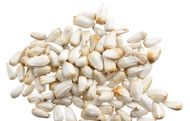
The scientific name for safflower is Carthamus tinctorius. It is an annual plant from the Asteraceae family, often cultivated for a source of oil and have been used for centuries as a dye, though their primary use today is for edible and industrial oils and for birdseed.
They are rich in minerals like magnesium, phosphorus, and iron, as well as vitamins B1 and B5. While safflower oil may help with high cholesterol, consuming too much omega-6 from safflower oil without enough omega-3s can lead to an unhealthy imbalance.
History and Origin
Safflower seeds originated in the Fertile Crescent around 4,000 years ago, with archaeological evidence showing its use in ancient Egypt for dyes on textiles and in pharaohs' tombs.
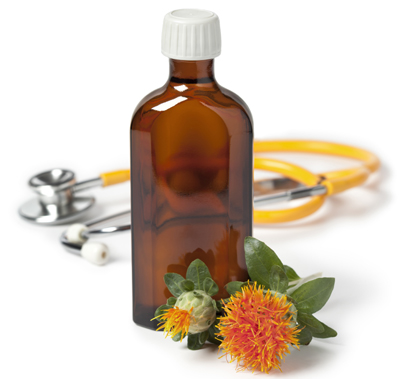
Historically, it was cultivated primarily for the red and yellow dyes from its flowers, used for colouring fabrics and food, and also for its medicinal properties.
Modern uses of the seeds include the extraction of high-quality edible and industrial oils, birdseed, and as a source for biofuels.
Safflower grown in Australia consists of two main types, differentiated by their fatty acid profiles: oleic-high varieties for heat-stable cooking oils and cosmetics, and linoleic-high varieties for edible oils like salad dressings.
Another type, high-oleic GM safflower, was developed in Australia and is used in industrial applications, with its oil also approved for human consumption. Common varieties include the dual-purpose linoleic oil/birdseed cultivar Sironaria, which was developed in Australia, and various imported oleic and linoleic varieties.
Types of safflower seeds
- Oleic-high: These varieties are high in oleic acid, a monounsaturated fatty acid. They are used for heat-stable cooking oils, cosmetics, and some food formulations.
- Linoleic-high: These varieties are high in linoleic acid, a polyunsaturated fatty acid. They are used for products like salad dressings and soft margarines.
- High-oleic GM safflower: This genetically modified type was developed in Australia to produce high levels of oleic acid for industrial uses like plastics and lubricants, but its oil is also approved for human consumption.
Examples of varieties
- Sironaria: An older, widely grown Australian variety that is dual-purpose, used for both birdseed and linoleic oil production. It is resistant to Alternaria carthami but has lower oil content than newer cultivars.
- Saffola 517 and Saffola 555: Varieties imported from the United States, with Saffola 517 being an oleic type and Saffola 555 a linoleic type.
Safflower Seed ” ( Nutritional value )
Nutritional Value per 100 g
Seeds, safflower seed kernels, dried
|
Nutrient ( Proximate’s )
|
Unit
|
Value
|
Daily Value %
|
|
Energy
|
kcal
|
517
|
25.8%
|
|
Protein
|
g
|
16.18
|
32.3%
|
|
Total lipid (fat)
|
g
|
38.45
|
49.2%
|
|
Carbohydrate, by difference
|
g
|
34.29
|
12.4%
|
|
Minerals
|
|||
|
Calcium, Ca
|
mg
|
78
|
6%
|
|
Iron, Fe
|
mg
|
4.90
|
27.2%
|
|
Magnesium, Mg
|
mg
|
353
|
84%
|
|
Phosphorus, P
|
mg
|
644
|
51.5%
|
|
Potassium, K
|
mg
|
687
|
14.6%
|
|
Sodium, Na
|
mg
|
3
|
0.1%
|
|
Zinc, Zn
|
mg
|
5.05
|
45.9%
|
|
Copper, Cu
|
mg
|
1.747
|
192.1%
|
|
Manganese, Mn
|
mg
|
2.014
|
87.5%
|
|
Vitamins
|
|||
|
Vitamin C, total ascorbic acid
|
mg
|
0.0
|
|
|
Thiamin (B-1)
|
mg
|
1.163
|
96.9%
|
|
Riboflavin (B-2)
|
mg
|
0.415
|
31.9%
|
|
Niacin (B-3)
|
mg
|
2.284
|
14.2%
|
|
Pantothenic acid (B-5)
|
mg
|
||
| Vitamin B-6 | mg | ||
|
Folate (B-9)
|
mcg |
160
|
40%
|
|
Vitamin (B-12)
|
mcg
|
0.00
|
|
|
Vitamin A, RAE
|
mcg
|
||
|
Vitamin D (D2 + D3)
|
mcg
|
0.0
|
|
|
Vitamin D
|
mcg
|
0
|
|
|
Lipids
|
|||
|
Saturated Fatty Acids
|
g
|
3.682
|
18.4%
|
|
Monounsaturated Fatty Acids
|
g
|
4.848
|
|
|
Polyunsaturated Fatty Acids
|
g
|
28.223
|
|
|
Cholesterol
|
mg
|
0
|
|

Reference Values are based on a 2,000 Calorie Intake, for Adults and Children 4 or More Years of Age. Your daily values may be higher or lower depending on your calorie needs.
Percentages are roughly approximated using (RDA) Recommended Dietary Allowances for adults. Source: USDA United States Department of Agriculture.
Reference Values for Nutrition – FDA U.S. Food and Drug Administration.
Safflower Seeds Nutritional Value
Safflower seeds offer health benefits, including cardiovascular support from healthy fats and antioxidants, bone health promotion, and skin improvement through topical application or as a dietary supplement. The seeds and their oil may also help manage blood sugar and reduce inflammation.
SUPPORT BONE HEALTH
Safflower seeds can support bone health by promoting bone formation and protecting against bone loss, particularly in models of oestrogen deficiency like osteoporosis. They contain compounds like polyphenols, flavonoids, lignans, and serotonin derivatives that stimulate bone-building cells (osteoblasts) and contain minerals such as calcium, potassium, and phosphorus. Research indicates that safflower seed extracts can improve bone mineral density and strength, partly by accelerating the rate of osteoblast differentiation and mineral deposition.LAXATIVE EFFECT
The flower and seeds of safflower exhibit laxative effects, while its seed oil is utilized for conditions such as rheumatism and paralysis (Razi, 2000). Additionally, safflower facilitates the absorption of therapeutic agents by target tissues and promotes tissue contraction.BENEFITS SKIN HEALTH
Safflower oil benefits skin health by moisturizing, improving the skin's barrier function, and soothing irritation due to its high content of linoleic acid (O𝑚𝑒𝑔𝑎-6) and other nutrients like vitamin E. It helps reduce dryness and symptoms of conditions like eczema and psoriasis, and its antioxidants may also protect against sun damage and aging.BLOOD SUGAR MANAGEMENT
Safflower may help manage blood sugar through its potential to improve glucose control, as suggested by studies on both safflower oil and extracts. The benefits may be due to safflower's anti-inflammatory and antioxidant effects, its role in reducing insulin resistance, and the presence of unsaturated fats, especially linoleic acid. However, more research is needed, and it is crucial to consult a healthcare provider before using safflower for blood sugar management, as it may augment existing diabetes treatments.
ANTI-INFLAMMATORY EFFECTS
Safflower seeds and their extracts possess anti-inflammatory effects due to compounds like safflower yellow and serotonin derivatives. These compounds work by suppressing inflammatory markers and pathways, such as NF-κB and pro-inflammatory cytokines like TNF-α and IL-6, while also upregulating beneficial pathways. This anti-inflammatory action contributes to their potential benefits for conditions like heart disease, diabetes, and skin issues.BENEFIT CARDIOVASCULAR HEALTH
Safflower seeds and their oil can benefit cardiovascular health by providing unsaturated fats that help lower "bad" LDL cholesterol and may reduce the risk of blood clots. Additionally, compounds like safflower yellow may have antioxidant and anti-inflammatory effects, help relax blood vessels, and reduce blood pressureIMPROVES INSULIN SENSITIVITY
Safflower seeds, particularly safflower oil and its extracts, may improve insulin sensitivity and blood sugar levels. Studies on mice and humans have shown that consuming safflower products can lead to reduced fasting blood glucose, improved insulin resistance, and lower HbA1c levels. The proposed mechanisms include increased expression of the PPAR-γ2 gene and antioxidant effects.ANTIOXIDANT PROPERTIES
Safflower seeds have antioxidant properties primarily due to their high concentration of phenolic compounds, such as flavonoids, and other compounds like tocopherols, phytosterols, and serotonin derivatives. These antioxidants help protect the body from oxidative damage caused by free radicals by preventing or delaying damage to proteins and nucleic acids. This makes safflower seed oil a valuable functional food ingredient with various health benefits.
References
Nutrient Database – USDA (United States Department of Agriculture)
Reference Values for Nutrition – FDA U.S. Food and Drug Administration
Benefit cardiovascular health - Safflower seeds and their oil can benefit cardiovascular health by providing unsaturated fats that help lower "bad" LDL cholesterol and may reduce the risk of blood clots. Additionally, compounds like safflower yellow may have antioxidant and anti-inflammatory effects, help relax blood vessels, and reduce blood pressure.
Bone health - Safflower seeds can support bone health by promoting bone formation and protecting against bone loss, particularly in models of estrogen deficiency like osteoporosis. They contain compounds like polyphenols, flavonoids, lignans, and serotonin derivatives that stimulate bone-building cells (osteoblasts) and contain minerals such as calcium, potassium, and phosphorus. Research indicates that safflower seed extracts can improve bone mineral density and strength, partly by accelerating the rate of osteoblast differentiation and mineral deposition.
Blood sugar management - Safflower may help manage blood sugar through its potential to improve glucose control, as suggested by studies on both safflower oil and extracts. The benefits may be due to safflower's anti-inflammatory and antioxidant effects, its role in reducing insulin resistance, and the presence of unsaturated fats, especially linoleic acid. However, more research is needed, and it is crucial to consult a healthcare provider before using safflower for blood sugar management, as it may augment existing diabetes treatments.
Improves insulin sensitivity - Safflower seeds, particularly safflower oil and its extracts, may improve insulin sensitivity and blood sugar levels. Studies on mice and humans have shown that consuming safflower products can lead to reduced fasting blood glucose, improved insulin resistance, and lower HbA1c levels. The proposed mechanisms include increased expression of the PPAR-γ2 gene and antioxidant effects.
Anti-inflammatory effects - Safflower seeds and their extracts possess anti-inflammatory effects due to compounds like safflower yellow and serotonin derivatives. These compounds work by suppressing inflammatory markers and pathways, such as NF-κB and pro-inflammatory cytokines like TNF-α and IL-6, while also upregulating beneficial pathways. This anti-inflammatory action contributes to their potential benefits for conditions like heart disease, diabetes, and skin issues.
Skin health - Safflower oil benefits skin health by moisturizing, improving the skin's barrier function, and soothing irritation due to its high content of linoleic acid (O𝑚𝑒𝑔𝑎-6) and other nutrients like vitamin E. It helps reduce dryness and symptoms of conditions like eczema and psoriasis, and its antioxidants may also protect against sun damage and aging.
Antioxidant properties - Safflower seeds have antioxidant properties primarily due to their high concentration of phenolic compounds, such as flavonoids, and other compounds like tocopherols, phytosterols, and serotonin derivatives. These antioxidants help protect the body from oxidative damage caused by free radicals by preventing or delaying damage to proteins and nucleic acids. This makes safflower seed oil a valuable functional food ingredient with various health benefits.
Laxative effect - The flower and seeds of safflower exhibit laxative effects, while its seed oil is utilized for conditions such as rheumatism and paralysis (Razi, 2000). Additionally, safflower facilitates the absorption of therapeutic agents by target tissues and promotes tissue contraction.