




1. Chickpea Facts
2. Types of Chickpeas
3. Chickpea Nutritional Value
4. Chickpea Health Benefits
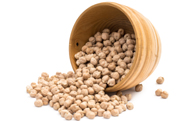
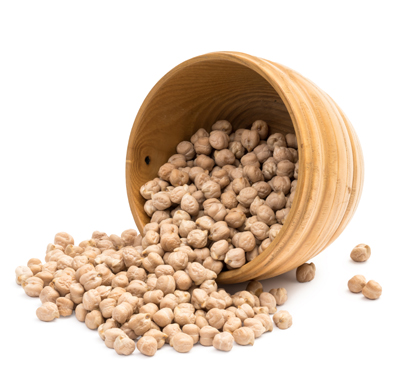
Chickpeas (garbanzo beans) are a highly nutritious, versatile legume belonging to the Fabaceae family, offering a mild, nutty flavour and creamy texture.
They are a staple in many diets worldwide, particularly in India, the Middle East, and the Mediterranean.
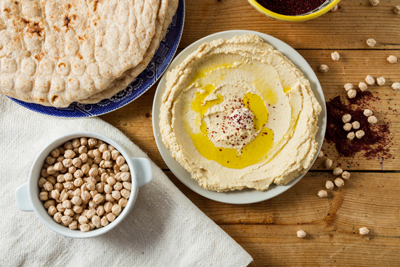
Chickpeas are one of the earliest cultivated plants and are used in many dishes, from hummus and falafel to salads and soups.
History and Origin
Chickpeas (Cicer arietinum) originated in the Fertile Crescent, specifically in the upper reaches of Mesopotamia in southeastern Turkey and neighbouring Syria, where they were domesticated approximately 10,000 to 12,000 years ago.
They are recognized as one of the "founder crops" of the Neolithic Revolution, domesticated alongside wheat, barley, and lentils.
The two common types of chickpeas grown and sold in Australia are desi and kabuli, differentiated by seed size, shape, and colour. Desi chickpeas are smaller, darker, and often used for split products like dhal, while the larger, lighter-coloured kabuli type is typically sold whole or canned, often called a garbanzo bean.
Types of chickpeas
- Desi chickpeas
- Appearance: Small and dark coloured.
- Common use: Primarily used for processing into products like "dhal," where the chickpea is split and polished.
- Market: Often exported.
- Kabuli chickpeas
- Appearance: Larger and lighter in colour.
- Common use: Typically sold as whole, canned chickpeas in supermarkets, and are also known as garbanzo beans.
- Market: Commonly sold whole.
Other information
- Both types are grown in several Australian states, with New South Wales and Queensland being major producers.
- Chickpea varieties are also being developed with improved traits, such as better disease resistance and harvestability, such as CBA Spin PBR and CBA Captain PBR.
Legumes ” Chickpeas ” ( Nutritional value )
Nutritional Value per 100 g
Chickpeas (garbanzo beans, bengal gram), mature seeds, cooked, boiled, with salt
|
Nutrient ( Proximate’s )
|
Unit
|
Value
|
Daily Value %
|
|
Energy
|
kcal
|
164
|
8.2%
|
|
Protein
|
g
|
8.86
|
17.7%
|
|
Total lipid (fat)
|
g
|
2.59
|
3.3%
|
|
Carbohydrate, by difference
|
g
|
27.42
|
9.9%
|
|
Fiber, total dietary
|
g
|
7.6
|
27.1%
|
|
Total Sugars
|
g
|
4.80
|
|
|
Minerals
|
|||
|
Calcium, Ca
|
mg
|
49
|
3.7%
|
|
Iron, Fe
|
mg
|
2.89
|
16%
|
|
Magnesium, Mg
|
mg
|
48
|
11.4%
|
|
Phosphorus, P
|
mg
|
168
|
13.4%
|
|
Potassium, K
|
mg
|
291
|
6.1%
|
|
Sodium, Na
|
mg
|
243
|
10.5%
|
|
Zinc, Zn
|
mg
|
1.53
|
13.9%
|
|
Copper, Cu
|
mg
|
0.352
|
39.1%
|
|
Manganese, Mn
|
mg
|
1.030
|
44.7%
|
|
Selenium, Se
|
mcg
|
3.7
|
6.7%
|
|
Vitamins
|
|||
|
Vitamin C, total ascorbic acid
|
mg
|
1.3
|
1.4%
|
|
Thiamin (B-1)
|
mg
|
0.116
|
9.6%
|
|
Riboflavin (B-2)
|
mg
|
0.063
|
4.8%
|
|
Niacin (B-3)
|
mg
|
0.526
|
3.2%
|
|
Pantothenic acid (B-5)
|
mg
|
0.286
|
5.7%
|
|
Vitamin (B-6)
|
mg
|
0.139
|
8.1%
|
|
Folate (B-9)
|
µg
|
172
|
43%
|
|
Choline
|
mg
|
42.8
|
7.7% |
|
Vitamin (B-12)
|
mcg
|
0.00
|
|
|
Vitamin A, RAE
|
mcg
|
||
|
Vitamin E (alpha-tocopherol)
|
mg
|
0.35
|
2.3%
|
|
Vitamin D (D2 + D3)
|
mcg
|
0
|
|
|
Vitamin K (phylloquinone)
|
mcg
|
4.0
|
3.3%
|
|
Lipids
|
|||
|
Saturated Fatty Acids
|
g
|
0.269
|
1.3%
|
|
Monounsaturated Fatty Acids
|
g
|
0.583
|
|
|
Polyunsaturated Fatty Acids
|
g
|
1.156
|
|
|
Trans Fatty Acids
|
g
|
0.000
|
|
|
Cholesterol
|
mg
|
0
|
|
Reference Values are based on a 2,000 Calorie Intake, for Adults and Children 4 or More Years of Age. Your daily values may be higher or lower depending on your calorie needs.
Percentages are roughly approximated using (RDA) Recommended Dietary Allowances for adults. Source: USDA United States Department of Agriculture.
Reference Values for Nutrition – FDA U.S. Food and Drug Administration.
Chickpeas Nutritional Value
Chickpeas offer numerous health benefits, including supporting heart and gut health, aiding blood sugar control, and assisting with weight management due to their high fiber, protein, and nutrient content.
They are rich in vitamins and minerals like folate, iron, magnesium, and zinc, which contribute to bone strength, immune function, and energy levels.
RICH IN ESSENTIAL NUTRIENTS
Chickpeas are rich in essential nutrients, including protein, dietary fiber, and vitamins like folate, thiamin, and vitamin B6. They are also a great source of minerals such as iron, magnesium, phosphorus, and zinc. This nutrient density makes them a healthy and filling food, beneficial for vegetarians, vegans, and overall health.REGULATES BLOOD SUGAR
Chickpeas help regulate blood sugar due to their low glycaemic index (GI), high fiber, and high protein content, which slow digestion and glucose absorption, preventing sharp blood sugar spikes. This makes them a beneficial food for managing blood sugar and can help with conditions like diabetes.STRENGTHENS IMMUNE SYSTEM
Chickpeas provide essential nutrients like zinc, which regulates immune responses, and protein, which builds and repairs immune cells. They also support immune function through prebiotic fiber that promotes healthy gut bacteria and antioxidants that protect cells from damage.FEEDS GOOD GUT BACTERIA
Chickpeas feed good gut bacteria due to their high content of dietary fiber and resistant starch, which act as prebiotics. This fiber is fermented by beneficial microbes in the gut, leading to the production of short-chain fatty acids (SCFAs) like butyrate and propionate, which are crucial for gut health. This process promotes the growth of beneficial bacteria and helps maintain a healthy gut microbiome.
SUPPORT CARDIOVASCULAR HEALTH
Chickpeas support cardiovascular health by helping to lower blood cholesterol, blood pressure, and the risk of coronary heart disease. This is due to their high fiber, potassium, and magnesium content, as well as other antioxidants and essential nutrients.SUPPORTS BRAIN FUNCTION
Chickpeas support brain function by providing complex carbohydrates for steady energy, and nutrients like magnesium, folate, and tryptophan which aid in message transmission, blood flow, mood regulation, and the production of sleep-regulating hormones. These nutrients help maintain overall neurological health and can support cognitive function.IMPROVES DIGESTION
Chickpeas improve digestion by providing dietary fiber and protein, which promote regular bowel movements, support a healthy gut microbiome, and aid in the production of beneficial short-chain fatty acids. The high fiber content, particularly soluble fiber, adds bulk to stool, while protein contributes to a diverse gut population that ferments undigested protein for nourishment.WEIGHT MANAGEMENT
Chickpeas can support weight loss due to their high content of protein and fiber, which promotes fullness and can lead to reduced calorie intake. Incorporating them into a balanced diet can help you feel fuller longer, manage appetite, and potentially lead to weight loss, especially when replacing less-healthy options.
References
Nutrient Database – USDA (United States Department of Agriculture)
Reference Values for Nutrition – FDA U.S. Food and Drug Administration
Support cardiovascular health - Chickpeas support cardiovascular health by helping to lower blood cholesterol, blood pressure, and the risk of coronary heart disease. This is due to their high fiber, potassium, and magnesium content, as well as other antioxidants and essential nutrients.
Regulates blood sugar - Chickpeas help regulate blood sugar due to their low glycaemic index (GI), high fiber, and high protein content, which slow digestion and glucose absorption, preventing sharp blood sugar spikes. This makes them a beneficial food for managing blood sugar and can help with conditions like diabetes.
Improves digestion - Chickpeas improve digestion by providing dietary fiber and protein, which promote regular bowel movements, support a healthy gut microbiome, and aid in the production of beneficial short-chain fatty acids. The high fiber content, particularly soluble fiber, adds bulk to stool, while protein contributes to a diverse gut population that ferments undigested protein for nourishment.
Feeds good gut bacteria - Chickpeas feed good gut bacteria due to their high content of dietary fiber and resistant starch, which act as prebiotics. This fiber is fermented by beneficial microbes in the gut, leading to the production of short-chain fatty acids (SCFAs) like butyrate and propionate, which are crucial for gut health. This process promotes the growth of beneficial bacteria and helps maintain a healthy gut microbiome.
Weight management - Chickpeas can support weight loss due to their high content of protein and fiber, which promotes fullness and can lead to reduced calorie intake. Incorporating them into a balanced diet can help you feel fuller longer, manage appetite, and potentially lead to weight loss, especially when replacing less-healthy options.
Rich in essential nutrients - Chickpeas are rich in essential nutrients, including protein, dietary fiber, and vitamins like folate, thiamin, and vitamin B6. They are also a great source of minerals such as iron, magnesium, phosphorus, and zinc. This nutrient density makes them a healthy and filling food, beneficial for vegetarians, vegans, and overall health.
Supports brain function - Chickpeas support brain function by providing complex carbohydrates for steady energy, and nutrients like magnesium, folate, and tryptophan which aid in message transmission, blood flow, mood regulation, and the production of sleep-regulating hormones. These nutrients help maintain overall neurological health and can support cognitive function.
Strengthens immune system - Chickpeas strengthen the immune system by providing essential nutrients like zinc, which regulates immune responses, and protein, which builds and repairs immune cells. They also support immune function through prebiotic fiber that promotes healthy gut bacteria and antioxidants that protect cells from damage.