



1. Kidney Bean Facts
2. Types of Kidney Beans
3. Kidney Bean Nutritional Value
4. Kidney Bean Health Benefits
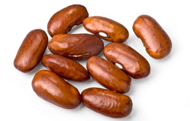
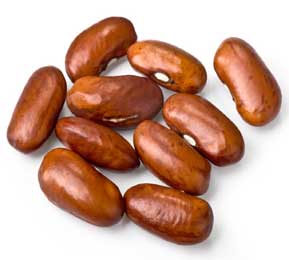
Kidney beans (Phaseolus vulgaris) are a variety of the common bean, native to Central and South America, and are named for their distinct kidney-like shape and characteristic dark red colour.
They are a nutritious and versatile legume, popular in dishes like chili con carne, Indian rajma and salads. They are a good source of fiber, protein, folate, and iron, but must always be cooked thoroughly before consumption as raw or undercooked beans are toxic.
History and Origin
Kidney beans (Phaseolus vulgaris) originated in Peru and were domesticated in South and Central America before being brought to Europe by Spanish explorers in the late 15th to 16th century.
They spread widely, replacing older European legume varieties due to their adaptability, becoming a major part of the Columbian Exchange.
Kidney beans (Phaseolus vulgaris) are a globally cultivated, high-protein staple, with India leading as the largest producer, often yielding over 6 million tonnes annually. They are widely consumed for their high nutritional value, featuring in diverse cuisines ranging from Indian rajma to Latin American dishes.
- • Dark Red Kidney Beans
- • White Kidney Beans (Cannellini Beans)
- • Light Speckled Kidney Beans
- • Red Speckled Kidney Beans
While Australia grows and sells various beans, the most common kidney beans found are imported, particularly dark red kidney beans. However, some Australian suppliers do grow and sell them, with both red and white (cannellini) kidney beans available.
Other beans like faba, mung, adzuki, and navy are also grown in Australia.
Common kidney bean types available in Australia
- Dark Red Kidney Beans: These are the most common type, with many sold in Australian stores being imported from North America. They are a staple in many global cuisines and are rich in protein and fiber.
- White Kidney Beans (Cannellini Beans): These are also available in Australia and have a softer texture, making them suitable for dips, salads, and sauces.
- Light Speckled Kidney Beans: These are another type of kidney bean that can be found, available in both long and regular shapes.
- Red Speckled Kidney Beans: Similar to the light speckled variety, these also come in long and regular shapes.
Legumes ” Kidney Bean ” ( Nutritional value )
Nutritional Value per 100 g
Beans, kidney, all types, mature seeds, cooked, boiled, with salt
|
Nutrient ( Proximate’s )
|
Unit
|
Value
|
Daily Value %
|
|
Energy
|
kcal
|
127
|
6.3%
|
|
Protein
|
g
|
8.67
|
17.3%
|
|
Total lipid (fat)
|
g
|
0.50
|
0.6%
|
|
Carbohydrate, by difference
|
g
|
22.80
|
8.2%
|
|
Fiber, total dietary
|
g
|
6.4
|
22.8%
|
|
Total Sugars
|
g
|
0.32
|
|
|
Minerals
|
|||
|
Calcium, Ca
|
mg
|
28
|
2.1%
|
|
Iron, Fe
|
mg
|
2.94
|
16.3%
|
|
Magnesium, Mg
|
mg
|
45
|
10.7%
|
|
Phosphorus, P
|
mg
|
142
|
11.3%
|
|
Potassium, K
|
mg
|
403
|
8.5%
|
|
Sodium, Na
|
mg
|
238
|
10.3%
|
|
Zinc, Zn
|
mg
|
||
|
Copper, Cu
|
mg
|
0.242
|
26.8%
|
|
Manganese, Mn
|
mg
|
0.477
|
20.7%
|
|
Selenium, Se
|
mcg
|
1.2
|
2.1%
|
|
Vitamins
|
|||
|
Vitamin C, total ascorbic acid
|
mg
|
1.2
|
1.3%
|
|
Thiamin (B-1)
|
mg
|
0.160
|
13.3%
|
|
Riboflavin (B-2)
|
mg
|
0.058
|
4.4%
|
|
Niacin (B-3)
|
mg
|
0.578
|
3.6%
|
|
Pantothenic acid (B-5)
|
mg
|
0.220
|
4.4%
|
|
Vitamin (B-6)
|
mg
|
0.120
|
7%
|
|
Folate (B-9)
|
mcg
|
130
|
32.5%
|
|
Vitamin (B-12)
|
mcg
|
0.00
|
|
|
Vitamin A, RAE
|
mcg
|
0
|
|
|
Vitamin E (alpha-tocopherol)
|
mg
|
0.87
|
5.8%
|
|
Vitamin D (D2 + D3)
|
mcg
|
0
|
|
|
Vitamin K (phylloquinone)
|
mcg
|
3.3
|
2.7%
|
|
Lipids
|
|||
|
Saturated Fatty Acids
|
g
|
0.072
|
0.3%
|
|
Monounsaturated Fatty Acids
|
g
|
0.039
|
|
|
Polyunsaturated Fatty Acids
|
g
|
0.275
|
|
|
Trans Fatty Acids
|
g
|
0.000
|
|
|
Cholesterol
|
mg
|
0
|
|
|
Carotenoids
|
|||
|
Beta-Carotene
|
mcg
|
0
|
|
Reference Values are based on a 2,000 Calorie Intake, for Adults and Children 4 or More Years of Age. Your daily values may be higher or lower depending on your calorie needs.
Percentages are roughly approximated using (RDA) Recommended Dietary Allowances for adults. Source: USDA United States Department of Agriculture.
Reference Values for Nutrition – FDA U.S. Food and Drug Administration.
Kidney Beans Nutritional Value
Kidney beans provide numerous health benefits due to their rich content of protein, fiber, vitamins, minerals, and antioxidants. They support heart health by lowering blood pressure and cholesterol, aid in weight management by promoting fullness, and help regulate blood sugar levels.
Other benefits include improved digestive health, essential nutrients for pregnant individuals like folate, and immune-boosting properties.
EXCELLENT PLANT-BASED PROTEIN SOURCE
Kidney beans are an excellent plant-based protein source, offering nearly 9 grams of protein per 100g serving, along with high levels of dietary fiber, iron, folate, and other vitamins and minerals. They are a healthy, affordable, and versatile protein alternative, especially when used in place of meat to help manage cholesterol, blood sugar, and blood pressure, and they are especially beneficial during pregnancy due to their folate content.BOOSTS IMMUNITY
Kidney beans can boost immunity because they are rich in nutrients like iron, zinc, and prebiotics that support immune function. The iron is vital for white blood cell production, zinc helps activate immune cells, and the prebiotic fiber feeds beneficial gut bacteria, which are linked to a healthy immune system.RICH IN ANTIOXIDANTS
Kidney beans are rich in antioxidants, particularly in the form of anthocyanins, which give them their red colour and help protect against cell damage from free radicals. These antioxidants are linked to a reduced risk of chronic diseases like heart disease and cancer, and they also contribute to other health benefits like improved digestive health due to their high fiber content.SUPPORTS CARDIOVASCULAR HEALTH
Kidney beans support cardiovascular health by providing fiber, potassium, and antioxidants that help lower blood pressure and "bad" cholesterol. Their low glycaemic index and high fiber content also help manage blood sugar, and their plant-based protein can help lower overall cardiovascular risk.SUPPORT WEIGHT MANAGEMENT
Kidney beans have high fiber and protein content, which promote fullness and reduce calorie intake. Additionally, white kidney beans contain a natural compound called phaseolamin, which can inhibit the alpha-amylase enzyme, potentially reducing the body's ability to absorb and convert carbohydrates into sugar. These properties make kidney beans a beneficial food for weight loss when properly cooked and as part of a healthy diet.
FOLATE FOR PREGNANCY
Kidney beans are a good source of folate, which is crucial during pregnancy to help prevent neural tube defects like spina bifida. One cup of cooked kidney beans provides about 131 mcg of folate, but it is still recommended to take a daily folic acid supplement of at least 400 micrograms (µg) starting one month before conception and continuing through the first three months of pregnancy to ensure adequate intake.RICH IN VITAMINS AND MINERALS
Kidney beans are rich in vitamins and minerals, most notably folate, iron, copper, and manganese. They are also a good source of thiamin, potassium, phosphorus, magnesium, and zinc, along with dietary fiber and protein.IMPROVES SKIN HEALTH
Kidney beans improve skin health because they are rich in antioxidants (like anthocyanins, vitamin E, and polyphenols) that protect against oxidative stress, promote skin smoothness and moisture, and reduce wrinkles. They also contain beneficial nutrients like zinc for reducing inflammation, and biotin, a B vitamin essential for healthy skin.BLOOD SUGAR CONTROL
Kidney beans help control blood sugar because they are low on the glycaemic index, meaning they release energy slowly. Their high fiber and protein content also slows the absorption of sugar into the bloodstream, preventing sharp spikes in blood glucose levels. Consuming kidney beans can also improve overall blood sugar management and may reduce the risk of developing type 2 diabetes.SUPPORT DIGESTIVE HEALTH
Kidney beans support digestive health primarily through their high fiber content, which promotes regular bowel movements and prevents constipation. They also act as prebiotics, feeding beneficial gut bacteria that contribute to a healthy gut microbiome and can help lower the risk of digestive disorders like IBS. To avoid digestive discomfort like gas, increase your intake gradually, stay hydrated, and ensure you thoroughly cook dried beans, as they can cause stomach upset if eaten raw or undercooked.
References
Nutrient Database – USDA (United States Department of Agriculture)
Reference Values for Nutrition – FDA U.S. Food and Drug Administration
Supports cardiovascular Health - Kidney beans support cardiovascular health by providing fiber, potassium, and antioxidants that help lower blood pressure and "bad" cholesterol. Their low glycaemic index and high fiber content also help manage blood sugar, and their plant-based protein can help lower overall cardiovascular risk.
Support weight Management - Kidney beans support weight management through their high fiber and protein content, which promote fullness and reduce calorie intake. Additionally, white kidney beans contain a natural compound called phaseolamin, which can inhibit the alpha-amylase enzyme, potentially reducing the body's ability to absorb and convert carbohydrates into sugar. These properties make kidney beans a beneficial food for weight loss when properly cooked and as part of a healthy diet.
Blood Sugar Control - Kidney beans help control blood sugar because they are low on the glycaemic index, meaning they release energy slowly. Their high fiber and protein content also slows the absorption of sugar into the bloodstream, preventing sharp spikes in blood glucose levels. Consuming kidney beans can also improve overall blood sugar management and may reduce the risk of developing type 2 diabetes.
Support digestive Health - Kidney beans support digestive health primarily through their high fiber content, which promotes regular bowel movements and prevents constipation. They also act as prebiotics, feeding beneficial gut bacteria that contribute to a healthy gut microbiome and can help lower the risk of digestive disorders like IBS. To avoid digestive discomfort like gas, increase your intake gradually, stay hydrated, and ensure you thoroughly cook dried beans, as they can cause stomach upset if eaten raw or undercooked.
Excellent plant-based protein source - Kidney beans are an excellent plant-based protein source, offering nearly 9 grams of protein per 100g serving, along with high levels of dietary fiber, iron, folate, and other vitamins and minerals. They are a healthy, affordable, and versatile protein alternative, especially when used in place of meat to help manage cholesterol, blood sugar, and blood pressure, and they are especially beneficial during pregnancy due to their folate content.
Rich in vitamins and minerals - Kidney beans are rich in vitamins and minerals, most notably folate, iron, copper, and manganese. They are also a good source of thiamin, potassium, phosphorus, magnesium, and zinc, along with dietary fiber and protein.
Folate for pregnancy - Kidney beans are a good source of folate, which is crucial during pregnancy to help prevent neural tube defects like spina bifida. One cup of cooked kidney beans provides about 131 mcg of folate, but it is still recommended to take a daily folic acid supplement of at least 400 micrograms (µg) starting one month before conception and continuing through the first three months of pregnancy to ensure adequate intake.
Boosts immunity - Kidney beans can boost immunity because they are rich in nutrients like iron, zinc, and prebiotics that support immune function. The iron is vital for white blood cell production, zinc helps activate immune cells, and the prebiotic fiber feeds beneficial gut bacteria, which are linked to a healthy immune system.
Rich in antioxidants - Kidney beans are rich in antioxidants, particularly in the form of anthocyanins, which give them their red colour and help protect against cell damage from free radicals. These antioxidants are linked to a reduced risk of chronic diseases like heart disease and cancer, and they also contribute to other health benefits like improved digestive health due to their high fiber content.
Improves skin health - Kidney beans improve skin health because they are rich in antioxidants (like anthocyanins, vitamin E, and polyphenols) that protect against oxidative stress, promote skin smoothness and moisture, and reduce wrinkles. They also contain beneficial nutrients like zinc for reducing inflammation, and biotin, a B vitamin essential for healthy skin.