

1. Lima Bean Facts
2. Types of Lima Beans
3. Lima Bean Nutritional Value
4. Lima Bean Health Benefits
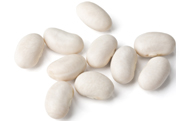
Lima beans (Phaseolus lunatus), often called butter beans, are large, flat, kidney-shaped legumes known for a creamy texture and mild, buttery flavour.
They are a versatile ingredient used in various dishes like soups, stews, and casseroles, and are available fresh, dried, or frozen.
History and Origin
Lima beans (Phaseolus lunatus) are a remarkable example of parallel plant domestication, having been domesticated independently in two distinct regions of the Americas—the Andes and Mesoamerica—from separate wild gene pools.
While cultivation in South America is among the oldest in the region, dating back as far as roughly 6,000 BCE in Peru, the domestication events produced distinct types that later converged.
The Mesoamerican varieties (Sieva type) were smaller seeded, while the Andean varieties (Lima type) produced larger seeds. Cultivation spread throughout the Americas, reaching Europe in the 1500s.
- • Bush lima beans (Phaseolus lunatus):
- • Early Thorogreen (or Baby Thorogreen)
- • Fordhook 242 lima bean (Phaseolus lunatus)
- • Madagascar
- • Christmas Lima
- • Red Lima
In Australia, common types of lima beans include Bush Lima and Climbing Lima varieties like Baby Thorogreen and Madagascar (also known as Civil War or Christmas Lima).
Other less common varieties mentioned include Red Lima, and while not a true lima, similar beans like Great Northern Beans are also sold. These beans are available both as fresh, young pods and as mature, dried beans.
Common types of lima beans
- Bush lima beans (Phaseolus lunatus): Are compact, 1–3 foot tall, high-yielding, and easy-to-grow annuals that do not require trellising. Ideal for small spaces, these heat-loving, drought-tolerant plants produce edible beans in 60–80 days. Popular, prolific varieties include Fordhook and Henderson, which produce buttery, nutritious beans perfect for fresh, frozen, or dried use.
- Early Thorogreen (or Baby Thorogreen): A high-yielding, heirloom bush lima bean variety (approx. 18" tall) known for its early maturity, buttery flavour, and small, light green, flat pods containing 3-4 beans. Ideal for home gardens and short-season areas, this heat-tolerant, self-pollinating plant thrives in full sun.
- Fordhook 242 lima bean (Phaseolus lunatus): A popular, high-yielding, and heat-tolerant heirloom bush bean introduced by the USDA in the 1940s. Known for its large, thick, creamy-white pods, it is often favoured for its rich, nutty flavour and is ideal for northern climates and coastal regions with cool nights.
Climbing Lima beans
- Madagascar: Also known as Civil War or Christmas Lima, it is a versatile heirloom that can be grown as a perennial in tropical climates.
- Christmas Lima: A specific type of Madagascar bean with flat, white seeds that have maroon spots.
Other varieties
- Red Lima: Grown for its seeds and better suited to warmer months.
Legumes ” Lima Bean ” ( Nutritional value )
Nutritional Value per 100 g
Lima beans, large, mature seeds, cooked, boiled, drained, with salt
|
Nutrient ( Proximate’s )
|
Unit
|
Value
|
Daily Value %
|
|
Energy
|
kcal
|
115
|
5.7%
|
|
Protein
|
g
|
7.8
|
15.6%
|
|
Total lipid (fat)
|
g
|
0.38
|
0.4%
|
|
Carbohydrate, by difference
|
g
|
20.9
|
7.6%
|
|
Fiber, total dietary
|
g
|
7
|
25%
|
|
Total Sugars
|
g
|
2.9
|
|
|
Minerals
|
|||
|
Calcium, Ca
|
mg
|
17
|
1.3%
|
|
Iron, Fe
|
mg
|
2.39
|
13.2%
|
|
Magnesium, Mg
|
mg
|
43
|
10.2%
|
|
Phosphorus, P
|
mg
|
111
|
8.8%
|
|
Potassium, K
|
mg
|
508
|
10.8%
|
|
Sodium, Na
|
mg
|
238
|
10.3%
|
|
Zinc, Zn
|
mg
|
0.95
|
8.6%
|
|
Copper, Cu
|
mg
|
0.235
|
26.1%
|
|
Manganese, Mn
|
mg
|
0.516
|
22.4%
|
|
Selenium, Se
|
mcg
|
4.5
|
8.1%
|
|
Vitamins
|
|||
|
Vitamin C, total ascorbic acid
|
mg
|
0
|
%
|
|
Thiamin (B-1)
|
mg
|
0.161
|
13.4%
|
|
Riboflavin (B-2)
|
mg
|
0.055
|
4.2%
|
|
Niacin (B-3)
|
mg
|
1.421
|
8.8%
|
|
Pantothenic acid (B-5)
|
mg
|
0.422
|
8.4%
|
|
Vitamin (B-6)
|
mg
|
0.161
|
9.4%
|
|
Folate (B-9)
|
mcg
|
83
|
20.7%
|
|
Choline
|
mg
|
32.5
|
5.9% |
|
Vitamin (B-12)
|
mcg
|
0.00
|
|
|
Vitamin A, RAE
|
mcg
|
0
|
|
|
Vitamin E (alpha-tocopherol)
|
mg
|
0.18
|
1.2%
|
|
Vitamin D (D2 + D3)
|
mcg
|
0
|
|
|
Vitamin K (phylloquinone)
|
mcg
|
2
|
1.6%
|
|
Lipids
|
|||
|
Saturated Fatty Acids
|
g
|
0.089
|
0.4%
|
|
Monounsaturated Fatty Acids
|
g
|
0.034
|
|
|
Polyunsaturated Fatty Acids
|
g
|
0.171
|
|
|
Trans Fatty Acids
|
g
|
0.000
|
|
|
Cholesterol
|
mg
|
0
|
|
|
Carotenoids
|
|||
|
Beta-Carotene
|
mcg
|
0
|
|

Reference Values are based on a 2,000 Calorie Intake, for Adults and Children 4 or More Years of Age. Your daily values may be higher or lower depending on your calorie needs.
Percentages are roughly approximated using (RDA) Recommended Dietary Allowances for adults. Source: USDA United States Department of Agriculture.
Reference Values for Nutrition – FDA U.S. Food and Drug Administration.
Lima Beans Nutritional Value
Lima beans provide numerous health benefits, including supporting heart health, aiding weight management, and improving digestive and brain function. They are a good source of plant-based protein, fiber, and essential nutrients like folate, manganese, potassium, iron, and magnesium.
HELPS REGULATE BLOOD SUGAR
Lima beans help regulate blood sugar due to their high fiber content, low glycaemic index, and slow-digesting carbohydrates. The soluble fiber forms a gel in the stomach, which slows the absorption of sugar into the bloodstream, leading to more stable blood sugar levels.AIDS IN WEIGHT MANAGEMENT
Lima beans have a high fiber and protein content, which promote fullness and reduce overall calorie intake. They are also a low-glycaemic food, meaning they release sugar slowly, which helps with blood sugar control and keeps you feeling full longer.PROMOTES DIGESTIVE HEALTH
Lima beans promote digestive health due to their high fiber content, which helps prevent constipation, feeds beneficial gut bacteria, and regulates blood sugar. The fiber also ferments in the large intestine, creating short-chain fatty acids that reduce inflammation and strengthen the gut lining.BOOSTS BRAIN FUNCTION
Lima beans boost brain function due to their rich content of manganese, folate, and other B vitamins, which support nerve health, neurotransmitter production, and the creation of DNA. Manganese acts as an antioxidant protecting brain cells, while folate is crucial for regulating amino acids that are essential for proper nervous system function. Additionally, some studies show that proteins in beans may help protect against cognitive decline.
SUPPORTS HEART HEALTH
Lima beans support heart health by helping to lower cholesterol and blood pressure and reduce inflammation. They are rich in soluble fiber, potassium, and magnesium, all of which are key nutrients for cardiovascular wellness.PROVIDES ESSENTIAL VITAMINS AND MINERALS
Lima beans provide a wide array of essential vitamins and minerals, including folate, potassium, iron, and magnesium, as well as B vitamins like thiamine and B6, and the mineral manganese. They are also a good source of plant-based protein, fiber, and antioxidants.OFFERS PLANT-BASED PROTEIN
Lima beans are a good source of plant-based protein, offering about 7.5 grams of protein per 100 grams or 7.3 grams per half-cup serving. They are also rich in dietary fiber, iron, folate, potassium, and magnesium, making them a nutritious addition to vegetarian, vegan, and balanced diets. Lima beans are a great source of protein, and when combined with whole grains like quinoa, they can provide a complete protein comparable to meat.IMPORTANT SAFETY NOTE
Never eat raw lima beans. Raw or undercooked lima beans can be toxic because they contain a compound called linamarin, which can be converted into cyanide. Thorough cooking, such as boiling for at least 10 minutes, is essential to destroy these compounds and make them safe to eat.
References
Nutrient Database – USDA (United States Department of Agriculture)
Reference Values for Nutrition – FDA U.S. Food and Drug Administration
Supports heart health - Lima beans support heart health by helping to lower cholesterol and blood pressure and reduce inflammation. They are rich in soluble fiber, potassium, and magnesium, all of which are key nutrients for cardiovascular wellness.
Aids in weight management - Lima beans aid weight management due to their high fiber and protein content, which promote fullness and reduce overall calorie intake. They are also a low-glycaemic food, meaning they release sugar slowly, which helps with blood sugar control and keeps you feeling full longer.
Promotes digestive health - Lima beans promote digestive health due to their high fiber content, which helps prevent constipation, feeds beneficial gut bacteria, and regulates blood sugar. The fiber also ferments in the large intestine, creating short-chain fatty acids that reduce inflammation and strengthen the gut lining.
Boosts brain function - Lima beans boost brain function due to their rich content of manganese, folate, and other B vitamins, which support nerve health, neurotransmitter production, and the creation of DNA. Manganese acts as an antioxidant protecting brain cells, while folate is crucial for regulating amino acids that are essential for proper nervous system function. Additionally, some studies show that proteins in beans may help protect against cognitive decline.
Helps regulate blood sugar - Lima beans help regulate blood sugar due to their high fiber content, low glycaemic index, and slow-digesting carbohydrates. The soluble fiber forms a gel in the stomach, which slows the absorption of sugar into the bloodstream, leading to more stable blood sugar levels.
Provides essential vitamins and minerals - Lima beans provide a wide array of essential vitamins and minerals, including folate, potassium, iron, and magnesium, as well as B vitamins like thiamine and B6, and the mineral manganese. They are also a good source of plant-based protein, fiber, and antioxidants.
Offers plant-based protein - Lima beans are a good source of plant-based protein, offering about 7.5 grams of protein per 100 grams or 7.3 grams per half-cup serving. They are also rich in dietary fiber, iron, folate, potassium, and magnesium, making them a nutritious addition to vegetarian, vegan, and balanced diets. Lima beans are a great source of protein, and when combined with whole grains like quinoa, they can provide a complete protein comparable to meat.
Important safety note - Never eat raw lima beans. Raw or undercooked lima beans can be toxic because they contain a compound called linamarin, which can be converted into cyanide. Thorough cooking, such as boiling for at least 10 minutes, is essential to destroy these compounds and make them safe to eat.