


1. Mung Bean Facts
2. Types of Mung Beans
3. Mung Bean Nutritional Value
4. Mung Bean Health Benefits
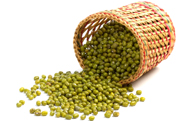
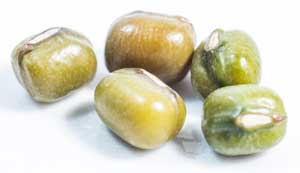
Mung beans (Vigna radiata) are highly nutritious, small green legumes native to the Indian subcontinent, packed with protein, fiber, antioxidants, and vitamins.
They are also grown for their sprouts, which are crunchy, sweet, and commonly used in salads and stir-fries. Mung beans are highly versatile, used in cooking for curries, soups, and porridges, and have been used in traditional medicine for thousands of years.
History and Origin
Mung beans originated in the Indian subcontinent over 4,000 years ago and were first cultivated around 1500 BC.
From South Asia, their cultivation spread to Southeast Asia and then northwards to East Asia and Central Asia. This expansion was influenced by both human activity and environmental factors, with different regional varieties developing based on climate needs.
- • Jade AU
- • Crystal
- • Satin II
- • Celera II
- • Regur
- • Opal AU
- • Brolga
- • Kookaburra
- • Onyx AU
In Australia, the most common types of mung beans sold are Jade AU and Crystal, which are large-seeded, shiny green varieties.
Other types include Satin II (a large, dull-seeded green mung bean), Celera II (a small, shiny green mung bean for niche markets), and Regur (a black mung bean).
Newer varieties like Opal AU and Brolga are also grown.
Common Mung Bean Varieties in Australia
- Jade AU: A popular large-seeded, shiny green variety known for high yields and good grain quality.
- Crystal: Another large-seeded, shiny green variety that is popular for its high grain quality and adaptability to different planting times.
- Satin II: A large-seeded green mung bean with a dull seed coat, often grown for specific markets.
- Celera II: A small-seeded, shiny green mung bean that is often grown for niche European and Asian markets due to its quick cooking time.
- Regur: A black mung bean, known for its good resistance to cracking and weather damage under wet conditions.
Other and Newer Varieties
- Opal AU: A newer large-seeded variety with improved resistance to the disease halo blight.
- Brolga: A newly available, large, shiny green bean that is broadly adapted to Australian growing regions.
- Kookaburra: Another new variety suited for regions with disease pressure, such as NSW and southern Queensland.
- Onyx AU: A black gram variety developed for specialized markets.
Legumes ” Mung Bean ” ( Nutritional value )
Nutritional Value per 100 g
Mung beans, mature seeds, cooked, boiled, with salt
|
Nutrient ( Proximate’s )
|
Unit
|
Value
|
Daily Value %
|
|
Energy
|
kcal
|
105
|
5.2%
|
|
Protein
|
g
|
7.02
|
14%
|
|
Total lipid (fat)
|
g
|
0.38
|
0.4%
|
|
Carbohydrate, by difference
|
g
|
19.15
|
6.9%
|
|
Fiber, total dietary
|
g
|
7.6
|
27.1%
|
|
Total Sugars
|
g
|
2.00
|
|
|
Minerals
|
|||
|
Calcium, Ca
|
mg
|
27
|
2%
|
|
Iron, Fe
|
mg
|
1.40
|
7.7%
|
|
Magnesium, Mg
|
mg
|
48
|
11.4%
|
|
Phosphorus, P
|
mg
|
99
|
7.9%
|
|
Potassium, K
|
mg
|
266
|
5.6%
|
|
Sodium, Na
|
mg
|
238
|
10.3%
|
|
Zinc, Zn
|
mg
|
0.84
|
7.6%
|
|
Copper, Cu
|
mg
|
0.156
|
17.3%
|
|
Manganese, Mn
|
mg
|
0.298
|
12.9%
|
|
Selenium, Se
|
mcg
|
2.5
|
4.5%
|
|
Vitamins
|
|||
|
Vitamin C, total ascorbic acid
|
mg
|
1.0
|
1.1%
|
|
Thiamin (B-1)
|
mg
|
0.164
|
13.6%
|
|
Riboflavin (B-2)
|
mg
|
0.061
|
4.6%
|
|
Niacin (B-3)
|
mg
|
0.577
|
3.6%
|
|
Pantothenic acid (B-5)
|
mg
|
0.410
|
8.2%
|
|
Vitamin (B-6)
|
mg
|
0.067
|
3.9%
|
|
Folate (B-9)
|
mcg
|
159
|
39.7%
|
|
Choline
|
mg
|
29.4
|
5.2% |
|
Vitamin (B-12)
|
mcg
|
0.00
|
|
|
Vitamin A, RAE
|
mcg
|
||
|
Vitamin E (alpha-tocopherol)
|
mg
|
0.15
|
1%
|
|
Vitamin D (D2 + D3)
|
mcg
|
0
|
|
|
Vitamin K (phylloquinone)
|
mcg
|
2.7
|
2.2%
|
|
Lipids
|
|||
|
Saturated Fatty Acids
|
g
|
0.116
|
0.5%
|
|
Monounsaturated Fatty Acids
|
g
|
0.054
|
|
|
Polyunsaturated Fatty Acids
|
g
|
0.128
|
|
|
Trans Fatty Acids
|
g
|
0.000
|
|
|
Cholesterol
|
mg
|
0
|
|
|
Carotenoids
|
|||
|
Beta-Carotene
|
mcg
|
14
|
|
Reference Values are based on a 2,000 Calorie Intake, for Adults and Children 4 or More Years of Age. Your daily values may be higher or lower depending on your calorie needs.
Percentages are roughly approximated using (RDA) Recommended Dietary Allowances for adults. Source: USDA United States Department of Agriculture.
Reference Values for Nutrition – FDA U.S. Food and Drug Administration.
Mung Beans Nutritional Value
Mung beans are rich in nutrients, antioxidants, and bioactive compounds that offer various health benefits, including improving heart health by lowering blood pressure and cholesterol, enhancing digestive health through fiber, and aiding in blood sugar control for diabetes management.
They also provide high-quality protein, beneficial for those on plant-based diets, and possess anti-inflammatory, antioxidant, and potential anti-cancer properties.
CARDIOVASCULAR HEALTH
Mung beans support cardiovascular health by lowering 'bad' LDL cholesterol, reducing blood pressure, and protecting blood vessels from damage through their high fiber, potassium, and antioxidant content. They can help improve endothelial function, which is the health of the lining of blood vessels, by reducing inflammation and oxidative stress.HIGH IN PROTEIN
Mung beans are high in protein, with around 20–30% protein by weight, which makes them an excellent plant-based protein source. They are also a complete protein, containing most of the essential amino acids your body needs, except for methionine and cysteine, although this can be balanced by a varied diet. This high protein content contributes to their nutritional value, and they can be used in various recipes as a meat substitute.DIGESTIVE AND GUT HEALTH
Mung beans provide soluble and insoluble fiber, which promotes regular bowel movements and feeds beneficial gut bacteria. They contain resistant starch and prebiotics that nourish the gut microbiome, support the production of beneficial short-chain fatty acids (SCFAs), and improve nutrient absorption. Mung beans are also considered easier to digest than many other legumes, and methods like sprouting can further increase their digestibility and reduce potential discomfort.POTENTIAL ANTI-CANCER PROPERTIES
Mung bean protein hydrolysate with anti-proliferation ability of hepatocellular carcinoma cells was prepared by papain. The hydrolysates inhibited the proliferation of hepatoma cells in mice. The hydrolysates promoted apoptosis of hepatocellular carcinoma cells by blocking cell cycle.
NUTRIENT-DENSE
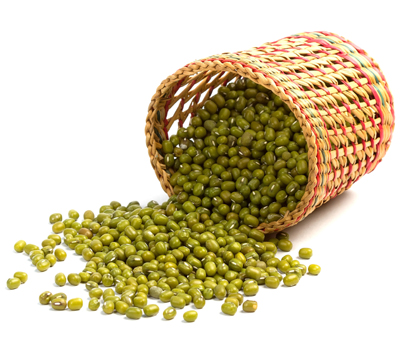
Mung beans are nutrient-dense, providing a good source of plant-based protein, fiber, and essential vitamins and minerals like folate, magnesium, potassium, iron, and copper. They are also rich in antioxidants and other beneficial phytochemicals that may support digestive health, energy levels, immune function, and cardiovascular health.ENHANCE CIRCULATION
Mung beans enhance circulation by supporting cardiovascular health through lowering blood pressure, reducing inflammation, and improving endothelial function. The protein peptides in mung beans help relax blood vessels by inhibiting ACE activity, while their antioxidants help protect against oxidative stress that can damage blood vessels. Mung beans are rich in magnesium, which also benefits cardiovascular health.ANTIOXIDANT AND ANTI-INFLAMMATORY PROPERTIES
Mung beans have antioxidant and anti-inflammatory properties due to their high levels of antioxidants like flavonoids and polyphenols, which combat oxidative stress and reduce inflammation. Studies show they enhance antioxidant enzyme activity, suppress pro-inflammatory mediators, and improve endothelial function, positioning them as a beneficial functional food for overall health.BLOOD SUGAR MANAGEMENT
Mung beans help manage blood sugar due to their low glycaemic index and high fiber and protein content, which slows down sugar absorption into the bloodstream. This leads to a more gradual rise in blood sugar levels after a meal, rather than a sharp spike, and improves insulin sensitivity, making them beneficial for those with or at risk of diabetes.
References
Nutrient Database – USDA (United States Department of Agriculture)
Reference Values for Nutrition – FDA U.S. Food and Drug Administration
Cardiovascular health - Mung beans support cardiovascular health by lowering 'bad' LDL cholesterol, reducing blood pressure, and protecting blood vessels from damage through their high fiber, potassium, and antioxidant content. They can help improve endothelial function, which is the health of the lining of blood vessels, by reducing inflammation and oxidative stress.
Enhance circulation - Mung beans enhance circulation by supporting cardiovascular health through lowering blood pressure, reducing inflammation, and improving endothelial function. The protein peptides in mung beans help relax blood vessels by inhibiting ACE activity, while their antioxidants help protect against oxidative stress that can damage blood vessels. Mung beans are rich in magnesium, which also benefits cardiovascular health.
Digestive and gut health - Mung beans benefit digestive and gut health by providing soluble and insoluble fiber, which promotes regular bowel movements and feeds beneficial gut bacteria. They contain resistant starch and prebiotics that nourish the gut microbiome, support the production of beneficial short-chain fatty acids (SCFAs), and improve nutrient absorption. Mung beans are also considered easier to digest than many other legumes, and methods like sprouting can further increase their digestibility and reduce potential discomfort.
Blood sugar management - Mung beans help manage blood sugar due to their low glycaemic index and high fiber and protein content, which slows down sugar absorption into the bloodstream. This leads to a more gradual rise in blood sugar levels after a meal, rather than a sharp spike, and improves insulin sensitivity, making them beneficial for those with or at risk of diabetes.
Nutrient-dense - Mung beans are nutrient-dense, providing a good source of plant-based protein, fiber, and essential vitamins and minerals like folate, magnesium, potassium, iron, and copper. They are also rich in antioxidants and other beneficial phytochemicals that may support digestive health, energy levels, immune function, and cardiovascular health.
High in protein - Mung beans are high in protein, with around 20–30% protein by weight, which makes them an excellent plant-based protein source. They are also a complete protein, containing most of the essential amino acids your body needs, except for methionine and cysteine, although this can be balanced by a varied diet. This high protein content contributes to their nutritional value, and they can be used in various recipes as a meat substitute.
Antioxidant and anti-inflammatory properties - Mung beans have antioxidant and anti-inflammatory properties due to their high levels of antioxidants like flavonoids and polyphenols, which combat oxidative stress and reduce inflammation. Studies show they enhance antioxidant enzyme activity, suppress pro-inflammatory mediators, and improve endothelial function, positioning them as a beneficial functional food for overall health.
Potential anti-cancer properties - Mung bean protein hydrolysate with anti-proliferation ability of hepatocellular carcinoma cells was prepared by papain. The hydrolysates inhibited the proliferation of hepatoma cells in mice. The hydrolysates promoted apoptosis of hepatocellular carcinoma cells by blocking cell cycle.