




1. White Bean Facts
2. Types of White Beans
3. White Bean Nutritional Value
4. White Bean Health Benefits
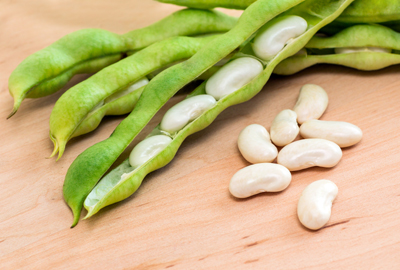
Cannellini beans are large, white kidney beans (Phaseolus vulgaris) featuring a creamy texture and nutty flavour, heavily used in Italian and Mediterranean cuisine.
Often called "white kidney beans," they are a staple in dishes like minestrone, pasta, and salads, holding their shape well when cooked. Cannellini beans are also used in soups, stews, salads, and dips, and they are a good source of iron, folate, and magnesium.
History and Origin
Cannellini beans (often called white kidney beans) are believed to have originated in South America—specifically Argentina and Peru—where they were first cultivated.
They were introduced to Italy by immigrants, where they became a staple ingredient, especially in central and southern Italian cuisine.
The name "cannellini" comes from the Italian word for a white candy that the beans resembled, and the name became widely used after Italian immigrants in Argentina encountered them.
White beans (Cannellini beans) sold in Australia are generally referred to by the standard name, and are sometimes labelled as Australian-grown.
While they are not typically categorized into distinct Australian "types" in the way some other beans are, they are widely available in dried and canned forms from both local and imported sources, with some products specifically highlighting their Australian origin.
White beans (Cannellini beans)
- Standard variety: Cannellini beans are sold as a single type, known for their creamy texture and mild flavour.
- Australian-grown: Some brands emphasize that their cannellini beans are grown in Australia, often marketed as a fresh, non-GMO, and preservative-free product.
- Imported: You can also find cannellini beans that are imported from other countries, such as Canada, and are then packaged in Australia.
- Organic: Organic cannellini beans are also available, often sold in both dried and pre-cooked forms.
Legumes ” White Bean ” ( Nutritional value )
Nutritional Value per 100 g
Beans, white, mature seeds, cooked, boiled, with salt
|
Nutrient ( Proximate’s )
|
Unit
|
Value
|
Daily Value %
|
|
Energy
|
kcal
|
139
|
6.9%
|
|
Protein
|
g
|
9.73
|
19.4%
|
|
Total lipid (fat)
|
g
|
0.35
|
0.4%
|
|
Carbohydrate, by difference
|
g
|
25.09
|
9.1%
|
|
Fiber, total dietary
|
g
|
6.3
|
22.5%
|
|
Total Sugars
|
g
|
0.34
|
|
|
Minerals
|
|||
|
Calcium, Ca
|
mg
|
90
|
6.9%
|
|
Iron, Fe
|
mg
|
3.70
|
20.5%
|
|
Magnesium, Mg
|
mg
|
63
|
15%
|
|
Phosphorus, P
|
mg
|
113
|
9%
|
|
Potassium, K
|
mg
|
561
|
11.9%
|
|
Sodium, Na
|
mg
|
242
|
10.5%
|
|
Zinc, Zn
|
mg
|
1.38
|
12.5%
|
|
Copper, Cu
|
mg
|
0.287
|
31.8%
|
|
Manganese, Mn
|
mg
|
0.636
|
27.6%
|
|
Selenium, Se
|
mcg
|
1.3
|
2.3%
|
|
Vitamins
|
|||
|
Vitamin C, total ascorbic acid
|
mg
|
0.0
|
0.0
|
|
Thiamin (B-1)
|
mg
|
0.118
|
9.8%
|
|
Riboflavin (B-2)
|
mg
|
0.046
|
3.5%
|
|
Niacin (B-3)
|
mg
|
0.140
|
0.8%
|
|
Pantothenic acid (B-5)
|
mg
|
0.229
|
4.5%
|
|
Vitamin (B-6)
|
mg
|
0.093
|
5.4%
|
|
Folate (B-9)
|
mcg
|
81
|
20.2%
|
|
Choline
|
mg
|
35.1
|
6.3% |
|
Vitamin (B-12)
|
mcg
|
0.00
|
|
|
Vitamin A, RAE
|
mcg
|
0
|
|
|
Vitamin E (alpha-tocopherol)
|
mg
|
0.94
|
6.2%
|
|
Vitamin D (D2 + D3)
|
mcg
|
0.0
|
|
|
Vitamin D
|
mcg
|
0
|
|
|
Vitamin K (phylloquinone)
|
mcg
|
3.5
|
2.9%
|
|
Lipids
|
|||
|
Saturated Fatty Acids
|
g
|
0.091
|
0.4%
|
|
Monounsaturated Fatty Acids
|
g
|
0.031
|
|
|
Polyunsaturated Fatty Acids
|
g
|
0.152
|
|
|
Trans Fatty Acids
|
g
|
0.000
|
|
|
Cholesterol
|
mg
|
0
|
|
|
Carotenoids
|
|||
|
Beta-Carotene
|
mcg
|
0
|
|
Reference Values are based on a 2,000 Calorie Intake, for Adults and Children 4 or More Years of Age. Your daily values may be higher or lower depending on your calorie needs.
Percentages are roughly approximated using (RDA) Recommended Dietary Allowances for adults. Source: USDA United States Department of Agriculture.
Reference Values for Nutrition – FDA U.S. Food and Drug Administration.
White Beans Nutritional Value
White beans offer significant health benefits due to their high content of fiber, protein, and essential nutrients like folate, magnesium, potassium, and iron.
These benefits include supporting heart and digestive health, aiding in weight management, and contributing to strong bones. They also help control blood sugar levels.
SUPPORT HEART HEALTH
White beans provide fiber, potassium, and antioxidants, which help lower cholesterol, regulate blood pressure, and reduce inflammation. Their high fiber and protein content also aid in weight management, a key factor in cardiovascular health.WEIGHT MANAGEMENT
White beans have high fiber and protein content, which promote fullness and reduce calorie intake. They also contain compounds, particularly in white kidney bean extract, that can block the enzyme alpha-amylase, preventing some carbohydrate absorption. This can lead to reduced calorie intake and a potential decrease in body fat and weight, though studies on white bean extract are more specific and show more pronounced effects than white beans alone.DIGESTIVE HEALTH
White beans provide fiber, which promotes regular bowel movements and a healthy gut microbiome. The fiber in white beans includes both soluble and insoluble types, which help bulk up stool, feed beneficial gut bacteria, and slow digestion to improve nutrient absorption. They also contain resistant starch, which ferments in the colon to produce beneficial short-chain fatty acids (SCFAs).IMPORTANT CONSIDERATIONS
Important considerations for white beans include digestion issues like gas, which can be minimized by soaking and slow, long cooking; sodium content in canned varieties, which can be reduced by rinsing; and potential contraindications for those with sensitive stomachs or specific medical conditions. They are highly nutritious but can cause digestive discomfort for some, so moderation and proper preparation are key.

SUPPORT BONE HEALTH
White beans support bone health by being a good source of calcium, magnesium, and phosphorus, which are essential minerals for building and maintaining strong bones. They also provide plant-based protein and fiber, and the fiber in white beans can improve gut health, which is linked to bone health through the gut-bone axis. To reduce phytates that can interfere with mineral absorption, it is helpful to soak dried beans, rinse canned beans, or cook them with kombu.ANTIOXIDANT PROPERTIES
White beans have significant antioxidant properties due to their high content of polyphenols, including flavonoids, ferulic acid, and caffeic acid. These compounds help protect the body against oxidative stress, inflammation, and cellular damage caused by free radicals, which may reduce the risk of chronic diseases like heart disease and certain cancers.NUTRIENT-RICH
White beans are nutrient-rich, providing excellent sources of fiber and protein, along with essential minerals like iron, copper, magnesium, and potassium. They are also high in B vitamins like folate and thiamine, and contain antioxidants that can help reduce oxidative stress and inflammation.BLOOD SUGAR CONTROL
White beans help control blood sugar because they have a low glycaemic index and are rich in fiber and protein, which slows down carbohydrate absorption and prevents blood sugar spikes. The fiber also promotes gut health, and studies have shown that incorporating beans into meals can lead to better blood sugar, insulin levels, and even weight management for people with or at risk for diabetes.
References
Nutrient Database – USDA (United States Department of Agriculture)
Reference Values for Nutrition – FDA U.S. Food and Drug Administration
Support heart health - White beans support heart health by providing fiber, potassium, and antioxidants, which help lower cholesterol, regulate blood pressure, and reduce inflammation. Their high fiber and protein content also aid in weight management, a key factor in cardiovascular health.
Digestive health - White beans support digestive health by providing fiber, which promotes regular bowel movements and a healthy gut microbiome. The fiber in white beans includes both soluble and insoluble types, which help bulk up stool, feed beneficial gut bacteria, and slow digestion to improve nutrient absorption. They also contain resistant starch, which ferments in the colon to produce beneficial short-chain fatty acids (SCFAs).
Weight management - White beans support weight management due to their high fiber and protein content, which promote fullness and reduce calorie intake. They also contain compounds, particularly in white kidney bean extract, that can block the enzyme alpha-amylase, preventing some carbohydrate absorption. This can lead to reduced calorie intake and a potential decrease in body fat and weight, though studies on white bean extract are more specific and show more pronounced effects than white beans alone.
Blood sugar control - White beans help control blood sugar because they have a low glycaemic index and are rich in fiber and protein, which slows down carbohydrate absorption and prevents blood sugar spikes. The fiber also promotes gut health, and studies have shown that incorporating beans into meals can lead to better blood sugar, insulin levels, and even weight management for people with or at risk for diabetes.
Support bone health - White beans support bone health by being a good source of calcium, magnesium, and phosphorus, which are essential minerals for building and maintaining strong bones. They also provide plant-based protein and fiber, and the fiber in white beans can improve gut health, which is linked to bone health through the gut-bone axis. To reduce phytates that can interfere with mineral absorption, it is helpful to soak dried beans, rinse canned beans, or cook them with kombu.
Nutrient-rich - White beans are nutrient-rich, providing excellent sources of fiber and protein, along with essential minerals like iron, copper, magnesium, and potassium. They are also high in B vitamins like folate and thiamine, and contain antioxidants that can help reduce oxidative stress and inflammation.
Antioxidant properties - White beans have significant antioxidant properties due to their high content of polyphenols, including flavonoids, ferulic acid, and caffeic acid. These compounds help protect the body against oxidative stress, inflammation, and cellular damage caused by free radicals, which may reduce the risk of chronic diseases like heart disease and certain cancers.
Important considerations - Important considerations for white beans include digestion issues like gas, which can be minimized by soaking and slow, long cooking; sodium content in canned varieties, which can be reduced by rinsing; and potential contraindications for those with sensitive stomachs or specific medical conditions. They are highly nutritious but can cause digestive discomfort for some, so moderation and proper preparation are key.