



1. Allspice Facts
2. Types of Allspice
3. Allspice Nutritional Value
4. Allspice Health Benefits
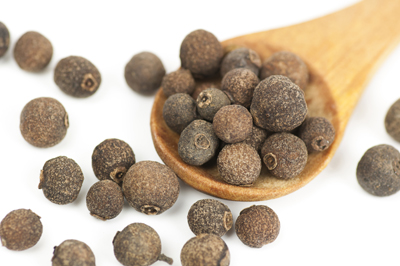
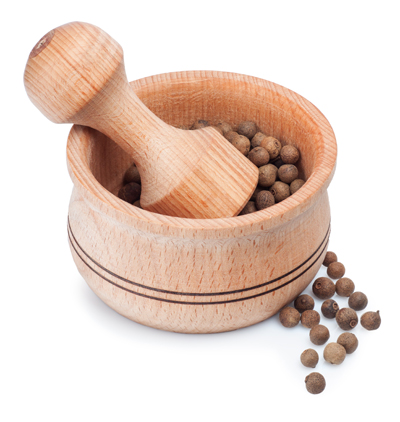
Allspice (Pimenta dioica) are the dried, unripe berries of the Pimenta dioica tree, a single spice whose flavour uniquely combines notes of cinnamon, nutmeg, cloves, and pepper, earning its name.
Used in both sweet and savoury dishes, it's a key ingredient in Caribbean jerk seasoning, Middle Eastern blends, and European sauces like Swedish meatballs, and it comes in whole berry or ground powder forms.
History and Origin
Allspice is the dried, unripe berry of the Pimenta dioica tree, native to Jamaica, Southern Mexico, and Central America.
Discovered by16th-century Spanish explorers who mistook it for pepper, it was named "allspice" by the British in the 1600s because its flavour resembles a blend of cinnamon, nutmeg, and cloves.
Christopher Columbus first brought it to Europe after misidentifying it as pepper. Indigenous peoples used it for seasoning, preservation (including embalming), and medicine, a tradition carried on globally in sweet, savoury, and pickling dishes.
- • Jamaican Allspice
- • Mexican Allspice
- • Guatemalan Allspice
The main "types" of allspice refer to its forms (whole or ground) and regional varieties like potent Jamaican Allspice, milder Mexican Allspice, and Guatemalan, with other plants sometimes misnamed as allspice, like Carolina Allspice.
The true spice comes from the dried, unripe berries of Pimenta dioica, harvested and processed differently for various culinary uses, from infusing liquids (whole) to baking (ground).
Spices ” Allspice ” ( Nutritional value )
Nutritional value per 1.9 g – 1 Teaspoon
Spices, allspice, ground
|
Nutrient ( Proximate’s )
|
Unit
|
Value
|
Daily Value %
|
|
Energy
|
kcal
|
5
|
0.2%
|
|
Protein
|
g
|
0.12
|
0.2%
|
|
Total lipid (fat)
|
g
|
0.17
|
0.2%
|
|
Carbohydrate, by difference
|
g
|
1.37
|
0.4%
|
|
Fiber, total dietary
|
g
|
0.4
|
1.4%
|
|
Minerals
|
|||
|
Calcium, Ca
|
mg
|
13
|
1%
|
|
Iron, Fe
|
mg
|
0.13
|
0.7%
|
|
Magnesium, Mg
|
mg
|
3
|
0.7%
|
|
Phosphorus, P
|
mg
|
2
|
0.1%
|
|
Potassium, K
|
mg
|
20
|
0.4%
|
|
Sodium, Na
|
mg
|
1
|
0.004%
|
|
Zinc, Zn
|
mg
|
0.02
|
0.1%
|
|
Copper, Cu
|
mg
|
0.011
|
1.2%
|
|
Manganese, Mn
|
mg
|
0.056
|
2.4%
|
|
Selenium, Se
|
mcg
|
0.1
|
0.1%
|
|
Vitamins
|
|||
|
Vitamin C, total ascorbic acid
|
mg
|
0.7
|
0.7%
|
|
Thiamin (B-1)
|
mg
|
0.002
|
0.1%
|
|
Riboflavin (B-2)
|
mg
|
0.001
|
0.007%
|
|
Niacin (B-3)
|
mg
|
0.054
|
0.3%
|
|
Vitamin (B-6)
|
mg
|
0.004
|
0.2%
|
|
Folate (B-9)
|
mcg
|
1
|
0.2%
|
|
Vitamin (B-12)
|
mcg
|
0.00
|
|
|
Vitamin A, RAE
|
mcg
|
||
|
Vitamin D (D2 + D3)
|
mcg
|
0
|
|
|
Lipids
|
|||
|
Saturated Fatty Acids
|
g
|
0.048
|
0.2%
|
|
Monounsaturated Fatty Acids
|
g
|
0.013
|
|
|
Polyunsaturated Fatty Acids
|
g
|
0.045
|
|
|
Cholesterol
|
mg
|
0
|
|
Reference Values are based on a 2,000 Calorie Intake, for Adults and Children 4 or More Years of Age. Your daily values may be higher or lower depending on your calorie needs.
Percentages are roughly approximated using (RDA) Recommended Dietary Allowances for adults. Source: USDA United States Department of Agriculture.
Reference Values for Nutrition – FDA U.S. Food and Drug Administration.
Allspice Nutritional Value
Allspice offers health benefits like aiding digestion, reducing inflammation, managing blood sugar, and providing pain relief due to compounds like eugenol, rich in antioxidants, vitamins (A, C, B), and minerals (iron, manganese).
Allspice possesses antimicrobial, antifungal, and potential anticancer properties, supporting immune function, soothing nausea, easing menopause symptoms, and acting as a topical analgesic for toothaches.
DIGESTIVE HEALTH
Allspice benefits digestive health by reducing gas, bloating, and indigestion due to its carminative properties and eugenol content, which stimulates digestive enzymes. It soothes gastrointestinal discomfort, may help with nausea, and has anti-inflammatory effects, making it useful in teas or meals for settling the stomach and promoting overall gut well-being.RICH IN ANTIOXIDANTS AND ANTI-INFLAMMATORY COMPOUNDS
Allspice is a powerful spice rich in antioxidants and anti-inflammatory compounds, primarily due to eugenol, gallic acid, and polyphenols, which help combat cellular damage from free radicals and reduce inflammation linked to chronic diseases like arthritis. It supports digestion, offers pain relief (like toothaches), and has antimicrobial properties, making it beneficial for immune health and general well-being, often used in traditional remedies for colds, indigestion, and muscle aches.SUPPORTS THE IMMUNE SYSTEM
Allspice supports the immune system through its rich antioxidants and antimicrobial compounds (like eugenol) that fight bacteria/viruses, reduce inflammation, and help with colds/flu symptoms like congestion, making it a traditional remedy for overall wellness and infection defence. It's packed with polyphenols, aids digestion, and its natural properties help the body combat free radicals, promoting stronger cellular health and boosting overall immune function, especially when used in teas or cooking with other immune-supportive spices.BLOOD SUGAR CONTROL
Allspice shows promise for blood sugar control, with compounds like eugenol potentially protecting insulin-producing cells and studies suggesting it can lower glucose/insulin levels, especially in combination with turmeric (TAS) by reducing carb/lipid absorption, though research is mostly in animals or lab settings, indicating it may support glycaemic management but caution is needed with supplements.
BENEFITS CIRCULATION
Allspice benefits circulation by warming the body, dilating blood vessels, and providing minerals like iron and copper, which aids red blood cell production, increasing blood flow, oxygenation, and energy, helping relieve muscle pain, cramps, and chills, though essential oils need dilution and caution with blood thinners due to anti-coagulant effects. Its warming, stimulating properties improve overall circulation and heart function.MENOPAUSE SYMPTOM RELIEF
Allspice, a common spice, offers potential benefits for menopause symptoms like hot flashes, inflammation, and stress due to its compounds, promoting circulation and comfort, but it's used more as a dietary addition than a primary medicine; it's generally safe in food amounts, but consult a doctor for significant symptom relief.OFFERS PAIN RELIEF
Allspice offers pain relief, primarily due to its active compound eugenol, which acts as a natural analgesic (painkiller) and anaesthetic, similar to clove oil, helping with headaches, muscle cramps, and toothaches by promoting circulation and reducing inflammation. Traditionally used in topical remedies and aromatherapy, its anti-inflammatory and antiseptic properties also support relief for sore muscles and joints, though it's important to use moderation and consult a doctor for significant conditions.SIGNIFICANT ANTIMICROBIAL AND ANTIFUNGAL PROPERTIES
Allspice (Pimenta dioica) possesses significant antimicrobial and antifungal properties, mainly due to its high content of eugenol, a natural compound effective against various bacteria and fungi, making it useful as a natural preservative and potential antiseptic for minor issues like fungal skin infections and food spoilage, though more human trials are needed for therapeutic use. Its essential oil shows potent activity against Candida species and other microbes, potentially acting as a safer alternative to synthetic additives in food and pharma industries, with historical use including Napoleon's troops using it to prevent foot rot.
References
Nutrient Database – USDA (United States Department of Agriculture)
Reference Values for Nutrition – FDA U.S. Food and Drug Administration
Digestive health - Allspice benefits digestive health by reducing gas, bloating, and indigestion due to its carminative properties and eugenol content, which stimulates digestive enzymes. It soothes gastrointestinal discomfort, may help with nausea, and has anti-inflammatory effects, making it useful in teas or meals for settling the stomach and promoting overall gut well-being.
Rich in antioxidants and anti-inflammatory compounds - Allspice is a powerful spice rich in antioxidants and anti-inflammatory compounds, primarily due to eugenol, gallic acid, and polyphenols, which help combat cellular damage from free radicals and reduce inflammation linked to chronic diseases like arthritis. It supports digestion, offers pain relief (like toothaches), and has antimicrobial properties, making it beneficial for immune health and general well-being, often used in traditional remedies for colds, indigestion, and muscle aches.
Offers pain relief - Allspice offers pain relief, primarily due to its active compound eugenol, which acts as a natural analgesic (painkiller) and anaesthetic, similar to clove oil, helping with headaches, muscle cramps, and toothaches by promoting circulation and reducing inflammation. Traditionally used in topical remedies and aromatherapy, its anti-inflammatory and antiseptic properties also support relief for sore muscles and joints, though it's important to use moderation and consult a doctor for significant conditions.
Blood sugar control - Allspice shows promise for blood sugar control, with compounds like eugenol potentially protecting insulin-producing cells and studies suggesting it can lower glucose/insulin levels, especially in combination with turmeric (TAS) by reducing carb/lipid absorption, though research is mostly in animals or lab settings, indicating it may support glycaemic management but caution is needed with supplements.
Significant antimicrobial and antifungal properties - Allspice (Pimenta dioica) possesses significant antimicrobial and antifungal properties, mainly due to its high content of eugenol, a natural compound effective against various bacteria and fungi, making it useful as a natural preservative and potential antiseptic for minor issues like fungal skin infections and food spoilage, though more human trials are needed for therapeutic use. Its essential oil shows potent activity against Candida species and other microbes, potentially acting as a safer alternative to synthetic additives in food and pharma industries, with historical use including Napoleon's troops using it to prevent foot rot.
Menopause symptom relief - Allspice, a common spice, offers potential benefits for menopause symptoms like hot flashes, inflammation, and stress due to its compounds, promoting circulation and comfort, but it's used more as a dietary addition than a primary medicine; it's generally safe in food amounts, but consult a doctor for significant symptom relief.
Supports the immune system - Allspice supports the immune system through its rich antioxidants and antimicrobial compounds (like eugenol) that fight bacteria/viruses, reduce inflammation, and help with colds/flu symptoms like congestion, making it a traditional remedy for overall wellness and infection defence. It's packed with polyphenols, aids digestion, and its natural properties help the body combat free radicals, promoting stronger cellular health and boosting overall immune function, especially when used in teas or cooking with other immune-supportive spices.
Benefits circulation - Allspice benefits circulation by warming the body, dilating blood vessels, and providing minerals like iron and copper, which aids red blood cell production, increasing blood flow, oxygenation, and energy, helping relieve muscle pain, cramps, and chills, though essential oils need dilution and caution with blood thinners due to anti-coagulant effects. Its warming, stimulating properties improve overall circulation and heart function.