


1. Cardamom Facts
2. Types of Cardamom
3. Cardamom Nutritional Value
4. Cardamom Health Benefits
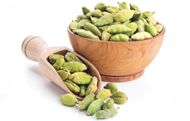
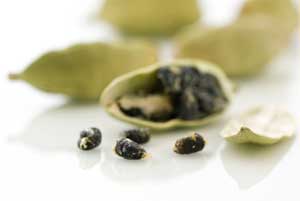
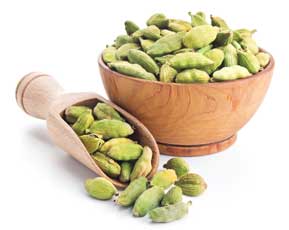
Cardamom are aromatic seed pods from plants in the ginger family, prized as a spice for their complex, pungent flavour in sweet and savory dishes, often called the "queen of spices".
There are two main types, green (most common) and black (smoky), used whole or ground in cuisines from India and the Middle East to Scandinavia for curries, baked goods, and spiced beverages like chai.
History and Origin
Cardamom originates from the moist evergreen rainforests of South India (the "Cardamom Hills") and Sri Lanka, used for over 2000 years in traditional medicine (Ayurveda) and cuisine, earning it the title "Queen of Spices".
Ancient Greeks and Romans used it for digestion and fragrance, while Vikings introduced it to Europe, making it a staple in Scandinavian baking and mulled drinks.
Today, India and Guatemala are major producers, with Guatemala becoming a leading exporter after its introduction in the 1920s.
- • Green Cardamom
- • Black Cardamom
- • White Cardamom
- • Red Cardamom
- • Siam Cardamom
Cardamom primarily comes in Green (true cardamom, sweet/floral) and Black (smoky/camphorous), with White being bleached green cardamom, offering a milder flavour, while other varieties like Red or Siamese exist for specialized uses, all from the ginger family but with distinct tastes and applications in both sweet and savory cooking.
Main Types
- Green Cardamom (True Cardamom) (Elettaria cardamomum): The most common type, with sweet, citrusy, and floral notes, used in desserts, chai, and Scandinavian baking.
- Black Cardamom (Amomum subulatum): Larger, darker pods dried over fire, giving a smoky, intense, menthol-like flavour ideal for savory curries, stews, and spice blends like Garam Masala.
- White Cardamom: Green cardamom pods that have been bleached to remove their green colour, resulting in a milder, less intense flavour, often used in baking.
Other Varieties
- Red Cardamom (Chinese Black Cardamom) (Lanxangia tsaoko): Larger, thicker pods with a stronger flavour, used in slow-cooked Chinese dishes.
- Siam Cardamom (Wurfbainia vera): Another related plant sometimes referred to as white cardamom or Ethiopian cardamom.
How They're Used
- Whole Pods: Infuse flavour in long-cooking dishes like curries or chai; black cardamom pods are often removed before serving.
- Seeds: Removed from the pod and ground for baking, spice mixes, or beverages.
- Ground: A convenient powder form for quick incorporation into recipes.
Spices ” Cardamom ”( Nutritional value )
Nutritional value per 2 g – 1 Teaspoon ground
Spices, cardamom
|
Nutrient ( Proximate’s )
|
Unit
|
Value
|
Daily Value %
|
|
Energy
|
kcal
|
6
|
0.3%
|
|
Protein
|
g
|
0.22
|
0.4%
|
|
Total lipid (fat)
|
g
|
0.13
|
1.4%
|
|
Carbohydrate, by difference
|
g
|
1.37
|
0.4%
|
|
Fiber, total dietary
|
g
|
0.6
|
2.1%
|
|
Minerals
|
|||
|
Calcium, Ca
|
mg
|
8
|
0.6%
|
|
Iron, Fe
|
mg
|
0.28
|
1.5%
|
|
Magnesium, Mg
|
mg
|
||
|
Phosphorus, P
|
mg
|
4
|
0.3%
|
|
Potassium, K
|
mg
|
22
|
0.4%
|
|
Sodium, Na
|
mg
|
0
|
|
|
Zinc, Zn
|
mg
|
0.15
|
1.3%
|
|
Copper, Cu
|
mg
|
0.008
|
0.8%
|
|
Manganese, Mn
|
mg
|
0.560
|
24.3%
|
|
Vitamins
|
|||
|
Vitamin C, total ascorbic acid
|
mg
|
0.4
|
0.4%
|
|
Thiamin (B-1)
|
mg
|
0.004
|
0.3%
|
|
Riboflavin (B-2)
|
mg
|
0.004
|
0.3%
|
|
Niacin (B-3)
|
mg
|
0.022
|
0.1%
|
|
Vitamin (B-6)
|
mg
|
0.005
|
0.2%
|
|
Vitamin (B-12)
|
mcg
|
0.00
|
|
|
Vitamin A, RAE
|
mcg
|
0
|
|
|
Vitamin D (D2 + D3)
|
mcg
|
0
|
|
|
Lipids
|
|||
|
Saturated Fatty Acids
|
g
|
0.014
|
0.07%
|
|
Monounsaturated Fatty Acids
|
g
|
0.017
|
|
|
Polyunsaturated Fatty Acids
|
g
|
0.009
|
|
|
Trans Fatty Acids
|
g
|
0.000
|
|
Reference Values are based on a 2,000 Calorie Intake, for Adults and Children 4 or More Years of Age. Your daily values may be higher or lower depending on your calorie needs.
Percentages are roughly approximated using (RDA) Recommended Dietary Allowances for adults. Source: USDA United States Department of Agriculture.
Reference Values for Nutrition – FDA U.S. Food and Drug Administration.
Cardamom Nutritional Value
Cardamom offers benefits like improving digestion, freshening breath, lowering blood pressure, and fighting inflammation due to its antioxidants and compounds that combat bacteria, potentially aiding heart, liver, and oral health, while also showing promise for blood sugar control and relieving pregnancy nausea, though more human studies are needed for conclusive evidence..
ANTIOXIDANT POWER
Cardamom is a powerhouse of antioxidants, particularly polyphenols like quercetin, kaempferol, and flavonoids, which combat damaging free radicals, reduce oxidative stress, and support cellular health, potentially offering benefits for heart health (lowering blood pressure), liver protection, and even possessing anti-cancer properties by protecting cells and modulating disease pathways. Its antioxidant capacity helps protect against liver damage, improve blood lipid profiles, and supports overall cellular defence, making it a valuable spice for health.POWERFUL DIGESTIVE AID
Cardamom is a powerful digestive aid, traditionally used to relieve gas, bloating, indigestion, and cramps by stimulating digestive enzymes and promoting gut motility, thanks to its volatile oils, antispasmodic, and carminative properties, helping to soothe the digestive tract and improve overall gut health. It can support digestion after heavy meals, combat acidity, and may even offer protection against stomach ulcers, making it a popular spice for improving digestion and freshening breath.SIGNIFICANTLY BENEFITS ORAL HEALTH
Cardamom significantly benefits oral health by fighting bad breath, preventing cavities, and fighting infections due to its potent antibacterial compounds like cineole, which kills oral pathogens, while its fibrous nature and stimulating taste promote saliva flow and clean teeth, acting like a natural chewing gum. Chewing cardamom seeds or using cardamom extracts can help control bacteria like Streptococcus mutans and Candida albicans, supporting gum health and overall hygiene.SUPPORTS HEART HEALTH
Cardamom supports heart health by lowering blood pressure, improving circulation, and reducing cholesterol through its antioxidants, potassium, and diuretic properties, helping to prevent plaque build-up and protect blood vessels from oxidative stress. It can be added to teas, dishes, or chewed.SIGNIFICANT ANTI-INFLAMMATORY PROPERTIES
Cardamom possesses significant anti-inflammatory properties, thanks to compounds like 1,8-cineole, quercetin, and phenolic acids, which help reduce inflammatory markers (TNF-α, IL-6, CRP) by blocking inflammatory pathways (NF-κB) and scavenging free radicals, offering benefits for digestive, respiratory, and metabolic health.
LIVER PROTECTION
Cardamom shows promise for liver protection due to its strong antioxidant and anti-inflammatory compounds, which help reduce liver inflammation, oxidative stress (like from acetaminophen), and fat accumulation, supporting detoxification and improving liver enzyme function, as seen in studies on fatty liver (NAFLD) and in animal models, though more human trials are needed to fully establish its clinical role.BLOOD SUGAR
Cardamom shows promise for blood sugar management by enhancing insulin sensitivity, reducing inflammation, and improving glucose metabolism, with studies showing it can lower HbA1c and insulin resistance, though it may not significantly impact fasting glucose or weight in all cases, suggesting a supportive role in diabetes management alongside other treatments. Its rich antioxidants and anti-inflammatory compounds, like polyphenols, help regulate blood sugar, making it a beneficial addition to a diabetic-friendly diet.SUPPORTS RESPIRATORY HEALTH
Cardamom supports respiratory health by acting as a natural expectorant to clear mucus, reducing inflammation in airways, and providing antioxidants that protect lung tissue from damage, making it beneficial for coughs, colds, asthma, and congestion, often consumed as a tea or inhaled as steam. Its key compound, cineole, helps break down phlegm, while anti-inflammatory properties soothe irritation and improve breathing.PREGNANCY RELIEF
Cardamom is a popular spice that can help ease pregnancy symptoms like morning sickness and digestive issues when used in food amounts, but caution is advised with larger medicinal doses or supplements due to potential miscarriage concerns; inhalation of cardamom essential oil for nausea is also noted as possibly safe, but always consult your doctor before using supplements or essential oils during pregnancy.SUPPORTS DETOXIFICATION
Cardamom supports detoxification by acting as a natural diuretic, helping kidneys flush waste, and its antioxidants fight free radicals, protecting cells from damage, while its compounds support liver function crucial for cleansing. It aids digestion, boosts metabolism, and promotes the elimination of toxins, often used in Ayurvedic practices for cleansing, though human studies are still emerging, primarily showing promise in animal models for liver protection and reducing chemotherapy side effects.
References
Nutrient Database – USDA (United States Department of Agriculture)
Reference Values for Nutrition – FDA U.S. Food and Drug Administration
Antioxidant power - Cardamom is a powerhouse of antioxidants, particularly polyphenols like quercetin, kaempferol, and flavonoids, which combat damaging free radicals, reduce oxidative stress, and support cellular health, potentially offering benefits for heart health (lowering blood pressure), liver protection, and even possessing anti-cancer properties by protecting cells and modulating disease pathways. Its antioxidant capacity helps protect against liver damage, improve blood lipid profiles, and supports overall cellular defence, making it a valuable spice for health.
Digestive aid - Cardamom is a powerful digestive aid, traditionally used to relieve gas, bloating, indigestion, and cramps by stimulating digestive enzymes and promoting gut motility, thanks to its volatile oils, antispasmodic, and carminative properties, helping to soothe the digestive tract and improve overall gut health. It can support digestion after heavy meals, combat acidity, and may even offer protection against stomach ulcers, making it a popular spice for improving digestion and freshening breath.
Significantly benefits oral health - Cardamom significantly benefits oral health by fighting bad breath, preventing cavities, and fighting infections due to its potent antibacterial compounds like cineole, which kills oral pathogens, while its fibrous nature and stimulating taste promote saliva flow and clean teeth, acting like a natural chewing gum. Chewing cardamom seeds or using cardamom extracts can help control bacteria like Streptococcus mutans and Candida albicans, supporting gum health and overall hygiene.
Supports heart hearth - Cardamom supports heart health by lowering blood pressure, improving circulation, and reducing cholesterol through its antioxidants, potassium, and diuretic properties, helping to prevent plaque build-up and protect blood vessels from oxidative stress. It can be added to teas, dishes, or chewed.
Significant anti-inflammatory properties - Cardamom possesses significant anti-inflammatory properties, thanks to compounds like 1,8-cineole, quercetin, and phenolic acids, which help reduce inflammatory markers (TNF-α, IL-6, CRP) by blocking inflammatory pathways (NF-κB) and scavenging free radicals, offering benefits for digestive, respiratory, and metabolic health.
Liver protection - Cardamom shows promise for liver protection due to its strong antioxidant and anti-inflammatory compounds, which help reduce liver inflammation, oxidative stress (like from acetaminophen), and fat accumulation, supporting detoxification and improving liver enzyme function, as seen in studies on fatty liver (NAFLD) and in animal models, though more human trials are needed to fully establish its clinical role.
Blood sugar - Cardamom shows promise for blood sugar management by enhancing insulin sensitivity, reducing inflammation, and improving glucose metabolism, with studies showing it can lower HbA1c and insulin resistance, though it may not significantly impact fasting glucose or weight in all cases, suggesting a supportive role in diabetes management alongside other treatments. Its rich antioxidants and anti-inflammatory compounds, like polyphenols, help regulate blood sugar, making it a beneficial addition to a diabetic-friendly diet.
Support respiratory health - Cardamom supports respiratory health by acting as a natural expectorant to clear mucus, reducing inflammation in airways, and providing antioxidants that protect lung tissue from damage, making it beneficial for coughs, colds, asthma, and congestion, often consumed as a tea or inhaled as steam. Its key compound, cineole, helps break down phlegm, while anti-inflammatory properties soothe irritation and improve breathing.
Pregnancy relief - Cardamom is a popular spice that can help ease pregnancy symptoms like morning sickness and digestive issues when used in food amounts, but caution is advised with larger medicinal doses or supplements due to potential miscarriage concerns; inhalation of cardamom essential oil for nausea is also noted as possibly safe, but always consult your doctor before using supplements or essential oils during pregnancy.
Supports detoxification - Cardamom supports detoxification by acting as a natural diuretic, helping kidneys flush waste, and its antioxidants fight free radicals, protecting cells from damage, while its compounds support liver function crucial for cleansing. It aids digestion, boosts metabolism, and promotes the elimination of toxins, often used in Ayurvedic practices for cleansing, though human studies are still emerging, primarily showing promise in animal models for liver protection and reducing chemotherapy side effects.