






1. Clove Facts
2. Types of Black Cloves
3. Clove Nutritional Value
4. Clove Health Benefits
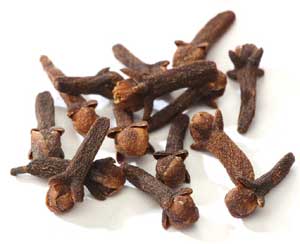
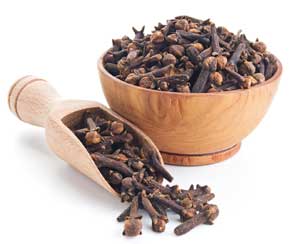
Cloves are the aromatic, dried flower buds of the Syzygium aromaticum tree, native to Indonesia, known for their strong, warm, sweet, and spicy flavour, used whole or ground in both sweet and savoury dishes, beverages, and traditional remedies.
They're a powerful spice, often used with cinnamon and nutmeg in holiday recipes like pumpkin pie, mulled wine, and baked ham, and can be found in various products like toothpaste and cosmetics.
History and Origin
Cloves originated from the Moluccas (Spice Islands) of Indonesia, with archaeological finds dating back to 1700 BC in Syria, showing their ancient global trade route.
Highly prized for centuries, they fuelled the spice trade, leading to monopolies by Arabs, Portuguese, and Dutch, who guarded their source.
Used in ancient Chinese courts as breath fresheners and in traditional medicine, cloves remain a key spice, valued for their strong aroma, pungent taste, and use in cuisines and products worldwide, still harvested predominantly from their native islands and cultivated areas like Zanzibar.
- • Whole Cloves
- • Ground Cloves
- • Headless Cloves
- • Clove Stems
- • Fresh Cloves
- • Mother Cloves
- • Hand-picked / CG1 (Clove Grade 1)
- • Clean Quality / CG2
- • Standard Quality / CG3
- • Zanzibar/Tanzanian
- • Madagascar
- • Ceylon (Sri Lanka)
- • Moluccas (Indonesia)
- • Organic Cloves
- • Wild Cloves
Types of cloves are categorized by their form (whole, ground, headless), quality grade (like CG1, CG2 for hand-picked, standard), and origin (Zanzibar, Madagascar, Ceylon, Moluccas), with regional differences affecting flavour, with Zanzibar cloves often prized for sweetness and Madagascar for robustness, while forms include fresh buds or stems and different grades based on oil content and purity.
By Form and Preparation
- Whole Cloves: The most common form, dried, unopened flower buds, often sold with or without stems.
- Ground Cloves: Powdered whole cloves; loses potency faster than whole.
- Headless Cloves: Just the receptacle and sepals, missing the 'head' (bud).
- Clove Stems: Fragments of the stalk, less flavourful than buds.
- Fresh Cloves: Un-dried buds, less common, with a vibrant, slightly bitter taste.
- Mother Cloves: The fruit (berry) of the clove tree, ovoid and brown.
By Quality and Grade (International Standards)
- Hand-picked / CG1 (Clove Grade 1): Highest quality, meticulously sorted, plump, rich in oil, with minimal stems/debris.
- Clean Quality / CG2: Good quality but with slightly more stems/baby cloves than CG1.
- Standard Quality / CG3: Lower grade, higher content of stems/baby cloves and ash.
By Origin (Flavour Profile)
- Zanzibar/Tanzanian: High quality, sweet, delicate flavour.
- Madagascar: Robust, full-bodied flavour, very common.
- Ceylon (Sri Lanka): Larger, with high essential oil content.
- Moluccas (Indonesia): The native origin, known for intense aroma.
Other Types
- Organic Cloves: Grown without synthetic pesticides.
- Wild Cloves: Harvested from uncultivated trees, flavour varies.
Spices ” Cloves ” ( Nutritional value )
Nutritional value per 2.1 g – 1 Teaspoon
Spices, cloves, ground
|
Nutrient ( Proximate’s )
|
Unit
|
Value
|
Daily Value %
|
|
Energy
|
kcal
|
6
|
0.3%
|
|
Protein
|
g
|
0.13
|
0.2%
|
|
Total lipid (fat)
|
g
|
0.27
|
0.9%
|
|
Carbohydrate, by difference
|
g
|
1.38
|
0.5%
|
|
Fiber, total dietary
|
g
|
0.7
|
2.5%
|
|
Sugars, total
|
g
|
0.05
|
|
|
Minerals
|
|||
|
Calcium, Ca
|
mg
|
13
|
1%
|
|
Iron, Fe
|
mg
|
0.25
|
1.3%
|
|
Magnesium, Mg
|
mg
|
5
|
1.1%
|
|
Phosphorus, P
|
mg
|
||
|
Potassium, K
|
mg
|
21
|
0.4%
|
|
Sodium, Na
|
mg
|
6
|
0.2%
|
|
Zinc, Zn
|
mg
|
0.05
|
0.4%
|
|
Copper, Cu
|
mg
|
0.008
|
0.8%
|
|
Manganese, Mn
|
mg
|
1.263
|
54.9%
|
|
Selenium, Se
|
mcg
|
0.2
|
0.3%
|
|
Vitamins
|
|||
|
Vitamin C, total ascorbic acid
|
mg
|
0.0
|
|
|
Thiamin (B-1)
|
mg
|
0.003
|
0.2%
|
|
Riboflavin (B-2)
|
mg
|
0.005
|
0.3%
|
|
Niacin (B-3)
|
mg
|
0.033
|
0.2%
|
|
Pantothenic acid (B-5)
|
mg
|
0.011
|
0.2%
|
|
Vitamin (B-6)
|
mg
|
0.008
|
0.4%
|
|
Folate (B-9)
|
mcg
|
1
|
0.2%
|
|
Vitamin (B-12)
|
mcg
|
0.00
|
|
|
Vitamin A, RAE
|
mcg
|
||
|
Vitamin E (alpha-tocopherol)
|
mg
|
0.19
|
1.2%
|
|
Vitamin D (D2 + D3)
|
mcg
|
0
|
|
|
Vitamin K (phylloquinone)
|
µg
|
3.0
|
2.5%
|
|
Lipids
|
|||
|
Saturated Fatty Acids
|
g
|
0.083
|
0.4%
|
|
Monounsaturated Fatty Acids
|
g
|
0.029
|
|
|
Polyunsaturated Fatty Acids
|
g
|
0.076
|
|
|
Trans Fatty Acids
|
g
|
0.005
|
|
|
Carotenoids
|
|||
|
Beta-Carotene
|
mcg
|
1
|
|
|
Beta-Cryptoxanthin
|
mcg
|
2
|
|
|
Lutein + zeaxanthin
|
mcg
|
0
|
|
Reference Values are based on a 2,000 Calorie Intake, for Adults and Children 4 or More Years of Age. Your daily values may be higher or lower depending on your calorie needs.
Percentages are roughly approximated using (RDA) Recommended Dietary Allowances for adults. Source: USDA United States Department of Agriculture.
Reference Values for Nutrition – FDA U.S. Food and Drug Administration.
Cloves Nutritional Value
Cloves are packed with antioxidants (like eugenol) and have anti-inflammatory, antibacterial, and pain-relieving properties, offering benefits for oral health (toothaches, bad breath), digestion (gas, ulcers), immune support, blood sugar control, and potentially bone health, while also helping with coughs and congestion, making them a potent spice for natural wellness.
RICH IN ANTIOXIDANTS
Cloves are exceptionally rich in antioxidants, particularly a compound called eugenol, making them a potent natural source to combat cell-damaging free radicals, with studies showing their antioxidant power surpasses many other spices and can help reduce oxidative stress linked to chronic diseases. They rank extremely high on antioxidant scales (like ORAC) and contain beneficial flavonoids and phenolic compounds that support overall health, from liver function to blood sugar regulation.IMMUNE SUPPORT
Cloves are rich in antioxidants, which help fight infections and strengthen your immune system. They also have antiviral and antibacterial properties, making them useful for: Fighting colds and flu.RESPIRATORY HEALTH
Chewing cloves after their thermal treatment is reported to bring relief from severe coughing [54]. Clove oil acts as an expectorant for treating respiratory disorders, including colds, bronchitis, cough, asthma, and upper-respiratory conditions.PAIN RELIEF
Cloves relieve pain, especially toothaches, due to eugenol, a natural anaesthetic and anti-inflammatory compound that numbs nerve endings and reduces inflammation, making it a popular home remedy and ingredient in dental products, but it's temporary and shouldn't replace professional care. Apply diluted clove oil with a cotton ball for temporary relief, but avoid swallowing it, and remember to see a dentist for lasting solutions, as overuse can cause irritation.
BLOOD SUGAR REGULATION
Cloves due to compounds like eugenol, which can mimic insulin, lower glucose levels, and improve sugar metabolism by activating pathways like AMPK, potentially helping with prediabetes and Type 2 Diabetes (T2D). Studies suggest clove extracts can reduce post-meal blood sugar spikes and improve insulin sensitivity, but caution is needed as high doses, especially from supplements, might cause dangerously low blood sugar (hypoglycaemia) when combined with diabetes medications.EXCELLENT FOR ORAL
HEALTH Cloves are excellent for oral health due to eugenol, a natural anaesthetic and antibacterial compound, offering fast relief for toothaches, reducing gum inflammation, fighting plaque-causing bacteria, and freshening breath, but should be used diluted and cautiously, especially by children or pregnant women, as a temporary aid, not a replacement for professional dental care.DIGESTIVE AID
Cloves have been traditionally used to aid digestion due to their carminative properties. These properties help prevent gas formation in the gastrointestinal tract, reducing bloating and discomfort.BONE HEALTH
Cloves support bone health by providing essential minerals like manganese and Vitamin K, crucial for bone formation and strength, while their potent antioxidants (like eugenol) and anti-inflammatory compounds help reduce oxidative stress that damages bones, with animal studies showing potential bone-preserving effects against osteoporosis.
References
Nutrient Database – USDA (United States Department of Agriculture)
Reference Values for Nutrition – FDA U.S. Food and Drug Administration
Rich in antioxidants - Cloves are exceptionally rich in antioxidants, particularly a compound called eugenol, making them a potent natural source to combat cell-damaging free radicals, with studies showing their antioxidant power surpasses many other spices and can help reduce oxidative stress linked to chronic diseases. They rank extremely high on antioxidant scales (like ORAC) and contain beneficial flavonoids and phenolic compounds that support overall health, from liver function to blood sugar regulation.
Excellent for oral health - Cloves are excellent for oral health due to eugenol, a natural anaesthetic and antibacterial compound, offering fast relief for toothaches, reducing gum inflammation, fighting plaque-causing bacteria, and freshening breath, but should be used diluted and cautiously, especially by children or pregnant women, as a temporary aid, not a replacement for professional dental care.
Digestive Aid - Cloves have been traditionally used to aid digestion due to their carminative properties. These properties help prevent gas formation in the gastrointestinal tract, reducing bloating and discomfort.
Immune Support - Cloves are rich in antioxidants, which help fight infections and strengthen your immune system. They also have antiviral and antibacterial properties, making them useful for: Fighting colds and flu.
Pain Relief - Cloves relieve pain, especially toothaches, due to eugenol, a natural anaesthetic and anti-inflammatory compound that numbs nerve endings and reduces inflammation, making it a popular home remedy and ingredient in dental products, but it's temporary and shouldn't replace professional care. Apply diluted clove oil with a cotton ball for temporary relief, but avoid swallowing it, and remember to see a dentist for lasting solutions, as overuse can cause irritation.
Blood Sugar Regulation - Cloves show promise for blood sugar regulation due to compounds like eugenol, which can mimic insulin, lower glucose levels, and improve sugar metabolism by activating pathways like AMPK, potentially helping with prediabetes and Type 2 Diabetes (T2D). Studies suggest clove extracts can reduce post-meal blood sugar spikes and improve insulin sensitivity, but caution is needed as high doses, especially from supplements, might cause dangerously low blood sugar (hypoglycaemia) when combined with diabetes medications.
Respiratory Health - Chewing cloves after their thermal treatment is reported to bring relief from severe coughing [54]. Clove oil acts as an expectorant for treating respiratory disorders, including colds, bronchitis, cough, asthma, and upper-respiratory conditions.
Bone Health - Cloves support bone health by providing essential minerals like manganese and Vitamin K, crucial for bone formation and strength, while their potent antioxidants (like eugenol) and anti-inflammatory compounds help reduce oxidative stress that damages bones, with animal studies showing potential bone-preserving effects against osteoporosis.