

1. Curry Powder Facts
2. Types of Curry Powder
3. Curry Powder Nutritional Value
4. Curry Powder Health Benefits
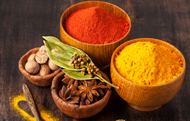
Curry powder is a commercial spice blend that, despite its name, is largely a British invention rather than a staple of authentic Indian cuisine.
Created in the 18th century to replicate the complex, vibrant flavours of Indian food for British palates, it acts as a convenient, ready-made seasoning rather than a traditional Indian spice mix, which usually involves individual, freshly ground spices for each dish.
History and Origin
Curry powder is widely considered a British invention from the colonial era. It was created to allow British officials and traders, who grew accustomed to the rich, complex spices of Indian cuisine during the Raj, to replicate those flavours in Britain, where specialized spices and fresh ingredients were unavailable or hard to find.
The term "Curry" derives from the Tamil word kari (sauce), adopted by Portuguese traders to describe Indian spiced dishes.
Global spread was heavily driven by the British Navy and colonial migration, leading to unique adaptations like Japanese curry rice, the creamy, mild British style, and the Caribbean’s Scotch-bonnet-spiced curries, which were brought by 19th-century indentured labour.
- • Indian Curry Powders (Masalas)
- • Garam Masala
- • Madras Curry Powder
- • Tandoori Masala
- • Chaat Masala
- • Japanese Curry Powder (Katsu Curry)
- • Thai Curry Powders
- • Jamaican Curry Powder
- • Vadouvan (French Masala)
Types of curry powder vary widely by region, from aromatic Indian blends like Garam Masala (warm, fragrant) and spicy Madras (chili-infused) to sweet Japanese versions (often mild and fruity) and pungent Jamaican blends featuring allspice, with key components like turmeric, coriander, and cumin often forming the base across most.
There's no single "curry powder," but rather numerous regional variations and specific mixes (masalas) used in different cuisines.
Types of curry powder
- Indian Curry Powders (Masalas)
- Garam Masala: Translates to "hot spice," but means "warm" and aromatic; used for fragrance in finished dishes or recipes.
- Madras Curry Powder: Known for heat, often containing cayenne, chili, and fenugreek.
- Tandoori Masala: A blend for marinades, with a smoky, tangy profile.
- Chaat Masala: A tangy, zesty blend with black salt, often used as a finishing spice.
Other Regional Varieties
- Japanese Curry Powder (Katsu Curry): Mild, slightly sweet, with hints of fennel or anise and mushroom powder.
- Thai Curry Powders: Often used as pastes (green, red), featuring ingredients like lemongrass, galangal, chiles, and makrut lime.
- Jamaican Curry Powder: Defined by allspice, tasting like cinnamon, nutmeg, and clove; used for chicken or goat.
- Vadouvan (French Masala): A French take with shallots, garlic, and curry leaves.
Key Ingredients (Common Across Many Blends)
- Base: Turmeric (for colour), coriander, cumin, fenugreek.
- Heat and Aroma: Black pepper, cardamom, cinnamon, cloves, chili.
- Flavour Enhancers: Ginger, mustard seeds, fennel, sometimes garlic or onion.
How They Differ
- Spice Level: Ranges from mild (Korma) to very hot (Vindaloo).
- Primary Flavour: Can be earthy (Madras), aromatic (Garam Masala), sweet (Japanese), or pungent (Jamaican).
- Ingredients: Unique spice combinations define each style, from simple blends to complex mixtures.
Spices ” Curry Powder ” ( Nutritional value )
Nutritional value per 2 g – 1 Teaspoon
Spices, curry powder
|
Nutrient ( Proximate’s )
|
Unit
|
Value
|
Daily Value %
|
|
Energy
|
kcal
|
6
|
0.3%
|
|
Protein
|
g
|
0.29
|
0.5%
|
|
Total lipid (fat)
|
g
|
0.28
|
0.3%
|
|
Carbohydrate, by difference
|
g
|
1.12
|
0.4%
|
|
Fiber, total dietary
|
g
|
1.1
|
3.9%
|
|
Sugars, total
|
g
|
0.06
|
|
|
Minerals
|
|||
|
Calcium, Ca
|
mg
|
10
|
0.7%
|
|
Iron, Fe
|
mg
|
0.38
|
2.1%
|
|
Magnesium, Mg
|
mg
|
5
|
1.1%
|
|
Phosphorus, P
|
mg
|
7
|
0.5%
|
|
Potassium, K
|
mg
|
23
|
0.4%
|
|
Sodium, Na
|
mg
|
1
|
.004%
|
|
Zinc, Zn
|
mg
|
0.09
|
0.8%
|
|
Copper, Cu
|
mg
|
0.024
|
2.6%
|
|
Manganese, Mn
|
mg
|
0.166
|
7.2%
|
|
Selenium, Se
|
mcg |
0.8
|
1.4%
|
|
Vitamins
|
|||
|
Vitamin C, total ascorbic acid
|
mg
|
0.0
|
|
|
Thiamin (B-1)
|
mg
|
0.004
|
0.3%
|
|
Riboflavin (B-2)
|
mg
|
0.004
|
0.3%
|
|
Niacin (B-3)
|
mg
|
0.065
|
5%
|
|
Pantothenic acid (B-5)
|
mg
|
0.021
|
0.1%
|
|
Vitamin (B-6)
|
mg
|
0.002
|
0.1%
|
|
Folate (B-9)
|
mcg
|
1
|
0.2%
|
|
Vitamin A, RAE
|
mcg
|
0
|
|
|
Vitamin E (alpha-tocopherol)
|
mg
|
0.50
|
3.3%
|
|
Vitamin K (phylloquinone)
|
mcg
|
2.0
|
1.6%
|
|
Lipids
|
|||
|
Saturated Fatty Acids
|
g
|
0.033
|
0.1%
|
|
Monounsaturated Fatty Acids
|
g
|
0.176
|
|
|
Polyunsaturated Fatty Acids
|
g
|
0.061
|
|
|
Trans Fatty Acids
|
g
|
0.000
|
|
|
Carotenoids
|
|||
|
Beta-Carotene
|
mcg
|
0
|
|
|
Lutein + zeaxanthin
|
mcg
|
0
|
|
Reference Values are based on a 2,000 Calorie Intake, for Adults and Children 4 or More Years of Age. Your daily values may be higher or lower depending on your calorie needs.
Percentages are roughly approximated using (RDA) Recommended Dietary Allowances for adults. Source: USDA United States Department of Agriculture.
Reference Values for Nutrition – FDA U.S. Food and Drug Administration.
Curry Powder Nutritional Value
Curry powder's health benefits come from its blended spices, including anti-inflammatory properties from turmeric's curcumin, antioxidant effects, improved digestion, and potential benefits for heart and brain health. It can also help boost metabolism and support the immune system. While the benefits are numerous, they are best when consumed as part of a balanced diet.
BRAIN HEALTH
Curry powder, especially its main component turmeric (curcumin), shows promising links to better brain health by potentially reducing inflammation, boosting new brain cell growth (neurogenesis), and improving memory, with studies suggesting regular consumption may lower cognitive decline risk in older adults, though more human trials are needed to confirm these effects for disease prevention.METABOLISM AND WEIGHT MANAGEMENT
Curry powder can positively impact metabolism through spices like turmeric (curcumin) and chili (capsaicin), potentially boosting fat burning, improving insulin sensitivity, and regulating blood sugar, while also helping to control appetite, all contributing to better metabolic health and weight management, though more human research is needed.DIGESTIVE SUPPORT
Curry powder supports digestion through its blend of spices like turmeric, ginger, cumin, and coriander, which stimulate digestive enzymes, reduce inflammation, relieve nausea, and promote healthy gut bacteria, helping with bloating, gas, and overall gut function, though benefits largely come from individual components. Key ingredients like ginger aid motility, cumin boosts bile for fat digestion, and turmeric (curcumin) fights inflammation in the gut, while coriander reduces gas.SUPPORTS HEART HEALTH
Curry powder supports heart health by providing anti-inflammatory antioxidants (like curcumin from turmeric) that reduce risk factors such as high cholesterol, improve blood flow, and lower blood pressure, while also helping to flavour meals, allowing for less salt. Key ingredients like turmeric, ginger, and basil act as vasodilators and combat oxidative stress, protecting blood vessels and potentially improving exercise tolerance in heart failure, making curry a heart-friendly seasoning when used in moderation and with healthy recipes.
POTENT ANTI-INFLAMMATORY AGENT
Curry powder is a potent anti-inflammatory agent, primarily due to its key ingredient, turmeric, and its active compound curcumin, which blocks inflammatory pathways and enzymes like IL-6, TNF-alpha, and COX-2. Other curry spices like ginger, coriander, and black pepper also contribute, with black pepper significantly boosting curcumin's absorption. Regular consumption helps with conditions like arthritis, reducing pain and swelling, but proper absorption with black pepper is crucial for maximum benefit.RICH IN ANTIOXIDANTS
Curry powder is rich in antioxidants due to its blend of spices like turmeric (curcumin), cumin, and coriander, which combat cell-damaging free radicals, reduce inflammation, and support overall health by fighting oxidative stress linked to chronic diseases like cancer and heart disease. Its beneficial compounds, including flavonoids and phenolic compounds, can boost immunity and improve nutrient absorption, though commercial blends may contain added salt or fillers.IMMUNE SYSTEM SUPPORT
Curry powder supports the immune system primarily through turmeric's active compound, curcumin, which boosts the body's antimicrobial defences (CAMP protein) and modulates immune cell activity, while other spices like cumin and coriander add antioxidants, fighting inflammation and cellular damage to help ward off infections and reduce disease risk, with black pepper enhancing absorption.IMPROVED MOOD
Curry powder, primarily through its main ingredient turmeric's active compound curcumin, may improve mood by boosting serotonin and dopamine (mood regulators), reducing inflammation linked to depression, and acting somewhat like an antidepressant by blocking enzymes that break down feel-good neurotransmitters, with studies showing benefits for memory and depression symptoms, though it's not a cure.
References
Nutrient Database – USDA (United States Department of Agriculture)
Reference Values for Nutrition – FDA U.S. Food and Drug Administration
Potent anti-inflammatory agent - Curry powder is a potent anti-inflammatory agent, primarily due to its key ingredient, turmeric, and its active compound curcumin, which blocks inflammatory pathways and enzymes like IL-6, TNF-alpha, and COX-2. Other curry spices like ginger, coriander, and black pepper also contribute, with black pepper significantly boosting curcumin's absorption. Regular consumption helps with conditions like arthritis, reducing pain and swelling, but proper absorption with black pepper is crucial for maximum benefit.
Rich in antioxidants - Curry powder is rich in antioxidants due to its blend of spices like turmeric (curcumin), cumin, and coriander, which combat cell-damaging free radicals, reduce inflammation, and support overall health by fighting oxidative stress linked to chronic diseases like cancer and heart disease. Its beneficial compounds, including flavonoids and phenolic compounds, can boost immunity and improve nutrient absorption, though commercial blends may contain added salt or fillers.
Digestive support - Curry powder supports digestion through its blend of spices like turmeric, ginger, cumin, and coriander, which stimulate digestive enzymes, reduce inflammation, relieve nausea, and promote healthy gut bacteria, helping with bloating, gas, and overall gut function, though benefits largely come from individual components. Key ingredients like ginger aid motility, cumin boosts bile for fat digestion, and turmeric (curcumin) fights inflammation in the gut, while coriander reduces gas.
Supports heart health - Curry powder supports heart health by providing anti-inflammatory antioxidants (like curcumin from turmeric) that reduce risk factors such as high cholesterol, improve blood flow, and lower blood pressure, while also helping to flavour meals, allowing for less salt. Key ingredients like turmeric, ginger, and basil act as vasodilators and combat oxidative stress, protecting blood vessels and potentially improving exercise tolerance in heart failure, making curry a heart-friendly seasoning when used in moderation and with healthy recipes.
Brain health - Curry powder, especially its main component turmeric (curcumin), shows promising links to better brain health by potentially reducing inflammation, boosting new brain cell growth (neurogenesis), and improving memory, with studies suggesting regular consumption may lower cognitive decline risk in older adults, though more human trials are needed to confirm these effects for disease prevention.
Metabolism and weight management - Curry powder can positively impact metabolism through spices like turmeric (curcumin) and chili (capsaicin), potentially boosting fat burning, improving insulin sensitivity, and regulating blood sugar, while also helping to control appetite, all contributing to better metabolic health and weight management, though more human research is needed.
Immune system support - Curry powder supports the immune system primarily through turmeric's active compound, curcumin, which boosts the body's antimicrobial defences (CAMP protein) and modulates immune cell activity, while other spices like cumin and coriander add antioxidants, fighting inflammation and cellular damage to help ward off infections and reduce disease risk, with black pepper enhancing absorption.
Improved mood - Curry powder, primarily through its main ingredient turmeric's active compound curcumin, may improve mood by boosting serotonin and dopamine (mood regulators), reducing inflammation linked to depression, and acting somewhat like an antidepressant by blocking enzymes that break down feel-good neurotransmitters, with studies showing benefits for memory and depression symptoms, though it's not a cure.