




1. Oregano Facts
2. Types of Oregano
3. Oregano Nutritional Value
4. Oregano Health Benefits
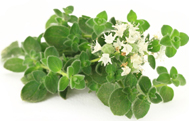
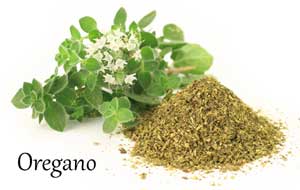
Oregano (Origanum vulgare) is a hardy, aromatic, perennial herb in the mint family (Lamiaceae), widely renowned for its pungent, earthy flavour in both Mediterranean and Mexican cuisines.
Native to the Mediterranean region, this herb is a staple in Italian, Greek, and Turkish cooking, frequently used in tomato-based sauces, pizzas, grilled meats, and salads.
History and Origin
Oregano (Origanum vulgare) is a perennial herb in the mint family (Lamiaceae) that originated in the Mediterranean region, North Africa, and Western Asia.
Its name is derived from the Greek words oros ("mountain") and ganos ("joy"), translating to "joy of the mountain". It was historically used in ancient Greece and Rome for cooking, medicine, and in wedding ceremonies for good luck.
- • Greek Oregano
- • Italian Oregano
- • Mexican Oregano
- • Origanum vulgare
- • Golden Oregano
- • Syrian Oregano
- • Hot & Spicy Oregano
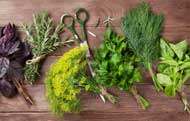
Oregano refers to several herbs in the Origanum genus, with key types including Greek Oregano (O. vulgare hirtum) for robust flavour (pizza, sauces), Italian Oregano (O. x majoricum) offering a sweeter, milder taste, and Mexican Oregano (Lippia graveolens), a distinct citrusy species used in salsas, plus ornamental varieties like Golden Oregano (O. vulgare var. aureum) for foliage.
Common Culinary Types
- Greek Oregano (Origanum vulgare hirtum): The most common, known for its strong, pungent, earthy flavour, ideal for Mediterranean dishes, pizza, and tomato sauces.
- Italian Oregano (Origanum x majoricum): A hybrid of Greek oregano and marjoram, offering a sweeter, less bitter, and more floral taste for general cooking.
- Mexican Oregano (Lippia graveolens): A different plant species with a citrusy, lemony flavour, essential for Mexican cuisine like chili and mole, and not interchangeable with Mediterranean oregano.
Other Varieties
- Origanum vulgare: The species name for common or wild oregano, with variable, often weaker, flavour.
- Golden Oregano (O. vulgare var. aureum): Edible with bright yellow-green foliage, adds colour to gardens.
- Syrian Oregano (Origanum syriacum): Used in Middle Eastern za'atar spice blends.
- Hot & Spicy Oregano: A pungent cultivar of Greek oregano that adds significant heat.
Spices ” Oregano ” ( Nutritional value )
Nutritional value per 1 g – 1 Tablespoon, leaves
Spices, oregano, dried
|
Nutrient ( Proximate’s )
|
Unit
|
Value
|
Daily Value %
|
|
Energy
|
kcal
|
3
|
0.1%
|
|
Protein
|
g
|
0.09
|
0.1%
|
|
Total lipid (fat)
|
g
|
0.04
|
.005%
|
|
Carbohydrate, by difference
|
g
|
0.69
|
0.2%
|
|
Fiber, total dietary
|
g
|
0.4
|
1.4%
|
|
Sugars, total
|
g
|
0.04
|
|
|
Minerals
|
|||
|
Calcium, Ca
|
mg
|
16
|
1.2%
|
|
Iron, Fe
|
mg
|
0.37
|
2%
|
|
Magnesium, Mg
|
mg
|
3
|
0.7%
|
|
Phosphorus, P
|
mg
|
1
|
.008%
|
|
Potassium, K
|
mg
|
13
|
0.2%
|
|
Sodium, Na
|
mg
|
0
|
|
|
Zinc, Zn
|
mg
|
0.03
|
0.2%
|
|
Copper, Cu
|
mg
|
0.006
|
0.6%
|
|
Manganese, Mn
|
mg
|
0.050
|
2.1%
|
|
Selenium, Se
|
mcg
|
0.0
|
|
|
Vitamins
|
|||
|
Vitamin C, total ascorbic acid
|
mg
|
0.0
|
|
|
Thiamin (B-1)
|
mg
|
0.002
|
0.1%
|
|
Riboflavin (B-2)
|
mg
|
0.005
|
0.3%
|
|
Niacin (B-3)
|
mg
|
0.046
|
0.2%
|
|
Pantothenic acid (B-5)
|
mg
|
0.009
|
0.1%
|
|
Vitamin (B-6)
|
mg
|
0.010
|
0.5%
|
|
Folate (B-9)
|
mcg
|
2
|
0.5%
|
|
Vitamin (B-12)
|
mcg
|
0.00
|
|
|
Vitamin A, RAE
|
mcg
|
||
|
Vitamin E (alpha-tocopherol)
|
mg
|
0.18
|
1.2%
|
|
Vitamin D (D2 + D3)
|
mcg
|
0
|
|
|
Vitamin K (phylloquinone)
|
mcg
|
6.2
|
5.1%
|
|
Lipids
|
|||
|
Saturated Fatty Acids
|
g
|
0.016
|
0.08%
|
|
Monounsaturated Fatty Acids
|
g
|
0.007
|
|
|
Polyunsaturated Fatty Acids
|
g
|
0.014
|
|
|
Trans Fatty Acids
|
g
|
0.000
|
|
|
Carotenoids
|
|||
|
Beta-Carotene
|
mcg
|
10
|
|
|
Beta-Cryptoxanthin
|
mcg
|
0
|
|
|
Lutein + zeaxanthin
|
mcg
|
19
|
|
Reference Values are based on a 2,000 Calorie Intake, for Adults and Children 4 or More Years of Age. Your daily values may be higher or lower depending on your calorie needs.
Percentages are roughly approximated using (RDA) Recommended Dietary Allowances for adults. Source: USDA United States Department of Agriculture.
Reference Values for Nutrition – FDA U.S. Food and Drug Administration.
Oregano Nutritional Value
Oregano is a potent herb rich in antioxidants (such as carvacrol and thymol) that offer significant antibacterial, anti-inflammatory, and antifungal properties.
Oregano supports digestive health, helps treat infections (including SIBO), reduces respiratory issues, and may aid in lowering cholesterol, managing weight, and relieving stress.
POTENT SOURCE OF ANTIOXIDANTS
Oregano is a potent source of antioxidants, particularly phenolic compounds like carvacrol, thymol, and rosmarinic acid, which help the body combat oxidative stress and cell damage caused by free radicals.PAIN RELIEF
Oregano oil may offer pain relief through its anti-inflammatory and mild analgesic properties, largely due to active compounds like carvacrol and thymol. It is primarily used topically for muscle and joint aches, or orally as a supplement for inflammatory conditions, but should always be used with caution and professional consultation.SUPPORTS DIGESTION
Oregano supports digestion by stimulating digestive enzymes, easing gas/bloating, fighting bad gut bacteria (like H. pylori) with compounds like carvacrol, and reducing gut inflammation, making meals feel less heavy through its antimicrobial, antioxidant, and anti-inflammatory properties. You can use it as tea, in cooking, or take diluted oregano oil with meals for benefits like improved motility, gut balance, and relief from cramps or bloating, but use oil short-term and consult a doctor if pregnant or have health issues.ANTI-INFLAMMATORY
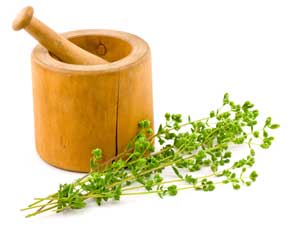
Oregano possesses anti-inflammatory properties, which are primarily attributed to its active compounds like carvacrol, thymol, rosmarinic acid, and beta-caryophyllin.
IMMUNE SUPPORT
Oregano, particularly in the form of its essential oil, is widely recognized for its potent antibacterial, antifungal, and anti-inflammatory properties, which are largely attributed to its key compounds, carvacrol and thymol.FIGHTS INFECTIONS
Oregano, particularly in the form of concentrated oregano oil (oil of oregano), contains compounds that laboratory studies suggest may help the body fight bacterial, viral, and fungal infections. The primary active ingredients responsible for these properties are carvacrol and thymol.RICH IN VITAMINS
Oregano is rich in vitamins, especially Vitamin K, essential for blood clotting and bones, but also contains beneficial amounts of Vitamins A, C, E, and B vitamins like folate, alongside minerals (iron, manganese, calcium) and powerful antioxidants (thymol, carvacrol) that support immunity and fight inflammation. It's a nutritional powerhouse, adding flavour and health benefits to meals.SOURCE OF IMPORTANT MINERALS
Oregano is a good source of important minerals, particularly in its dried form, offering significant amounts of Potassium, Calcium, Magnesium, Iron, Phosphorus, and Manganese, along with trace minerals like Zinc, Copper, and Selenium, contributing to bone health, energy, and overall bodily functions, though its tannins might affect iron absorption.
References
Nutrient Database – USDA (United States Department of Agriculture)
Reference Values for Nutrition – FDA U.S. Food and Drug Administration
Potent source of antioxidants - Oregano is a potent source of antioxidants, particularly phenolic compounds like carvacrol, thymol, and rosmarinic acid, which help the body combat oxidative stress and cell damage caused by free radicals.
Fights infections - Oregano, particularly in the form of concentrated oregano oil (oil of oregano), contains compounds that laboratory studies suggest may help the body fight bacterial, viral, and fungal infections. The primary active ingredients responsible for these properties are carvacrol and thymol.
Supports digestion - Oregano supports digestion by stimulating digestive enzymes, easing gas/bloating, fighting bad gut bacteria (like H. pylori) with compounds like carvacrol, and reducing gut inflammation, making meals feel less heavy through its antimicrobial, antioxidant, and anti-inflammatory properties. You can use it as tea, in cooking, or take diluted oregano oil with meals for benefits like improved motility, gut balance, and relief from cramps or bloating, but use oil short-term and consult a doctor if pregnant or have health issues.
Anti-inflammatory - Oregano possesses anti-inflammatory properties, which are primarily attributed to its active compounds like carvacrol, thymol, rosmarinic acid, and beta-caryophyllin.
Immune support - Oregano, particularly in the form of its essential oil, is widely recognized for its potent antibacterial, antifungal, and anti-inflammatory properties, which are largely attributed to its key compounds, carvacrol and thymol.
Pain relief - Oregano oil may offer pain relief through its anti-inflammatory and mild analgesic properties, largely due to active compounds like carvacrol and thymol. It is primarily used topically for muscle and joint aches, or orally as a supplement for inflammatory conditions, but should always be used with caution and professional consultation.
Rich in vitamins - Oregano is rich in vitamins, especially Vitamin K, essential for blood clotting and bones, but also contains beneficial amounts of Vitamins A, C, E, and B vitamins like folate, alongside minerals (iron, manganese, calcium) and powerful antioxidants (thymol, carvacrol) that support immunity and fight inflammation. It's a nutritional powerhouse, adding flavour and health benefits to meals.
Source of important minerals - Oregano is a good source of important minerals, particularly in its dried form, offering significant amounts of Potassium, Calcium, Magnesium, Iron, Phosphorus, and Manganese, along with trace minerals like Zinc, Copper, and Selenium, contributing to bone health, energy, and overall bodily functions, though its tannins might affect iron absorption.