





1. Cod Facts
2. Types of Cod
3. Cod Nutritional Value
4. Cod Health Benefits
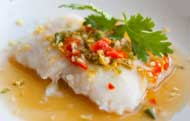
Cod (salt water) is a highly popular, versatile white fish renowned for its mild, delicate flavour and firm, flaky texture.
Often referred to as the "least fishiest fish" due to its low oil content, it is an ideal choice for those who are wary of strong-tasting seafood.
History and Origin of Cod Fishes in Australia
Imported European Cod
The history of European Cod is deeply intertwined with the development of modern capitalism, global trade networks, and European expansion, serving as a foundational commodity that bridged the medieval and modern worlds.
For over 600 years, the pursuit of this abundant, storable fish shaped economies from the Arctic to Africa, fuelled the slave trade in the Caribbean, and created "codfish aristocracies" in New England.
Native Australian Freshwater Cod (Murray Cod)
The Murray Cod (Maccullochella peelii) is Australia's largest freshwater fish, endemic to the Murray-Darling Basin, with a history spanning thousands of years as a vital Indigenous food source and a significant cultural icon. Known to First Nations people by names like Goodoo, they are central to creation stories.
European settlers heavily fished them starting in the 1850s, causing dramatic population declines by the 1960s, leading to strict conservation, aquaculture, and restocking programs today.
Murray Cod is Australia's premier freshwater fish, celebrated for its mild, delicate taste, low oiliness, and moist, succulent, firm white flesh.
Farmed Murray Cod is the most sustainable and available form, often used in high-end cuisine. It is highly versatile and maintains its texture during various cooking methods.
Murray Cod Cooking Methods
Pan-Frying: Provides crispy skin. Pan-sear skin-side down for 3–4 minutes until firm, then flip and baste with butter and herbs.
Baking: Best at 170 – 180C for 10–12 minutes with seasonings.
Steaming: Perfect for Chinese-style preparations with soy, ginger, and sesame oil.
BBQ/Grilling: Ideal for whole fish, often served with salsa verde. Lemon pepper added, is also a favourite when grilling this fish cut into steaks.
Deep-Frying/Battering: A classic method, suitable for fillets.
Local indigenous peoples: Many local indigenous people prefer this fish baked on the coals or thrown on the fire many will say.
- • Murray Cod (Maccullochella peelii)
- • Bar Rockcod (Epinephelus spp.)
- • Rankin Cod (Epinephelus multinotatus)
- • Imported Atlantic Cod (Gadus morhua)
In Australia, "cod" refers to premium native freshwater species and various saltwater reef fish (rockcods), distinct from imported Atlantic cod. The premier, highly regarded type is Murray Cod, known for its mild, buttery flavour and firm, moist, large-flaked white flesh.
Other common types include Bar Rockcod, Rankin Cod, and imported Atlantic Cod, all typically featuring mild, white, versatile meat suitable for baking, grilling, and steaming.
Key Types of Cod in Australia
- Murray Cod (Maccullochella peelii): Iconic, sustainably farmed freshwater fish. It has a mild, creamy flavour, very white flesh, and is considered a luxury ingredient.
- Bar Rockcod (Epinephelus spp.): Found on the continental shelf. Features firm, moist white flesh with a mild flavour, popular for steaming, pan-frying, or grilling.
- Rankin Cod (Epinephelus multinotatus): A premium WA reef fish with firm, white flesh, a mild, clean flavour, and a slightly sweet finish.
- Imported Atlantic Cod (Gadus morhua): Widely available frozen or occasionally fresh, known for its very mild, slightly sweet taste and delicate, flaky texture.
Taste and Texture Profile
- Murray Cod: Creamy, mild, and buttery with a high-quality, firm, and moist, large-flaked texture.
- Reef Cods (Bar/Rankin): Mild, clean, and often slightly sweet with a very firm, moist, white, and flaky texture.
- Imported Cod: Very mild, clean, and savory with a delicate, flaky, and tender texture.
Availability
- Murray Cod: Available year-round (farmed), often sold whole or as fillets, and highly prized in restaurants.
- Reef Cods: Generally available through specialized fishmongers and restaurants, particularly in Western Australia.
- Imported Cod: Widely available in supermarkets and seafood retailers.
Cod ( Nutritional value )
Value per 100 g
Fish, cod, Pacific, cooked, dry heat (may contain additives to retain moisture)
|
Nutrient ( Proximate’s )
|
Unit
|
Value
|
Daily Value %
|
|
Energy
|
kcal
|
85
|
4.2%
|
|
Protein
|
g
|
18.7
|
37.5%
|
|
Total lipid (fat)
|
g
|
0.5
|
0.6%
|
|
Carbohydrate, by difference
|
g
|
0.00
|
0.00
|
|
Fiber, total dietary
|
g
|
0.0
|
0.0
|
|
Sugars, total
|
g
|
0.00
|
0.00
|
|
Minerals
|
|||
|
Calcium, Ca
|
mg
|
10
|
0.7%
|
|
Iron, Fe
|
mg
|
0.2
|
1.1%
|
|
Magnesium, Mg
|
mg
|
24
|
5.7%
|
|
Phosphorus, P
|
mg
|
345
|
27.6%
|
|
Potassium, K
|
mg
|
289
|
6.1%
|
|
Sodium, Na
|
mg
|
372
|
16.1%
|
|
Zinc, Zn
|
mg
|
0.39
|
3.5%
|
|
Copper, Cu
|
mg
|
0.024
|
2.6%
|
|
Manganese, Mn
|
mg
|
0.015
|
0.6%
|
|
Selenium, Se
|
mcg
|
28
|
50.9%
|
|
Vitamins
|
|||
|
Vitamin C, total ascorbic acid
|
mg
|
0.0
|
0.0
|
|
Thiamin (B-1)
|
mg
|
0.038
|
3.1%
|
|
Riboflavin (B-2)
|
mg
|
0.055
|
4.2%
|
|
Niacin (B-3)
|
mg
|
1.343
|
8.3%
|
|
Pantothenic acid (B-5)
|
mg
|
0.361
|
7.2%
|
|
Vitamin (B-6)
|
mg
|
0.136
|
8%
|
|
Folate (B-9)
|
mcg
|
8
|
2%
|
|
Choline
|
mg
|
79.7
|
14.4% |
|
Vitamin (B-12)
|
mcg
|
2.31
|
96.2%
|
|
Vitamin A, RAE
|
mcg
|
2
|
0.2%
|
|
Vitamin E (alpha-tocopherol)
|
mg
|
0.67
|
4.4%
|
|
Vitamin D (D2 + D3) International Units
|
IU
|
24
|
3%
|
|
Vitamin D (D2 + D3)
|
mcg
|
0.6
|
3% |
|
Retinol
|
mcg
|
0.6
|
|
|
Vitamin K (phylloquinone)
|
mcg
|
0.0
|
0.0
|
|
Lipids
|
|||
|
Saturated Fatty Acids
|
g
|
0.105
|
0.5%
|
|
Monounsaturated Fatty Acids
|
g
|
0.089
|
|
|
Polyunsaturated Fatty Acids
|
g
|
0.201
|
|
|
Trans Tatty Acids
|
g
|
0.006
|
|
|
Cholesterol
|
mg
|
57
|
19%
|

Reference Values are based on a 2,000 Calorie Intake, for Adults and Children 4 or More Years of Age. Your daily values may be higher or lower depending on your calorie needs.
Percentages are roughly approximated using (RDA) Recommended Dietary Allowances for adults. Source: USDA United States Department of Agriculture.
Reference Values for Nutrition – FDA U.S. Food and Drug Administration.
Cod Nutritional Value
Cod is a highly nutritious, low-calorie white fish packed with lean protein, essential vitamins (B12, B6), and minerals like selenium and iodine, making it excellent for heart health, weight management, and brain function.
It supports immune health, helps regulate metabolism, and provides beneficial omega-3 fatty acids, with low mercury levels making it a safe, nutrient-dense choice.
SUPPORTS METABOLISM
Cod fish significantly supports metabolic health, acting as a low-calorie, high-protein food that helps regulate blood sugar, reduces nonesterified fatty acids, and improves cholesterol levels (lower LDL, higher HDL). Its high protein content aids weight management, while iodine and selenium support thyroid function.PROMOTES HEART HEALTH
Cod is a highly nutritious, lean white fish that promotes heart health by providing omega-3 fatty acids (EPA and DHA), which help reduce inflammation, lower blood pressure, and decrease the risk of heart disease. As a low-fat, low-calorie protein source, it supports healthy cholesterol levels and is recognized for its cardiovascular benefits.LOW IN CALORIES AND FAT
Cod is an exceptionally healthy, nutrient-dense white fish, perfect for weight management due to being very low in calories (approx. 100 per 100g) and fat (1g per 100g) while providing high-quality protein. It is rich in vitamins B12 and B6, selenium, iodine, and phosphorus, which support metabolism, heart health, and brain function.RICH IN VITAMINS
Cod is packed with essential vitamins, particularly B12 for nerve/blood health and, in its liver oil, vitamins A and D for immune and bone support. It offers high-quality protein (approx. 25g/6oz serving), selenium, and phosphorus, while being low in calories and mercury. It supports heart health and cognitive function.BENEFICIAL FOR THYROID HEALTH
Cod is highly beneficial for thyroid health, primarily due to its high concentration of iodine and selenium, which are essential for producing and regulating thyroid hormones. A 100g serving of cod provides a significant portion of the daily iodine requirement, helping to maintain proper metabolic function and prevent conditions like goiters and hypothyroidism.

HIGH QUALITY LEAN PROTEIN
Cod is highly regarded as a premier source of high-quality, lean protein, offering a nutrient-dense profile that supports muscle maintenance and metabolic health without excess calories or fat. As a white-fleshed fish, it is particularly suitable for weight management and heart-healthy diets.BRAIN FUNCTION AND MENTAL HEALTH
Cod fish and particularly cod liver oil offer significant health benefits for brain function and mental health, primarily due to their high concentration of omega-3 fatty acids (DHA and EPA), vitamin D, and selenium. These nutrients are crucial for maintaining brain structure, improving cognitive performance, and reducing symptoms of mental health conditions like depression and anxiety.PROVIDES ESSENTIAL NUTRIENTS
Cod is a highly nutritious, low-fat white fish packed with high-quality protein, essential selenium, iodine, and vitamin B12, making it ideal for heart health, weight management, and improved cognitive function. It provides significant omega-3 fatty acids, which reduce inflammation, and helps support strong bones and immune function.BONE AND MUSCLE HEALTH
Cod, both as a fish and as cod liver oil, offers significant health benefits for bone and muscle health due to its high-quality protein content and high concentrations of essential nutrients like Vitamin D, phosphorus, and selenium. It is considered a lean source of protein, making it excellent for muscle maintenance without excessive calorie intake.VERY LOW MERCURY LEVELS
Cod has very low mercury levels, making it safe for regular consumption, including for pregnant women. It is a rich source of selenium, vitamin B12, and omega-3 fatty acids, promoting heart health, cognitive function, and weight management.
References
Nutrient Database – USDA (United States Department of Agriculture)
Reference Values for Nutrition – National Institutes of Health USA
High quality lean protein - Cod is highly regarded as a premier source of high-quality, lean protein, offering a nutrient-dense profile that supports muscle maintenance and metabolic health without excess calories or fat. As a white-fleshed fish, it is particularly suitable for weight management and heart-healthy diets.
Promotes heart health - Cod is a highly nutritious, lean white fish that promotes heart health by providing omega-3 fatty acids (EPA and DHA), which help reduce inflammation, lower blood pressure, and decrease the risk of heart disease. As a low-fat, low-calorie protein source, it supports healthy cholesterol levels and is recognized for its cardiovascular benefits.
Low in calories and fat - Cod is an exceptionally healthy, nutrient-dense white fish, perfect for weight management due to being very low in calories (approx. 100 per 100g) and fat (1g per 100g) while providing high-quality protein. It is rich in vitamins B12 and B6, selenium, iodine, and phosphorus, which support metabolism, heart health, and brain function.
Rich in vitamins - Cod is a highly nutritious, low-fat white fish packed with essential vitamins, particularly B12 for nerve/blood health and, in its liver oil, vitamins A and D for immune and bone support. It offers high-quality protein (approx. 25g/6oz serving), selenium, and phosphorus, while being low in calories and mercury. It supports heart health and cognitive function.
Beneficial for thyroid health - Cod is highly beneficial for thyroid health, primarily due to its high concentration of iodine and selenium, which are essential for producing and regulating thyroid hormones. A 100g serving of cod provides a significant portion of the daily iodine requirement, helping to maintain proper metabolic function and prevent conditions like goiters and hypothyroidism.
Supports metabolism - Cod fish significantly supports metabolic health, acting as a low-calorie, high-protein food that helps regulate blood sugar, reduces nonesterified fatty acids, and improves cholesterol levels (lower LDL, higher HDL). Its high protein content aids weight management, while iodine and selenium support thyroid function.
Brain function and mental health - Cod fish and particularly cod liver oil offer significant health benefits for brain function and mental health, primarily due to their high concentration of omega-3 fatty acids (DHA and EPA), vitamin D, and selenium. These nutrients are crucial for maintaining brain structure, improving cognitive performance, and reducing symptoms of mental health conditions like depression and anxiety.
Provides essential nutrients - Cod is a highly nutritious, low-fat white fish packed with high-quality protein, essential selenium, iodine, and vitamin B12, making it ideal for heart health, weight management, and improved cognitive function. It provides significant omega-3 fatty acids, which reduce inflammation, and helps support strong bones and immune function.
Bone and muscle health - Cod, both as a fish and as cod liver oil, offers significant health benefits for bone and muscle health due to its high-quality protein content and high concentrations of essential nutrients like Vitamin D, phosphorus, and selenium. It is considered a lean source of protein, making it excellent for muscle maintenance without excessive calorie intake.
Very low mercury levels - Cod is an excellent, nutrient-dense, low-fat, and low-calorie lean protein source with very low mercury levels, making it safe for regular consumption, including for pregnant women. It is a rich source of selenium, vitamin B12, and omega-3 fatty acids, promoting heart health, cognitive function, and weight management.