




1. Shark Facts
2. Types of Shark
3. Shark Nutritional Value
4. Shark Health Benefits
Sharks are a diverse group of over 500 species of cartilaginous fish, characterized by a skeleton made of cartilage rather than bone, and skin covered in abrasive, tooth-like scales called dermal denticles.
They are known for their torpedo-shaped bodies, multiple rows of replaceable teeth, and advanced sensory capabilities, including the ability to detect electrical fields.
As food, shark meat is firm, white, and often compared to swordfish, though it can have a strong, ammonia-like odour if not prepared correctly.
History and Origin
Sharks have existed for over 400 million years, predating trees and surviving five major mass extinction events.
While they have been consumed traditionally for centuries, the "modern" consumption of sharks has expanded rapidly over the past few decades, driven by rising demand for fins, meat, and liver oil, resulting in over 70% decline in oceanic shark populations in the last 50 years.
- • Gummy Shark (Mustelus antarcticus)
- • Rig (Mustelus lenticulatus)
- • School Shark (Galeorhinus galeus)
- • Whiskery Shark (Furgaleus macki)
- • Bronze Whaler (Carcharhinus brachyurus)
- • Sawshark (Pristiophorus species)
- • Hammerhead and Wobbegong
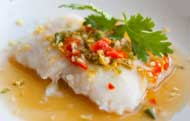
Shark meat, primarily marketed as "flake" in Australia, is a popular, mild-tasting, white-fleshed fish staple, especially in fish and chip shops.
The best quality flake comes from Gummy Shark and Rig, while other commonly sold species include School Shark, Whiskery Shark, and Bronze Whaler, offering a firm texture suitable for grilling or battering.
Common Types of Shark Sold in Australia
- Gummy Shark (Mustelus antarcticus): The premium source of flake, known for its mild flavour and soft texture.
- Rig (Mustelus lenticulatus): New Zealand shark, often sold as flake.
- School Shark (Galeorhinus galeus): Similar to gummy, often sold under the flake label, though some populations are threatened.
- Whiskery Shark (Furgaleus macki): Commonly used in Western Australia.
- Bronze Whaler (Carcharhinus brachyurus): A larger shark providing firm, white flesh.
- Sawshark (Pristiophorus species): Often sold in flake fillets.
- Hammerhead and Wobbegong: Sometimes available, though less common than gummy.
Taste and Culinary Profile
- Flavour: Very mild, subtle, and non-fishy, making it popular even with those who dislike strong seafood.
- Texture: Firm, moist, and holds together well when cooked, featuring large flakes (hence the name).
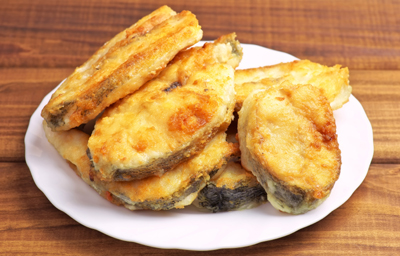
- Preparation: Best battered or grilled for fish and chips, often served with lemon and tartare sauce.
Important Notes
- Flake Definition: While "flake" technically refers to gummy shark and rig, it is often used as a generic term for several shark species.
- Sustainability: Gummy shark populations in Commonwealth-managed fisheries are generally considered healthy, but consumers should check sustainability guides.
Shark ( Nutritional value )
Value per 100 g
Fish, shark, mixed species, cooked, batter-dipped and fried
|
Nutrient ( Proximate’s )
|
Unit
|
Value
|
Daily Value %
|
|
Energy
|
kcal
|
228
|
11.4%
|
|
Protein
|
g
|
18.62
|
37.2%
|
|
Total lipid (fat)
|
g
|
13.82
|
17.7%
|
|
Carbohydrate, by difference
|
g
|
6.39
|
2.3%
|
|
Fiber, total dietary
|
g
|
0.0
|
0.0
|
|
Minerals
|
|||
|
Calcium, Ca
|
mg
|
50
|
3.8%
|
|
Iron, Fe
|
mg
|
1.11
|
6.1%
|
|
Magnesium, Mg
|
mg
|
43
|
10.2%
|
|
Phosphorus, P
|
mg
|
194
|
15.5%
|
|
Potassium, K
|
mg
|
155
|
3.2%
|
|
Sodium, Na
|
mg
|
122
|
5.3%
|
|
Zinc, Zn
|
mg
|
0.48
|
4.3%
|
|
Copper, Cu
|
mg
|
0.042
|
4.6%
|
|
Manganese, Mn
|
mg
|
0.050
|
2.1%
|
|
Selenium, Se
|
mcg
|
34
|
61.8%
|
|
Vitamins
|
|||
|
Vitamin C, total ascorbic acid
|
mg
|
0.0
|
0.0
|
|
Thiamin (B-1)
|
mg
|
0.072
|
6%
|
|
Riboflavin (B-2)
|
mg
|
0.097
|
7.4%
|
|
Niacin (B-3)
|
mg
|
2.783
|
17.3%
|
|
Pantothenic acid (B-5)
|
mg
|
0.620
|
12.4%
|
|
Vitamin (B-6)
|
mg
|
0.300
|
17.6%
|
|
Folate (B-9)
|
mcg
|
22
|
5.5%
|
|
Vitamin (B-12)
|
mcg
|
1.21
|
50.4%
|
|
Vitamin A, IU International Units
|
IU
|
180
|
6%
|
|
Lipids
|
|||
|
Saturated Fatty Acids
|
g
|
3.205
|
16%
|
|
Monounsaturated Fatty Acids
|
g
|
5.935
|
|
|
Polyunsaturated Fatty Acids
|
g
|
3.701
|
|
|
Cholesterol
|
mg
|
59
|
19.6%
|
Reference Values are based on a 2,000 Calorie Intake, for Adults and Children 4 or More Years of Age. Your daily values may be higher or lower depending on your calorie needs.
Percentages are roughly approximated using (RDA) Recommended Dietary Allowances for adults. Source: USDA United States Department of Agriculture.
Reference Values for Nutrition – FDA U.S. Food and Drug Administration.
Shark Nutritional Value
Shark meat and liver oil offer high-quality, lean protein, omega-3 fatty acids, and essential nutrients like iron, zinc, and vitamins A, D, and E, which support heart, brain, and immune health.
Shark products, including cartilage, are sometimes used to treat inflammation and, through biomedical research, show potential for developing new cancer drugs, antiviral treatments, and rapid wound-healing therapies.
Important Considerations
Contaminants: Sharks are apex predators that can accumulate high levels of mercury and other toxins, making moderation essential.
Sustainability: Many shark populations are threatened by overfishing, raising environmental concerns regarding their consumption.
Limited Evidence: While shark cartilage is used for various ailments, scientific evidence for many of its touted health benefits remains limited.
Environmental Health Role
Sharks are essential for ocean health, keeping marine ecosystems balanced by managing prey populations and supporting carbon-storing seagrass meadows.
HIGH QUALITY PROTEIN
Shark meat is an excellent source of high-quality, lean protein (approx. 21 – 25 grams per 100 grams serving) that aids in tissue repair, muscle growth, and immunity. It is low in fat, rich in selenium, and provides B vitamins (B6, B12), though consumption should be limited due to high mercury levels, especially for pregnant women and children.ESSENTIAL MINERALS AND FATTY ACIDS
Shark meat and liver oil provide significant health benefits, including high-quality protein, essential omega-3 fatty acids (EPA/DHA) for heart and brain health, and immunity-boosting nutrients. Key minerals include selenium (44% DV), phosphorus (28% DV), and smaller amounts of iron and zinc. However, due to high mercury levels in many species, consumption should be limited, particularly for pregnant individuals and children.
NUTRIENT DENSITY
Shark meat is a nutrient-dense food source that is high in lean protein and essential minerals, particularly selenium, but its consumption is heavily overshadowed by significant health risks due to high levels of mercury and other toxins. While providing valuable nutrition, it is considered a high-risk food, and authorities advise limiting or avoiding its consumption, especially for vulnerable populations.SHARK LIVER 0IL (SLO)
Shark liver oil (SLO) is a natural supplement derived from shark livers, rich in alkylglycerols (AKGs), squalene, and omega-3 fatty acids. Key health benefits include strengthening the immune system, reducing inflammation, supporting skin hydration, and potentially inhibiting cancer cell growth. It is traditionally used to combat infections, aid wound healing, and alleviate joint pain.
References
Nutrient Database – USDA (United States Department of Agriculture)
Reference Values for Nutrition – National Institutes of Health USA
High quality protein - Shark meat is an excellent source of high-quality, lean protein (approx. 21 – 25 grams per 100 grams serving) that aids in tissue repair, muscle growth, and immunity. It is low in fat, rich in selenium, and provides B vitamins (B6, B12), though consumption should be limited due to high mercury levels, especially for pregnant women and children.
Essential minerals and fatty acids - Shark meat and liver oil provide significant health benefits, including high-quality protein, essential omega-3 fatty acids (EPA/DHA) for heart and brain health, and immunity-boosting nutrients. Key minerals include selenium (44% DV), phosphorus (28% DV), and smaller amounts of iron and zinc. However, due to high mercury levels in many species, consumption should be limited, particularly for pregnant individuals and children.
Shark liver 0il (SLO) - Shark liver oil (SLO) is a natural supplement derived from shark livers, rich in alkylglycerols (AKGs), squalene, and omega-3 fatty acids. Key health benefits include strengthening the immune system, reducing inflammation, supporting skin hydration, and potentially inhibiting cancer cell growth. It is traditionally used to combat infections, aid wound healing, and alleviate joint pain.
Nutrient Density - Shark meat is a nutrient-dense food source that is high in lean protein and essential minerals, particularly selenium, but its consumption is heavily overshadowed by significant health risks due to high levels of mercury and other toxins. While providing valuable nutrition, it is considered a high-risk food, and authorities advise limiting or avoiding its consumption, especially for vulnerable populations.