





1. Snail Facts
2. Types of Snails
3. Snail Nutritional Value
4. Snail Health Benefits
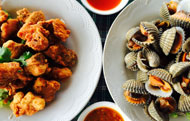
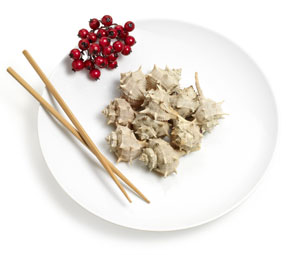
Snails (often served as escargot) are small, edible land molluscs with a soft, muscular, and slightly slimy body protected by a hard, coiled shell.
When cooked—typically in garlic, butter, and parsley—they have a mild, earthy, and savory flavour with a tender, slightly chewy, or "bouncy" texture, often compared to mushrooms, clams, or calamari.
History and Origin
Snails have been a source of human nutrition for over 170,000 years, evolving from a prehistoric survival food into a sophisticated, modern delicacy known as escargot.
While early humans gathered snails for their high protein and fat content, the Romans formalized their consumption, leading to a culinary tradition that, after centuries as "poverty food" or specialized religious fare, solidified into a high-end European dish in the 19th century.
- • Garden Snail (Cornu aspersum)
- • Imported Escargot
- • Live Snails
- • Aquarium Snails
In Australia, the primary edible snail sold for consumption is the Garden Snail (Cornu aspersum), which is farmed and processed into traditional French-style escargot, known for its earthy, mild, and slightly nutty flavour.
Live garden snails are also available, often used for gourmet cooking or as reptile food. Other options include imported canned French snails and sometimes wild-harvested or farmed white snails.
Types of Snails Sold and Available in Australia
- Garden Snail (Cornu aspersum): The most common edible species, often called "escargot" or "petit-gris." These are commercially farmed, notably in Western Australia, and are similar in taste to European counterparts.
- Imported Escargot: Canned or frozen Helix pomatia (Burgundy snails) or other species are available in specialty gourmet shops.
- Live Snails: Sold by specialized breeders, often marketed for pet food (e.g., for blue-tongue lizards) or for cooking.
- Aquarium Snails: Freshwater species like Nerite, Gold Mystery, and Ramshorn snails are available in the pet trade for algae control.
Taste and Culinary Use
- Taste: Garden snails (escargot) have a mild, earthy taste with a texture similar to mushrooms or clams. They are typically served with rich sauces, such as garlic butter and parsley.
- Culinary Availability: Primarily found at specialty food importers, high-end butchers, or specialized online, such as Southwest Snails and France at Home.
- Note: Wild garden snails should not be consumed due to potential parasites and chemical contamination.
Snail ( Nutritional value )
Value per 100 g
Mollusks, snail, raw
|
Nutrient ( Proximate’s )
|
Unit
|
Value
|
Daily Value %
|
|
Energy
|
kcal
|
90
|
4.5%
|
|
Protein
|
g
|
16.1
|
32.2%
|
|
Total lipid (fat)
|
g
|
1.4
|
1.7%
|
|
Carbohydrate, by difference
|
g
|
2.00
|
0.7%
|
|
Fiber, total dietary
|
g
|
0.0
|
0.0
|
|
Sugars, total
|
g
|
0.00
|
0.00
|
|
Minerals
|
|||
|
Calcium, Ca
|
mg
|
10
|
0.7%
|
|
Iron, Fe
|
mg
|
3.5
|
19.4%
|
|
Magnesium, Mg
|
mg
|
250
|
59.5%
|
|
Phosphorus, P
|
mg
|
272
|
21.7%
|
|
Potassium, K
|
mg
|
382
|
8.1%
|
|
Sodium, Na
|
mg
|
70
|
3%
|
|
Zinc, Zn
|
mg
|
1.00
|
9%
|
|
Copper, Cu
|
mg
|
0.4
|
44.4%
|
|
Selenium, Se
|
mcg
|
27.4
|
49.8%
|
|
Vitamins
|
|||
|
Vitamin C, total ascorbic acid
|
mg
|
0.0
|
0.0
|
|
Thiamin (B-1)
|
mg
|
0.01
|
0.8%
|
|
Riboflavin (B-2)
|
mg
|
0.12
|
9.2%
|
|
Niacin (B-3)
|
mg
|
1.4
|
8.7%
|
|
Vitamin (B-6)
|
mg
|
0.13
|
7.6%
|
|
Folate (B-9)
|
mcg
|
6
|
1.5%
|
|
Choline
|
mg
|
65
|
11.8% |
|
Vitamin (B-12)
|
mcg
|
0.5
|
20.8%
|
|
Vitamin A RAE
|
mcg
|
30
|
3.3% |
|
Vitamin A, IU
|
IU
|
100
|
3.3%
|
|
Vitamin E (alpha-tocopherol)
|
mg
|
5
|
33.3%
|
|
Vitamin D (D2 + D3) International Units
|
IU
|
0
|
0
|
|
Vitamin D (D2 + D3)
|
mcg
|
0.0
|
0.0
|
|
Vitamin D3 (cholecalciferol)
|
mcg
|
0.0
|
0.0
|
|
Vitamin K (phylloquinone)
|
mcg
|
0.1
|
0.8%
|
|
Lipids
|
|||
|
Saturated Fatty Acids
|
g
|
0.361
|
1.8%
|
|
Monounsaturated Fatty Acids
|
g
|
0.259
|
|
|
Polyunsaturated Fatty Acids
|
g
|
0.252
|
|
|
Cholesterol
|
mg
|
50
|
16.6%
|

Reference Values are based on a 2,000 Calorie Intake, for Adults and Children 4 or More Years of Age. Your daily values may be higher or lower depending on your calorie needs.
Percentages are roughly approximated using (RDA) Recommended Dietary Allowances for adults. Source: USDA United States Department of Agriculture.
Reference Values for Nutrition – FDA U.S. Food and Drug Administration.
Snails Nutritional Value
Snails are a highly nutritious, low-fat, and high-protein food source rich in iron, calcium, magnesium, and selenium.
They support immune function, bone health, and red blood cell production. Additionally, snails provide omega-3 fatty acids for heart health, while their slime is used in skincare for regeneration.
Common Uses
Dietary: Consumed as a delicacy (e.g., escargot) or in various stews.
Note: It is important to consume snails from reliable sources to avoid parasites.
SUPPORT CARDIOVASCULAR HEALTH
Snails are a highly nutritious, low-fat, and low-cholesterol food that supports cardiovascular health through a rich supply of omega-3 fatty acids, magnesium, and potassium. These nutrients help regulate blood pressure, maintain a steady heart rate, and reduce vascular diseases. They are also high in protein and iron, making them a heart-healthy alternative to red meat.RICH IN ESSENTIAL MINERALS
Snails are a highly nutritious, low-fat, and protein-rich food packed with essential minerals like iron, calcium, magnesium, selenium, and potassium. They support immune function, bone health, and cardiovascular health, while providing significant amounts of Vitamin B12, A, and E.PROVIDE SIGNIFICANT BRAIN HEALTH
Snails provide high levels of iron, phosphorus, magnesium, and selenium, along with omega-3 fatty acids that support cognitive function. Research indicates snail extract may improve Alzheimer's-related memory deficits, while studies on the "Snail" protein reveal its potential in healing brain injuries.
HIGH PROTEIN, LOW FAT
Snails are an exceptionally healthy, nutrient-dense food, offering a high-protein, low-fat, and low-calorie alternative to conventional meats. Packed with essential amino acids, iron, and magnesium, they support cardiovascular health, muscle maintenance, and immune function while being low in cholesterol.IMMUNE SYSTEM SUPPORT
Snails provide significant immune system support due to their high content of zinc, selenium, magnesium, and iron, which help build the body's defence mechanisms and fight infections. They are a low-fat, high-protein food source packed with antioxidants like Vitamin E that reduce oxidative stress and protect cells.RICH IN VITAMIN B12 AND IRON
Snails are a highly nutritious, low-fat, and calorie-dense food packed with essential nutrients, specifically rich in vitamin B12 for nerve health and iron for oxygen transport. A 100g serving offers ~20g of protein, high levels of magnesium and selenium, and significant omega-3 fatty acids. They are excellent for boosting energy, supporting immune function, and promoting skin health through collagen.
References
Nutrient Database – USDA (United States Department of Agriculture)
Reference Values for Nutrition – National Institutes of Health USA
High protein, low fat - Snails are an exceptionally healthy, nutrient-dense food, offering a high-protein, low-fat, and low-calorie alternative to conventional meats. Packed with essential amino acids, iron, and magnesium, they support cardiovascular health, muscle maintenance, and immune function while being low in cholesterol.
Support cardiovascular health - Snails are a highly nutritious, low-fat, and low-cholesterol food that supports cardiovascular health through a rich supply of omega-3 fatty acids, magnesium, and potassium. These nutrients help regulate blood pressure, maintain a steady heart rate, and reduce vascular diseases. They are also high in protein and iron, making them a heart-healthy alternative to red meat.
Rich in essential minerals - Snails are a highly nutritious, low-fat, and protein-rich food packed with essential minerals like iron, calcium, magnesium, selenium, and potassium. They support immune function, bone health, and cardiovascular health, while providing significant amounts of Vitamin B12, A, and E.
Provide significant brain health - Snails provide significant brain health benefits through high levels of iron, phosphorus, magnesium, and selenium, along with omega-3 fatty acids that support cognitive function. Research indicates snail extract may improve Alzheimer's-related memory deficits, while studies on the "Snail" protein reveal its potential in healing brain injuries.
Immune system support - Snails provide significant immune system support due to their high content of zinc, selenium, magnesium, and iron, which help build the body's defence mechanisms and fight infections. They are a low-fat, high-protein food source packed with antioxidants like Vitamin E that reduce oxidative stress and protect cells.
Rich in vitamin B12 and Iron - Snails are a highly nutritious, low-fat, and calorie-dense food packed with essential nutrients, specifically rich in vitamin B12 for nerve health and iron for oxygen transport. A 100g serving offers ~20g of protein, high levels of magnesium and selenium, and significant omega-3 fatty acids. They are excellent for boosting energy, supporting immune function, and promoting skin health through collagen.