


1. Trout Facts
2. Types of Trout
3. Trout Nutritional Value
4. Trout Health Benefits
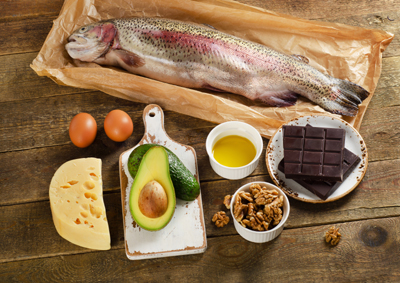
Trout are freshwater fish in the salmon family with a mild, delicate, and slightly nutty flavour, featuring a tender, flaky texture that is less oily than salmon.
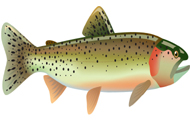
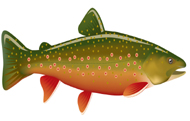
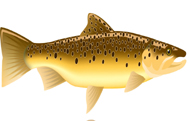
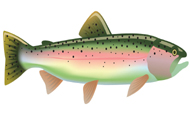
Often featuring pink or white flesh, they are versatile for cooking, frequently pan-fried, grilled, or smoked. Popular varieties include Rainbow, Brown, and Brook trout.
History and Origin
Trout have a long history as a prized, wild-caught food source in Europe and North America, but their status as a modern, commonly consumed food fish is largely due to 19th and 20th-century advancements in aquaculture and worldwide acclimatization efforts.
While originally inhabiting only the Northern Hemisphere, trout are now farmed globally, particularly in Chile, Norway, and France.
- • Rainbow Trout (Freshwater)
- • Ocean Trout (Saltwater-raised Rainbow)
- • Brown Trout (Freshwater)
- • Brook Trout (Saltwater Charr)
In Australia, the primary types of trout sold and available are Rainbow Trout and Ocean Trout (a saltwater-reared version of Rainbow), along with Brown Trout.
Farmed in places like the Victorian Goulburn River and Tasmania, these fish offer delicate, tender, and mildly flavoured pink-to-orange flesh, often used in pan-frying, smoking, and baking.
Types of Trout sold and available in Australia
- Rainbow Trout (Freshwater): The most common trout, typically farmed in freshwater ponds. They have a mild, delicate, and slightly earthy flavour with a soft, flaky texture.
- Ocean Trout (Saltwater-raised Rainbow): Raised in sea cages, these have a cleaner, richer, and less earthy taste compared to freshwater trout. They are often larger with a deeper orange colour, similar to salmon.
- Brown Trout (Freshwater): Less commonly sold in shops but popular with anglers, particularly in Victoria and WA. They have a firmer, slightly stronger, or more distinct fishy flavour compared to Rainbow trout.
- Brook Trout (Saltwater Charr): Sometimes marketed, offering a delicate taste.
Taste and Culinary Use
- Taste: Delicate, creamy, and mild; ocean-reared varieties are richer.
- Texture: Flaky and soft when cooked.
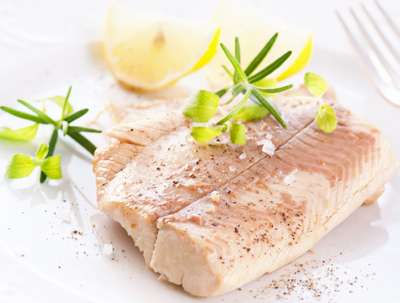
- Best Cooking Methods: Pan-fried, smoked (a popular Australian choice), baked in foil, or served as fillets/cutlets.
- Note: The highly prized "Coral Trout" is not actually a trout, but a type of reef cod/grouper, which is a popular, firm-fleshed, and mild white fish.
Trout ( Nutritional value )
Value per 100 g
Fish, trout, rainbow, farmed, cooked, dry heat
|
Nutrient ( Proximate’s )
|
Unit
|
Value
|
Daily Value %
|
|
Energy
|
kcal
|
168
|
8.4%
|
|
Protein
|
g
|
23.80
|
47.6%
|
|
Total lipid (fat)
|
g
|
7.38
|
9.4%
|
|
Carbohydrate, by difference
|
g
|
0.00
|
0.00
|
|
Fiber, total dietary
|
g
|
0.00
|
0.00
|
|
Minerals
|
|||
|
Calcium, Ca
|
mg
|
30
|
2.3%
|
|
Iron, Fe
|
mg
|
0.36
|
2.0%
|
|
Magnesium, Mg
|
mg
|
30
|
7.1%
|
|
Phosphorus, P
|
mg
|
270
|
21.6%
|
|
Potassium, K
|
mg
|
450
|
9.5%
|
|
Sodium, Na
|
mg
|
61
|
2.6%
|
|
Zinc, Zn
|
mg
|
0.54
|
4.9%
|
|
Copper, Cu
|
mg
|
0.055
|
6.1%
|
|
Manganese, Mn
|
mg
|
0.013
|
0.5%
|
|
Selenium, Se
|
mcg
|
28.1
|
51%
|
|
Vitamins
|
|||
|
Vitamin C, total ascorbic acid
|
mg
|
2.9
|
3.2%
|
|
Thiamin (B-1)
|
mg
|
0.143
|
11.9%
|
|
Riboflavin (B-2)
|
mg
|
0.107
|
8.2%
|
|
Niacin (B-3)
|
mg
|
6.646
|
41.5%
|
|
Pantothenic acid (B-5)
|
mg
|
1.990
|
39.8%
|
|
Vitamin (B-6)
|
mg
|
0.386
|
22.7%
|
|
Folate (B-9)
|
mcg
|
12
|
3%
|
|
Vitamin (B-12)
|
mcg
|
4.11
|
171.2%
|
|
Vitamin A, IU International Units
|
IU
|
301
|
10%
|
|
Vitamin E (alpha-tocopherol)
|
mg
|
2.79
|
18.6%
|
|
Vitamin D (D2 + D3) International Units
|
IU
|
759
|
94.8%
|
|
Vitamin D (D2 + D3)
|
mcg
|
19.0
|
95% |
|
Vitamin D3 (cholecalciferol)
|
mcg
|
19.0
|
|
|
Vitamin K (phylloquinone)
|
mcg
|
0.1
|
0.8%
|
|
Lipids
|
|||
|
Saturated Fatty Acids
|
g
|
1.651
|
8.2%
|
|
Monounsaturated Fatty Acids
|
g
|
2.363
|
|
|
Polyunsaturated Fatty Acids
|
g
|
1.799
|
|
|
Trans Fatty Acids
|
g
|
0.056
|
|
|
Cholesterol
|
mg
|
70
|
23.3%
|
Reference Values are based on a 2,000 Calorie Intake, for Adults and Children 4 or More Years of Age. Your daily values may be higher or lower depending on your calorie needs.
Percentages are roughly approximated using (RDA) Recommended Dietary Allowances for adults. Source: USDA United States Department of Agriculture.
Reference Values for Nutrition – FDA U.S. Food and Drug Administration.
Trout Nutritional Value
Trout is a highly nutritious, low-calorie, and protein-dense oily fish packed with omega-3 fatty acids, vitamin D, and selenium. Regular consumption supports heart and brain health, strengthens bones, reduces inflammation, and promotes healthy immune function. It is an excellent, low-mercury, and sustainable choice for a nutrient-dense diet.
Trout serves as a leaner alternative to salmon, offering high-quality protein and essential nutrients with lower fat content while providing similar anti-inflammatory benefits.
HEART HEALTHY
Trout is an excellent, nutrient-dense fish for heart health, providing a rich source of omega-3 fatty acids (EPA and DHA) that reduce inflammation, lower triglycerides, and improve cholesterol profiles. Regular consumption (twice weekly) supports blood pressure regulation, reduces risk of cardiovascular disease, and protects artery walls.REDUCES INFLAMMATION
Trout is an excellent, nutrient-dense oily fish that reduces chronic inflammation, primarily due to its high concentration of omega-3 fatty acids (EPA and DHA). Regular consumption helps lower inflammatory markers, reduces joint stiffness and pain, and supports heart health by improving cholesterol and reducing plaque, making it a powerful anti-inflammatory food.EXCELLENT FOR BRAIN HEALTH
Trout is an excellent dietary choice for brain health due to its high levels of omega-3 fatty acids (DHA and EPA), which build, repair, and protect brain cells. Regular consumption enhances cognitive function, memory, and focus. It also helps regulate mood and protects against cognitive decline.HIGH QUALITY PROTEIN
Trout is an excellent source of high-quality, complete protein, providing roughly 17–24g per serving to support muscle repair, growth, and overall metabolic health. As a nutrient-dense, lean fish, it offers essential amino acids with low saturated fat, making it a superior, heart-healthy alternative to red meat.
BOOSTS THE IMMUNE SYSTEM
Trout is an exceptional, nutrient-dense food for boosting the immune system, providing high levels of Vitamin D, selenium, and Omega-3 fatty acids (EPA and DHA). These nutrients act as powerful anti-inflammatory agents, protecting against infection, supporting white blood cell function, and reducing chronic disease risks.PROMOTES BONE HEALTH
Trout is an excellent dietary choice for promoting bone health, largely due to its high levels of vitamin D, phosphorus, and calcium. These nutrients are crucial for maintaining bone density, facilitating calcium absorption, and supporting the skeletal system.RICH IN MINERALS
Trout is an exceptionally nutrient-dense fish, offering high-quality protein, potent Omega-3 fatty acids (EPA/DHA), and essential vitamins (B12, D, Niacin) for heart, brain, and immune health. It is rich in vital minerals, particularly selenium (antioxidant protection), phosphorus (bone health), and potassium (blood pressure regulation), often providing over 30% of daily value needs.LOW MERCURY LEVEL
Trout is a low-mercury fish, making it a safe choice for regular consumption. It is rich in heart-healthy Omega-3 fatty acids (EPA and DHA), high-quality protein, vitamin D, and selenium. Due to its short lifespan and diet, trout accumulates minimal contaminants compared to predatory fish, offering similar nutritional benefits to salmon without high mercury risks.
References
Nutrient Database – USDA (United States Department of Agriculture)
Reference Values for Nutrition – National Institutes of Health USA
Heart healthy - Trout is an excellent, nutrient-dense fish for heart health, providing a rich source of omega-3 fatty acids (EPA and DHA) that reduce inflammation, lower triglycerides, and improve cholesterol profiles. Regular consumption (twice weekly) supports blood pressure regulation, reduces risk of cardiovascular disease, and protects artery walls.
Reduces inflammation - Trout is an excellent, nutrient-dense oily fish that reduces chronic inflammation, primarily due to its high concentration of omega-3 fatty acids (EPA and DHA). Regular consumption helps lower inflammatory markers, reduces joint stiffness and pain, and supports heart health by improving cholesterol and reducing plaque, making it a powerful anti-inflammatory food.
Excellent for brain health - Trout is an excellent dietary choice for brain health due to its high levels of omega-3 fatty acids (DHA and EPA), which build, repair, and protect brain cells. Regular consumption enhances cognitive function, memory, and focus. It also helps regulate mood and protects against cognitive decline.
High quality protein - Trout is an excellent source of high-quality, complete protein, providing roughly 17–24g per serving to support muscle repair, growth, and overall metabolic health. As a nutrient-dense, lean fish, it offers essential amino acids with low saturated fat, making it a superior, heart-healthy alternative to red meat.
Boosts the immune system - Trout is an exceptional, nutrient-dense food for boosting the immune system, providing high levels of Vitamin D, selenium, and Omega-3 fatty acids (EPA and DHA). These nutrients act as powerful anti-inflammatory agents, protecting against infection, supporting white blood cell function, and reducing chronic disease risks.
Promotes bone health - Trout is an excellent dietary choice for promoting bone health, largely due to its high levels of vitamin D, phosphorus, and calcium. These nutrients are crucial for maintaining bone density, facilitating calcium absorption, and supporting the skeletal system.
Rich in minerals - Trout is an exceptionally nutrient-dense fish, offering high-quality protein, potent Omega-3 fatty acids (EPA/DHA), and essential vitamins (B12, D, Niacin) for heart, brain, and immune health. It is rich in vital minerals, particularly selenium (antioxidant protection), phosphorus (bone health), and potassium (blood pressure regulation), often providing over 30% of daily value needs.
Low mercury level - Trout is an exceptionally healthy, low-mercury fish, making it a safe, nutrient-dense choice for regular consumption. It is rich in heart-healthy Omega-3 fatty acids (EPA and DHA), high-quality protein, vitamin D, and selenium. Due to its short lifespan and diet, trout accumulates minimal contaminants compared to predatory fish, offering similar nutritional benefits to salmon without high mercury risks.