

1. Whiting Facts
2. Types of Whiting
3. Whiting Nutritional Value
4. Whiting Health Benefits
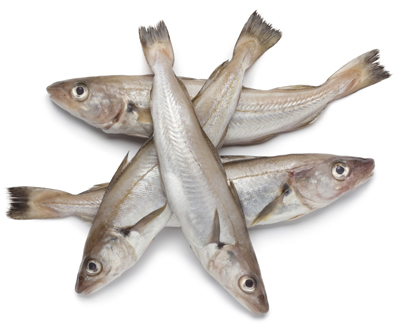
Whiting is a popular, mild-flavoured white fish, often considered an excellent, sustainable, and more affordable alternative to cod.
It is part of the cod family (Gadiformes) and is highly regarded for its delicate, sweet taste and light, moist, flaky texture.
History and Origin
Whiting, a slender-bodied fish in the cod family (Gadidae) and related to hake, has historically served as a staple, budget-friendly protein source in European, African, and North American diets.
Whiting is known for its delicate, white, and flaky flesh, it transitioned from a "trash fish" (low-value) in the mid-20th century to a cherished, sustainable seafood option today.
- • King George Whiting (Sillaginodes punctatus)
- • Sand Whiting (Sillago ciliata)
- • School Whiting (Sillago flindersi)
- • Yellowfin Whiting (Sillago schomburgkii)
- • Trumpeter Whiting (Sillago maculata)
Whiting in Australia are highly regarded for their delicate, sweet, and lean white flesh, with types including the premium King George, versatile Sand, and smaller School/Trumpeter whiting.
Available fresh, whole, or filleted, they are best pan-fried, grilled, or crumbed, offering a mild, clean, and delicate taste.
Key Types of Australian Whiting and Taste Profile
- King George Whiting (Sillaginodes punctatus): Considered the finest, with a sweet, clean flavour often described as having notes of asparagus or fresh grass. It has a firmer, tighter texture than other whiting. Found in southern Australian waters.
- Sand Whiting (Sillago ciliata): Also known as Summer Whiting, they are widely available, featuring a delicate, sweet, white, and flaky flesh.
- School Whiting (Sillago flindersi): Including Eastern and Southern school whiting, these are smaller and more delicate in texture. They have a very mild, delicate flavour, often sold in smaller fillets.
- Yellowfin Whiting (Sillago schomburgkii): Known for being mild, white, and flaky, versatile for various cooking methods.
- Trumpeter Whiting (Sillago maculata): Similar to school whiting, often smaller and commonly used for frying.
Availability and Culinary Uses
- Availability: Found infishmongers, markets, and supermarkets nationwide. King George is often considered "top-shelf" while school whiting is more affordable.
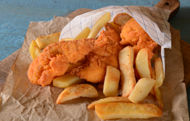
- Best Cooking Methods: Because the flesh is delicate, it is best cooked simply: pan-fried with butter, crumbed (for fish and chips), or grilled.
- Appearance: Ranging from silvery-bronze with spots (King George) to silvery-white with pale yellow (Sand).
- All species are considered a great source of protein and essential omega-3 fatty acids.
Whiting ( Nutritional value )
Value per 100 g
Fish, whiting, mixed species, cooked, dry heat
|
Nutrient ( Proximate’s )
|
Unit
|
Value
|
Daily Value %
|
|
Energy
|
kcal
|
116
|
5.8%
|
|
Protein
|
g
|
23.48
|
46.9%
|
|
Total lipid (fat)
|
g
|
1.69
|
2.1%
|
|
Carbohydrate, by difference
|
g
|
0.00
|
0.00
|
|
Fiber, total dietary
|
g
|
0.0
|
0.0
|
|
Sugars, total
|
g
|
0.00
|
0.00
|
|
Minerals
|
|||
|
Calcium, Ca
|
mg
|
62
|
4.7%
|
|
Iron, Fe
|
mg
|
0.42
|
2.3%
|
|
Magnesium, Mg
|
mg
|
27
|
6.4%
|
|
Phosphorus, P
|
mg
|
285
|
22.8%
|
|
Potassium, K
|
mg
|
434
|
9.2%
|
|
Sodium, Na
|
mg
|
132
|
5.7%
|
|
Zinc, Zn
|
mg
|
0.53
|
4.8%
|
|
Copper, Cu
|
mg
|
0.040
|
4.4%
|
|
Manganese, Mn
|
mg
|
0.130
|
5.6%
|
|
Selenium, Se
|
mcg
|
41.1
|
74.7%
|
|
Vitamins
|
|||
|
Vitamin C, total ascorbic acid
|
mg
|
0.0
|
0.0
|
|
Thiamin (B-1)
|
mg
|
0.068
|
5.6%
|
|
Riboflavin (B-2)
|
mg
|
0.060
|
4.6%
|
|
Niacin (B-3)
|
mg
|
1.670
|
10.4%
|
|
Pantothenic acid (B-5)
|
mg
|
0.250
|
5%
|
|
Vitamin (B-6)
|
mg
|
0.180
|
10.5%
|
|
Folate (B-9)
|
mcg
|
15
|
3.7%
|
|
Choline
|
mg
|
83.3
|
15.1% |
|
Vitamin (B-12)
|
mcg
|
2.60
|
108.3%
|
|
Vitamin A, IU International Units
|
IU
|
128
|
4.2%
|
|
Vitamin E (alpha-tocopherol)
|
mg
|
0.38
|
2.5%
|
|
Vitamin D (D2 + D3) International Units
|
IU
|
73
|
9.1%
|
|
Vitamin D (D2 + D3)
|
mcg
|
1.8
|
9% |
|
Vitamin D3 (cholecalciferol)
|
mcg
|
1.8
|
|
|
Vitamin K (phylloquinone)
|
mcg
|
0.1
|
0.08%
|
|
Lipids
|
|||
|
Saturated Fatty Acids
|
g
|
0.400
|
2.0%
|
|
Monounsaturated Fatty Acids
|
g
|
0.445
|
|
|
Polyunsaturated Fatty Acids
|
g
|
0.587
|
|
|
Cholesterol
|
mg
|
84
|
28%
|

Reference Values are based on a 2,000 Calorie Intake, for Adults and Children 4 or More Years of Age. Your daily values may be higher or lower depending on your calorie needs.
Percentages are roughly approximated using (RDA) Recommended Dietary Allowances for adults. Source: USDA United States Department of Agriculture.
Reference Values for Nutrition – FDA U.S. Food and Drug Administration.
Whiting Nutritional Value
Whiting is a highly nutritious, low-fat white fish packed with protein, selenium, and Omega-3 fatty acids, making it excellent for heart, brain, and immune health. Its high selenium content supports thyroid function and cell protection, while its nutrient profile helps reduce inflammation, lower blood pressure, and improve cardiovascular health.
Whiting is an excellent, light choice for a healthy diet, particularly for improving cardiovascular health and reducing overall saturated fat intake.
HEART HEALTH
Whiting is an excellent, lean, white-fleshed fish that supports heart health by providing high-quality protein and beneficial omega-3 fatty acids, while being low in saturated fat. Regular consumption helps lower blood pressure, reduce triglycerides, minimize blood clotting, and lower the risk of heart attacks and stroke.HIGH QUALITY PROTEIN
Whiting is a highly nutritious, lean white fish belonging to the cod family that serves as an excellent, low-calorie source of high-quality protein. It is widely considered a healthy, versatile option for supporting muscle growth, weight management, and overall nutrition.IMMUNE SYSTEM AND THYROID SUPPORT
Whiting is a nutritious white fish from the cod family that supports the immune system and thyroid through its high-quality protein, selenium, and essential mineral content. As a lean, low-calorie fish, it provides significant amounts of iodine and selenium, which are critical for hormone regulation and immune functionANTI-AGING PROPERTIES
Research suggests that gelatin in Pacific whiting skin possesses significant anti-aging properties, particularly in preventing UV-induced skin wrinkling. Studies from Oregon State University show this gelatin restores collagen synthesis, inhibits collagen degradation, and provides anti-inflammatory and antioxidant effects, helping to counteract photoaging.
BRAIN FUNCTION AND COGNITIVE HEALTH
Whiting, as a white fish, offers significant brain-boosting benefits, particularly through its high-quality protein, essential nutrients, and relatively low fat, which makes it a valuable part of a diet designed to support cognitive function and mental health. While not as high in omega-3s as oily fish (like salmon or mackerel), whiting still contributes to the overall intake of nutrients essential for brain structure and function.HELPS REDUCE INFLAMMATION
Whiting is a nutrient-dense, lean white fish that offers significant anti-inflammatory benefits, largely due to its rich content of omega-3 fatty acids (EPA and DHA). Regular consumption of white fish like whiting can help reduce chronic inflammation, which is linked to conditions such as arthritis, heart disease, and inflammatory bowel disease (IBD).BONE HEALTH
Whiting is an excellent dietary choice for bone health, offering high levels of phosphorus, calcium, and Vitamin D to support bone mineral density and reduce fracture risks. Compared to other white fish like cod, whiting provides significantly more calcium, helping to maintain strong bone structure.LOW MERCURY LEVEL
Whiting is an excellent, nutrient-dense seafood choice with very low mercury levels (typically 0.051 ppm), making it safe for regular consumption, including for children and during pregnancy.
References
Nutrient Database – USDA (United States Department of Agriculture)
Reference Values for Nutrition – National Institutes of Health USA
Heart health - Whiting is an excellent, lean, white-fleshed fish that supports heart health by providing high-quality protein and beneficial omega-3 fatty acids, while being low in saturated fat. Regular consumption helps lower blood pressure, reduce triglycerides, minimize blood clotting, and lower the risk of heart attacks and stroke.
High quality protein - Whiting is a highly nutritious, lean white fish belonging to the cod family that serves as an excellent, low-calorie source of high-quality protein. It is widely considered a healthy, versatile option for supporting muscle growth, weight management, and overall nutrition.
Immune system and thyroid support - Whiting is a nutritious white fish from the cod family that supports the immune system and thyroid through its high-quality protein, selenium, and essential mineral content. As a lean, low-calorie fish, it provides significant amounts of iodine and selenium, which are critical for hormone regulation and immune function.
Brain function and cognitive health - Whiting, as a white fish, offers significant brain-boosting benefits, particularly through its high-quality protein, essential nutrients, and relatively low fat, which makes it a valuable part of a diet designed to support cognitive function and mental health. While not as high in omega-3s as oily fish (like salmon or mackerel), whiting still contributes to the overall intake of nutrients essential for brain structure and function.
Bone health - Whiting is an excellent dietary choice for bone health, offering high levels of phosphorus, calcium, and Vitamin D to support bone mineral density and reduce fracture risks. Compared to other white fish like cod, whiting provides significantly more calcium, helping to maintain strong bone structure.
Helps reduce inflammation - Whiting is a nutrient-dense, lean white fish that offers significant anti-inflammatory benefits, largely due to its rich content of omega-3 fatty acids (EPA and DHA). Regular consumption of white fish like whiting can help reduce chronic inflammation, which is linked to conditions such as arthritis, heart disease, and inflammatory bowel disease (IBD).
Anti-aging properties - Research suggests that gelatin in Pacific whiting skin possesses significant anti-aging properties, particularly in preventing UV-induced skin wrinkling. Studies from Oregon State University show this gelatin restores collagen synthesis, inhibits collagen degradation, and provides anti-inflammatory and antioxidant effects, helping to counteract photoaging.
Low mercury level - Whiting is an excellent, nutrient-dense seafood choice with very low mercury levels (typically 0.051 ppm), making it safe for regular consumption, including for children and during pregnancy.