

1. Yellowtail Facts
2. Types of Yellowtail
3. Yellowtail Nutritional Value
4. Yellowtail Health Benefits
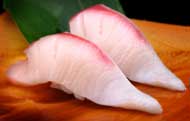
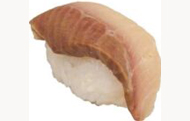
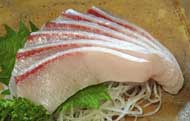
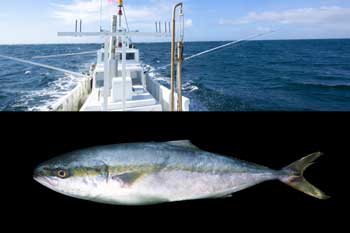
Yellowtail (often referred to as Hamachi when young/farmed, Buri when mature, or Hiramasa/Kingfish in the Southern Hemisphere) is a premium, highly versatile fish known for its rich, buttery taste and firm texture.
While it is a popular staple in Japanese sushi bars, it is actually a member of the jack family (carangidae), not a tuna.
History and Origin
Yellowtail fish, primarily referring to species in the Seriola genus (such as Japanese amberjack/hamachi and yellowtail kingfish), have a long history as a traditional, high-quality food source in Asia, particularly Japan.
Their modern, global consumption has been driven by the evolution of aquaculture (specifically in Japan, Australia, and recently the US) and the rise of sushi and sashimi culture.
- • Yellowtail Kingfish (Premium)
- • Yellowtail Scad (Smaller/Common)
In Australia, "Yellowtail" commonly refers to two different, distinct types of fish: the premium Yellowtail Kingfish (Seriola lalandi), prized for sashimi and grilling, and the smaller Yellowtail Scad (Trachurus novaezelandiae), used more for bait or casual, budget-friendly cooking. Both offer firm, moist, and flavourful white to pale pink flesh.
Yellowtail Kingfish (Premium)
- Taste/Texture: Sweet, rich flavour with a firm, succulent texture and large flakes. Farmed varieties (often called Hiramasa) have higher fat content, providing a cleaner, richer flavour than wild-caught.
- Appearance: Pale pink flesh, often sold as cutlets, steaks, or fillets.
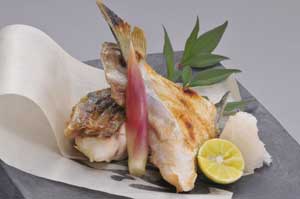
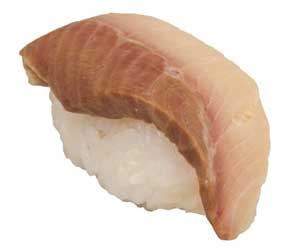
- Best Uses: Excellent for sashimi and sushi, but also fantastic grilled, barbecued, or baked.
- Availability: Widely available in fishmongers, supermarkets, and restaurants.
Yellowtail Scad (Smaller/Common)
- Taste/Texture: Mild, slightly sweet flavour with a firm texture. It is similar to mackerel but less oily, sometimes described as having a medium-strong flavour.
- Appearance: Small fish (approx. 30cm, 300g-1kg) with silver skin.
- Best Uses: Deep-fry, pan-fry, or grill.
- Availability: Primarily available fresh at fish markets (e.g., Sydney Fish Market).
Yellowtail ( Nutritional value )
Value per 100 g
Fish, yellowtail, mixed species, cooked, dry heat
|
Nutrient ( Proximate’s )
|
Unit
|
Value
|
Daily Value %
|
|
Energy
|
kcal
|
187
|
9.3%
|
|
Protein
|
g
|
29.67
|
59.3%
|
|
Total lipid (fat)
|
g
|
6.72
|
8.6%
|
|
Carbohydrate, by difference
|
g
|
0.00
|
0.00
|
|
Fiber, total dietary
|
g
|
0.0
|
0.0
|
|
Minerals
|
|||
|
Calcium, Ca
|
mg
|
29
|
2.2%
|
|
Iron, Fe
|
mg
|
0.63
|
3.5%
|
|
Magnesium, Mg
|
mg
|
38
|
9%
|
|
Phosphorus, P
|
mg
|
201
|
16%
|
|
Potassium, K
|
mg
|
538
|
11.4%
|
|
Sodium, Na
|
mg
|
50
|
2.1%
|
|
Zinc, Zn
|
mg
|
0.67
|
6%
|
|
Copper, Cu
|
mg
|
0.058
|
6.4%
|
|
Manganese, Mn
|
mg
|
0.019
|
0.8%
|
|
Selenium, Se
|
mcg
|
46.8
|
85%
|
|
Vitamins
|
|||
|
Vitamin C, total ascorbic acid
|
mg
|
2.9
|
3.2%
|
|
Thiamin (B-1)
|
mg
|
0.175
|
14.5%
|
|
Riboflavin (B-2)
|
mg
|
0.051
|
3.9%
|
|
Niacin (B-3)
|
mg
|
8.718
|
54.4%
|
|
Pantothenic acid (B-5)
|
mg
|
0.681
|
13.6%
|
|
Vitamin (B-6)
|
mg
|
0.185
|
10.8%
|
|
Folate (B-9)
|
mcg
|
4
|
1%
|
|
Vitamin A RAE
|
mcg
|
31
|
3.4% |
|
Vitamin (B-12)
|
mcg
|
1.25
|
52%
|
|
Vitamin A, IU International Units
|
mcg
|
104
|
3.4%
|
|
Lipids
|
|||
|
Cholesterol
|
mg
|
71
|
23.6%
|
Reference Values are based on a 2,000 Calorie Intake, for Adults and Children 4 or More Years of Age. Your daily values may be higher or lower depending on your calorie needs.
Percentages are roughly approximated using (RDA) Recommended Dietary Allowances for adults. Source: USDA United States Department of Agriculture.
Reference Values for Nutrition – FDA U.S. Food and Drug Administration.
Yellowtail Nutritional Value
Yellowtail (Hamachi) is a nutrient-dense, oily fish offering significant health benefits, particularly for heart and brain health due to its high omega-3 fatty acid content.
It is an excellent source of protein, essential vitamins (B12, B6, D, A), and minerals like selenium. It is low-calorie.
Nutritional Superiority
Compared to tuna, yellowtail contains significantly more vitamins B2, B3, B6, and B12. It is also considered an "anti-aging" food because its healthy fats help prevent vascular aging and reduce inflammation. It is best consumed as sashimi, nigiri, or grilled to maximize nutritional benefits.
RICH IN ESSENTIAL MINERALS
Yellowtail (Hamachi/Kanpachi) is a nutrient-dense fish rich in essential minerals like selenium, potassium, phosphorus, and zinc, which support immune function, bone health, and metabolism. It is particularly high in selenium, a powerful antioxidant that protects cells from damage. It also provides iron, aiding in energy production.BRAIN AND NERVOUS SYSTEM
Yellowtail (often referred to as Hamachi or Japanese Amberjack) is considered an excellent "brain food" due to its high concentration of omega-3 fatty acids, particularly DHA and EPA, which are essential for maintaining cognitive function and structural integrity of the nervous system.WEIGHT MANAGEMENT
Yellowtail (Hamachi) is an excellent choice for weight management, providing a high-protein, low-calorie, and low-fat nutrient source that supports satiety and muscle maintenance. Its high content of omega-3 fatty acids and selenium helps improve metabolic health and reduce inflammation. A 3-ounce serving is rich in lean protein, making it ideal for calorie-controlled, weight-loss diets.EXCELLENT SOURCE OF PROTEIN
Yellowtail (Hamachi/Kanpachi) is an excellent source of high-quality protein supporting muscle repair and growth. Rich in Omega-3 fatty acids, it boosts heart and brain health while reducing inflammation. It is also packed with Vitamin B12, B6, and selenium, which support energy production and immunity.ESSENTIAL VITAMINS
Yellowtail (Hamachi) is a nutrient-dense, oily fish rich in omega-3 fatty acids, high-quality protein, and essential vitamins, notably B12, B6, A, D, and E. These nutrients promote heart health, boost brain function, reduce inflammation, and support immune system strength while being low in mercury.
EXCELLENT HEART-HEALTHY
Yellowtail (Hamachi) is an excellent heart-healthy food, rich in omega-3 fatty acids (DHA and EPA) that reduce cardiovascular disease risk, lower blood pressure, and decrease triglycerides. It is a low-fat, high-protein fish that also provides selenium, a powerful antioxidant that helps protect cells from damage.BENEFICIAL FOR MUSCLE GROWTH
Yellowtail (specifically Hamachi or Japanese Amberjack) is highly beneficial for muscle growth due to its high-quality protein content. It is particularly effective for supporting muscle mass maintenance and growth during weight loss or athletic training.SUPPORTS THE IMMUNE SYSTEM
Yellowtail (including species like Yellowtail Tuna/Hamachi and Yellowtail Rockfish) supports the immune system through a high concentration of nutrients that reduce inflammation, act as antioxidants, and facilitate immune cell function. Key, evidence-based benefits include high levels of selenium, Omega-3 fatty acids, and essential vitamins.SUPPORTS BONE HEALTH
Yellowtail (Hamachi) supports bone health primarily through a high concentration of Vitamin D, which is essential for calcium absorption and preventing osteoporosis. It also provides phosphorus, a key mineral that works with calcium to maintain bone density and structure. Additionally, its rich omega-3 fatty acid content helps reduce inflammation, which can protect against bone loss.SKIN AND HAIR HEALTH
Yellowtail (Hamachi) offers significant benefits for skin and hair health, largely driven by its high content of omega-3 fatty acids, protein, and essential minerals like selenium. Regular consumption of this fatty fish helps to hydrate the skin, reduce inflammation, and promote collagen production, leading to a more youthful appearance.
References
Nutrient Database – USDA (United States Department of Agriculture)
Reference Values for Nutrition – National Institutes of Health USA
Excellent heart-healthy - Yellowtail (Hamachi) is an excellent heart-healthy food, rich in omega-3 fatty acids (DHA and EPA) that reduce cardiovascular disease risk, lower blood pressure, and decrease triglycerides. It is a low-fat, high-protein fish that also provides selenium, a powerful antioxidant that helps protect cells from damage.
Brain and nervous system - Yellowtail (often referred to as Hamachi or Japanese Amberjack) is considered an excellent "brain food" due to its high concentration of omega-3 fatty acids, particularly DHA and EPA, which are essential for maintaining cognitive function and structural integrity of the nervous system.
Weight management - Yellowtail (Hamachi) is an excellent choice for weight management, providing a high-protein, low-calorie, and low-fat nutrient source that supports satiety and muscle maintenance. Its high content of omega-3 fatty acids and selenium helps improve metabolic health and reduce inflammation. A 3-ounce serving is rich in lean protein, making it ideal for calorie-controlled, weight-loss diets.
Excellent source of protein - Yellowtail (Hamachi/Kanpachi) is an excellent source of high-quality protein, offering about 23g per 3.5-ounce serving to support muscle repair and growth. Rich in Omega-3 fatty acids, it boosts heart and brain health while reducing inflammation. It is also packed with Vitamin B12, B6, and selenium, which support energy production and immunity.
Essential vitamins - Yellowtail (Hamachi) is a nutrient-dense, oily fish rich in omega-3 fatty acids, high-quality protein, and essential vitamins, notably B12, B6, A, D, and E. These nutrients promote heart health, boost brain function, reduce inflammation, and support immune system strength while being low in mercury.
Rich in essential minerals - Yellowtail (Hamachi/Kanpachi) is a nutrient-dense fish rich in essential minerals like selenium, potassium, phosphorus, and zinc, which support immune function, bone health, and metabolism. It is particularly high in selenium, a powerful antioxidant that protects cells from damage. It also provides iron, aiding in energy production.
Beneficial for muscle growth - Yellowtail (specifically Hamachi or Japanese Amberjack) is highly beneficial for muscle growth due to its high-quality protein content, with a 3.5-ounce serving providing approximately 23 grams of protein. It is particularly effective for supporting muscle mass maintenance and growth during weight loss or athletic training.
Supports the immune system - Yellowtail (including species like Yellowtail Tuna/Hamachi and Yellowtail Rockfish) supports the immune system through a high concentration of nutrients that reduce inflammation, act as antioxidants, and facilitate immune cell function. Key, evidence-based benefits include high levels of selenium, Omega-3 fatty acids, and essential vitamins.
Supports bone Health - Yellowtail (Hamachi) supports bone health primarily through a high concentration of Vitamin D, which is essential for calcium absorption and preventing osteoporosis. It also provides phosphorus, a key mineral that works with calcium to maintain bone density and structure. Additionally, its rich omega-3 fatty acid content helps reduce inflammation, which can protect against bone loss.
Skin and hair health - Yellowtail (Hamachi) offers significant benefits for skin and hair health, largely driven by its high content of omega-3 fatty acids, protein, and essential minerals like selenium. Regular consumption of this fatty fish helps to hydrate the skin, reduce inflammation, and promote collagen production, leading to a more youthful appearance.