
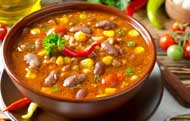


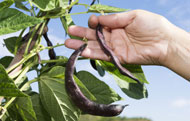
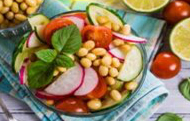

1. Bean Facts
2. Types of Beans
3. Bean Nutritional value
4. Bean Health Benefits
The common bean also known as the "green bean" or "snap bean" (Phaseolus vulgaris) is grown worldwide. The term 'bean' initially referred to the seed of the Broad or Fava bean, is now referred to many different species of edible legumes.
Beans have been used around the world for thousands of years. They come in many shapes, sizes and colours. They are very versatile as they can be dried and stored for years, eaten raw, cooked, ground into flour, fermented into soya sauce and are excellent in soups and salads.
History and Origin
Research indicates that beans were among one of the first cultivated crops throughout many countries, the earliest being in the Middle East, dating back as far as 10,000 years ago. Beans are grown on all continents except Antarctica.
Brazil and India are the major produces of dry beans, whilst China is highest distributor of the green bean. There are currently about 40,000 bean varieties world wide, however only a fraction are mass produced for consumption.
- • Broad Bean (Fava bean)
- • Chickpeas (or Garbanzo beans)
- • Soyabean
- • Green Bean (Common)
- • Lima Bean (Butter bean)
- • Runner Bean
- • Kidney Bean (Common)
- • Black Bean (Common)
- • Adzuki Bean
- • Mung Bean
- • Ricebean
- • Pinto Bean (Common)
- • Cannellini bean
- • Navy bean
- • Black-eyed peas
There are hundreds of types of beans, but common varieties include black beans, kidney beans, pinto beans, chickpeas, cannellini beans, and navy beans. They can be categorized by their size, colour, and culinary use, and many are used in dishes like soups, salads, stews, and chili.
Common types of beans
- Black beans: Often used in Mexican or Latin American cuisine.
- Broad Bean: Broad beans have many uses, from being eaten raw in salads and as a topping for toast, to being cooked into dips, stews, and pasta dishes. They can also be roasted to make a crispy, protein-rich snack or blended into fritters.
- Kidney beans: A popular choice for chili and other hearty dishes.
- Pinto beans: A staple in Mexican cooking, known for their speckled appearance.
- Chickpeas (or Garbanzo beans): Used to make hummus and are common in Indian and Mediterranean dishes.
- Cannellini beans: A white bean often used in soups and Italian-inspired dishes.
- Navy beans: Small white beans frequently used in baked beans and soups.
- Lima beans: Also known as butter beans, these are large, flat, and often green or white.
- Mung beans: Often used in Asian cuisine, including for sprouts.
- Broad beans: A type of fava bean with edible pods and seeds.
- Black-eyed peas: Small, light-coloured beans often used in Southern and African dishes.
- Soyabean: Soybeans are used for human food (like tofu, soy milk, and edamame), animal feed, and industrial purposes such as producing biodiesel, cooking oil, paints, plastics, and cleaners. The majority of soybeans are used for animal feed, with a smaller percentage going to human food products and industrial applications.
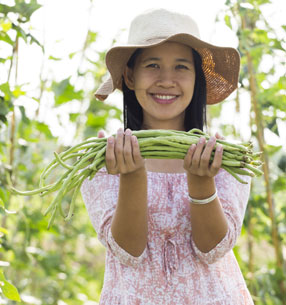
- Green Bean (Common): Green beans are used as a versatile vegetable in numerous dishes and can be eaten raw or cooked. They are commonly served as a side dish, prepared in casseroles, stir-fried, or incorporated into soups and salads. They can also be canned, frozen, or pickled for later use.
- Runner Bean: Runner beans can be used in various culinary dishes, including being boiled or steamed as a simple side, added to hearty stews and curries, or grilled. They can also be prepared in salads, stir-fries, or preserved by pickling or making chutneys. For a crisper texture, serve them al dente; for a softer texture, cook them until tender in slow-cooked dishes.
- Adzuki Bean: Adzuki beans are used in East Asian cuisine for sweet and savoury dishes, particularly as a sweetened paste for desserts, but also in soups, stews, and curries. They are also used in traditional medicine, for cosmetic products like shampoos and creams, and as a cover crop in agriculture to improve soil quality
- Rice bean: Rice beans are used as a food source for humans (as dried pulses, sprouted beans, or cooked vegetables), animal fodder, and for soil improvement as a green manure or cover crop. They are also a valuable tool for erosion control on slopes and can be used as a mulch.
Vegetables " Beans " ( Nutritional value )
Nutritional value per 100 g
Beans, snap, green, cooked, boiled, drained, without salt
|
Nutrient (Proximity)
|
Unit
|
Value
|
Daily Value %
|
|
Energy
|
kcal
|
35
|
1.7%
|
|
Protein
|
g
|
1.89
|
3.7%
|
|
Total lipid (fat)
|
g
|
0.28
|
0.3%
|
|
Carbohydrate, by difference
|
g
|
7.88
|
2.8%
|
|
Fiber, total dietary
|
g
|
3.2
|
11.4%
|
|
Sugars, total
|
g
|
3.63
|
|
|
Minerals
|
|||
|
Calcium, Ca
|
mg
|
44
|
3.3%
|
|
Iron, Fe
|
mg
|
0.65
|
3.6%
|
|
Magnesium, Mg
|
mg
|
18
|
4.2%
|
|
Phosphorus, P
|
mg
|
29
|
2.3%
|
|
Potassium, K
|
mg
|
146
|
3.1%
|
|
Sodium, Na
|
mg
|
1
|
0.0004%
|
|
Zinc, Zn
|
mg
|
0.25
|
2.2%
|
|
Copper, Cu
|
mg
|
0.057
|
6.3%
|
|
Manganese, Mn
|
mg
|
0.285
|
12.3%
|
|
Selenium, Se
|
mcg
|
0.2
|
0.3%
|
|
Vitamins
|
|||
|
Vitamin C, total ascorbic acid
|
mg
|
9.7
|
10.7%
|
|
Thiamin (B-1)
|
mg
|
0.074
|
6.1%
|
|
Riboflavin (B-2)
|
mg
|
0.097
|
7.4%
|
|
Niacin NE (niacin) (B-3)
|
mg
|
0.614
|
3.8%
|
|
Pantothenic acid (B-5)
|
mg
|
0.074
|
1.4%
|
|
Vitamin (B-6)
|
mg
|
0.056
|
3.2%
|
|
Folate DFE (dietary folate) (B-9)
|
mcg
|
33
|
8.2%
|
|
Vitamin B-12
|
mcg
|
0.00
|
|
|
Vitamin A, RAE (retinol)
|
mcg
|
32
|
3.5%
|
|
Vitamin E (alpha-tocopherol)
|
mg
|
0.46
|
3%
|
|
Vitamin D (D2 + D3)
|
mcg
|
0
|
|
|
Vitamin K (phylloquinone)
|
mcg
|
47.9
|
39.9%
|
|
Lipids
|
|||
|
Saturated Fatty Acids
|
g
|
0.064
|
|
|
Monounsaturated Fatty Acids
|
g
|
0.011
|
|
|
Polyunsaturated Fatty Acids
|
g
|
0.145
|
|
|
Trans Fatty Acids
|
g
|
0.000
|
|
|
Carotenoids
|
|||
|
Beta-Carotene
|
mcg
|
380
|
|
|
Lutein + zeaxanthin
|
mcg
|
641
|
|
|
Lycopene
|
mcg
|
0
|
|

Reference Values are based on a 2,000 Calorie Intake, for Adults and Children 4 or More Years of Age. Your daily values may be higher or lower depending on your calorie needs.
Percentages are roughly approximated using (RDA) Recommended Dietary Allowances for adults. Source: USDA United States Department of Agriculture.
Reference Values for Nutrition - FDA U.S. Food and Drug Administration.
Bean Nutritional Value
Beans provide significant health benefits, including supporting digestive health, managing blood sugar levels, and lowering the risk of chronic diseases like heart disease and diabetes.
They are rich in fiber, plant-based protein, and essential nutrients such as folate, iron, magnesium, and potassium. The combination of fiber and protein helps with weight management, and their high antioxidant content helps fight inflammation and protect against disease.
EXCELLENT FOR DIABETES MANAGEMENT
Beans are excellent for diabetes management due to their high fiber and protein content, which slows sugar release into the bloodstream and improves glycaemic control. They are a low-glycaemic index (GI) food, meaning they cause a slower, smaller rise in blood sugar levels compared to high-GI starches, and can help manage weight, which further benefits diabetes control. Incorporating them into meals, like replacing some white rice with beans, can lead to a more stable blood sugar response.PROMOTES GUT HEALTH
Beans promote gut health by providing fiber, particularly prebiotic fiber, which feeds beneficial gut bacteria. This helps support a diverse and healthy gut microbiome, can lead to better bowel regularity, and has been linked to reduced inflammation.CHRONIC DISEASE PREVENTION
Beans help prevent chronic diseases like diabetes and cardiovascular disease by providing fiber, antioxidants, and other nutrients that stabilize blood sugar, reduce inflammation, and improve heart health. They are a nutrient-dense, affordable food that can be easily incorporated into a diet to support overall health and reduce the risk of obesity and other chronic conditions.LOADED WITH ANTIOXIDANTS
Beans are loaded with antioxidants, particularly darker-coloured beans like black, red kidney, and pinto beans, which often have higher antioxidant activity than lighter varieties. These antioxidants protect cells from damage and have anti-inflammatory properties. Beans also provide other benefits, such as being a good source of protein, fiber, vitamins, and minerals like iron, zinc, and potassium.AID WEIGHT MANAGEMENT
Beans aid weight management by increasing satiety and fullness, which can lead to lower calorie intake. They are high in fiber and protein, which promote a feeling of fullness, while being low in calories and fat. Studies show that adding beans to the diet can help people lose weight and belly fat and maintain a healthy weight over time.RICH IN LIGNANS
Lignans offer several health benefits, including potential reductions in the risk of certain cancers, heart disease, and osteoporosis. They also have antioxidant and anti-inflammatory properties that can support cardiovascular health and aid in managing menopause symptoms like hot flashes.
LOWER BLOOD CHOLESTEROL
Beans can help lower blood cholesterol, particularly LDL ("bad") cholesterol, due to their high content of soluble fiber, plant protein, and other beneficial compounds. Eating as little as half a cup of beans daily can help lower total cholesterol. They work by preventing cholesterol absorption in the gut and by prompting the liver to pull more cholesterol from the bloodstream to make bile.RICH IN VITAMINS AND MINERALS
Beans are rich in vitamins and minerals, with significant amounts of folate, iron, potassium, and magnesium found across different varieties. They are particularly good sources of folate (vitamin B9), magnesium, and potassium, and also provide other essential nutrients like zinc, copper, and various B vitamins.EXCELLENT SOURCE OF PLANT PROTEIN
Beans are an excellent source of plant-based protein, providing about 15 grams per cooked cup, along with fiber, iron, folate, and other nutrients. They are beneficial for vegetarians, vegans, and meat-eaters looking to reduce their meat intake, and a diet rich in beans is linked to better heart health, blood sugar management, and digestion. To ensure you get all essential amino acids, it's best to combine beans with other plant-based proteins like whole grains, nuts, and seeds.SUPPORT HEART HEALTH
Beans support heart health by helping to lower cholesterol and blood pressure, and they are a heart-healthy replacement for high-saturated-fat proteins. They are rich in soluble fiber, which binds to and removes cholesterol, as well as potassium, magnesium, and folate, which help lower blood pressure. Regularly consuming beans can significantly lower the risk of cardiovascular and coronary heart disease.REDUCED CANCER RISK
A diet rich in beans is linked to a reduced risk of certain cancers, particularly colorectal cancer, due to their high content of fiber and beneficial phytochemicals. These compounds help prevent cancer by removing carcinogens, promoting gut health, and reducing inflammation. Consuming beans regularly may also have protective effects against other cancers, such as breast cancer, as seen in some studies.
References
Nutrient Database - USDA (United States Department of Agriculture)
Reference Values for Nutrition – FDA (U.S. Food and Drug Administration)
The Bean Institute - is owned and managed by the Northarvest Bean Growers Association USA
Rich in lignans - Lignans offer several health benefits, including potential reductions in the risk of certain cancers, heart disease, and osteoporosis. They also have antioxidant and anti-inflammatory properties that can support cardiovascular health and aid in managing menopause symptoms like hot flashes.
Lower blood cholesterol - Beans can help lower blood cholesterol, particularly LDL ("bad") cholesterol, due to their high content of soluble fiber, plant protein, and other beneficial compounds. Eating as little as half a cup of beans daily can help lower total cholesterol. They work by preventing cholesterol absorption in the gut and by prompting the liver to pull more cholesterol from the bloodstream to make bile.
Promotes gut health - Beans promote gut health by providing fiber, particularly prebiotic fiber, which feeds beneficial gut bacteria. This helps support a diverse and healthy gut microbiome, can lead to better bowel regularity, and has been linked to reduced inflammation.
Chronic disease prevention - Beans help prevent chronic diseases like diabetes and cardiovascular disease by providing fiber, antioxidants, and other nutrients that stabilize blood sugar, reduce inflammation, and improve heart health. They are a nutrient-dense, affordable food that can be easily incorporated into a diet to support overall health and reduce the risk of obesity and other chronic conditions.
Support heart health - Beans support heart health by helping to lower cholesterol and blood pressure, and they are a heart-healthy replacement for high-saturated-fat proteins. They are rich in soluble fiber, which binds to and removes cholesterol, as well as potassium, magnesium, and folate, which help lower blood pressure. Regularly consuming beans can significantly lower the risk of cardiovascular and coronary heart disease.
Excellent for diabetes management - Beans are excellent for diabetes management due to their high fiber and protein content, which slows sugar release into the bloodstream and improves glycaemic control. They are a low-glycaemic index (GI) food, meaning they cause a slower, smaller rise in blood sugar levels compared to high-GI starches, and can help manage weight, which further benefits diabetes control. Incorporating them into meals, like replacing some white rice with beans, can lead to a more stable blood sugar response.
Reduced cancer risk - A diet rich in beans is linked to a reduced risk of certain cancers, particularly colorectal cancer, due to their high content of fiber and beneficial phytochemicals. These compounds help prevent cancer by removing carcinogens, promoting gut health, and reducing inflammation. Consuming beans regularly may also have protective effects against other cancers, such as breast cancer, as seen in some studies.
Excellent source of plant protein - Beans are an excellent source of plant-based protein, providing about 15 grams per cooked cup, along with fiber, iron, folate, and other nutrients. They are beneficial for vegetarians, vegans, and meat-eaters looking to reduce their meat intake, and a diet rich in beans is linked to better heart health, blood sugar management, and digestion. To ensure you get all essential amino acids, it's best to combine beans with other plant-based proteins like whole grains, nuts, and seeds.
Rich in vitamins and minerals - Beans are rich in vitamins and minerals, with significant amounts of folate, iron, potassium, and magnesium found across different varieties. They are particularly good sources of folate (vitamin B9), magnesium, and potassium, and also provide other essential nutrients like zinc, copper, and various B vitamins.
Loaded with antioxidants - Beans are loaded with antioxidants, particularly darker-coloured beans like black, red kidney, and pinto beans, which often have higher antioxidant activity than lighter varieties. These antioxidants protect cells from damage and have anti-inflammatory properties. Beans also provide other benefits, such as being a good source of protein, fiber, vitamins, and minerals like iron, zinc, and potassium.
Aid weight management - Beans aid weight management by increasing satiety and fullness, which can lead to lower calorie intake. They are high in fiber and protein, which promote a feeling of fullness, while being low in calories and fat. Studies show that adding beans to the diet can help people lose weight and belly fat and maintain a healthy weight over time.
Heart Disease Rich (Beans are rich in flavonoids, which are beneficial plant compounds that can help prevent heart disease by acting as antioxidants and anti-inflammatory agents). These flavonoids contribute to better heart health by potentially lowering blood pressure, improving blood sugar control, reducing cholesterol, and preventing blood clots. A diet including beans and other flavonoid-rich foods like fruits and vegetables is recommended by heart health experts for its protective effects on the cardiovascular system.
Diabetes and Hyperlipidaemia (Beans are excellent for managing diabetes and hyperlipidaemia because they are complex carbohydrates, rich in fiber, and contain compounds that improve insulin sensitivity). Their slow digestion helps to keep blood glucose levels stable, while the fiber and polyphenols contribute to lower cholesterol and reduced "bad" LDL cholesterol, all of which are beneficial for individuals with insulin resistance and high blood fats.
Reduced risk of colon cancer (Beans are associated with a reduced risk of colon cancer due to their high insoluble fiber content, which adds bulk to stool, helps bind and remove carcinogens, and promotes a healthier gut microbiome by feeding beneficial bacteria that produce cancer-protective short-chain fatty acids). While both soluble and insoluble fibers are beneficial, insoluble fiber is particularly effective at sweeping the intestines and increasing fecal mass, which helps dilute and quickly expel potentially harmful substances from the body.
Beans are an excellent, iron-rich food source (ideal for vegans, providing essential nutrients like iron in plant-based forms). To maximize iron absorption from beans, pair them with vitamin C-rich foods like citrus fruits, tomatoes, or leafy greens, and consider soaking beans to reduce phytates which can inhibit iron absorption.
Lower blood cholesterol (Beans contain phytosterols, natural plant compounds structurally similar to cholesterol that help lower blood cholesterol by reducing its absorption in the gut). The main phytosterol found in beans and other legumes is beta-sitosterol. Eating beans as part of a plant-based diet can help lower LDL ("bad") cholesterol and support heart health by reducing the risk of heart disease.
Beans Help with Constipation (Beans are generally beneficial for constipation because their fiber adds bulk to stools, making them easier to pass, but they contain both soluble and insoluble fiber, which softens stool and speeds transit respectively). When dealing with constipation, it's important to drink plenty of water alongside fiber-rich foods like beans to help the fiber work effectively and prevent the situation from worsening.
Beans help with obesity management (Beans help with obesity management because their high fiber, protein, and resistant starch content promotes feelings of fullness, slows digestion, and reduces overall calorie intake). Beans are naturally low in fat and packed with essential nutrients like vitamins and minerals, making them a key component of healthy, balanced diets for weight control.
Beans and gut health (Beans, as a rich source of prebiotic fiber, protein, and bioactive compounds, significantly boost gut health by increasing beneficial gut bacteria, enhancing microbial diversity, and improving the gut microbiome's overall community composition and function). This leads to benefits like improved digestive regularity, stronger intestinal barrier function, and regulated inflammation, though some people may experience gas and bloating, which can be minimized by gradually increasing bean intake, soaking and rinsing dried beans, and adding digestive herbs during cooking.
Antioxidant Properties (Beans contain powerful antioxidants and phytonutrients that protect against cell damage and reduce the risk of chronic diseases).