

1. Bok Choy Facts
2. Types of Bok Choy
3. Bok Choy Nutritional value
4. Bok Choy Health Benefits
Bok Choy (Brassica rapa subsp. chinensis), or Pak Choi is a type of Chinese Cabbage. It's scientific name Brassica rapa subsp. chinensis indicates it is a cabbage variety. It is a member of the cruciferous family of vegetables, which also includes broccoli, kale, collard greens, cabbage, mustard greens, cauliflower, and brussels sprouts.
Bok choy is a crisp, nutrient-dense, and mild-flavoured leafy green vegetable, native to China, where it has been cultivated for thousands of years. It is a staple in Chinese, Korean, and Southeast Asian cuisine, widely grown across East Asia and popular in stir-fries, soups, and kimchi.
History and Origin
Bok Choy has been known by it's name since it's origin in China around 5,000 years ago. The word Choy in Chinese means "leafy vegetable" and Bok means "white". Bok Choy being a white leafy vegetable.
It is known to be one of the most important of the Asian greens and has been used in China for both consumption and medicinal purposes for centuries.
- • White bok choy
- • Shanghai bok choi
- • Pak choi red
- • Baby bok choy
- • Taiwan bok choy:
- • Red pak choi
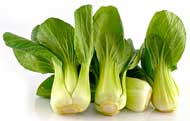
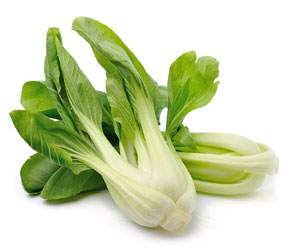
The main types of bok choy are regular bok choy (white-stemmed with dark, crinkly leaves) and Shanghai bok choy (jade-coloured or light green stems with smooth, round, light green leaves). Both come in mature and baby versions, with baby bok choy being a smaller, often more tender version of either type.
There are also other closely related varieties, such as tatsoi, which has a peppery flavour and rosette shape.
Regular bok choy
- Appearance: Features contrasting white, firm stems and dark, curly leaves.
- Flavour: Has a slightly more bitter, mineral-like taste, similar to spinach.
- Form: Available in both mature, larger heads and smaller "baby" versions.
Shanghai bok choy
- Appearance: Characterized by its spoon-shaped, jade-coloured or light green stems and smooth, light green leaves.
- Flavour: Generally has a milder, more celery-like flavour compared to regular bok choy.
- Form: Can be found in various sizes, from tiny baby plants to larger, fully grown stalks.
Other varieties
- Baby bok choy: A smaller version of either regular or Shanghai bok choy, often picked when young and can be more tender.
- Tatsoi: Technically not a bok choy, but a close relative with dark, rounded leaves and a pronounced peppery flavour that can be used in similar ways.
- Taiwan bok choy: A longer, more slender variety with white stems and leafy greens.
- Red pak choi: is a leafy green vegetable with reddish or purple leaves and green or reddish stems that adds colour and nutrients to dishes like salads, stir-fries, and soups.
Vegetables " Bok Choy " ( Nutritional value )
Nutritional value per 100 g
Cabbage, chinese (pak-choi), cooked, boiled, drained, without salt
| Nutrient (Proximity) |
Unit
|
Value
|
Daily Value %
|
|
Energy
|
kcal
|
12
|
0.6%
|
|
Protein
|
g
|
1.56
|
3.1%
|
|
Total lipid (fat)
|
0.16
|
0.2%
|
|
|
Carbohydrate, by difference
|
g
|
1.78
|
0.6%
|
|
Fiber, total dietary
|
g
|
1.0
|
3.5%
|
|
Sugars, total
|
g
|
0.83
|
|
|
Minerals
|
|||
|
Calcium, Ca
|
mg
|
93
|
7.1%
|
|
Iron, Fe
|
mg
|
1.04
|
5.7%
|
|
Magnesium, Mg
|
mg
|
11
|
2.6%
|
|
Phosphorus, P
|
mg
|
29
|
2.3%
|
|
Potassium, K
|
mg
|
371
|
7.8%
|
|
Sodium, Na
|
mg
|
34
|
1.4%
|
|
Zinc, Zn
|
mg
|
0.17
|
1.5%
|
|
Copper, Cu
|
mg
|
0.019
|
2.1%
|
|
Manganese, Mn
|
mg
|
0.144
|
6.2%
|
|
Selenium, Se
|
mcg
|
0.4
|
0.7%
|
|
Vitamins
|
|||
|
Vitamin C, total ascorbic acid
|
mg
|
26.0
|
28.8%
|
|
Thiamin (B-1)
|
mg
|
0.032
|
2.6%
|
|
Riboflavin (B-2)
|
mg
|
0.063
|
4.8%
|
|
Niacin NE (niacin) (B-3)
|
mg
|
0.428
|
2.6%
|
|
Pantothenic acid (B-5)
|
mg
|
0.079
|
1.5%
|
|
Vitamin B-6
|
mg
|
0.166
|
9.7%
|
|
Folate DFE (dietary folate) (B-9)
|
mcg
|
41
|
10.2%
|
|
Vitamin B-12
|
mcg
|
0.00
|
|
|
Vitamin A, RAE (retinol)
|
mcg
|
212
|
23.5%
|
|
Vitamin E (alpha-tocopherol)
|
mg
|
0.09
|
0.6%
|
|
Vitamin D (D2 + D3)
|
mcg |
0
|
|
|
Vitamin K (phylloquinone)
|
mcg
|
34.0
|
28.3%
|
|
Lipids
|
|||
|
Saturated Fatty Acids
|
g
|
0.021
|
|
|
Monounsaturated Fatty Acids
|
g
|
0.012
|
|
|
Polyunsaturated Fatty Acids
|
g
|
0.077
|
|
|
Trans Fatty Acids
|
g
|
0.000
|
|
|
Carotenoids
|
|||
|
Beta-Carotene
|
mcg
|
2549
|
|
|
Lutein + zeaxanthin
|
mcg
|
38
|
|
|
Alpha-Carotene
|
mcg
|
1
|
|

Reference Values are based on a 2,000 Calorie Intake, for Adults and Children 4 or More Years of Age. Your daily values may be higher or lower depending on your calorie needs.
Percentages are roughly approximated using (RDA) Recommended Dietary Allowances for adults. Source: USDA United States Department of Agriculture.
Reference Values for Nutrition - FDA U.S. Food and Drug Administration.
Bok choy Nutritional Value
Bok choy offers numerous health benefits, including supporting bone health through calcium and vitamin K, promoting heart health via potassium and antioxidants, and boosting the immune system with selenium and vitamins A and C. It is also a good source of antioxidants that may help fight inflammation and have cancer-preventive properties.
Bok Choy contains a wealth of vitamins A, C & K and has a great source of calcium, magnesium, potassium, manganese, and iron. Like all Asian greens, it is extremely nutritious. This member of the cabbage family is one of the highest nutritionally ranked vegetables containing an excellent amount of nutrients. The vitamin A content enhances the functioning of the immune system, while vitamin C is an antioxidant that shields the body from free radicals.
Bok choy supplies potassium for healthy muscle and nerve function, and vitamin B6 for carbohydrate, fat, and protein metabolism. The concentration of antioxidants in Bok Choy can provide the required benefits which is of no comparison to antioxidant supplements.
Considerations
Blood thinners: Due to its high vitamin K content, talk to your healthcare provider if you are taking blood-thinning medication.
Digestive comfort: If raw cruciferous vegetables cause gas, consider cooking bok choy first.
SUPPORTS BONE HEALTH
Bok choy supports bone health by being rich in essential nutrients like calcium, phosphorus, magnesium, zinc, and vitamin K. It helps build and maintain strong bones, with vitamin K balancing calcium levels to reduce fracture risk and calcium and phosphorus contributing to bone structure.PROMOTES HEART HEALTH
Bok choy promotes heart health through several mechanisms: its high potassium, magnesium, and calcium content helps regulate blood pressure; antioxidants like the flavonoid quercetin reduce inflammation; and vitamins like folate and B6 help lower levels of homocysteine, a compound that can damage blood vessels. Its overall nutrient density and glucosinolates also contribute to a lower risk of cardiovascular disease.RICH IN ANTIOXIDANTS
Bok choy is rich in antioxidants, including vitamins A and C, beta-carotene, and selenium, which help protect cells from damage caused by free radicals. These compounds have been linked to reducing the risk of certain cancers, protecting eye health, and supporting overall immune function. Other beneficial antioxidant compounds in bok choy include sulforaphane, flavonoids, and indole-3-carbinol.BENEFITS SKIN HEALTH
Bok choy benefits skin health due to its high content of vitamins A and C, which promote collagen production, improve complexion, and fight signs of aging like fine lines and wrinkles. Additionally, its antioxidants help protect the skin from damage caused by sun exposure, pollution, and free radicals, while also having antibacterial qualities that can help combat skin infections such as acne and eczema.SUPPORTS IMMUNE SYSTEM
Bok choy supports the immune system due to its high levels of vitamins C and A, antioxidants like beta-carotene, and minerals such as selenium. Vitamin C boosts immune response and helps fight infection, while vitamin A, converted from beta-carotene, is crucial for immune defence against pathogens. Additionally, selenium promotes the production of immune cells, and other phytonutrients in bok choy help reduce inflammation and oxidative stress.
SUPPORTS EYE HEALTH
Bok choy supports eye health due to its high content of antioxidants like beta-carotene, which the body converts to vitamin A. It also contains other beneficial nutrients such as vitamin C and vitamin K that protect against age-related eye diseases like macular degeneration and cataracts.CANCER RISK REDUCTION
Bok choy may help reduce cancer risk due to its rich content of antioxidants like vitamins C and E, beta-carotene, and selenium. As a cruciferous vegetable, bok choy contains glucosinolates that the body can convert into compounds with anti-cancer properties. Additionally, its high fiber content supports a healthy digestive system, which is linked to a lower risk of colorectal cancer.PREGNANCY SUPPORT
Bok choy supports pregnancy by providing essential nutrients like folate, which is crucial for preventing birth defects, and fiber, which helps with constipation. It also contains vitamins and minerals, such as calcium and vitamin C, that support foetal development and overall maternal health. Integrating cooked bok choy into a balanced diet can provide these benefits, but it is important to still take prenatal vitamins as recommended by a healthcare providerANTI-INFLAMMATORY
Bok choy is anti-inflammatory due to its high antioxidant content, including phytonutrients, flavonoids like quercetin, and compounds such as glucosinolates. These compounds help combat inflammation and oxidative stress throughout the body, which may reduce the risk of chronic diseases and provide pain relief for inflammatory conditions like rheumatoid arthritis.
References
Nutrient Database - USDA (United States Department of Agriculture)
Reference Values for Nutrition - FDA U.S. Food and Drug Administration
Supports bone health - Bok choy supports bone health by being rich in essential nutrients like calcium, phosphorus, magnesium, zinc, and vitamin K. It helps build and maintain strong bones, with vitamin K balancing calcium levels to reduce fracture risk and calcium and phosphorus contributing to bone structure.
Promotes heart health - Bok choy promotes heart health through several mechanisms: its high potassium, magnesium, and calcium content helps regulate blood pressure; antioxidants like the flavonoid quercetin reduce inflammation; and vitamins like folate and B6 help lower levels of homocysteine, a compound that can damage blood vessels. Its overall nutrient density and glucosinolates also contribute to a lower risk of cardiovascular disease.
Rich in antioxidants - Bok choy is rich in antioxidants, including vitamins A and C, beta-carotene, and selenium, which help protect cells from damage caused by free radicals. These compounds have been linked to reducing the risk of certain cancers, protecting eye health, and supporting overall immune function. Other beneficial antioxidant compounds in bok choy include sulforaphane, flavonoids, and indole-3-carbinol.
Supports immune system - Bok choy supports the immune system due to its high levels of vitamins C and A, antioxidants like beta-carotene, and minerals such as selenium. Vitamin C boosts immune response and helps fight infection, while vitamin A, converted from beta-carotene, is crucial for immune defence against pathogens. Additionally, selenium promotes the production of immune cells, and other phytonutrients in bok choy help reduce inflammation and oxidative stress.
Benefits skin health - Bok choy benefits skin health due to its high content of vitamins A and C, which promote collagen production, improve complexion, and fight signs of aging like fine lines and wrinkles. Additionally, its antioxidants help protect the skin from damage caused by sun exposure, pollution, and free radicals, while also having antibacterial qualities that can help combat skin infections such as acne and eczema.
Supports eye health = Bok choy supports eye health due to its high content of antioxidants like beta-carotene, which the body converts to vitamin A. It also contains other beneficial nutrients such as vitamin C and vitamin K that protect against age-related eye diseases like macular degeneration and cataracts.
Cancer risk reduction - Bok choy may help reduce cancer risk due to its rich content of antioxidants like vitamins C and E, beta-carotene, and selenium. As a cruciferous vegetable, bok choy contains glucosinolates that the body can convert into compounds with anti-cancer properties. Additionally, its high fiber content supports a healthy digestive system, which is linked to a lower risk of colorectal cancer.
Anti-inflammatory - Bok choy is anti-inflammatory due to its high antioxidant content, including phytonutrients, flavonoids like quercetin, and compounds such as glucosinolates. These compounds help combat inflammation and oxidative stress throughout the body, which may reduce the risk of chronic diseases and provide pain relief for inflammatory conditions like rheumatoid arthritis.
Reduce osteoporosis risk (Bok choy and the Vitamin K it contains can help strengthen bones and may reduce the risk of osteoporosis). Bok choy is rich in Vitamin K, a crucial nutrient for bone health that aids in the mineralization and maintenance of bone structure. It also provides calcium, magnesium, and zinc, which are vital for building and maintaining strong bones.
Bok choy offers protection against some cancers (due to its high content of anti-cancer compounds, including fiber, vitamins C and A, folate, and selenium, which help prevent cell damage, reduce inflammation, and promote healthy digestion). As a cruciferous vegetable, it contains special compounds called glycosylates that have demonstrated cancer-fighting properties. The dietary fiber in Bok choy supports a healthy digestive system, which is linked to a lower risk of colorectal cancer.
Help fight infections (Bok choy can help the body develop resistance to infections (because it is a rich source of Vitamin C, a powerful antioxidant and essential nutrient that supports the immune system's ability to fight off bacteria and viruses by stimulating white blood cells). Vitamin C is also crucial for producing collagen, which strengthens the skin and other barriers that prevent pathogens from entering the body.
Help manage weight (Very low in calories (1-cup of raw Bok choy contains about 9 calories, making it a nutrient-dense, low-carb, and low-fat choice for healthy diets and weight loss).
Improves skin (Vitamin C in Bok choy helps improve skin texture by supporting collagen production, which provides skin firmness and elasticity, and by acting as an antioxidant to protect against environmental damage like sun and pollution). This antioxidant action and collagen support contribute to smoother, healthier-looking skin.
Help fight Alzheimer's (Bok choy contains Vitamin K1 and may help fight Alzheimer's disease by protecting neurons from damage and reducing inflammation). Research indicates Vitamin K's role in sphingolipid metabolism and its anti-inflammatory and anti-apoptotic effects, with high consumption of green leafy vegetables like Bok choy linked to slower cognitive decline.
Improve heart health (Bok choy can help lower cholesterol due to its high fiber content, which binds to and removes bile acids from the body, prompting the liver to reduce cholesterol production). It also contains antioxidants, like Vitamin C, that protect cells from oxidative damage, and other phytonutrients that support heart health.
Help with inflammation (Bok choy supports the body's fight against inflammation through its antioxidant properties, including Vitamin C, and its choline content, which helps maintain healthy cell membranes and the transmission of nerve impulses). The choline in Bok choy also contributes to muscle movement, memory, and lipid absorption, and it plays a crucial role in preserving the structural integrity of cell membranes, which are vital for cell function and nerve impulse transmission.