



cooking.com.au cooking.com.au cooking.com.au cooking.com.au cooking.com.au

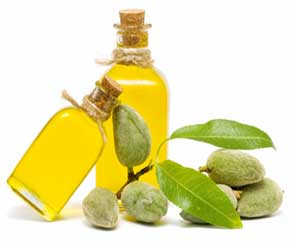
Almond Oil - is a nutrient-dense, vitamin E-rich oil offering significant health benefits, including enhanced skin hydration, heart health support, and improved digestion. It acts as a powerful anti-inflammatory and antioxidant agent, strengthening immunity and protecting cells from oxidative stress. Used in cooking or topically, it provides essential fatty acids and minerals.

1. Almond Oil Facts
2. Types of Almond Oil
3. Almond Oil Nutritional Value
4. Almond Oil Health Benefits


Almond Oil Facts

History and Origin


Types of Almond Oil

Common Types of Almond Oil

Almond Oil Nutritional Value

Almond Oil ( Nutritional value )
Nutritional Value per 13.6 g – 1 Tablespoon
Oil, almond

Nutrient ( Proximate’s )
Unit
Value
Daily Value %
Energy
kcal
120
6%
Protein
g
0.00
Total lipid (fat)
g
13.60
20.9%
Carbohydrate, by difference
g
0.00
Fiber, total dietary
g
0.0
Total Sugars
g
0.00
Minerals
Calcium, Ca
mg
0
Iron, Fe
mg
0.00
Magnesium, Mg
mg
0
Phosphorus, P
mg
0
Potassium, K
mg
0
Sodium, Na
mg
0
Zinc, Zn
mg
0.00
Copper, Cu
mg
0.000
Selenium, Se
mcg
0.0
Vitamins
Vitamin C, total ascorbic acid
mg
0.0
Thiamin (B-1)
mg
0.000
Riboflavin (B-2)
mg
0.000
Niacin (B-3)
mg
0.000
Pantothenic acid (B-5)
mg
0.000
Vitamin (B-6)
mg
0.000
Folate (B-9)
mcg
0
Vitamin (B-12)
mcg
0.00
Vitamin A, RAE (retinol)
mcg
0
Vitamin E (alpha-tocopherol)
mg
5.33
17.7%
Vitamin D (D2 + D3)
mcg
0
Vitamin K (phylloquinone)
mcg
1.0
1.2%
Lipids
Saturated Fatty Acids
g
1.115
5.5%
Monounsaturated Fatty Acids
g
9.506
Polyunsaturated Fatty Acids
g
2.366
Cholesterol
mg
0
Almond Oil

Reference Values are based on a 2,000 Calorie Intake, for Adults and Children 4 or More Years of Age. Your daily values may be higher or lower depending on your calorie needs.
Percentages are roughly approximated using (RDA) Recommended Dietary Allowances for adults. Source: Nutrient Database – USDA (United States Department of Agriculture)
Reference Values for Nutrition – FDA U.S. Food and Drug Administration

Almond Oil Nutritional Value


Almond Oil Health Benefits

Almond oil, rich in vitamin E, fatty acids, and antioxidants, offers significant benefits for skin hydration, heart health, and hair health. It serves as an effective natural moisturizer to soothe dry skin (eczema, psoriasis), helps reduce acne, and, when consumed, can support cardiovascular health by managing cholesterol levels and blood sugar.


Usage Tips

Topical: Apply directly to skin or hair as a serum, makeup remover, or massage oil.

Dietary: Use in salad dressings or low-heat cooking, although it is primarily known for its cosmetic benefits.

Safety: While generally safe, those with tree nut allergies should avoid it. 


Key Constituents

Vitamin E: A potent antioxidant that protects skin cells.

Fatty Acids: Contains Oleic (Omega-9) and Linoleic (Omega-6) acids, which hydrate and nourish.

Minerals: Contains magnesium and calcium. 


Key Negative Health Effects and Risks:

Allergic Reactions: Individuals with tree nut allergies should avoid almond oil, as it can cause serious reactions, including skin rashes, swelling, and respiratory distress.

Skin/Acne Issues: Although often used for skin, it has a comedogenicity rating of 2, making it moderately likely to clog pores and cause acne breakouts on oily or sensitive skin.

Weight Gain: As a high-calorie fat source, excessive consumption can lead to unwanted weight gain.

Toxicity of Bitter Almond Oil: Unprocessed bitter almond oil contains poisonous cyanide and can be fatal if ingested.

Pregnancy Risks: Daily application of almond oil during pregnancy has been linked to a potential risk of preterm delivery.

Hair Care Risks: Applying pure almond oil before heat styling can cause the oil to heat up and damage hair or scalp.

Potential for Kidney Stones: Excessive consumption may contribute to kidney and bladder issues in susceptible individuals. 


Precautions:
Always perform a patch test on your skin before using, and opt for cold-pressed sweet almond oil rather than bitter almond oil. 


  • PROMOTES HEART HEALTH
    Almond oil promotes heart health by reducing "bad" LDL cholesterol and elevating "good" HDL cholesterol, thanks to its high monounsaturated fat content (70%) and antioxidants like Vitamin E. It helps prevent cardiovascular disease by improving blood lipid profiles, reducing arterial plaque, and lowering blood pressure.
  • STRENGTHENS HAIR AND SCALP
    Almond oil strengthens hair and promotes scalp health by providing deep nourishment through vitamins (E, B7/Biotin), essential fatty acids (Omega 6, 9), and minerals like magnesium. It reduces breakage, repairs damaged hair, hydrates dry scalps, and fights dandruff, resulting in stronger, thicker-looking hair from root to tip.
  • SKIN ELASTICITY
    Almond oil, specifically sweet almond oil, improves skin elasticity, firmness, and suppleness due to its rich composition of Vitamin E, Vitamin A, fatty acids, and antioxidants. It boosts collagen production, hydrates deeply, and reduces the appearance of fine lines and wrinkles. Regular application helps protect skin, enhance texture, and reduce stretch marks.
  • SKIN CARE AND MOISTURIZING
    Almond oil is a lightweight, nutrient-rich oil excellent for deep skin moisturization, rejuvenation, and soothing irritation. Packed with Vitamin E, antioxidants, and fatty acids, it strengthens the skin's moisture barrier, reduces dryness, improves complexion, and helps minimize scars and stretch marks. It is generally suitable for all skin types due to its non-comedogenic nature.
  • REDUCED SKIN INFLAMMATION
    Almond oil, specifically sweet almond oil, is a powerful natural remedy for reducing skin inflammation due to its high content of fatty acids and vitamin E. Its emollient and anti-inflammatory properties soothe irritated skin, making it effective for conditions like eczema, psoriasis, rosacea, and sunburn.
Almond Oil
Almond Oil
HEALTH
  • BLOOD SUGAR MANAGEMENT
    Almond oil, rich in monounsaturated fats, supports blood sugar management by stabilizing levels, improving insulin sensitivity, and reducing postprandial glucose spikes. Regular, moderate consumption in a balanced diet can assist in managing type 2 diabetes and promoting healthy metabolic function due to its high antioxidant content.
  • REDUCED SKIN INFLAMMATION
    Almond oil, specifically sweet almond oil, is a powerful natural remedy for reducing skin inflammation due to its high content of fatty acids and vitamin E. Its emollient and anti-inflammatory properties soothe irritated skin, making it effective for conditions like eczema, psoriasis, rosacea, and sunburn.
  • AIDS DIGESTION AND GUT HEALTH
    Almond oil, specifically sweet almond oil, is a highly beneficial natural oil often used to support digestive health due to its mild laxative properties, ability to soothe irritation, and nutrient-dense composition. It acts as a lubricant within the digestive tract, facilitating easier waste passage and promoting regular bowel movements.
  • DEEPLY HYDRATES AND SOOTHES SKIN
    Almond oil is a lightweight, nutrient-rich oil, particularly sweet almond oil, that acts as a powerful emollient to deeply hydrate, soothe irritation, and improve skin tone. Packed with Vitamin E, Vitamin A, and essential fatty acids, it strengthens the skin's barrier, treats dryness, reduces inflammation (eczema/psoriasis), and boosts collagen.
  • SUN DAMAGE PROTECTION
    Sweet almond oil provides significant sun damage protection due to its high Vitamin E content, which acts as a powerful antioxidant to defend against UV-induced free radicals. Studies indicate it can help prevent structural UV damage, slow photoaging, and soothe sun-induced inflammation. It is best used as a complementary, nourishing layer with sunscreen.

References


Nutrient Database – USDA (United States Department of Agriculture)

Reference Values for Nutrition – FDA U.S. Food and Drug Administration


Promotes heart health - Almond oil promotes heart health by reducing "bad" LDL cholesterol and elevating "good" HDL cholesterol, thanks to its high monounsaturated fat content (70%) and antioxidants like Vitamin E. It helps prevent cardiovascular disease by improving blood lipid profiles, reducing arterial plaque, and lowering blood pressure. 

Blood sugar management - Almond oil, rich in monounsaturated fats, supports blood sugar management by stabilizing levels, improving insulin sensitivity, and reducing postprandial glucose spikes. Regular, moderate consumption in a balanced diet can assist in managing type 2 diabetes and promoting healthy metabolic function due to its high antioxidant content. 

Reduced skin inflammation - Almond oil, specifically sweet almond oil, is a powerful natural remedy for reducing skin inflammation due to its high content of fatty acids and vitamin E. Its emollient and anti-inflammatory properties soothe irritated skin, making it effective for conditions like eczema, psoriasis, rosacea, and sunburn. 

Aids digestion and gut health - Almond oil, specifically sweet almond oil, is a highly beneficial natural oil often used to support digestive health due to its mild laxative properties, ability to soothe irritation, and nutrient-dense composition. It acts as a lubricant within the digestive tract, facilitating easier waste passage and promoting regular bowel movements. 

Deeply hydrates and soothes skin - Almond oil is a lightweight, nutrient-rich oil, particularly sweet almond oil, that acts as a powerful emollient to deeply hydrate, soothe irritation, and improve skin tone. Packed with Vitamin E, Vitamin A, and essential fatty acids, it strengthens the skin's barrier, treats dryness, reduces inflammation (eczema/psoriasis), and boosts collagen.

Strengthens hair and scalp - Almond oil strengthens hair and promotes scalp health by providing deep nourishment through vitamins (E, B7/Biotin), essential fatty acids (Omega 6, 9), and minerals like magnesium. It reduces breakage, repairs damaged hair, hydrates dry scalps, and fights dandruff, resulting in stronger, thicker-looking hair from root to tip. 

Skin elasticity - Almond oil, specifically sweet almond oil, improves skin elasticity, firmness, and suppleness due to its rich composition of Vitamin E, Vitamin A, fatty acids, and antioxidants. It boosts collagen production, hydrates deeply, and reduces the appearance of fine lines and wrinkles. Regular application helps protect skin, enhance texture, and reduce stretch marks. 

Skin care and moisturizing - Almond oil is a lightweight, nutrient-rich oil excellent for deep skin moisturization, rejuvenation, and soothing irritation. Packed with Vitamin E, antioxidants, and fatty acids, it strengthens the skin's moisture barrier, reduces dryness, improves complexion, and helps minimize scars and stretch marks. It is generally suitable for all skin types due to its non-comedogenic nature. 

Reduced skin inflammation - Almond oil, specifically sweet almond oil, is a powerful natural remedy for reducing skin inflammation due to its high content of fatty acids and vitamin E. Its emollient and anti-inflammatory properties soothe irritated skin, making it effective for conditions like eczema, psoriasis, rosacea, and sunburn. 

Sun damage protection - Sweet almond oil provides significant sun damage protection due to its high Vitamin E content, which acts as a powerful antioxidant to defend against UV-induced free radicals. Studies indicate it can help prevent structural UV damage, slow photoaging, and soothe sun-induced inflammation. It is best used as a complementary, nourishing layer with sunscreen.


For More Information


Almond Oil – From Wikipedia, the free encyclopedia


Share