




1. Palm Oil Facts
2. Types of Palm Oil
3. Palm Oil Nutritional Value
4. Palm Oil Health Benefits
History and Origin
Palm Oil ( Nutritional value )
Nutritional Value per 13.6 g – 1 Tablespoon
Oil, palm
|
Nutrient ( Proximate’s )
|
Unit
|
Value
|
Daily Value %
|
|
Energy
|
kcal
|
120
|
%
|
|
Protein
|
g
|
0.00
|
|
|
Total lipid (fat)
|
g
|
13.60
|
%
|
|
Carbohydrate, by difference
|
g
|
0.00
|
|
|
Fiber, total dietary
|
g
|
0.0
|
|
|
Total Sugars
|
g
|
0.00
|
|
|
Minerals
|
|||
|
Calcium, Ca
|
mg
|
0
|
|
|
Iron, Fe
|
mg
|
0.00
|
|
|
Magnesium, Mg
|
mg
|
0
|
|
|
Phosphorus, P
|
mg
|
0
|
|
|
Potassium, K
|
mg
|
0
|
|
|
Sodium, Na
|
mg
|
0
|
|
|
Zinc, Zn
|
mg
|
0.00
|
|
|
Copper, Cu
|
mg
|
0.000
|
|
|
Selenium, Se
|
µg
|
0.0
|
|
|
Vitamins
|
|||
|
Vitamin C, total ascorbic acid
|
mg
|
0.0
|
|
|
Thiamin (B-1)
|
mg
|
0.000
|
|
|
Riboflavin (B-2)
|
mg
|
0.000
|
|
|
Niacin (B-3)
|
mg
|
0.000
|
|
|
Pantothenic acid (B-5)
|
mg
|
0.000
|
|
|
Vitamin (B-6)
|
mg
|
0.000
|
|
|
Folate (B-9)
|
µg
|
0
|
|
|
Vitamin (B-12)
|
µg
|
0.00
|
|
|
Vitamin A, IU
|
IU
|
0
|
|
|
Vitamin E (alpha-tocopherol)
|
mg
|
2.17
|
%
|
|
Gamma-Tocopherol
|
mg
|
0.00
|
|
|
Delta-Tocopherol
|
mg
|
00.00
|
|
|
Vitamin D
|
IU
|
0
|
|
|
Vitamin K (phylloquinone)
|
µg
|
1.1
|
%
|
|
Lipids
|
|||
|
Saturated Fatty Acids
|
g
|
6.705
|
33.5%
|
|
Monounsaturated Fatty Acids
|
g
|
5.032
|
|
|
Polyunsaturated Fatty Acids
|
g
|
1.265
|
|
|
Cholesterol
|
mg
|
0
|
|

|
Reference Values are based on a 2,000 Calorie Intake, for Adults and Children 4 or More Years of Age. Your daily values may be higher or lower depending on your calorie needs.
|
|
Percentages are roughly approximated using (RDA) Recommended Dietary Allowances for adults. Source: USDA United States Department of Agriculture
|
|
Reference Values for Nutrition – National Institutes of Health USA
|
Palm Oil Nutritional Value
Palm oil, particularly red palm oil, provides significant health benefits due to its high concentration of antioxidants, specifically Vitamin E (tocotrienols) and carotenoids (vitamin A precursors). It supports heart health by improving cholesterol levels (lowering LDL, increasing HDL), offers neuroprotective effects, and aids in reducing inflammation.
Important Considerations:
Nutrient Density: Red palm oil is more nutrient-dense than refined, bleached, and deodorized (RBD) palm oil.
Moderation: While it has benefits, palm oil is high in saturated fat and should be consumed as part of a balanced diet.
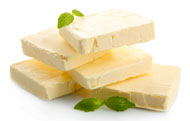
Comparison: While healthier than trans fats and butter, it is generally considered less heart-healthy than oils that are liquid at room temperature, such as olive oil.
Major Health Concerns
Cardiovascular Disease: High consumption is directly linked to an increased risk of cardiovascular disease, as the saturated fats can raise bad (LDL) cholesterol and triglyceride levels.
Heart Damage: The saturated fat content can cause plaque buildup in arteries, increasing the risk of heart disease, particularly in people with existing conditions like dyslipidaemia, hypertension, or those of advanced age.
Processed Oil Hazards: The refining process of palm oil at high temperatures can generate hazardous contaminants, such as glycidyl fatty acid esters (GE), which are believed to have carcinogenic effects.
Weight Gain: As a calorie-dense fat, excessive palm oil intake contributes to weight gain, which is a risk factor for various metabolic diseases.
Contested and Nuanced Aspects
Not All Palm Oil is Equal: Red palm oil contains antioxidants like tocotrienols, which may protect brain health. However, the processed red palm oil used in cooking might still raise bad cholesterol.
Impact on Children: There is limited evidence that moderate palm oil consumption is harmful to children.
Recommendation
Health authorities suggest limiting saturated fat intake to no more than 10% of total daily calories, regardless of the source, and avoiding overconsumption of processed foods (e.g., snacks, instant noodles) that typically contain high levels of palm oil.
- RICH SOURCE OF VITAMIN E
Palm oil, especially the unrefined red variety, is an exceptionally rich source of Vitamin E, specifically high in tocotrienols which offer potent antioxidant, anti-inflammatory, and neuroprotective benefits. These nutrients support brain health, may help reduce LDL cholesterol, improve immune function, and protect against free radical damage. - HEART HEALTH SUPPORT
Palm oil, particularly red palm oil, supports heart health by reducing oxidative stress, protecting against artery-clogging plaque, and maintaining healthy cholesterol levels due to its high vitamin E (tocotrienol) and antioxidant content. When consumed in moderation as part of a balanced diet, it does not increase cardiovascular disease risk. - ANTI-INFLAMMATORY EFFECTS
Red palm oil (RPO) offers significant anti-inflammatory benefits due to its high content of antioxidants, specifically tocotrienols (a form of Vitamin E), carotenoids, and polyphenols. These compounds reduce inflammatory cytokines like IL-6 and TNF-a, helping to mitigate oxidative stress and potentially manage chronic conditions such as arthritis and cardiovascular issues.
- HIGH VITAMIN A CONTENT (RED PALM OIL)
Red palm oil is a highly nutritious, unrefined oil exceptionally rich in beta-carotene (provitamin A) and vitamin E, providing significant antioxidant benefits. It acts as a potent, bioavailable source of Vitamin A, crucial for eye health, immune system support, skin health, and reducing nutrient deficiencies in children and pregnant women. - ANTIOXIDANT PROPERTIES
Red palm oil is packed with tocotrienols, tocopherols (Vitamin E), and carotenoids, which neutralize free radicals to reduce cellular oxidative stress and protect against disease. These potent antioxidants, particularly in unrefined red palm oil, offer significant health benefits including heart protection, improved cognitive health, and, due to high B-carotene, the correction of Vitamin A deficiencies. - BOOSTS BRAIN FUNCTION
Studies suggest that components in palm oil, particularly tocotrienols, may help protect brain function. Research, including human and animal studies, indicates that palm oil-derived tocotrienols may offer neuroprotective benefits and enhance cognitive function.
References
Nutrient Database – USDA (United States Department of Agriculture)
Reference Values for Nutrition – National Institutes of Health USA
Rich Source of Vitamin E - Palm oil, especially the unrefined red variety, is an exceptionally rich source of Vitamin E, specifically high in tocotrienols which offer potent antioxidant, anti-inflammatory, and neuroprotective benefits. These nutrients support brain health, may help reduce LDL cholesterol, improve immune function, and protect against free radical damage.
Heart Health Support - Palm oil, particularly red palm oil, supports heart health by reducing oxidative stress, protecting against artery-clogging plaque, and maintaining healthy cholesterol levels due to its high vitamin E (tocotrienol) and antioxidant content. When consumed in moderation as part of a balanced diet, it does not increase cardiovascular disease risk.
Boosts Brain Function - Studies suggest that components in palm oil, particularly tocotrienols (a type of vitamin E), may help protect brain function. Research, including human and animal studies, indicates that palm oil-derived tocotrienols may offer neuroprotective benefits and enhance cognitive function.
High Vitamin A Content (Red Palm Oil) - Red palm oil is a highly nutritious, unrefined oil exceptionally rich in beta-carotene (provitamin A) and vitamin E, providing significant antioxidant benefits. It acts as a potent, bioavailable source of Vitamin A, crucial for eye health, immune system support, skin health, and reducing nutrient deficiencies in children and pregnant women.
Antioxidant Properties - Red palm oil is a highly antioxidant-rich oil packed with tocotrienols, tocopherols (Vitamin E), and carotenoids, which neutralize free radicals to reduce cellular oxidative stress and protect against disease. These potent antioxidants, particularly in unrefined red palm oil, offer significant health benefits including heart protection, improved cognitive health, and, due to high B-carotene, the correction of Vitamin A deficiencies.
Anti-inflammatory Effects - Red palm oil (RPO) offers significant anti-inflammatory benefits due to its high content of antioxidants, specifically tocotrienols (a form of Vitamin E), carotenoids, and polyphenols. These compounds reduce inflammatory cytokines like IL-6 and TNF-a, helping to mitigate oxidative stress and potentially manage chronic conditions such as arthritis and cardiovascular issues.
Important Considerations:
Palm Oil Processing and Controversies over Its Health Effect - Overview of Positive and Negative Consequences