




1. Anchovy Facts
2. Types of Anchovies
3. Anchovy Nutritional Value
4. Anchovy Health Benefits
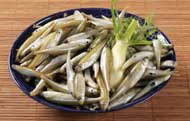
Anchovies are small, silvery-blue, oily saltwater forage fish from the Engraulidae family, commonly found in the Mediterranean, Atlantic, and Pacific Oceans. They are a, nutrient-rich, and, highly flavorful ingredient used to add a, deep, savory boost, or "umami," to many, dishes.
History and Origin
Anchovies have a culinary history spanning thousands of years, with their origins in human consumption deeply rooted in the Mediterranean region, particularly during ancient Roman and Greek times. Once considered a "food for the poor" or a pungent staple of lower-class diets in medieval Europe, these small, oily fish have shifted between being looked down upon and being elevated to elite status as a potent flavour enhancer (umami).
- • Cantabrian Anchovies (Premium/Spanish)
- • Italian Anchovies
- • White Anchovies (Boquerones)
- • Supermarket/Budget Anchovies
- • Australian Anchovy (Engraulis australis)
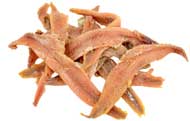
Anchovies available in Australia range from premium imported European varieties, often found in gourmet delis, to common, budget-friendly options in major supermarkets. They are generally categorized by their preservation method—either oil-packed (brown) or vinegar-marinated (white)—which dictates their flavour profile.
Types of Anchovies in Australia
- Cantabrian Anchovies (Premium/Spanish): Widely regarded as the best, particularly Ortiz, which are hand-filleted in the Bay of Biscay. Other top brands include Don Bocarte and Angelachu.
- Italian Anchovies: Often packed in olive oil or sunflower oil. Brands like Agostino Recca (available in tins or jars) are popular for their deep, salty, and savory, "meaty" taste.
- White Anchovies (Boquerones): Lightly salted and marinated in vinegar, oil, and sometimes garlic or parsley. They have a softer texture and a fresh, acidic, tangy flavour compared to oil-packed fillets.
- Supermarket/Budget Anchovies: Brands such as Russino, Capriccio, John West, and Always Fresh are readily available at Woolworths, Coles, and Aldi. They are usually more intense in salt and less nuanced than premium brands.
- Australian Anchovy (Engraulis australis): While less common in tins than imported varieties, the Australian anchovy is distributed from WA to QLD, including Tasmania.
Flavour Profiles and Texture
- Premium Anchovies (e.g., Ortiz): These have a "pink, fatty, almost creamy" flesh, with a delicate, gently salty, and slightly sweet flavour. They are often eaten directly from the tin.
- Classic Oil-Packed (e.g., Talatta, Recca): These have a strong, sharp, salty taste, often with a "chewy" or firm texture, making them ideal for melting into sauces, pasta, or pizza.
- White Anchovies (Boquerones): These are known for a fresh, clean, tangy finish with a mild, fish-free aftertaste.
- Intense/Budget Options: Some, like Colomba or John West, offer a more intense, "unadulterated salty-savoury" punch. Some budget brands might be described as having a "metallic" or "bitter" edge.
Best Use Cases in Australia
- Eating Straight: Ortiz, Angelachu, Don Bocarte.
- Cooking/Pizza/Pasta: Russino, Talatta, Capriccio, Colomba.
- Salads/Canapés: White anchovies (boquerones).
- Best Value: Russino (often rated best for cooking).
- Note: For the best flavour, high-quality tinned anchovies should be refrigerated to maintain their freshness.
Anchovy ( Nutritional value )
Value per 100 g
Fish, anchovy, european, canned in oil, drained solids
|
Nutrient ( Proximate’s )
|
Unit
|
Value
|
Daily Value %
|
|
Energy
|
kcal
|
210
|
10.5%
|
|
Protein
|
g
|
28.89
|
57.7%
|
|
Total lipid (fat)
|
g
|
9.71
|
12.4%
|
|
Carbohydrate, by difference
|
g
|
0.00
|
0.00
|
|
Fiber, total dietary
|
g
|
0.0
|
0.0
|
|
Sugars, total
|
g
|
0.00
|
0.00
|
|
Minerals
|
|||
|
Calcium, Ca
|
mg
|
232
|
17.8%
|
|
Iron, Fe
|
mg
|
4.63
|
25.7%
|
|
Magnesium, Mg
|
mg
|
69
|
16.4%
|
|
Phosphorus, P
|
mg
|
252
|
20.1%
|
|
Potassium, K
|
mg
|
544
|
11.5%
|
|
Sodium, Na
|
mg
|
3668
|
159.5%
|
|
Zinc, Zn
|
mg
|
2.44
|
22.1%
|
|
Copper, Cu
|
mg
|
0.339
|
37.6%
|
|
Manganese, Mn
|
mg
|
0.100
|
4.3%
|
|
Selenium, Se
|
mcg
|
68.1
|
123.8%
|
|
Vitamins
|
|||
|
Vitamin C, total ascorbic acid
|
mg
|
0.0
|
|
|
Thiamin (B-1)
|
mg
|
0.078
|
6.5%
|
|
Riboflavin (B-2)
|
mg
|
0.363
|
27.9%
|
|
Niacin (B-3)
|
mg
|
19.903
|
124.3%
|
|
Pantothenic acid (B-5)
|
mg
|
0.909
|
18.1%
|
|
Vitamin (B-6)
|
mg
|
0.203
|
11.9%
|
|
Folate (B-9)
|
mcg
|
13
|
3.2%
|
|
Vitamin (B-12)
|
mcg
|
0.88
|
36.6%
|
|
Vitamin A, RAE
|
mcg
|
12
|
1.3%
|
|
Vitamin E (alpha-tocopherol)
|
mg
|
3.33
|
22.2%
|
|
Vitamin D International Units
|
IU
|
69
|
8.6%
|
|
Vitamin D (D2 + D3)
|
mcg
|
1.7
|
8.5% |
|
Vitamin D3 (cholecalciferol)
|
mcg
|
1.7
|
|
|
Vitamin K (phylloquinone)
|
mcg
|
12.1
|
10%
|
|
Lipids
|
|||
|
Saturated Fatty Acids
|
g
|
2.203
|
11%
|
|
Monounsaturated Fatty Acids
|
g
|
3.770
|
|
|
Polyunsaturated Fatty Acids
|
g
|
2.562
|
|
|
Cholesterol
|
mg
|
85
|
28.3%
|
|
Reference Values are based on a 2,000 Calorie Intake, for Adults and Children 4 or More Years of Age. Your daily values may be higher or lower depending on your calorie needs.
|
|
Percentages are roughly approximated using (RDA) Recommended Dietary Allowances for adults. Source: USDA United States Department of Agriculture
|
|
Reference Values for Nutrition – National Institutes of Health USA
|
Anchovies Nutritional Value
Anchovies are highly nutritious, oily fish packed with omega-3 fatty acids, protein, selenium, and calcium, promoting heart, brain, and bone health. Their high nutrient density helps lower cholesterol, reduce inflammation, and support thyroid function. Due to their small size, they have low mercury levels, making them a safe, sustainable choice.
Considerations
While highly nutritious, canned or jarred anchovies are often very high in salt, and consuming them raw may increase the risk of parasitic infection.
HEART HEALTH
Anchovies are a significant, nutrient-dense source of heart-healthy omega-3 fatty acids (EPA and DHA), which help lower triglycerides, reduce blood pressure, decrease inflammation, and prevent artery-clogging plaque build-up. A 2-ounce serving can provide essential daily omega-3s, significantly reducing the risk of fatal heart disease and stroke.BONE HEALTH
Anchovies are an exceptional, nutrient-dense food for bone health, providing high levels of calcium, phosphorus, and Vitamin D, which are essential for maintaining bone density and preventing osteoporosis. Because their bones are small and edible, they offer a significant calcium boost—about 15% of the RDA per serving—strengthening bones and teeth, especially in children and the elderly.SUPPORTS WEIGHT MANAGEMENT
Anchovies are a low-calorie, and high-protein food that supports weight management by promoting satiety and reducing overeating. As a staple of the Mediterranean diet, these nutrient-packed fish provide essential omega-3 fatty acids, selenium, and iron, aiding metabolism, reducing inflammation, and offering a sustainable protein source for weight loss.

BRAIN AND COGNITIVE FUNCTION
Anchovies are a potent, nutrient-dense "brain food" rich in Omega-3 fatty acids (DHA and EPA), which are essential for maintaining cognitive function, improving memory, and reducing the risk of Alzheimer’s and dementia. Their high selenium, protein, and B12 content further supports neuroprotection, enhances mental clarity, and helps reduce brain inflammation.NUTRIENT DENSE AND LOW MERCURY
Anchovies are a highly nutritious, nutrient-dense, and sustainable, oily fish that provide significant health benefits while being remarkably low in mercury due to their position at the bottom of the food chain. Packed with essential nutrients in a small package, they are a potent source of heart-healthy omega-3 fatty acids, high-quality protein, calcium, and selenium.MAY REDUCE THE RISK OF CERTAIN CANCERS
Anchovies are nutrient-dense, oily fish that may reduce the risk of certain cancers, particularly colorectal and digestive tract cancers, due to their high content of selenium, omega-3 fatty acids, and Vitamin D. Regular consumption helps lower cancer risk by reducing oxidative stress and inflammation.
References
Nutrient Database – USDA (United States Department of Agriculture)
Reference Values for Nutrition – National Institutes of Health USA
Heart health - Anchovies are a significant, nutrient-dense source of heart-healthy omega-3 fatty acids (EPA and DHA), which help lower triglycerides, reduce blood pressure, decrease inflammation, and prevent artery-clogging plaque build-up. A 2-ounce serving can provide essential daily omega-3s, significantly reducing the risk of fatal heart disease and stroke.
Brain and cognitive function - Anchovies are a potent, nutrient-dense "brain food" rich in Omega-3 fatty acids (DHA and EPA), which are essential for maintaining cognitive function, improving memory, and reducing the risk of Alzheimer’s and dementia. Their high selenium, protein, and B12 content further supports neuroprotection, enhances mental clarity, and helps reduce brain inflammation.
Bone health - Anchovies are an exceptional, nutrient-dense food for bone health, providing high levels of calcium, phosphorus, and Vitamin D, which are essential for maintaining bone density and preventing osteoporosis. Because their bones are small and edible, they offer a significant calcium boost—about 15% of the RDA per serving—strengthening bones and teeth, especially in children and the elderly.
Nutrient dense and low mercury - Anchovies are a highly nutritious, nutrient-dense, and sustainable, oily fish that provide significant health benefits while being remarkably low in mercury due to their position at the bottom of the food chain. Packed with essential nutrients in a small package, they are a potent source of heart-healthy omega-3 fatty acids, high-quality protein, calcium, and selenium.
Supports weight management - Anchovies are an excellent, nutrient-dense, low-calorie, and high-protein food that supports weight management by promoting satiety and reducing overeating. As a staple of the Mediterranean diet, these nutrient-packed fish provide essential omega-3 fatty acids, selenium, and iron, aiding metabolism, reducing inflammation, and offering a sustainable protein source for weight loss.
May reduce the risk of certain cancers - Anchovies are nutrient-dense, oily fish that may reduce the risk of certain cancers, particularly colorectal and digestive tract cancers, due to their high content of selenium, omega-3 fatty acids, and Vitamin D. Regular consumption helps lower cancer risk by reducing oxidative stress and inflammation.