



1. Calamari Facts
2. Types of Calamari
3. Calamari Nutritional Value
4. Calamari Health Benefits
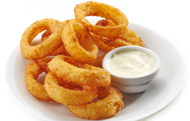
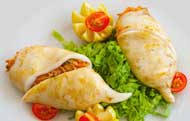
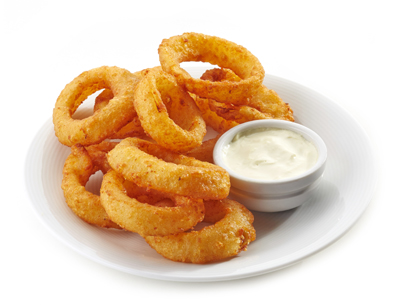
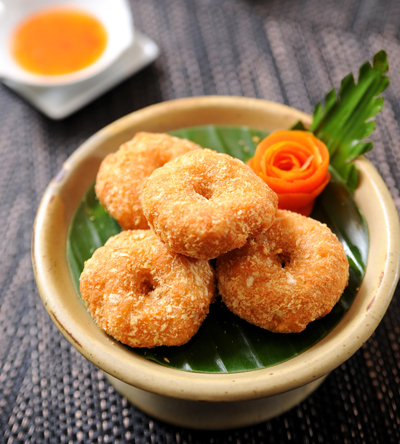
Calamari is the culinary term for squid, featuring a mild, slightly sweet, and faintly nutty flavour with a firm, tender, and slightly chewy texture. Often served fried as rings, it boasts a delicate ocean taste, similar to scallops or shrimp. Properly cooked calamari is not rubbery but tender and versatile enough for grilling, sautéing, or raw preparations.
History and Origin
Calamari, the Italian culinary term for squid, has been a staple in Mediterranean diets for thousands of years, with evidence of consumption dating back to ancient Greece and Rome. While deeply rooted in coastal European tradition, the modern, globalized consumption of deep-fried calamari primarily exploded in the United States during the 1970s, transitioning from a niche, low-cost item (often used as fishing bait) to a mainstream restaurant appetizer.
- • Southern Calamari (Sepioteuthis australis)
- • Northern Calamari (Sepioteuthis lessoniana)
- • Gould's Squid (Nototodarus gouldi)
In Australia, the most popular calamari types are Southern and Northern Calamari, prized for their superior tenderness and delicate, sweet flavour compared to general squid. Primarily wild-caught, these premium mollusks feature thick, white flesh, ideal for quick cooking like grilling, frying, or raw sashimi.
Primary Types of Calamari in Australia
- Southern Calamari (Sepioteuthis australis): Considered the premier variety, with a mantle (tube) that has fins extending the entire length, making it exceptionally tender and sweet. They are often caught in the cold, southern waters of Australia.
- Northern Calamari (Sepioteuthis lessoniana): Found in northern Australian coastal waters, these are similar to Southern Calamari with long side fins and high-quality white flesh.
- Gould's Squid (Nototodarus gouldi): Sometimes referred to as calamari in retail, though it is a different species (arrow squid) with shorter fins and slightly tougher, though still good, meat compared to true calamari.
Taste, Texture, and Culinary Uses
- Taste: Sweet, mild, and delicate, often described as having a pleasant "sea" flavour.
- Texture: Firm, white, and very tender when cooked properly (quickly at high heat or very slowly).
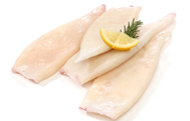
- Appearance: When raw, they have a mottled purple/brown skin that turns white, with fins running down the entire length of the tube.
- Common Forms: Sold as whole tubes, rings, or pre-tenderized (scored) for stir-fries, deep-frying (salt and pepper), or pan-searing.
Key Identification Note
- True Calamari (Loliginidae family) differ from common Squid (Teuthoidea order) because their side fins run the full length of their body. Generally, Southern Calamari is considered the top tier in quality and price, often preferred for its superior tenderness.
Calamari ( Nutritional value )
Value per 100 g
Mollusks, squid, mixed species, cooked, fried
|
Nutrient ( Proximate’s )
|
Unit
|
Value
|
Daily Value %
|
|
Energy
|
kcal
|
175
|
%
|
|
Protein
|
g
|
17.94
|
35.8%
|
|
Total lipid (fat)
|
g
|
7.48
|
%
|
|
Carbohydrate, by difference
|
g
|
7.79
|
%
|
|
Fiber, total dietary
|
g
|
0.0
|
0.0
|
|
Minerals
|
|||
|
Calcium, Ca
|
mg
|
39
|
%
|
|
Iron, Fe
|
mg
|
1.01
|
5.6%
|
|
Magnesium, Mg
|
mg
|
38
|
%
|
|
Phosphorus, P
|
mg
|
251
|
%
|
|
Potassium, K
|
mg
|
279
|
%
|
|
Sodium, Na
|
mg
|
306
|
%
|
|
Zinc, Zn
|
mg
|
1.74
|
%
|
|
Copper, Cu
|
mg
|
2.114
|
%
|
|
Manganese, Mn
|
mg
|
0.070
|
%
|
|
Selenium, Se
|
mcg
|
51.8
|
%
|
|
Vitamins
|
|||
|
Vitamin C, total ascorbic acid
|
mg
|
4.2
|
%
|
|
Thiamin (B-1)
|
mg
|
0.056
|
%
|
|
Riboflavin (B-2)
|
mg
|
0.458
|
%
|
|
Niacin (B-3)
|
mg
|
2.602
|
%
|
|
Pantothenic acid (B-5)
|
mg
|
0.510
|
%
|
|
Vitamin (B-6)
|
mg
|
0.058
|
%
|
|
Folate (B-9)
|
mcg
|
14
|
3.5%
|
|
Vitamin (B-12)
|
mcg
|
1.23
|
%
|
|
Vitamin A, IU
|
mcg
|
35
|
%
|
|
Lipids
|
|||
|
Saturated Fatty Acids
|
g
|
1.878
|
9.3%
|
|
Monounsaturated Fatty Acids
|
g
|
2.749
|
|
|
Polyunsaturated Fatty Acids
|
g
|
2.136
|
|
|
Cholesterol
|
mg
|
260
|
%
|
|
Reference Values are based on a 2,000 Calorie Intake, for Adults and Children 4 or More Years of Age. Your daily values may be higher or lower depending on your calorie needs.
|
|
Percentages are roughly approximated using (RDA) Recommended Dietary Allowances for adults. Source: USDA United States Department of Agriculture
|
|
Reference Values for Nutrition – National Institutes of Health USA
|
Calamari Nutritional Value
Calamari (squid) is a nutrient-dense, low-calorie seafood packed with high-quality protein, aiding muscle repair and satiety. It is rich in essential nutrients like omega-3 fatty acids, vitamin B12, copper, and selenium, which support heart health, brain function, immune strength, and anaemia prevention.
HIGH QUALITY PROTEIN FOR MUSCLE GROWTH
Calamari is an excellent source of high-quality, lean protein, providing roughly 13–18 grams per 3-ounce serving to support muscle growth, repair, and satiety. It is low in fat and calories, rich in essential amino acids, and packed with nutrients like B12, selenium, and zinc. For maximum health benefits, opt for grilled, steamed, or boiled calamari rather than fried.HEART HEALTHY
Calamari (squid) is highly heart-healthy when grilled or baked, offering a rich source of omega-3 fatty acids (DHA/EPA), which help lower blood pressure, reduce triglycerides, and improve cholesterol levels. It is low in saturated fat, high in protein, and contains potassium and magnesium to support heart rhythm and vascular health.STRENGTHENS BONES AND TEETH
Calamari (squid) is highly regarded for its ability to strengthen bones and teeth due to its rich mineral content, particularly phosphorus and calcium. A 100-gram serving of squid provides a significant, nutrient-dense boost to skeletal health.HELP MANAGE SYMPTOMS OF RHEUMATOID ARTHRITIS
Calamari (squid) offers several health benefits specifically relevant to managing rheumatoid arthritis (RA) and reducing inflammation, primarily due to its rich nutrient profile, including omega-3 fatty acids, selenium, and copper.
SUPPORTS BRAIN HEALTH AND FUNCTION
Calamari (squid) supports brain health and cognitive function through its high concentration of DHA omega-3 fatty acids, choline, and vitamin B12, which are essential for memory, nerve repair, and neurological development. It also provides taurine, a compound that supports nervous system health and acts as an antioxidant.BOOSTS IMMUNITY
Calamari (squid) is highly nutritious, offering significant health benefits when prepared via healthy methods like grilling or steaming. It is particularly effective at boosting immunity due to its high concentration of selenium and zinc, along with other key nutrients that support immune cell function.PREVENTS ANAEMIA
Calamari (squid) is considered a potent dietary choice for preventing and fighting anaemia, primarily due to its high copper content, which assists in iron absorption. A single serving of squid can provide up to 90% of the daily required copper, a trace mineral essential for iron utilization and red blood cell production.WEIGHT MANAGEMENT SUPPORT
Calamari (squid) can be a valuable addition to a weight management plan due to its high-protein, low-calorie, and low-fat profile, provided it is prepared using healthy cooking methods. It is particularly effective for satiety and muscle maintenance, but its benefits are largely negated when deep-fried.
References
Nutrient Database – USDA (United States Department of Agriculture)
Reference Values for Nutrition – National Institutes of Health USA
High quality protein for muscle growth - Calamari is an excellent source of high-quality, lean protein, providing roughly 13–18 grams per 3-ounce serving to support muscle growth, repair, and satiety. It is low in fat and calories, rich in essential amino acids, and packed with nutrients like B12, selenium, and zinc. For maximum health benefits, opt for grilled, steamed, or boiled calamari rather than fried.
Heart healthy - Calamari (squid) is highly heart-healthy when grilled or baked, offering a rich source of omega-3 fatty acids (DHA/EPA), which help lower blood pressure, reduce triglycerides, and improve cholesterol levels. It is low in saturated fat, high in protein, and contains potassium and magnesium to support heart rhythm and vascular health. https://www.heartfoundation.org.au/blog/deep-dive-into-fish-and-seafood
Boosts Immunity - Calamari (squid) is highly nutritious, offering significant health benefits when prepared via healthy methods like grilling or steaming. It is particularly effective at boosting immunity due to its high concentration of selenium and zinc, along with other key nutrients that support immune cell function.
Supports brain health and function - Calamari (squid) supports brain health and cognitive function through its high concentration of DHA omega-3 fatty acids, choline, and vitamin B12, which are essential for memory, nerve repair, and neurological development. It also provides taurine, a compound that supports nervous system health and acts as an antioxidant.
Help manage symptoms of rheumatoid arthritis - Calamari (squid) offers several health benefits specifically relevant to managing rheumatoid arthritis (RA) and reducing inflammation, primarily due to its rich nutrient profile, including omega-3 fatty acids, selenium, and copper.
Prevents anaemia - Calamari (squid) is considered a potent dietary choice for preventing and fighting anaemia, primarily due to its high copper content, which assists in iron absorption. A single serving of squid can provide up to 90% of the daily required copper, a trace mineral essential for iron utilization and red blood cell production.
Strengthens bones and teeth - Calamari (squid) is highly regarded for its ability to strengthen bones and teeth due to its rich mineral content, particularly phosphorus and calcium. A 100-gram serving of squid provides a significant, nutrient-dense boost to skeletal health.
Weight management support - Calamari (squid) can be a valuable addition to a weight management plan due to its high-protein, low-calorie, and low-fat profile, provided it is prepared using healthy cooking methods. It is particularly effective for satiety and muscle maintenance, but its benefits are largely negated when deep-fried.