





1. Clam Facts
2. Types of Clams
3. Clam Nutritional Value
4. Clam Health Benefits
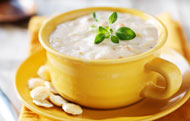
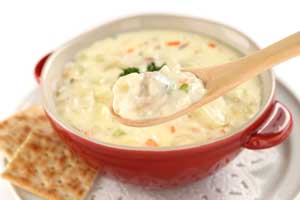
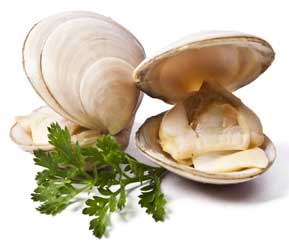
Clams are aquatic bivalve mollusks featuring two hinged, calcareous shells that tightly close for protection. They are filter feeders found buried in sand or mud in marine and freshwater habitats. Known for a savory, slightly sweet, and briny taste, clams are commonly used in dishes like pasta or chowder.
History and Origin
Clams have been a fundamental, high-protein food source for coastal human populations for thousands of years, with evidence of consumption stretching back to prehistoric times. They were essential to Indigenous communities in the Pacific Northwest, where they were not only eaten fresh but also dried for preservation and traded in vast numbers.
- • Pipis (Plebidonax deltoides)
- • Surf Clams (Donacidae family)
- • Cockles (Anadara trapezia/other spp.)
- • Razor Clams (Solenidae family)
- • Periwinkles
Common types of edible clams in Australia include Pipis, Surf Clams, Cockles, and Razor Clams, known for their sweet, briny, and tender meat. They are commonly cooked via steaming, in pastas, or stir-fried, offering a, mild to medium, firm-textured, and highly nutritious seafood experience.
Common Types of Australian Clams and Flavour Profiles
- Pipis (Plebidonax deltoides): A popular beach-dwelling clam with a sweet, delicate, and slightly briny flavour, often described as having a firmer texture than many other clams.
- Surf Clams (Donacidae family): Similar to pipis, these have a mild, sweet, and slightly chewy flesh, frequently used in soups or stir-fries for their flavourful broth.
- Cockles (Anadara trapezia/other spp.): These possess a slightly sweet taste and a delicate texture.
- Razor Clams (Solenidae family): Known for their long, thin shells, these have a stronger, more robust clam flavour and a firm, white meat that is excellent pan-fried.
- Periwinkles: While not technically a clam (it is a sea snail), these are commonly harvested alongside shore-clams, known for being sweet, firm, and heavily briny.
Key Culinary Uses in Australia
- Steamed: With garlic, chilli, and white wine.
- Stir-fried: Often with black bean sauce.
- Soups and Pasta: Used in chowders or tossed through pasta.
- Grilled/Barbecued: Directly on the grill until they open.
- Preparation Tip: Because many Australian clams are sand dwellers, it is important to purge them in cool, salted water (approximately 30g salt per liter of water) for several hours to remove grit before cooking.
Clam ( Nutritional value )
Value per 100 g
Mollusks, clam, mixed species, raw
|
Nutrient ( Proximate’s )
|
Unit
|
Value
|
Daily Value %
|
|
Energy
|
kcal
|
86
|
%
|
|
Protein
|
g
|
14.67
|
29.3%
|
|
Total lipid (fat)
|
g
|
0.96
|
%
|
|
Carbohydrate, by difference
|
g
|
3.57
|
%
|
|
Fiber, total dietary
|
g
|
0.0
|
0.0
|
|
Sugars, total
|
g
|
0.00
|
0.00
|
|
Minerals
|
|||
|
Calcium, Ca
|
mg
|
39
|
%
|
|
Iron, Fe
|
mg
|
1.62
|
9.0%
|
|
Magnesium, Mg
|
mg
|
19
|
%
|
|
Phosphorus, P
|
mg
|
198
|
%
|
|
Potassium, K
|
mg
|
46
|
%
|
|
Sodium, Na
|
mg
|
601
|
%
|
|
Zinc, Zn
|
mg
|
0.51
|
%
|
|
Copper, Cu
|
mg
|
0.053
|
%
|
|
Manganese, Mn
|
mg
|
0.085
|
%
|
|
Selenium, Se
|
mcg
|
30.6
|
%
|
|
Vitamins
|
|||
|
Vitamin C, total ascorbic acid
|
mg
|
0.0
|
0.0
|
|
Thiamin (B-1)
|
mg
|
0.015
|
%
|
|
Riboflavin (B-2)
|
mg
|
0.040
|
%
|
|
Niacin (B-3)
|
mg
|
0.350
|
%
|
|
Pantothenic acid (B-5)
|
mg
|
0.148
|
%
|
|
Vitamin (B-6)
|
mg
|
0.010
|
%
|
|
Folate (B-9)
|
mcg
|
5
|
%
|
|
Choline
|
mg
|
65.0
|
|
|
Vitamin (B-12)
|
mcg
|
11.28
|
%
|
|
Vitamin A, IU
|
mcg
|
300
|
%
|
|
Vitamin E (alpha-tocopherol)
|
mg
|
0.68
|
%
|
|
Beta-Tocopherol
|
mg
|
0.02
|
|
|
Gamma-Tocopherol
|
mg
|
0.89
|
|
|
Delta-Tocopherol
|
mg
|
0.38
|
|
|
Vitamin D
|
mcg
|
1
|
%
|
|
Vitamin D (D2 + D3)
|
mcg
|
0.0
|
|
|
Vitamin D3 (cholecalciferol)
|
mcg
|
0.0
|
0.0
|
|
Vitamin K (phylloquinone)
|
mcg
|
0.2
|
%
|
|
Lipids
|
|||
|
Saturated Fatty Acids
|
g
|
0.187
|
0.9%
|
|
Monounsaturated Fatty Acids
|
g
|
0.120
|
|
|
Polyunsaturated Fatty Acids
|
g
|
0.192
|
|
|
Trans Tatty Acids
|
g
|
0.015
|
|
|
Cholesterol
|
mg
|
30
|
10%
|
|
Reference Values are based on a 2,000 Calorie Intake, for Adults and Children 4 or More Years of Age. Your daily values may be higher or lower depending on your calorie needs.
|
|
Percentages are roughly approximated using (RDA) Recommended Dietary Allowances for adults. Source: USDA United States Department of Agriculture
|
|
Reference Values for Nutrition – National Institutes of Health USA
|
Clams Nutritional Value
Clams are nutritional powerhouses, offering high levels of Vitamin B12, protein, iron, zinc, and omega-3s, which support energy, brain health, immunity, and heart health, while also aiding in muscle building, blood formation (preventing anaemia), and providing antioxidants like selenium for skin and anti-inflammatory benefits. They are low in fat and calories, making them excellent for weight management, and contribute to strong bones and healthy teeth.
MUSCLE AND WEIGHT MANAGEMENT
Clams are a highly nutritious, nutrient-dense seafood option that offers significant health benefits, particularly for muscle development, repair, and weight management. They are a rich source of lean protein, essential vitamins, and minerals while being low in calories and fat.SIGNIFICANTLY BOOST BRAIN
Clams provide crucial nutrients like Vitamin B12, omega-3 fatty acids, iron, zinc, and selenium, supporting memory, mood, nerve health, and cognitive performance while protecting against damage. Key components like B12 maintain nerve health, while omega-3s build flexible brain cells, enhancing signal transmission for better focus and mental clarity, making clams excellent brain food.A VITAMIN POWERHOUSE
Clams are a vitamin powerhouse, especially rich in Vitamin B12 for nerve and blood cell health, alongside significant amounts of Vitamin C for immunity, plus riboflavin, niacin, and vitamin B6, all vital for energy and metabolism. These vitamins, combined with iron, protein, and omega-3s, support brain function, heart health, muscle repair, and energy, making clams a highly nutrient-dense food.BOOST IMMUNE SUPPORT
Clams boost immune support through high levels of zinc, vital for immune cell development, and vitamin B12, crucial for overall cell health, plus vitamin C for immune function and antioxidant selenium, which fights inflammation, making them excellent for a stronger defence system. Their omega-3s and protein further support overall bodily functions, including immunity.
BOOST ENERGY AND BLOOD HEALTH
Clams boost energy and blood health by providing high levels of iron for oxygen transport, vitamin B12 for red blood cell formation and nerve function, and lean protein for overall vitality, while also supplying essential minerals like zinc and selenium for immunity and antioxidant protection, making them a nutrient-dense food that combats fatigue and supports vital bodily functions.SUPPORTS BONE HEALTH
Clams support bone health by providing essential minerals like calcium, magnesium, phosphorus, and zinc, crucial for bone structure and preventing loss (osteoporosis). They also offer vitamin B12 for bone formation and protein for overall bone strength, making them a nutrient-dense food for a healthy skeletal system.SUPPORT HEART HEALTH
Clams support heart health by providing omega-3 fatty acids that reduce inflammation and blood pressure, vitamin B12 which lowers heart disease risk, and lean protein, all while being low in unhealthy fats and calories. Their minerals like zinc and selenium also contribute to overall cardiovascular and immune function, helping to protect cells and maintain blood circulation, making them a nutrient-dense choice for a healthy heart.PACKED WITH ESSENTIAL MINERALS
Clams are packed with essential minerals, notably iron for energy, zinc for immunity, selenium as an antioxidant, and magnesium for bone/blood sugar health, plus B vitamins, protein, and omega-3s, supporting everything from nerve function to heart health and preventing deficiencies like anaemia, making them a nutrient powerhouse.
References
Nutrient Database – USDA (United States Department of Agriculture)
Reference Values for Nutrition – National Institutes of Health USA
Boost energy and blood health - Clams boost energy and blood health by providing high levels of iron for oxygen transport, vitamin B12 for red blood cell formation and nerve function, and lean protein for overall vitality, while also supplying essential minerals like zinc and selenium for immunity and antioxidant protection, making them a nutrient-dense food that combats fatigue and supports vital bodily functions.
Significantly boost brain - Clams significantly boost brain function by providing crucial nutrients like Vitamin B12, omega-3 fatty acids, iron, zinc, and selenium, supporting memory, mood, nerve health, and cognitive performance while protecting against damage. Key components like B12 maintain nerve health, while omega-3s build flexible brain cells, enhancing signal transmission for better focus and mental clarity, making clams excellent brain food.
Support heart health - Clams support heart health by providing omega-3 fatty acids that reduce inflammation and blood pressure, vitamin B12 which lowers heart disease risk, and lean protein, all while being low in unhealthy fats and calories. Their minerals like zinc and selenium also contribute to overall cardiovascular and immune function, helping to protect cells and maintain blood circulation, making them a nutrient-dense choice for a healthy heart.
Boost immune support - Clams boost immune support through high levels of zinc, vital for immune cell development, and vitamin B12, crucial for overall cell health, plus vitamin C for immune function and antioxidant selenium, which fights inflammation, making them excellent for a stronger defence system. Their omega-3s and protein further support overall bodily functions, including immunity.
Muscle and weight management - Clams are a highly nutritious, nutrient-dense seafood option that offers significant health benefits, particularly for muscle development, repair, and weight management. They are a rich source of lean protein, essential vitamins, and minerals while being low in calories and fat.
Supports bone health - Clams support bone health by providing essential minerals like calcium, magnesium, phosphorus, and zinc, crucial for bone structure and preventing loss (osteoporosis). They also offer vitamin B12 for bone formation and protein for overall bone strength, making them a nutrient-dense food for a healthy skeletal system.
A vitamin powerhouse - Clams are a vitamin powerhouse, especially rich in Vitamin B12 for nerve and blood cell health, alongside significant amounts of Vitamin C for immunity, plus riboflavin, niacin, and vitamin B6, all vital for energy and metabolism. These vitamins, combined with iron, protein, and omega-3s, support brain function, heart health, muscle repair, and energy, making clams a highly nutrient-dense food.
Packed with essential minerals - Clams are packed with essential minerals, notably iron for energy, zinc for immunity, selenium as an antioxidant, and magnesium for bone/blood sugar health, plus B vitamins, protein, and omega-3s, supporting everything from nerve function to heart health and preventing deficiencies like anaemia, making them a nutrient powerhouse.