




1. Eel Facts
2. Types of Eel
3. Bass Nutritional Value
4. Eel Health Benefits
Eel is a highly prized, fatty, and nutritious fish often used in global cuisines, particularly known for its rich, meaty texture and, when properly prepared, a mild, sweet, and savory flavor. It is often described as a, "delicate, meaty, and buttery" alternative to more common fish, often compared to chicken or high-quality mackerel in texture.
History and Origin
Eel consumption has a deep, ancient history, spanning thousands of years, initially serving as a staple, readily available, and affordable protein for coastal and riverine populations. Today, however, that role has reversed: wild eel populations are critically endangered, and they have largely transitioned from a staple food for the poor to a high-end, expensive delicacy.
- • Longfin Eel (Anguilla reinhardtii)
- • Shortfin Eel (Anguilla australis)
- • Imported/Unagi (Roasted Eel)
In Australia, the primary eels sold and consumed are the native Longfin eel (Anguilla reinhardtii) and Shortfin eel (Anguilla australis), often sourced from aquaculture or wild fisheries. They have a rich, oily, and slightly sweet flavor with a firm, gelatinous texture. These freshwater eels are highly regarded for their high nutritional value, particularly in smoked or roasted (Japanese-style) dishes.
Key Eel Types and Taste Profiles in Australia
- Longfin Eel (Anguilla reinhardtii): The main species for Australian aquaculture and highly sought after by Asian markets. They have an olive-green, mottled appearance and can reach over 1.7m.
- Shortfin Eel (Anguilla australis): Commonly found in Victoria and Tasmania. These are generally smaller than longfin eels but have excellent aquaculture potential.
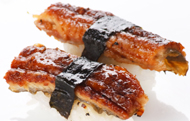
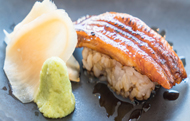
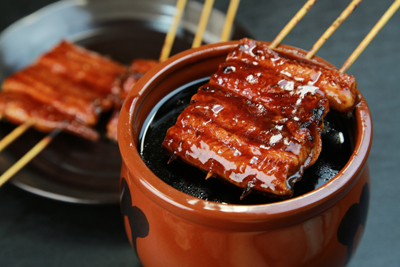
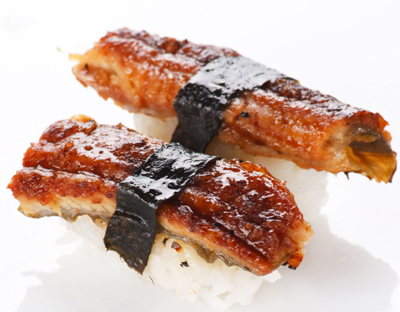
- Imported/Unagi (Roasted Eel): Widely available in Asian supermarkets, such as frozen, Japanese-style roasted eel (Kabayaki).
- Rock Ling: Although not a true eel, the Rock Ling is often sold for its similar, firm-fleshed texture in soups and curries.
Taste and Culinary Use
- Flavor: Eels are known for being quite oily with a strong, rich, and slightly sweet taste.
- Texture: They have a thick skin and a, firm, and somewhat gelatinous, fatty white flesh.
- Preparation: Commonly eaten smoked, grilled, or barbequed. It is also prepared in casseroles, pates, and soups.
- Note: The Longfin Eel is sometimes confused with the Pike Eel or other, non-eatable, or less common eel species.
Eel ( Nutritional value )
Value per 100 g
Fish, eel, mixed species, cooked, dry heat
|
Nutrient ( Proximate’s )
|
Unit
|
Value
|
Daily Value %
|
|
Energy
|
kcal
|
236
|
%
|
|
Protein
|
g
|
23.65
|
47.3%
|
|
Total lipid (fat)
|
g
|
14.95
|
%
|
|
Carbohydrate, by difference
|
g
|
0.00
|
0.00
|
|
Fiber, total dietary
|
g
|
0.0
|
0.0
|
|
Sugars, total
|
g
|
0.00
|
0.00
|
|
Minerals
|
|||
|
Calcium, Ca
|
mg
|
26
|
%
|
|
Iron, Fe
|
mg
|
0.64
|
3.5%
|
|
Magnesium, Mg
|
mg
|
26
|
%
|
|
Phosphorus, P
|
mg
|
277
|
%
|
|
Potassium, K
|
mg
|
349
|
%
|
|
Sodium, Na
|
mg
|
65
|
%
|
|
Zinc, Zn
|
mg
|
2.08
|
%
|
|
Copper, Cu
|
mg
|
0.029
|
%
|
|
Manganese, Mn
|
mg
|
0.040
|
%
|
|
Selenium, Se
|
mcg
|
8.3
|
%
|
|
Vitamins
|
|||
|
Vitamin C, total ascorbic acid
|
mg
|
1.8
|
%
|
|
Thiamin (B-1)
|
mg
|
0.183
|
%
|
|
Riboflavin (B-2)
|
mg
|
0.051
|
%
|
|
Niacin (B-3)
|
mg
|
4.487
|
%
|
|
Pantothenic acid (B-5)
|
mg
|
0.280
|
%
|
|
Vitamin (B-6)
|
mg
|
0.077
|
%
|
|
Folate (B-9)
|
mcg
|
17
|
4.2%
|
|
Retinol
|
mcg
|
1137
|
|
|
Vitamin (B-12)
|
mcg
|
2.89
|
%
|
|
Vitamin A, IU
|
mcg
|
3787
|
%
|
|
Lipids
|
|||
|
Saturated Fatty Acids
|
g
|
3.023
|
15.1%
|
|
Monounsaturated Fatty Acids
|
g
|
9.218
|
|
|
Polyunsaturated Fatty Acids
|
g
|
1.214
|
|
|
Cholesterol
|
mg
|
161
|
%
|
|
Reference Values are based on a 2,000 Calorie Intake, for Adults and Children 4 or More Years of Age. Your daily values may be higher or lower depending on your calorie needs.
|
|
Percentages are roughly approximated using (RDA) Recommended Dietary Allowances for adults. Source: USDA United States Department of Agriculture
|
|
Reference Values for Nutrition – National Institutes of Health USA
|
Eel Nutritional Value
Eel is a nutrient-dense seafood, particularly popular in Japanese cuisine (unagi) and recognized for its high protein, healthy fat, and vitamin content. It is considered a functional food that provides significant health benefits.
Mercury: Some species, such as European eel, may contain high levels of heavy metals like mercury, so it is important to eat in moderation.
BOOSTS BRAIN FUNCTION AND MEMORY
Eel is widely considered a potent "brain food" due to its exceptionally high concentration of essential fatty acids, specifically DHA (docosahexaenoic acid) and EPA (eicosapentaenoic acid), which are critical for cognitive function, memory enhancement, and long-term brain health. Research indicates that eel often surpasses salmon in these nutrients, offering significant benefits for reducing cognitive decline and supporting brain structure.RICH IN ESSENTIAL VITAMINS
Eel is a highly nutritious, nutrient-dense fish rich in essential vitamins, which support immune function, skin health, and energy metabolism. Packed with omega-3 fatty acids, high-quality protein, and minerals like phosphorus, it promotes heart health, cognitive function, and bone strength.SUPPORTS HEART HEALTH
Eel supports heart with Omega-3 fatty acids, which reduce inflammation, lower blood pressure, and improve cholesterol levels by reducing LDL and increasing HDL. Rich in EPA and DHA, it promotes cardiovascular, brain, and immune health while providing high-quality protein.
STRENGTHENS BONES AND TEETH
Eel is highly beneficial for strengthening bones and teeth due to its dense concentration of essential minerals, particularly calcium and phosphorus. It is also a rich source of Vitamin D, which is crucial for calcium absorption and maintaining a strong skeletal system.ENHANCES STAMINA AND RELIEVES FATIGUE
Eel (particularly Unagi in Japan) is widely celebrated as a potent, nutrient-dense food that enhances stamina, fights fatigue, and helps the body recover from heat-induced exhaustion (often referred to as natsubate in Japan). Its high nutritional value makes it a traditional, restorative dish often eaten during the "Day of the Ox" in midsummer to maintain energy levels.PROVIDES HIGH-QUALITY PROTEIN FOR MUSCLE REPAIR
Eel is recognized as a highly nutritious, nutrient-dense food that provides a substantial amount of high-quality protein, making it an excellent source for muscle repair, maintenance, and growth. Its amino acid profile is well-balanced, containing all nine essential amino acids necessary for repairing tissue and strengthening tendons and bones.
References
Nutrient Database – USDA (United States Department of Agriculture)
Reference Values for Nutrition – National Institutes of Health USA
Supports Heart Health - Eel supports heart health due to high concentrations of Omega-3 fatty acids, which reduce inflammation, lower blood pressure, and improve cholesterol levels by reducing LDL and increasing HDL. Rich in EPA and DHA, it promotes cardiovascular, brain, and immune health while providing high-quality protein.
Rich in Essential Vitamins - Eel is a highly nutritious, nutrient-dense fish rich in essential vitamins, particularly A, B1, B2, B12, and E, which support immune function, skin health, and energy metabolism. Packed with omega-3 fatty acids, high-quality protein, and minerals like phosphorus, it promotes heart health, cognitive function, and bone strength.
Boosts Brain Function and Memory - Eel is widely considered a potent "brain food" due to its exceptionally high concentration of essential fatty acids, specifically DHA (docosahexaenoic acid) and EPA (eicosapentaenoic acid), which are critical for cognitive function, memory enhancement, and long-term brain health. Research indicates that eel often surpasses salmon in these nutrients, offering significant benefits for reducing cognitive decline and supporting brain structure.
Provides High-Quality Protein for Muscle Repair - Eel is recognized as a highly nutritious, nutrient-dense food that provides a substantial amount of high-quality protein (approximately 18–24 grams per 100-gram serving), making it an excellent source for muscle repair, maintenance, and growth. Its amino acid profile is well-balanced, containing all nine essential amino acids necessary for repairing tissue and strengthening tendons and bones.
Enhances Stamina and Relieves Fatigue - Eel (particularly Unagi in Japan) is widely celebrated as a potent, nutrient-dense food that enhances stamina, fights fatigue, and helps the body recover from heat-induced exhaustion (often referred to as natsubate in Japan). Its high nutritional value makes it a traditional, restorative dish often eaten during the "Day of the Ox" in midsummer to maintain energy levels.
Strengthens Bones and Teeth - Eel is highly beneficial for strengthening bones and teeth due to its dense concentration of essential minerals, particularly calcium and phosphorus. It is also a rich source of Vitamin D, which is crucial for calcium absorption and maintaining a strong skeletal system.