



1. Flounder Facts
2. Types of Flounder
3. Flounder Nutritional Value
4. Flounder Health Benefits
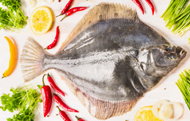
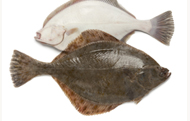
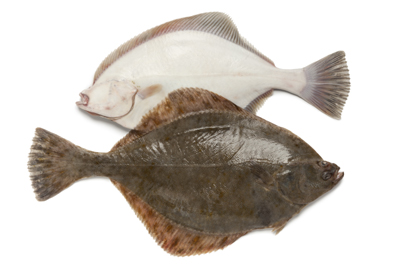
Flounder is a highly regarded, mild-flavoured, and delicate white flatfish found in coastal waters worldwide. It is characterized by its unique, flattened shape, with both eyes on one side of its head, allowing it to camouflage on the sandy or muddy ocean floor. Due to its delicate, slightly sweet taste and flaky texture, it is a popular, approachable choice for seafood lovers and beginners alike.
History and Origin
Flounder, a term covering various species of flatfish, have been a, utilized food source for thousands of years, with their unique, asymmetrical body structure—both eyes on one side—evolving over 50 million years ago. Modern consumption of flounder stems from historically significant, coastal fishing, transitioning in the 20th century into a highly regulated, commercially important, and increasingly aquaculture-focused industry.
- • Greenback Flounder (Rhombosolea tapirina)
- • Yellowbelly Flounder (Rhombosolea leporina)
- • Largetooth Flounder (Pseudorhombus arsius)
- • Sand Flounder (Rhombosolea plebeia)
- • Bay/Longsnout Flounder
Flounder available in Australia, including Greenback, Yellowbelly, and Largetooth species, are popular, mild-tasting, white-fleshed, and bottom-dwelling flatfish found in coastal, bay, and estuary waters. Known for a delicate, sweet, and low-oil flavour, they are highly regarded for pan-frying, grilling, or baking, often sold whole or in fillets.
Common Types of Flounder in Australia
- Greenback Flounder (Rhombosolea tapirina): Previously referred to as Melbourne or Southern Flounder, this is a very common species in Australian waters.
- Yellowbelly Flounder (Rhombosolea leporina): Widely available in Australian, often imported fresh from New Zealand, and known for its high-quality, tender flesh.
- Largetooth Flounder (Pseudorhombus arsius): Commonly found in NSW waters, this is another frequently sold species, recognized for its, as the name suggests, large teeth.
- Sand Flounder (Rhombosolea plebeia): While endemic to New Zealand, these are commonly imported and available in Australian markets, often sold alongside yellowbelly.
- Bay/Longsnout Flounder: Various species within this group are found, often not differentiated at market.
Taste and Texture Profile
- Flavour: Mild, delicate, and slightly sweet with a low oiliness.
- Texture: Tender, fine-grained, and flakes easily.
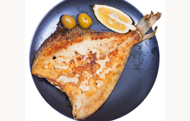
- Usage: Ideal for delicate cooking methods, such as pan-searing, steaming, or baking (often with butter), or, as is very popular in Australia, battered or crumbed at fish and chip shops.
- Preparation: Frequently sold whole (gutted and scaled) or in delicate fillets.
- Flounder is a popular choice for those seeking a light, delicate white fish that is easy to prepare and holds a mild, crowd-pleasing flavour.
Flounder ( Nutritional value )
Value per 100 g
Fish, flatfish (flounder and sole species), cooked, dry heat
|
Nutrient ( Proximate’s )
|
Unit
|
Value
|
Daily Value %
|
|
Energy
|
kcal
|
86
|
%
|
|
Protein
|
g
|
15.24
|
30.4%
|
|
Total lipid (fat)
|
g
|
2.37
|
%
|
|
Carbohydrate, by difference
|
g
|
0.00
|
0.00
|
|
Fiber, total dietary
|
g
|
0.0
|
0.0
|
|
Sugars, total
|
g
|
0.00
|
0.00
|
|
Minerals
|
|||
|
Calcium, Ca
|
mg
|
25
|
%
|
|
Iron, Fe
|
mg
|
0.23
|
1.2%
|
|
Magnesium, Mg
|
mg
|
22
|
%
|
|
Phosphorus, P
|
mg
|
309
|
%
|
|
Potassium, K
|
mg
|
197
|
%
|
|
Sodium, Na
|
mg
|
363
|
%
|
|
Zinc, Zn
|
mg
|
0.39
|
%
|
|
Copper, Cu
|
mg
|
0.014
|
%
|
|
Manganese, Mn
|
mg
|
0.017
|
%
|
|
Selenium, Se
|
mcg
|
32.6
|
%
|
|
Vitamins
|
|||
|
Vitamin C, total ascorbic acid
|
mg
|
0.0
|
0.0
|
|
Thiamin (B-1)
|
mg
|
0.026
|
%
|
|
Riboflavin (B-2)
|
mg
|
0.025
|
%
|
|
Niacin (B-3)
|
mg
|
1.278
|
%
|
|
Pantothenic acid (B-5)
|
mg
|
0.227
|
%
|
|
Vitamin (B-6)
|
mg
|
0.115
|
%
|
|
Folate (B-9)
|
mcg
|
6
|
1.5%
|
|
Choline
|
mg
|
79.9
|
|
|
Vitamin (B-12)
|
mcg
|
1.31
|
%
|
|
Vitamin A, IU
|
mcg
|
37
|
%
|
|
Vitamin E (alpha-tocopherol)
|
mg
|
0.77
|
%
|
|
Vitamin D
|
mcg
|
139
|
%
|
|
Vitamin D (D2 + D3)
|
mcg
|
3.5
|
|
|
Vitamin D3 (cholecalciferol)
|
mcg
|
3.5
|
|
|
Vitamin K (phylloquinone)
|
mcg
|
0.1
|
%
|
|
Lipids
|
|||
|
Saturated Fatty Acids
|
g
|
0.542
|
2.7%
|
|
Monounsaturated Fatty Acids
|
g
|
0.657
|
|
|
Polyunsaturated Fatty Acids
|
g
|
0.459
|
|
|
Trans Tatty Acids
|
g
|
0.014
|
|
|
Cholesterol
|
mg
|
56
|
%
|
|
Reference Values are based on a 2,000 Calorie Intake, for Adults and Children 4 or More Years of Age. Your daily values may be higher or lower depending on your calorie needs.
|
|
Percentages are roughly approximated using (RDA) Recommended Dietary Allowances for adults. Source: USDA United States Department of Agriculture
|
|
Reference Values for Nutrition – National Institutes of Health USA
|
Flounder Nutritional Value
Flounder is a highly nutritious, low-fat, and low-calorie white fish that provides high-quality protein and essential nutrients like vitamin B12, selenium, and phosphorus. It is a heart-healthy fish that provides omega-3 fatty acids, supports thyroid function, promotes strong bones, and helps maintain a healthy weight due to its low-calorie, high-protein nature.
PROMOTES HEART HEALTH
Flounder is a low-fat white fish that promotes heart health primarily through its, omega-3 fatty acids, low saturated fat content, and nutrient density, which help reduce cardiovascular risks. It is a versatile, lean protein source that fits into a heart-healthy, balanced diet.SUPPORTS METABOLISM AND THYROID FUNCTION
Flounder is an excellent, nutrient-dense seafood choice that provides significant health benefits, particularly for supporting metabolism and thyroid function due to its high levels of essential minerals like selenium and iodine. It is a lean, low-calorie white fish, making it ideal for maintaining a healthy weight while providing high-quality protein.LOWERS RISK OF CERTAIN CANCERS
Flounder is a nutritious, low-fat, and low-calorie white fish that offers several health benefits, including a potential reduction in the risk of certain cancers, such as breast and colorectal cancer. It is rich in essential nutrients like omega-3 fatty acids, vitamin B12, selenium, and vitamin D, which contribute to improved cardiovascular and immune health.BOOSTS BRAIN HEALTH
Flounder is a highly nutritious, low-mercury white fish that offers significant brain health benefits, primarily due to its rich supply of essential nutrients like Omega-3 fatty acids (EPA and DHA), vitamin B12, and selenium. Regular consumption of fish like flounder can enhance cognitive function and long-term brain health.

RICH IN ESSENTIAL MINERALS
Flounder is a highly nutritious, low-fat white fish rich in essential minerals, particularly selenium, phosphorus, and magnesium, which support thyroid function, bone health, and metabolism. A single serving can provide nearly half the daily value of selenium. It is also low in mercury, making it a safe source of lean protein, B vitamins, and Omega-3s.SUPPORTS WEIGHT MANAGEMENT
Flounder is widely considered an excellent, nutrient-dense fish for weight management due to its low-calorie, high-protein, and low-fat profile. It is often highlighted as a top choice for individuals looking to lose weight or maintain muscle mass without consuming excessive fat.HIGH IN MUSCLE-BUILDING
Flounder is an excellent, nutrient-dense, and lean protein source, providing roughly 18–20g of protein per 100g cooked serving. As a high-quality "complete protein" (containing all nine essential amino acids), it is particularly effective for muscle repair, growth, and maintenance, while being very low in calories (around 90–100 kcal per 100g) and saturated fat.LOW MERCURY CONTENT
Flounder is widely recognized as a "best choice" for low-mercury seafood, making it safe for regular consumption, including for children and pregnant individuals. It is a mild-flavoured, white, flatfish that accumulates very low levels of mercury compared to larger predatory fish. FDA guidelines generally recommend 2-3 servings per week.
References
Nutrient Database – USDA (United States Department of Agriculture)
Reference Values for Nutrition – National Institutes of Health USA
Promotes Heart Health - Flounder is a highly nutritious, low-fat white fish that promotes heart health primarily through its, omega-3 fatty acids, low saturated fat content, and nutrient density, which help reduce cardiovascular risks. It is a versatile, lean protein source that fits into a heart-healthy, balanced diet.
Supports Weight Management - Flounder is widely considered an excellent, nutrient-dense fish for weight management due to its low-calorie, high-protein, and low-fat profile. It is often highlighted as a top choice for individuals looking to lose weight or maintain muscle mass without consuming excessive fat.
Lowers risk of certain cancers - Flounder is a nutritious, low-fat, and low-calorie white fish that offers several health benefits, including a potential reduction in the risk of certain cancers, such as breast and colorectal cancer. It is rich in essential nutrients like omega-3 fatty acids, vitamin B12, selenium, and vitamin D, which contribute to improved cardiovascular and immune health.
Boosts Brain Health - Flounder is a highly nutritious, low-mercury white fish that offers significant brain health benefits, primarily due to its rich supply of essential nutrients like Omega-3 fatty acids (EPA and DHA), vitamin B12, and selenium. Regular consumption of fish like flounder can enhance cognitive function and long-term brain health.
Supports Metabolism and Thyroid Function - Flounder is an excellent, nutrient-dense seafood choice that provides significant health benefits, particularly for supporting metabolism and thyroid function due to its high levels of essential minerals like selenium and iodine. It is a lean, low-calorie white fish, making it ideal for maintaining a healthy weight while providing high-quality protein.
High in Muscle-Building Protein - Flounder is an excellent, nutrient-dense, and lean protein source, providing roughly 18–20g of protein per 100g cooked serving. As a high-quality "complete protein" (containing all nine essential amino acids), it is particularly effective for muscle repair, growth, and maintenance, while being very low in calories (around 90–100 kcal per 100g) and saturated fat.
Rich in essential minerals - Flounder is a highly nutritious, low-fat white fish rich in essential minerals, particularly selenium, phosphorus, and magnesium, which support thyroid function, bone health, and metabolism. A single serving can provide nearly half the daily value of selenium. It is also low in mercury, making it a safe source of lean protein, B vitamins, and Omega-3s.
Low Mercury Content - Flounder is widely recognized as a "best choice" for low-mercury seafood, making it safe for regular consumption, including for children and pregnant individuals. It is a mild-flavoured, white, flatfish that accumulates very low levels of mercury compared to larger predatory fish. FDA guidelines generally recommend 2-3 servings per week.