






1. Haddock Facts
2. Types of Haddock
3. Haddock Nutritional Value
4. Haddock Health Benefits
Haddock is a popular North Atlantic white fish, part of the cod family, known for its mild, slightly sweet flavor and firm, moist, white flesh that produces large, delicate flakes. It is characterized by a distinctive black lateral line and a dark "devil's thumbprint" spot above its pectoral fin.
History and Origin
Haddock (Melanogrammus aeglefinus) has historically been a staple food source in North Atlantic coastal communities, with consumption dating back centuries, particularly as a popular smoked or dried product. Modern, widespread consumption of fresh haddock arose in the 1920s, driven by industrial advancements in, cold storage, and the development of fish fillets.
- • Frozen Haddock Fillets
- • Smoked Haddock
- • Snapper Haddock / Scrod
Haddock in Australia is primarily available as imported, frozen, or smoked fillets, offering a mild, slightly sweet, and delicate flavour with a firm, flaky texture. While not native to Australian waters, common forms include Atlantic Haddock, often sold in supermarkets, and specifically smoked haddock for traditional recipes.
Types Available
- Frozen Haddock Fillets: Commonly imported from the North Atlantic, often sold in major supermarkets.
- Smoked Haddock: Available through specialist seafood importers in Australia.
- Snapper Haddock / Scrod: Terms for smaller haddock, though rarely distinguished in Australian retail.
Taste Profile
- Flavour: Mild, slightly sweet, and less "fishy" than cod.
- Texture: Firm, white, and produces large flakes when cooked.
- Common Usage: Ideal for baking, poaching, or smoking (e.g., in kedgeree).
- Substitutes in Australia: When hard to find, local alternatives with similar white, flaky, and mild profiles include Hoki, Ling, or Flathead.
- Haddock is frequently confused with or replaced by Hoki in Australia, which has a similar delicate, sweet, and white-fleshed profile.
Haddock ( Nutritional value )
Value per 100 g
Fish, haddock, cooked, dry heat
|
Nutrient ( Proximate’s )
|
Unit
|
Value
|
Daily Value %
|
|
Energy
|
kcal
|
90
|
%
|
|
Protein
|
g
|
19.99
|
39.9%
|
|
Total lipid (fat)
|
g
|
0.55
|
%
|
|
Carbohydrate, by difference
|
g
|
0.00
|
0.00
|
|
Fiber, total dietary
|
g
|
0.0
|
0.0
|
|
Sugars, total
|
g
|
0.00
|
0.00
|
|
Minerals
|
|||
|
Calcium, Ca
|
mg
|
14
|
%
|
|
Iron, Fe
|
mg
|
0.21
|
1.1%
|
|
Magnesium, Mg
|
mg
|
26
|
%
|
|
Phosphorus, P
|
mg
|
278
|
%
|
|
Potassium, K
|
mg
|
351
|
%
|
|
Sodium, Na
|
mg
|
261
|
%
|
|
Zinc, Zn
|
mg
|
0.40
|
%
|
|
Copper, Cu
|
mg
|
0.026
|
%
|
|
Manganese, Mn
|
mg
|
0.013
|
%
|
|
Selenium, Se
|
mcg
|
31.7
|
%
|
|
Vitamins
|
|||
|
Vitamin C, total ascorbic acid
|
mg
|
0.0
|
0.0
|
|
Thiamin (B-1)
|
mg
|
0.023
|
%
|
|
Riboflavin (B-2)
|
mg
|
0.069
|
%
|
|
Niacin (B-3)
|
mg
|
4.119
|
%
|
|
Pantothenic acid (B-5)
|
mg
|
0.494
|
%
|
|
Vitamin (B-6)
|
mg
|
0.327
|
%
|
|
Folate (B-9)
|
mcg
|
13
|
3.2%
|
|
Choline
|
mg
|
79.6
|
|
|
Vitamin (B-12)
|
mcg
|
2.13
|
%
|
|
Vitamin A, IU
|
mcg
|
62
|
%
|
|
Vitamin E (alpha-tocopherol)
|
mg
|
0.55
|
%
|
|
Vitamin D
|
mcg
|
23
|
%
|
|
Vitamin D (D2 + D3)
|
mcg
|
0.6
|
|
|
Vitamin D3 (cholecalciferol)
|
mcg
|
0.6
|
|
|
Vitamin K (phylloquinone)
|
mcg
|
0.1
|
%
|
|
Lipids
|
|||
|
Saturated Fatty Acids
|
g
|
0.111
|
0.5%
|
|
Monounsaturated Fatty Acids
|
g
|
0.074
|
|
|
Polyunsaturated Fatty Acids
|
g
|
0.204
|
|
|
Trans Tatty Acids
|
g
|
0.005
|
|
|
Cholesterol
|
mg
|
66
|
%
|

|
Reference Values are based on a 2,000 Calorie Intake, for Adults and Children 4 or More Years of Age. Your daily values may be higher or lower depending on your calorie needs.
|
|
Percentages are roughly approximated using (RDA) Recommended Dietary Allowances for adults. Source: USDA United States Department of Agriculture
|
|
Reference Values for Nutrition – National Institutes of Health USA
|
Haddock Nutritional Value
Haddock is a nutrient-dense, low-fat, and low-mercury white fish, making it an excellent source of high-quality protein (approx. 20g per 100g) for heart health, muscle repair, and weight management. Rich in vitamin B12, B6, niacin, and selenium, it supports cognitive function, red blood cell formation, and immune health.
PROMOTES HEART HEALTH
Haddock is an excellent, lean white fish that promotes heart health by providing omega-3 fatty acids, high-quality protein, and essential minerals while being very low in saturated fat and calories. It helps reduce the risk of heart disease, lowers cholesterol, and maintains healthy blood pressure through nutrients like selenium, potassium, and magnesium.SUPPORTS BRAIN HEALTH
Haddock supports brain health primarily through high levels of Vitamin B12 which protects against oxidative stress, and omega-3 fatty acids that promote normal cognitive function and structure. Regular consumption of low-mercury fish like haddock is associated with a reduced risk of dementia, Alzheimer's disease, and improved mood stability.LOW MERCURY LEVEL
Haddock is considered a premier low-mercury fish, frequently listed by the FDA and EPA as a "Best Choice" for safe consumption, including for children and pregnant individuals. Because it is a smaller, shorter-lived white fish from the North Atlantic, it does not accumulate the high levels of methyl mercury found in larger species.
HIGH IN ESSENTIAL NUTRIENTS
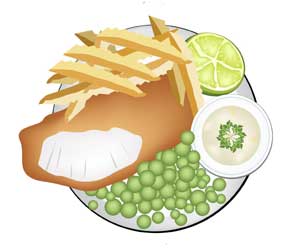
Haddock is a highly nutritious, low-fat, and low-calorie white fish packed with essential nutrients, including high-quality protein, selenium, and B vitamins (especially B12). It supports cardiovascular health, muscle repair, and immune function, while being a safe, low-mercury option.HIGH-QUALITY PROTEIN
Haddock is an excellent source of high-quality, lean protein, offering roughly 20-29 grams of protein per 3.5-ounce (100g) serving. As a white fish, it is low in fat, calories, and mercury, while providing essential amino acids, B vitamins (specifically B12), selenium, and phosphorus. It is ideal for muscle repair, weight management, and, according to Food and Drug Administration (.gov), is a safe, nutritious option for regular consumption.WEIGHT MANAGEMENT
Haddock is an excellent, low-calorie, and high-protein white fish ideal for weight management and weight loss diets. A 3.5-ounce (100g) serving provides roughly 20 grams of protein and less than 1 gram of fat, promoting satiety to reduce calorie intake.
References
Nutrient Database – USDA (United States Department of Agriculture)
Reference Values for Nutrition – National Institutes of Health USA
High in essential nutrients - Haddock is a highly nutritious, low-fat, and low-calorie white fish packed with essential nutrients, including high-quality protein, selenium, and B vitamins (especially B12). It supports cardiovascular health, muscle repair, and immune function, while being a safe, low-mercury option.
Promotes heart health - Haddock is an excellent, lean white fish that promotes heart health by providing omega-3 fatty acids, high-quality protein, and essential minerals while being very low in saturated fat and calories. It helps reduce the risk of heart disease, lowers cholesterol, and maintains healthy blood pressure through nutrients like selenium, potassium, and magnesium.
Weight management - Haddock is an excellent, low-calorie, and high-protein white fish ideal for weight management and weight loss diets. A 3.5-ounce (100g) serving provides roughly 20 grams of protein and less than 1 gram of fat, promoting satiety to reduce calorie intake. Its high protein content also supports metabolism and muscle maintenance.
Low mercury level - Haddock is considered a premier low-mercury fish, frequently listed by the FDA and EPA as a "Best Choice" for safe consumption, including for children and pregnant individuals. Because it is a smaller, shorter-lived white fish from the North Atlantic, it does not accumulate the high levels of methyl mercury found in larger species.
High-quality protein - Haddock is an excellent source of high-quality, lean protein, offering roughly 20-29 grams of protein per 3.5-ounce (100g) serving. As a white fish, it is low in fat, calories, and mercury, while providing essential amino acids, B vitamins (specifically B12), selenium, and phosphorus. It is ideal for muscle repair, weight management, and, according to Food and Drug Administration (.gov), is a safe, nutritious option for regular consumption.
Supports brain health - Haddock supports brain health primarily through high levels of Vitamin B12 which protects against oxidative stress, and omega-3 fatty acids that promote normal cognitive function and structure. Regular consumption of low-mercury fish like haddock is associated with a reduced risk of dementia, Alzheimer's disease, and improved mood stability.