



1. Mussel Facts
2. Types of Mussels
3. Mussel Nutritional Value
4. Mussel Health Benefits
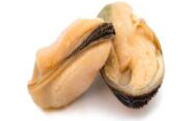
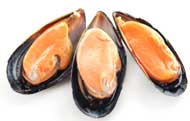
Mussels are small, bivalve shellfish with smooth, elongated dark blue or black shells (sometimes green). They offer a tender, slightly sweet, and mildly salty ("briny") taste with a soft, velvety texture that is often described as less overpowering than clams or oysters. They are highly nutritious, packed with omega-3s, iron, and protein.
History and Origin
Mussels have been a consistent, nutrient-dense, and easily accessible food source for human populations for tens of thousands of years, with evidence of consumption dating back over 40,000 to 80,000 years, including by Neanderthals in Portugal. While historically gathered from the wild as a staple food for coastal communities, modern consumption has transformed them into a cultured, high-demand delicacy, particularly in Europe, following the development of aquaculture techniques in the 20th century.
- • Blue Mussels (Mediterranean Blue)
- • Black Mussels
- • Green-Lipped Mussels
Australian mussels, primarily the Mediterranean blue mussel (Mytilus galloprovincialis), are renowned for their sweet, creamy, and plump taste, particularly during winter. Popular types include Eyre Peninsula and Portarlington mussels, which are versatile for steaming, pasta, or curries. They offer a rich, slightly salty ocean flavour.
Types of Mussels in Australia
- Blue Mussels (Mediterranean Blue): The dominant commercial species in Australia, particularly from South Australia (Eyre Peninsula) and Victoria (Portarlington). They have a sweet flavour, tender texture, and creamy taste.
- Black Mussels: Often used interchangeably with Blue mussels in commercial contexts, though they can refer to larger, more intensely flavoured varieties.
- Green-Lipped Mussels: Larger than blue mussels, these are known for having a milder, less intense flavour.
- Freshwater Mussels: Native to Australian coastal streams (e.g., Cucumerunio novaehollandiae), these are generally not eaten due to ecological protection and taste profiles.
Taste and Culinary Characteristics
- Flavour Profile: Australian blue mussels are described as having a sweet, delicate flavour with a clean, ocean-like taste.
- Seasonal Quality: The best, plumpest mussels are harvested from March to November. In winter, they are creamier and sweeter as they prepare to spawn.
- Size Variation: In June, mussels are smaller (45–55 per kg), while by March they are larger (30–40 per kg).
- Pairings: Their versatile flavour matches well with garlic, cream, white wine, chili, and Asian-inspired sauces.
Handling Tips
- If mussels are partially open, tap them; if they close, they are alive and safe to eat.
- Store in the fridge and ensure they can breathe (open the bag).
Mollusks ” Mussel ” ( Nutritional value )
Nutritional Value per 100 g
Mollusks, mussel, blue, raw
|
Nutrient ( Proximate’s )
|
Unit
|
Value
|
Daily Value %
|
|
Energy
|
kcal
|
86
|
%
|
|
Protein
|
g
|
11.90
|
23.8%
|
|
Total lipid (fat)
|
g
|
2.24
|
%
|
|
Carbohydrate, by difference
|
g
|
3.69
|
%
|
|
Fiber, total dietary
|
g
|
0.0
|
0.0
|
|
Sugars, total
|
g
|
0.00
|
0.00
|
|
Minerals
|
|||
|
Calcium, Ca
|
mg
|
26
|
%
|
|
Iron, Fe
|
mg
|
3.95
|
21.9%
|
|
Magnesium, Mg
|
mg
|
34
|
%
|
|
Phosphorus, P
|
mg
|
197
|
%
|
|
Potassium, K
|
mg
|
320
|
%
|
|
Sodium, Na
|
mg
|
286
|
%
|
|
Zinc, Zn
|
mg
|
1.60
|
%
|
|
Copper, Cu
|
mg
|
0.094
|
%
|
|
Manganese, Mn
|
mg
|
3.400
|
%
|
|
Selenium, Se
|
mcg
|
44.8
|
%
|
|
Vitamins
|
|||
|
Vitamin C, total ascorbic acid
|
mg
|
8.0
|
%
|
|
Thiamin (B-1)
|
mg
|
0.160
|
%
|
|
Riboflavin (B-2)
|
mg
|
0.210
|
%
|
|
Niacin (B-3)
|
mg
|
1.600
|
%
|
|
Pantothenic acid (B-5)
|
mg
|
0.500
|
%
|
|
Vitamin (B-6)
|
mg
|
0.050
|
%
|
|
Folate (B-9)
|
mcg
|
42
|
%
|
|
Retinol
|
mcg
|
48
|
|
|
Vitamin (B-12)
|
mcg
|
12.00
|
%
|
|
Vitamin A, IU
|
mcg
|
160
|
%
|
|
Vitamin E (alpha-tocopherol)
|
mg
|
0.55
|
%
|
|
Vitamin D
|
mcg
|
0
|
|
|
Vitamin K (phylloquinone)
|
mcg
|
0.1
|
0%
|
|
Lipids
|
|||
|
Saturated Fatty Acids
|
g
|
0.425
|
2.1%
|
|
Monounsaturated Fatty Acids
|
g
|
0.507
|
|
|
Polyunsaturated Fatty Acids
|
g
|
0.606
|
|
|
Cholesterol
|
mg
|
28
|
%
|

|
Reference Values are based on a 2,000 Calorie Intake, for Adults and Children 4 or More Years of Age. Your daily values may be higher or lower depending on your calorie needs.
|
|
Percentages are roughly approximated using (RDA) Recommended Dietary Allowances for adults. Source: USDA United States Department of Agriculture
|
|
Reference Values for Nutrition – National Institutes of Health USA
|
Mussels Nutritional Value
Mussels are considered a "superfood" due to their high nutrient density, low fat content, and significant amounts of essential vitamins and minerals. They are particularly rich in omega-3 fatty acids, iron, and vitamin B12.
REDUCE ARTHRITIS AND JOINT PAIN
Mussels, particularly New Zealand Green-Lipped Mussel (GLM), can help reduce arthritis and joint pain due to their high content of anti-inflammatory omega-3 fatty acids, antioxidants, and glycosaminoglycans, which alleviate symptoms of osteoarthritis (OA) and stiffness, potentially reducing the need for other pain relievers, though evidence for rheumatoid arthritis (RA) is less conclusive. Research shows GLM supplements can improve joint pain, stiffness, and mobility in OA patients by targeting inflammation and oxidative stress, with whole mussel extracts offering comprehensive benefits.PROMOTE HEART HEALTH
Mussels have a rich content of omega-3 fatty acids, which lower blood pressure, reduce inflammation, and help keep blood vessels functioning well, alongside protein, iron, zinc, and B vitamins that support overall cardiovascular function, energy, and blood cell health, all in a low-calorie package.SUPPORT THYROID HEALTH
Mussels are considered a natural superfood that significantly support thyroid health due to their high concentration of essential minerals, specifically iodine and selenium. They help regulate metabolism, aid in the conversion of thyroid hormones, and protect the gland from oxidative damage.BOOST IMMUNE SYSTEM
Mussels boost your immune system by providing essential zinc, selenium, iron, and vitamins (like B12), which support immune cell function, fight infections, and create red blood cells, while their omega-3s offer anti-inflammatory benefits, making them a nutrient-dense superfood for overall health.IMPROVE BRAIN FUNCTION AND MOOD
Mussels are considered a potent "brain food" due to their high concentration of nutrients that directly support cognitive function, memory, and emotional regulation. They are particularly rich in Omega-3 fatty acids, vitamin B12, iron, and zinc.

PROMOTE HEALTHY SKIN, HAIR, AND NAILS
Mussels are considered a "superfood" for skin, hair, and nail health due to their high concentration of nutrients that support tissue repair, collagen production, and cell regeneration. They are particularly rich in protein, zinc, iron, selenium, and omega-3 fatty acids, which work together to maintain a youthful, healthy appearance and prevent hair loss and brittle nails.SUPPORT MUSCLE GROWTH AND REPAIR MANAGEMENT
Mussels are considered a potent "superfood" for supporting muscle growth, repair, and recovery due to their high-quality protein, essential amino acids, and anti-inflammatory properties. They are particularly effective for active individuals looking to enhance muscle strength and manage recovery from exercise-induced damage.PREVENT ANAEMIA
Mussels are highly regarded as a "superfood" for preventing and managing iron-deficiency anaemia due to their exceptionally high levels of iron and vitamin B12, which are crucial for producing healthy red blood cells. They are among the richest natural sources of heme iron, which is more easily absorbed by the body than iron from plant-based sources.HIGH VITAMIN B12
Mussels are incredibly nutritious, boasting high levels of Vitamin B12, vital for nerve function, energy, and red blood cell production, alongside protein, iron, omega-3s, zinc, and selenium for heart health, brain function, and immunity, making them a nutrient-dense food for overall well-being and energy.SUSTAINABLE CHOICE
Mussels are widely recognized as a "superfood" that offers significant nutritional value while acting as one of the most sustainable, eco-friendly protein sources available. Farmed mussels improve marine ecosystems by acting as natural filters, cleaning coastal waters without requiring artificial feed or fertilizers.
References
Nutrient Database – USDA (United States Department of Agriculture)
Reference Values for Nutrition – National Institutes of Health USA
Boost immune system - Mussels boost your immune system by providing essential zinc, selenium, iron, and vitamins (like B12), which support immune cell function, fight infections, and create red blood cells, while their omega-3s offer anti-inflammatory benefits, making them a nutrient-dense superfood for overall health.
Promote heart health - Mussels promote heart health primarily through their rich content of omega-3 fatty acids, which lower blood pressure, reduce inflammation, and help keep blood vessels functioning well, alongside protein, iron, zinc, and B vitamins that support overall cardiovascular function, energy, and blood cell health, all in a low-calorie package.
Prevent anaemia - Mussels are highly regarded as a "superfood" for preventing and managing iron-deficiency anaemia due to their exceptionally high levels of iron and vitamin B12, which are crucial for producing healthy red blood cells. They are among the richest natural sources of heme iron, which is more easily absorbed by the body than iron from plant-based sources.
Reduce arthritis and joint pain - Mussels, particularly New Zealand Green-Lipped Mussel (GLM), can help reduce arthritis and joint pain due to their high content of anti-inflammatory omega-3 fatty acids, antioxidants, and glycosaminoglycans, which alleviate symptoms of osteoarthritis (OA) and stiffness, potentially reducing the need for other pain relievers, though evidence for rheumatoid arthritis (RA) is less conclusive. Research shows GLM supplements can improve joint pain, stiffness, and mobility in OA patients by targeting inflammation and oxidative stress, with whole mussel extracts offering comprehensive benefits.
Improve brain function and mood - Mussels are considered a potent "brain food" due to their high concentration of nutrients that directly support cognitive function, memory, and emotional regulation. They are particularly rich in Omega-3 fatty acids, vitamin B12, iron, and zinc.
Promote healthy skin, hair, and nails - Mussels are considered a "superfood" for skin, hair, and nail health due to their high concentration of nutrients that support tissue repair, collagen production, and cell regeneration. They are particularly rich in protein, zinc, iron, selenium, and omega-3 fatty acids, which work together to maintain a youthful, healthy appearance and prevent hair loss and brittle nails.
Support muscle growth and repair management - Mussels are considered a potent "superfood" for supporting muscle growth, repair, and recovery due to their high-quality protein, essential amino acids, and anti-inflammatory properties. They are particularly effective for active individuals looking to enhance muscle strength and manage recovery from exercise-induced damage.
Support thyroid health - Mussels are considered a natural superfood that significantly support thyroid health due to their high concentration of essential minerals, specifically iodine and selenium. They help regulate metabolism, aid in the conversion of thyroid hormones, and protect the gland from oxidative damage.
High vitamin B12 - Mussels are incredibly nutritious, boasting high levels of Vitamin B12, vital for nerve function, energy, and red blood cell production, alongside protein, iron, omega-3s, zinc, and selenium for heart health, brain function, and immunity, making them a nutrient-dense food for overall well-being and energy.
Sustainable choice - Mussels are widely recognized as a "superfood" that offers significant nutritional value while acting as one of the most sustainable, eco-friendly protein sources available. Farmed mussels improve marine ecosystems by acting as natural filters, cleaning coastal waters without requiring artificial feed or fertilizers.
Note: As with all shellfish, it is important to ensure they are cleaned and cooked properly to avoid foodborne illness.