



1. Octopus Facts
2. Types of Octopus
3. Octopus Nutritional Value
4. Octopus Health Benefits
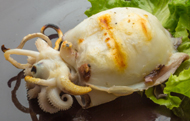
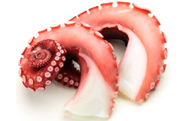
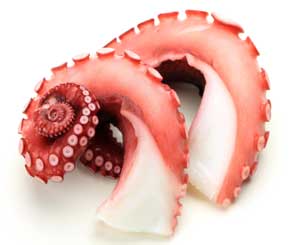
Octopus is a highly intelligent, soft-bodied cephalopod with eight suckered arms, no internal shell, and the ability to change colour and shape. As food, it has a mild, subtly sweet, oceanic flavour often compared to lobster or scallops. When properly cooked, its white meat is firm yet tender, not chewy.
History and Origin
Octopus consumption has a deep historical, cultural, and geographic heritage, primarily rooted in coastal Mediterranean and Asian regions, that has expanded into a, high-demand global commodity. While ancient civilizations utilized them for food, the modern surge in popularity—driven by increased demand in the US and Europe—has led to, overfishing and the controversial exploration of industrial farming.
- • Western Rock Octopus (Abrolhos/Fremantle Octopus)
- • Common Octopus (O. tetricus)
- • Pale Octopus (O. pallidus)
- • Baby Octopus
In Australia, premium octopus commonly sold includes the Western Rock Octopus (O. djinda) and Common Octopus (O. tetricus), largely sourced from Western Australia and the southern coast. Prized for superior tenderness and a sweet, rich flavour—often described as tasting like shellfish or lobster—these are high-quality, wild-caught options.
Key Types of Octopus in Australia
- Western Rock Octopus (Abrolhos/Fremantle Octopus): Officially recognized as O. djinda, this species is caught in WA's pristine waters. It is considered the finest in Australia, often described as having a mild, sweet, and nutty taste with a very tender texture.
- Common Octopus (O. tetricus): Also known as WA Octopus or WA Rock Octopus, this is a premium, wild-caught option popular with chefs.
- Pale Octopus (O. pallidus): Common in Victoria, South Australia, and Tasmania, this is a muscular, pale-coloured octopus. It is milder in flavour, similar to squid, and excellent for slow cooking or grilling.
- Baby Octopus: Frequently available fresh (e.g., from the Clarence River) or frozen, these are tender and versatile, suitable for stews or grilling.
Taste and Culinary Characteristics
- Taste: Generally sweet, briny, and similar to shellfish or lobster.
- Texture: Naturally tender when sourced from WA (specifically the Rock Octopus).
- Preparation: Best grilled, char-grilled on skewers, added to pasta, or used in seafood stews.
Availability
- Fresh: Widely available at fishmongers and supermarkets in WA.
- Frozen/Packaged: Readily available nation-wide in supermarkets and specialty seafood stores (e.g., Fremantle Octopus packs).
- Disclaimer: Some smaller species of octopus, like the Blue-Ringed Octopus (Hapalochlaena), are not for consumption and are highly poisonous.
Octopus ( Nutritional value )
Value per 100 g
Mollusks, octopus, common, cooked, moist heat
|
Nutrient ( Proximate’s )
|
Unit
|
Value
|
Daily Value %
|
|
Energy
|
kcal
|
164
|
%
|
|
Protein
|
g
|
29.82
|
59.6%
|
|
Total lipid (fat)
|
g
|
2.08
|
%
|
|
Carbohydrate, by difference
|
g
|
4.40
|
%
|
|
Fiber, total dietary
|
g
|
0.0
|
0.0
|
|
Sugars, total
|
g
|
0.00
|
0.00
|
|
Minerals
|
|||
|
Calcium, Ca
|
mg
|
106
|
%
|
|
Iron, Fe
|
mg
|
9.54
|
53.0%
|
|
Magnesium, Mg
|
mg
|
60
|
%
|
|
Phosphorus, P
|
mg
|
279
|
%
|
|
Potassium, K
|
mg
|
630
|
%
|
|
Sodium, Na
|
mg
|
460
|
%
|
|
Zinc, Zn
|
mg
|
3.36
|
%
|
|
Copper, Cu
|
mg
|
0.739
|
%
|
|
Manganese, Mn
|
mg
|
0.047
|
%
|
|
Selenium, Se
|
mcg
|
89.6
|
%
|
|
Vitamins
|
|||
|
Vitamin C, total ascorbic acid
|
mg
|
8.0
|
%
|
|
Thiamin (B-1)
|
mg
|
0.057
|
%
|
|
Riboflavin (B-2)
|
mg
|
0.076
|
%
|
|
Niacin (B-3)
|
mg
|
3.780
|
%
|
|
Pantothenic acid (B-5)
|
mg
|
0.900
|
%
|
|
Vitamin (B-6)
|
mg
|
0.648
|
%
|
|
Folate (B-9)
|
mcg
|
24
|
6%
|
|
Choline
|
mg
|
81.0
|
|
|
Vitamin (B-12)
|
mcg
|
36.00
|
%
|
|
Vitamin A, IU
|
mcg
|
300
|
6%
|
|
Retinol
|
mcg
|
90
|
|
|
Vitamin E (alpha-tocopherol)
|
mg
|
1.20
|
%
|
|
Vitamin D
|
mcg
|
0
|
0
|
|
Vitamin D (D2 + D3)
|
mcg
|
0.0
|
0.0
|
|
Vitamin D3 (cholecalciferol)
|
mcg
|
0.0
|
0.0
|
|
Vitamin K (phylloquinone)
|
mcg
|
0.1
|
%
|
|
Lipids
|
|||
|
Saturated Fatty Acids
|
g
|
0.453
|
2.2%
|
|
Monounsaturated Fatty Acids
|
g
|
0.324
|
|
|
Polyunsaturated Fatty Acids
|
g
|
0.477
|
|
|
Cholesterol
|
mg
|
96
|
%
|

|
Reference Values are based on a 2,000 Calorie Intake, for Adults and Children 4 or More Years of Age. Your daily values may be higher or lower depending on your calorie needs.
|
|
Percentages are roughly approximated using (RDA) Recommended Dietary Allowances for adults. Source: USDA United States Department of Agriculture
|
|
Reference Values for Nutrition – National Institutes of Health USA
|
Octopus Nutritional Value
Octopus is a nutrient-dense, low-calorie, and lean protein source packed with omega-3 fatty acids, iron, selenium, and vitamin B12. It supports heart health, improves brain function, strengthens the immune system, and may reduce inflammation. A 3-ounce serving provides high amounts of copper, selenium, and taurine, contributing to overall health.
Considerations
Allergies: Octopus is a type of shellfish and can trigger reactions in sensitive individuals.
Sodium and cholesterol: While low in fat, it is high in sodium and cholesterol, so it should be consumed in moderation as part of a balanced diet.
It is important to note that while some sources mention it is low in cholesterol, others indicate it should be consumed in moderation due to its cholesterol content.
BOOSTS HEART HEALTH
Octopus boosts heart health primarily through its high concentration of omega-3 fatty acids, which reduce inflammation, lower blood pressure, and decrease cholesterol plaque build-up. It is a nutrient-dense, low-fat protein source containing taurine, which further aids in regulating blood pressure and improving overall cardiovascular wellness.SUPPORTS BRAIN FUNCTION
Octopus supports brain function by providing high levels of omega-3 fatty acids (EPA and DHA), which improve cognitive health, memory, and learning while reducing the risk of Alzheimer's and depression. It is also rich in magnesium, a mineral that aids in cognitive health and nerve function.RICH IN MINERALS
Octopus is a highly nutritious, low-fat, and lean protein source packed with essential minerals—notably selenium, iron, copper, potassium, and magnesium—that support immune function, oxygen transport, and bone health. It is rich in Vitamin B12, omega-3 fatty acids, and taurine, which promote cardiovascular health, reduce inflammation, and enhance cognitive function.
HIGH QUALITY PROTEIN
Octopus is a highly nutritious, low-fat seafood packed with high-quality protein (14.9–30g per 100g serving), making it excellent for muscle repair, weight management, and satiety. It is rich in omega-3 fatty acids, vitamin B12, iron, and selenium, which promote heart health, boost immunity, and support cognitive function.STRENGTHENS THE IMMUNE SYSTEM
Octopus is considered a highly nutritious seafood that can support a healthy immune system in humans, primarily due to its high concentration of essential nutrients. It is rich in zinc, selenium, iron, and omega-3 fatty acids, all of which are crucial for maintaining immune function.MAY FIGHT CANCER
While eating octopus as part of a healthy diet provides beneficial antioxidants and nutrients that may lower general cancer risk, specific compounds found in octopus venom and ink are being researched for their potential to fight certain cancers. These are promising but still in early, pre-clinical stages of research and are not yet a proven cancer treatment in humans.
References
Nutrient Database – USDA (United States Department of Agriculture)
Reference Values for Nutrition – National Institutes of Health USA
Boosts heart health - Octopus boosts heart health primarily through its high concentration of omega-3 fatty acids, which reduce inflammation, lower blood pressure, and decrease cholesterol plaque build-up. It is a nutrient-dense, low-fat protein source containing taurine, which further aids in regulating blood pressure and improving overall cardiovascular wellness.
Supports brain function - Octopus supports brain function by providing high levels of omega-3 fatty acids (EPA and DHA), which improve cognitive health, memory, and learning while reducing the risk of Alzheimer's and depression. It is also rich in magnesium, a mineral that aids in cognitive health and nerve function.
Strengthens the immune system - Octopus is considered a highly nutritious seafood that can support a healthy immune system in humans, primarily due to its high concentration of essential nutrients. It is rich in zinc, selenium, iron, and omega-3 fatty acids, all of which are crucial for maintaining immune function.
High quality protein - Octopus is a highly nutritious, low-fat seafood packed with high-quality protein (14.9–30g per 100g serving), making it excellent for muscle repair, weight management, and satiety. It is rich in omega-3 fatty acids, vitamin B12, iron, and selenium, which promote heart health, boost immunity, and support cognitive function.
Rich in minerals - Octopus is a highly nutritious, low-fat, and lean protein source packed with essential minerals—notably selenium, iron, copper, potassium, and magnesium—that support immune function, oxygen transport, and bone health. It is rich in Vitamin B12, omega-3 fatty acids, and taurine, which promote cardiovascular health, reduce inflammation, and enhance cognitive function.
May fight cancer - While eating octopus as part of a healthy diet provides beneficial antioxidants and nutrients that may lower general cancer risk, specific compounds found in octopus venom and ink are being researched for their potential to fight certain cancers. These are promising but still in early, pre-clinical stages of research and are not yet a proven cancer treatment in humans.