




1. Salmon Facts
2. Types of Salmon
3. Salmon Nutritional Value
4. Salmon Health Benefits
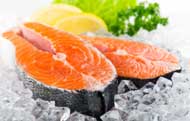
Salmon is a highly nutritious, oily fish renowned for its rich, buttery taste, tender, flaky, and moist texture that often melts in the mouth. Ranging in colour from bright orange to deep red, it has a distinctively savory, mild-to-moderate "fishy" flavour, with wild varieties (like Sockeye) offering a robust taste and farmed (like Atlantic) providing a milder, fattier profile.
History and Origin
Salmon has a deep history as a vital food source, with evidence of consumption dating back at least 11,500 years in North America. While it was traditionally a staple for indigenous peoples and early Europeans, the modern, global consumption of salmon is driven by the rise of aquaculture in the 1970s and the introduction of salmon to sushi in the 1980s and 90s.
- • Atlantic Salmon (Farmed, Tasmania)
- • Australian Salmon (Arripis trutta/truttaceus)
- • King / Chinook Salmon (Imported/Wild)
- • Sockeye / Red Salmon (Wild-caught)
- • Coho / Silver Salmon (Wild-caught)
- • Smoked Salmon
In Australia, the most common salmon available is farm-raised Atlantic salmon, prized for its high fat, rich, buttery taste, and versatility. Other options include imported, bold-flavoured King (Chinook) and Sockeye salmon, as well as distinct, stronger-tasting native Australian salmon. Salmon is available fresh year-round, with peak supply from October to March.
Types of salmon sold and available in Australia
- Atlantic Salmon (Farmed, Tasmania): The most common type, known for its reddish-orange flesh, high oil content, and creamy, mild, or rich flavour. It is versatile, suited for sashimi, grilling, and baking.
- Australian Salmon (Arripis trutta/truttaceus): A distinct species, not a true salmon (part of the perch family). It has a much stronger, fishy flavour and darker flesh. It is best suited to cooking methods like smoking or curries.
- King / Chinook Salmon (Imported/Wild): Known for being the largest and most expensive salmon, it has a very high fat content, offering a buttery, rich, and intense flavour. Often imported from New Zealand.
- Sockeye / Red Salmon (Wild-caught): Known for its deep red colour, firm texture, and strong, bold salmon flavour. It is leaner than King or Atlantic salmon.
- Coho / Silver Salmon (Wild-caught): Features bright red flesh and a more delicate, mild, but distinctive flavour. It has a lower fat content than King/Sockeye.
- Smoked Salmon: Commonly found, this is often Atlantic or a mix of smaller Pacific species (like Pink or Chum), offering a savory, salty, and smoky taste, often imported from Europe.
Taste and Texture Summary
- Mildest/Richest: Atlantic, King.
- Strongest/Boldest: Sockeye, Australian Salmon.
- Texture: King and Atlantic are buttery/soft, while Sockeye and Australian are firmer.
Salmon ( Nutritional value )
Value per 100 g
Fish, salmon, pink, canned, drained solids
|
Nutrient ( Proximate’s )
|
Unit
|
Value
|
Daily Value %
|
|
Energy
|
kcal
|
138
|
%
|
|
Protein
|
g
|
23.10
|
46.2%
|
|
Total lipid (fat)
|
g
|
5.02
|
%
|
|
Carbohydrate, by difference
|
g
|
0.00
|
0.00
|
|
Fiber, total dietary
|
g
|
0.0
|
0.0
|
|
Sugars, total
|
g
|
0.00
|
0.00
|
|
Minerals
|
|||
|
Calcium, Ca
|
mg
|
283
|
%
|
|
Iron, Fe
|
mg
|
0.77
|
4.2%
|
|
Magnesium, Mg
|
mg
|
32
|
%
|
|
Phosphorus, P
|
mg
|
379
|
%
|
|
Potassium, K
|
mg
|
333
|
%
|
|
Sodium, Na
|
mg
|
381
|
%
|
|
Zinc, Zn
|
mg
|
0.96
|
%
|
|
Copper, Cu
|
mg
|
0.082
|
%
|
|
Manganese, Mn
|
mg
|
0.031
|
%
|
|
Selenium, Se
|
mcg
|
39.5
|
%
|
|
Vitamins
|
|||
|
Vitamin C, total ascorbic acid
|
mg
|
0.0
|
0.0
|
|
Thiamin (B-1)
|
mg
|
0.027
|
%
|
|
Riboflavin (B-2)
|
mg
|
0.202
|
%
|
|
Niacin (B-3)
|
mg
|
7.409
|
%
|
|
Pantothenic acid (B-5)
|
mg
|
0.563
|
%
|
|
Vitamin (B-6)
|
mg
|
0.105
|
%
|
|
Folate (B-9)
|
mcg
|
4
|
1%
|
|
Vitamin (B-12)
|
mcg
|
4.95
|
%
|
|
Vitamin A, IU
|
mcg
|
65
|
%
|
|
Vitamin E (alpha-tocopherol)
|
mg
|
1.28
|
%
|
|
Vitamin D
|
mcg
|
580
|
%
|
|
Vitamin D (D2 + D3)
|
mcg
|
14.5
|
%
|
|
Vitamin D3 (cholecalciferol)
|
mcg
|
14.5
|
%
|
|
Vitamin K (phylloquinone)
|
mcg
|
0.1
|
%
|
|
Lipids
|
|||
|
Saturated Fatty Acids
|
g
|
0.895
|
4.4%
|
|
Monounsaturated Fatty Acids
|
g
|
1.211
|
|
|
Polyunsaturated Fatty Acids
|
g
|
1.507
|
|
|
Trans Fatty Acids
|
g
|
0.027
|
|
|
Fatty acids, total trans-monoenoic
|
g
|
0.017
|
|
|
Cholesterol
|
mg
|
83
|
%
|

|
Reference Values are based on a 2,000 Calorie Intake, for Adults and Children 4 or More Years of Age. Your daily values may be higher or lower depending on your calorie needs.
|
|
Percentages are roughly approximated using (RDA) Recommended Dietary Allowances for adults. Source: USDA United States Department of Agriculture
|
|
Reference Values for Nutrition – National Institutes of Health USA
|
Salmon Nutritional Value
Salmon is a nutrient-dense "superfood" packed with omega-3 fatty acids, high-quality protein, selenium, and B vitamins that promote heart health, reduce inflammation, and support brain function. Regular consumption helps manage weight, improve skin elasticity, and boost joint health, making it an excellent addition to a balanced diet.
Wild vs. farmed
Wild-caught salmon generally has lower levels of contaminants (PCBs, mercury) and higher nutritional value compared to farmed varieties.
Farmed salmon is still a highly nutritious, budget-friendly alternative that provides high amounts of Omega-3s.
It is recommended to include salmon in your diet regularly, with wild-caught being a preferred choice for nutrient density.
BRAIN AND MENTAL HEALTH
Salmon is a potent brain-boosting food rich in omega-3 fatty acids (DHA and EPA), which enhance memory, cognitive function, and mood while protecting against anxiety and depression. Regular consumption, especially 2-3 times per week, reduces inflammation and supports neuron health, potentially lowering the risk of dementia and Alzheimer's.SUPERFOOD FOR SKIN AND HAIR HEALTH
Salmon is widely regarded as a "superfood" for skin and hair health, primarily due to its high concentration of omega-3 fatty acids, high-quality protein, and antioxidants like astaxanthin. Regular consumption can lead to more hydrated, glowing skin, and stronger, shinier hair.WEIGHT MANAGEMENT AND MUSCLE SUPPORT
Salmon is considered a "superfood" for weight management and muscle support due to its high-quality protein content, essential omega-3 fatty acids, and metabolism-boosting nutrients. A 3.5-ounce (100-gram) serving of cooked salmon provides roughly 22–25 grams of protein, which is essential for muscle repair and satiety.

EXCEPTIONAL FOR HEART HEALTH
Salmon is an exceptional food for heart health, primarily due to its high levels of omega-3 fatty acids (EPA and DHA), which reduce inflammation, lower triglycerides, and slightly reduce blood pressure. Regular consumption (2–3 servings/week) is linked to reduced risk of heart disease, stroke, and arrhythmias.HIGHLY NUTRIENT-DENSE SUPERFOOD
Salmon is a highly nutrient-dense superfood, providing, per 3.5-ounce serving, roughly 22–25g of high-quality protein, over 100% of the daily value (DV) for vitamin B12, and significant omega-3 fatty acids (EPA/DHA). It supports cardiovascular, brain, and bone health, reduces inflammation, and offers essential selenium and potassium.EXCELLENT FOR EYE HEALTH
Salmon is an excellent food for eye health, primarily due to its high concentration of omega-3 fatty acids (EPA and DHA), which are essential for retinal health and tear film quality. Regular consumption helps protect against age-related macular degeneration (AMD), reduces dry eye syndrome, and may assist in managing glaucoma.
References
Nutrient Database – USDA (United States Department of Agriculture)
Reference Values for Nutrition – National Institutes of Health USA
Exceptional for heart health - Salmon is an exceptional food for heart health, primarily due to its high levels of omega-3 fatty acids (EPA and DHA), which reduce inflammation, lower triglycerides, and slightly reduce blood pressure. Regular consumption (2–3 servings/week) is linked to reduced risk of heart disease, stroke, and arrhythmias.
Brain and mental health - Salmon is a potent brain-boosting food rich in omega-3 fatty acids (DHA and EPA), which enhance memory, cognitive function, and mood while protecting against anxiety and depression. Regular consumption, especially 2-3 times per week, reduces inflammation and supports neuron health, potentially lowering the risk of dementia and Alzheimer's.
Weight management and muscle support - Salmon is considered a "superfood" for weight management and muscle support due to its high-quality protein content, essential omega-3 fatty acids, and metabolism-boosting nutrients. A 3.5-ounce (100-gram) serving of cooked salmon provides roughly 22–25 grams of protein, which is essential for muscle repair and satiety.
Superfood for skin and hair health - Salmon is widely regarded as a "superfood" for skin and hair health, primarily due to its high concentration of omega-3 fatty acids, high-quality protein, and antioxidants like astaxanthin. Regular consumption can lead to more hydrated, glowing skin, and stronger, shinier hair.
Highly nutrient-dense superfood - Salmon is a highly nutrient-dense superfood, providing, per 3.5-ounce serving, roughly 22–25g of high-quality protein, over 100% of the daily value (DV) for vitamin B12, and significant omega-3 fatty acids (EPA/DHA). It supports cardiovascular, brain, and bone health, reduces inflammation, and offers essential selenium and potassium.
Excellent for eye health - Salmon is an excellent food for eye health, primarily due to its high concentration of omega-3 fatty acids (EPA and DHA), which are essential for retinal health and tear film quality. Regular consumption helps protect against age-related macular degeneration (AMD), reduces dry eye syndrome, and may assist in managing glaucoma.