

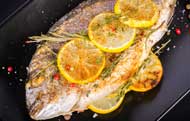




1. Snapper Facts
2. Types of Snapper
3. Snapper Nutritional Value
4. Snapper Health Benefits
Snapper is a highly regarded, versatile, and popular marine fish known for its firm texture and delicate, sweet flavour. It is a staple in many cuisines, often used in dishes requiring a firm fish that won't fall apart, such as grilling, baking, and pan-searing.
History and Origin
Snapper (specifically the Australasian snapper, Chrysophrys auratus) has a long history as a foundational food source for Indigenous populations, transitioning over the last century into a highly prized, sustainably managed, and cultured commercial species. Known for its mild flavour and longevity (living up to 60+ years), modern consumption is driven by its popularity in, and out of, home dining, supported by advancements in aquaculture and strict fishery regulations in Australia and New Zealand.
- • Australasian Snapper (Pink Snapper/Red Bream)
- • Goldband Snapper
- • Red Snapper/Crimson Snapper
- • Golden Snapper (Northern Territory)
- • Mangrove Jack (Mangrove Red Snapper)
- • Black Snapper
Snapper in Australia, primarily the prized Australasian Snapper (Chrysophrys auratus), is a versatile, mild-flavoured white fish with a firm, flaky texture and slightly sweet taste. Widely available year-round, popular types include Pink Snapper, Goldband Snapper, and various tropical red snappers, all excellent for grilling, baking, or pan-frying.
Key Types of Snapper in Australia and Taste Profiles
- Australasian Snapper (Pink Snapper/Red Bream): The most common, found nationwide. Features firm, moist, white flesh with a delicate, sweet flavour. Best grilled, baked whole, or pan-fried.
- Goldband Snapper: A premium, deep-water fish (mostly WA) with firm, moist white flesh and a very sweet, clean flavour. Highly sought after for its texture.
- Red Snapper/Crimson Snapper: Common in tropical waters, featuring pale pink, flaky, sweet flesh.
- Golden Snapper (Northern Territory): A highly regarded, premium table fish with a sweet, moist texture, commonly found in the NT.
- Mangrove Jack (Mangrove Red Snapper): Known for firm texture and rich, sweet, slightly firmer, and more robust flavour than standard snapper.
- Black Snapper: Mostly available QLD/GBR, with softer flesh compared to other varieties.
General Taste and Cooking Notes
- Taste: Mild to medium flavour, generally sweet with low oiliness.
- Texture: Firm, making it suitable for many cooking methods, including curries or steaming.
- Best cooking methods: Baked whole, pan-fried, grilled, or barbequed. Larger fish can sometimes be drier, so they are best cooked with sauces or fats.
- Seasonality: Available year-round, with peak catches often occurring in winter.
Snapper ( Nutritional value )
Value per 100 g
Fish, snapper, mixed species, cooked, dry heat
|
Nutrient ( Proximate’s )
|
Unit
|
Value
|
Daily Value %
|
|
Energy
|
kcal
|
128
|
%
|
|
Protein
|
g
|
26.3
|
%
|
|
Total lipid (fat)
|
g
|
1.72
|
%
|
|
Carbohydrate, by difference
|
g
|
0.00
|
0.00
|
|
Fiber, total dietary
|
g
|
0.0
|
0.0
|
|
Sugars, total
|
g
|
0.00
|
0.00
|
|
Minerals
|
|||
|
Calcium, Ca
|
mg
|
40
|
%
|
|
Iron, Fe
|
mg
|
0.24
|
1%
|
|
Magnesium, Mg
|
mg
|
37
|
%
|
|
Phosphorus, P
|
mg
|
201
|
%
|
|
Potassium, K
|
mg
|
522
|
%
|
|
Sodium, Na
|
mg
|
57
|
%
|
|
Zinc, Zn
|
mg
|
0.44
|
%
|
|
Copper, Cu
|
mg
|
0.046
|
%
|
|
Manganese, Mn
|
mg
|
0.017
|
%
|
|
Selenium, Se
|
mcg
|
49
|
%
|
|
Vitamins
|
|||
|
Vitamin C, total ascorbic acid
|
mg
|
1.6
|
%
|
|
Thiamin (B-1)
|
mg
|
0.053
|
%
|
|
Riboflavin (B-2)
|
mg
|
0.004
|
%
|
|
Niacin (B-3)
|
mg
|
0.346
|
%
|
|
Pantothenic acid (B-5)
|
mg
|
0.87
|
%
|
|
Vitamin (B-6)
|
mg
|
0.46
|
%
|
|
Folate (B-9)
|
mcg
|
6
|
1.2%
|
|
Vitamin (B-12)
|
mcg
|
3.5
|
%
|
|
Vitamin A, RAE
|
mcg
|
35
|
%
|
|
Vitamin E (alpha-tocopherol)
|
mg
|
0.96
|
%
|
|
Vitamin D
|
mcg
|
||
|
Vitamin D (D2 + D3)
|
mcg
|
||
|
Vitamin D3 (cholecalciferol)
|
mcg
|
||
|
Vitamin K (phylloquinone)
|
mcg
|
||
|
Lipids
|
|||
|
Saturated Fatty Acids
|
g
|
0.365
|
%
|
|
Monounsaturated Fatty Acids
|
g
|
0.251
|
|
|
Polyunsaturated Fatty Acids
|
g
|
0.459
|
|
|
Cholesterol
|
mg
|
47
|
%
|

|
Reference Values are based on a 2,000 Calorie Intake, for Adults and Children 4 or More Years of Age. Your daily values may be higher or lower depending on your calorie needs.
|
|
Percentages are roughly approximated using (RDA) Recommended Dietary Allowances for adults. Source: UDA United States Department of Agriculture
|
|
Reference Values for Nutrition – National Institutes of Health USA
|
Snapper Nutritional Value
Snapper is a highly nutritious, lean white fish offering significant health benefits, including supporting heart health, strengthening immunity, and boosting brain function. Rich in selenium, potassium, omega-3 fatty acids, and protein, it aids in metabolism, bone density, and weight management. A 6-ounce serving provides 35g of protein with only 170 calories.
Safety Considerations
While generally safe, red snapper may contain low-to-moderate mercury levels, so it is advised that pregnant women and young children limit consumption to a few times per month.
PROMOTES HEART HEALTH
Snapper is an excellent, low-fat, and low-sodium protein source that promotes heart health by providing significant omega-3 fatty acids, which help lower blood pressure, reduce inflammation, and decrease the risk of arrhythmias. It helps prevent atherosclerosis and stroke by reducing arterial plaque build-up and lowering triglyceride levels.IMMUNE SYSTEM AND THYROID SUPPORT
Snapper, particularly red snapper, is a highly nutritious, low-fat fish that provides significant immune system and thyroid support, primarily due to its high selenium and iodine content. A single serving can provide ~50% of the daily recommended selenium, which acts as a powerful antioxidant protecting the thyroid gland and boosting white blood cell production.BRAIN FUNCTION AND COGNITIVE HEALTH
Snapper is an excellent, nutrient-dense "brain food" that supports cognitive health, enhances focus, and protects against age-related cognitive decline. Rich in Omega-3 fatty acids, selenium, and B12, it aids in neurotransmitter function, reduces mental fatigue, and maintains structural integrity of brain cells.EXCELLENT LOW-CALORIE
Snapper is an excellent low-calorie, high-protein white fish (approx. 100-110 kcal per 3 oz) perfect for weight management. It is low in fat, low in sodium. It supports heart health, muscle repair, and immune function without added fat.

BONE DENSITY AND MUSCLE FUNCTION
Snapper, particularly red snapper, is a nutrient-dense, lean protein that offers significant benefits for bone density and muscle function due to its rich profile of vitamins, minerals, and omega-3 fatty acids.VISION SUPPORT
Snapper is an excellent dietary choice for promoting eye health, specifically through its rich content of Omega-3 fatty acids, vitamin A, and other nutrients that support long-term vision. Incorporating fish like snapper into a regular diet can help reduce the risk of age-related eye diseases and maintain overall ocular function.EXCELLENT SOURCE OF HIGH-QUALITY, LEAN PROTEIN
Snapper is an excellent source of high-quality, lean protein, offering roughly 20–26 grams of protein in a 3 to 4-ounce serving. As a complete protein, it supports muscle maintenance, weight management, and satiety. It is low in calories and fat, while providing essential nutrients like selenium, potassium, and omega-3 fatty acids.WEIGHT MANAGEMENT AND METABOLISM
Snapper is a highly nutritious, lean white fish that offers significant benefits for weight management and metabolic health due to its high protein density, low calorie count, and rich nutrient profile, particularly in potassium and selenium. It is considered a "brain food" that supports weight loss by increasing satiety and aiding in energy metabolism.
References
Nutrient Database – USDA (United States Department of Agriculture)
Reference Values for Nutrition – National Institutes of Health USA
Promotes heart health - Snapper is an excellent, low-fat, and low-sodium protein source that promotes heart health by providing significant omega-3 fatty acids, which help lower blood pressure, reduce inflammation, and decrease the risk of arrhythmias. It helps prevent atherosclerosis and stroke by reducing arterial plaque buildup and lowering triglyceride levels.
Immune system and thyroid support - Snapper, particularly red snapper, is a highly nutritious, low-fat fish that provides significant immune system and thyroid support, primarily due to its high selenium and iodine content. A single serving can provide ~50% of the daily recommended selenium, which acts as a powerful antioxidant protecting the thyroid gland and boosting white blood cell production.
Brain function and cognitive health - Snapper is an excellent, nutrient-dense "brain food" that supports cognitive health, enhances focus, and protects against age-related cognitive decline. Rich in Omega-3 fatty acids, selenium, and B12, it aids in neurotransmitter function, reduces mental fatigue, and maintains structural integrity of brain cells.
Weight management and metabolism - Snapper is a highly nutritious, lean white fish that offers significant benefits for weight management and metabolic health due to its high protein density, low calorie count, and rich nutrient profile, particularly in potassium and selenium. It is considered a "brain food" that supports weight loss by increasing satiety and aiding in energy metabolism.
Bone density and muscle function - Snapper, particularly red snapper, is a nutrient-dense, lean protein that offers significant benefits for bone density and muscle function due to its rich profile of vitamins, minerals, and omega-3 fatty acids.
Vision support - Snapper is an excellent dietary choice for promoting eye health, specifically through its rich content of Omega-3 fatty acids, vitamin A, and other nutrients that support long-term vision. Incorporating fish like snapper into a regular diet can help reduce the risk of age-related eye diseases and maintain overall ocular function.
Excellent source of high-quality, lean protein - Snapper is an excellent source of high-quality, lean protein, offering roughly 20–26 grams of protein in a 3 to 4-ounce serving. As a complete protein, it supports muscle maintenance, weight management, and satiety. It is low in calories and fat, while providing essential nutrients like selenium, potassium, and omega-3 fatty acids.
Excellent low-calorie - Snapper is an excellent low-calorie, high-protein white fish (approx. 100-110 kcal per 3 oz) perfect for weight management. It is low in fat, low in sodium, and provides essential nutrients like selenium, potassium, and vitamin B12. It supports heart health, muscle repair, and immune function without added fat.