

1. Spanish Mackerel Facts
2. Types of Spanish Mackerel
3. Spanish Mackerel Nutritional Value
4. Spanish Mackerel Health Benefits
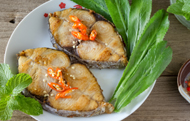
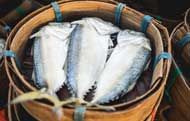
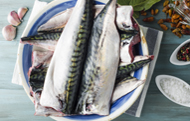
Spanish Mackerel is a, fast-swimming schooling fish with a slender body, often featuring olive-green back, silver sides, and golden spots. It has a bold, distinct, and slightly "fishy" flavour with high oil content and firm, light pink to white flesh. It is highly versatile, perfect for grilling, pan-frying, or smoking.
History and Origin
Spanish Mackerel, primarily referring to species within the genus Scomberomorus (such as Scomberomorus commerson in the Indo-Pacific and Scomberomorus maculatus in the Atlantic), have a long history as a valued, fast-swimming pelagic fish. Their modern consumption has transitioned from a localized, artisanal staple to a high-value, highly managed, and globally recognized commodity, particularly prized for its firm, oily white flesh.
- • Narrow-barred Spanish Mackerel (Spanish Mackerel)
- • Spotted Mackerel
- • Blue Mackerel
- • School Mackerel:
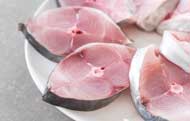
Spanish Mackerel (Scomberomorus commerson) in Australia are highly regarded, firm-fleshed fish with a rich, distinct, and slightly oily flavour, often sold as cutlets or steaks. Key types available include the Narrow-barred Spanish Mackerel, Spotted Mackerel (milder), and Blue Mackerel (softer, oily). They are versatile, perfect for grilling, pan-frying, or curries, with peak supplies in spring.
Types of Mackerel in Australia
- Narrow-barred Spanish Mackerel (Spanish Mackerel): The primary commercial species, known for its long, striped body. It has a firm, white-to-light-pink flesh, making it ideal for cutlets or steaks.
- Spotted Mackerel: Features round spots along its sides. It has a slightly milder flavour compared to the Spanish Mackerel but shares a similar firm texture.
- Blue Mackerel: More compact, featuring darker, finer scales. It is oilier with softer flakes.
- School Mackerel: Similar in appearance to Spotted Mackerel but smaller, with a strong, distinct flavour suitable for cooking.
Taste and Culinary Profile
- Flavour: Distinct, strong, and rich, often described as having a pleasant "sea" taste.
- Texture: Medium to firm, holding together well in cooking.
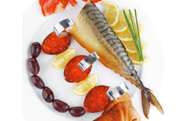
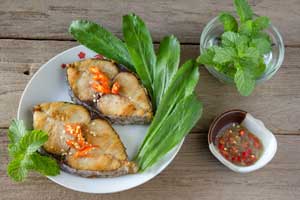
- Best Cooking Methods: Highly versatile—excellent grilled, barbecued, pan-fried, baked, smoked, or used in curries.
- Best Pairing: Complements strong flavours like lemon, tomato, and herbs.
Availability
- Season: Available year-round, but peak supply occurs in September and October.
- Buying Tip: Look for bright, firm, lustrous, and moist flesh.
Mackerel ( Nutritional value )
Value per 100 g
Fish, mackerel, Pacific and jack, mixed species, cooked, dry heat
|
Nutrient ( Proximate’s )
|
Unit
|
Value
|
Daily Value %
|
|
Energy
|
kcal
|
158
|
%
|
|
Protein
|
g
|
23.59
|
47.1%
|
|
Total lipid (fat)
|
g
|
6.32
|
%
|
|
Carbohydrate, by difference
|
g
|
0.00
|
0.00
|
|
Fiber, total dietary
|
g
|
0.0
|
0.0
|
|
Minerals
|
|||
|
Calcium, Ca
|
mg
|
13
|
%
|
|
Iron, Fe
|
mg
|
0.74
|
4.1%
|
|
Magnesium, Mg
|
mg
|
38
|
%
|
|
Phosphorus, P
|
mg
|
271
|
%
|
|
Potassium, K
|
mg
|
554
|
%
|
|
Sodium, Na
|
mg
|
66
|
%
|
|
Zinc, Zn
|
mg
|
0.62
|
%
|
|
Copper, Cu
|
mg
|
0.065
|
%
|
|
Manganese, Mn
|
mg
|
0.012
|
%
|
|
Selenium, Se
|
mcg
|
40.6
|
%
|
|
Vitamins
|
|||
|
Vitamin C, total ascorbic acid
|
mg
|
1.6
|
%
|
|
Thiamin (B-1)
|
mg
|
0.130
|
%
|
|
Riboflavin (B-2)
|
mg
|
0.210
|
%
|
|
Niacin (B-3)
|
mg
|
5.000
|
%
|
|
Pantothenic acid (B-5)
|
mg
|
0.870
|
%
|
|
Vitamin (B-6)
|
mg
|
0.460
|
%
|
|
Folate (B-9)
|
mcg
|
1
|
0.2%
|
|
Vitamin (B-12)
|
mcg
|
7.00
|
%
|
|
Vitamin A, IU
|
mcg
|
109
|
%
|
|
Retinol
|
mcg
|
33
|
|
|
Lipids
|
|||
|
Saturated Fatty Acids
|
g
|
1.801
|
9.0%
|
|
Monounsaturated Fatty Acids
|
g
|
2.139
|
|
|
Polyunsaturated Fatty Acids
|
g
|
1.805
|
|
|
Cholesterol
|
mg
|
73
|
%
|
|
Reference Values are based on a 2,000 Calorie Intake, for Adults and Children 4 or More Years of Age. Your daily values may be higher or lower depending on your calorie needs.
|
|
Percentages are roughly approximated using (RDA) Recommended Dietary Allowances for adults. Source: USDA United States Department of Agriculture
|
|
Reference Values for Nutrition – National Institutes of Health USA
|
Spanish Mackerel Nutritional Value
Mackerel is an exceptionally nutritious, oily fish packed with heart-healthy omega-3 fatty acids (EPA and DHA), high-quality protein, and essential nutrients like vitamin B12, vitamin D, and selenium. Regular consumption supports cardiovascular health, boosts brain function, reduces inflammation, and strengthens the immune system.
Considerations
Sustainability and mercury: It is considered a low-mercury fish. Atlantic mackerel is often cited as a sustainable, healthy choice.
Preparation: While, baked, or grilled is ideal, limit intake of smoked mackerel due to higher sodium and nitrate content.
BOOSTS HEART HEALTH
Mackerel is a highly nutritious, oily fish that significantly boosts heart health due to its exceptionally high omega-3 fatty acid content (EPA and DHA), which lowers blood pressure, reduces triglycerides, and decreases dangerous cholesterol levels. Regular consumption, specifically 2–3 servings per week, supports healthier blood vessels and reduces cardiovascular disease risk.BRAIN FUNCTION AND MENTAL HEALTH
Mackerel is considered a "superfood" for the brain due to its exceptionally high concentration of omega-3 fatty acids, particularly DHA (docosahexaenoic acid) and EPA (eicosapentaenoic acid), which are essential for cognitive function, brain development, and mental health. As an oily fish, it is one of the best dietary sources of these nutrients, providing more than 1,000 mg of omega-3s per 3-ounce cooked portion.HIGH QUALITY PROTEIN
Mackerel is an exceptionally nutritious, oily fish providing high-quality protein (over 20g per 100g serving) and abundant omega-3 fatty acids, crucial for muscle repair, heart health, and brain function. It is nutrient-dense, offering rich sources of vitamin B12, vitamin D, and selenium, which support immunity and bone health.

NUTRIENT DENSE
Mackerel is a highly nutrient-dense oily fish packed with omega-3 fatty acids, high-quality protein, and essential micronutrients like Vitamin B12, selenium, and Vitamin D. It supports heart health, reduces inflammation, improves cognitive function, and strengthens bones. A single serving can provide over 100% of the daily value for B12 and significant amounts of selenium and protein.REDUCED INFLAMMATION
Mackerel is considered a potent anti-inflammatory food, largely due to its high concentration of omega-3 fatty acids, specifically eicosapentaenoic acid (EPA) and docosahexaenoic acid (DHA). These compounds work at a cellular level to "nip inflammation in the bud" and are particularly effective at reducing chronic, low-grade inflammation that contributes to diseases like arthritis, heart disease, and diabetes.SUPPORTS BONE HEALTH
Mackerel supports bone health primarily by providing high levels of Vitamin D and Omega-3 fatty acids, which are crucial for maintaining bone density and preventing bone loss. Vitamin D aids in calcium absorption, while Omega-3s reduce inflammation that can weaken bones. It is also a source of minerals like copper and selenium.
References
Nutrient Database – USDA (United States Department of Agriculture)
Reference Values for Nutrition – National Institutes of Health USA
Boosts heart health - Mackerel is a highly nutritious, oily fish that significantly boosts heart health due to its exceptionally high omega-3 fatty acid content (EPA and DHA), which lowers blood pressure, reduces triglycerides, and decreases dangerous cholesterol levels. Regular consumption, specifically 2–3 servings per week, supports healthier blood vessels and reduces cardiovascular disease risk.
Brain function and mental health - Mackerel is considered a "superfood" for the brain due to its exceptionally high concentration of omega-3 fatty acids, particularly DHA (docosahexaenoic acid) and EPA (eicosapentaenoic acid), which are essential for cognitive function, brain development, and mental health. As an oily fish, it is one of the best dietary sources of these nutrients, providing more than 1,000 mg of omega-3s per 3-ounce cooked portion.
High quality protein - Mackerel is an exceptionally nutritious, oily fish providing high-quality protein (over 20g per 100g serving) and abundant omega-3 fatty acids, crucial for muscle repair, heart health, and brain function. It is nutrient-dense, offering rich sources of vitamin B12, vitamin D, and selenium, which support immunity and bone health.
Nutrient dense - Mackerel is a highly nutrient-dense oily fish packed with omega-3 fatty acids, high-quality protein, and essential micronutrients like Vitamin B12, selenium, and Vitamin D. It supports heart health, reduces inflammation, improves cognitive function, and strengthens bones. A single serving can provide over 100% of the daily value for B12 and significant amounts of selenium and protein.
Reduced inflammation - Mackerel is considered a potent anti-inflammatory food, largely due to its high concentration of omega-3 fatty acids, specifically eicosapentaenoic acid (EPA) and docosahexaenoic acid (DHA). These compounds work at a cellular level to "nip inflammation in the bud" and are particularly effective at reducing chronic, low-grade inflammation that contributes to diseases like arthritis, heart disease, and diabetes.
Supports bone health - Mackerel supports bone health primarily by providing high levels of Vitamin D and Omega-3 fatty acids, which are crucial for maintaining bone density and preventing bone loss. Vitamin D aids in calcium absorption, while Omega-3s reduce inflammation that can weaken bones. It is also a source of minerals like copper and selenium.