




1. Amaranth Facts
2. Types of Amaranth
3. Amaranth Nutritional Value
4. Amaranth Health Benefits
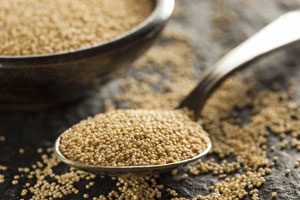
Amaranthus is a cosmopolitan group of more than 50 species which make up the genus of annual or short-lived perennial plants collectively known as amaranths. Some names include "prostrate pigweed" and "love lies bleeding". Some amaranth species are cultivated as leaf vegetables, pseudocereals, and ornamental plants.
History and Origin
Amaranth is a pseudocereal with origins in Mesoamerica, cultivated as far back as 8,000 years ago, with a history deeply connected to ancient civilizations like the Aztecs and Maya. While it was a staple for these cultures and used in ceremonies, the Spanish conquistadors banned its cultivation in the 16th century due to its spiritual significance, leading to a near disappearance in the Americas. The crop survived through secret cultivation and has since spread globally, with its cultivation and use as a food crop experiencing a resurgence in recent times due to its nutritional value and resilience.
- • Green Amaranth (Amaranthus viridis)
- • Redroot Amaranth (Amaranthus retroflexus)
- • Cereal Amaranth
In Australia, you can find both edible and ornamental types of Amaranths. Common edible varieties include green amaranth (Amaranthus viridis) and redroot amaranth (Amaranthus retroflexus), which are sometimes sold as both a vegetable and a cereal/flour. Ornamental types, often sold as seeds, include varieties like "Love Lies Bleeding" (Amaranthus caudatus), with a weeping flower style, and Early Splendour and Joseph's-coat (Amaranthus tricolour), which are grown for their striking foliage.
Grains ” Amaranth ” ( Nutritional value )
Nutritional Value per 100 g
Amaranth grain, uncooked
|
Nutrient ( Proximate’s )
|
Unit
|
Value
|
Daily Value %
|
|
Energy
|
kcal
|
371
|
18.5%
|
|
Protein
|
g
|
13.56
|
27.1%
|
|
Total lipid (fat)
|
g
|
7.02
|
9%
|
|
Carbohydrate, by difference
|
g
|
65.25
|
23.7%
|
|
Fiber, total dietary
|
g
|
6.7
|
23.9%
|
|
Sugars, total
|
g
|
1.69
|
|
|
Minerals
|
|||
|
Calcium, Ca
|
mg
|
159
|
12.2%
|
|
Iron, Fe
|
mg
|
7.61
|
42.2%
|
|
Magnesium, Mg
|
mg
|
248
|
59%
|
|
Phosphorus, P
|
mg
|
557
|
44.5%
|
|
Potassium, K
|
mg
|
508
|
10.8%
|
|
Sodium, Na
|
mg
|
4
|
.001%
|
|
Zinc, Zn
|
mg
|
2.87
|
26%
|
|
Copper, Cu
|
mg
|
0.525
|
58.3%
|
|
Manganese, Mn
|
mg
|
3.333
|
144.9%
|
|
Selenium, Se
|
mcg
|
18.7
|
34%
|
|
Vitamins
|
|||
|
Vitamin C, total ascorbic acid
|
mg
|
4.2
|
4.6%
|
|
Thiamin (B-1)
|
mg
|
0.116
|
0.2%
|
|
Riboflavin (B-2)
|
mg
|
0.200
|
15.3%
|
|
Niacin (B-3)
|
mg
|
0.923
|
5.7%
|
|
Pantothenic acid
|
mg
|
1.457
|
112%
|
|
Vitamin (B-6)
|
mg
|
0.591
|
34.7%
|
|
Folate DFE (dietary folate) (B-9)
|
mcg
|
82
|
20.5%
|
|
Choline, total
|
mg
|
69.8
|
12.6% |
|
Betaine
|
mg
|
67.6
|
|
|
Vitamin E (alpha-tocopherol)
|
mg
|
1.19
|
7.9%
|
| Vitamin B-12 |
mcg
|
0.00
|
|
|
Vitamin A, RAE (retinol)
|
mcg
|
0
|
|
|
Vitamin D (D2 + D3)
|
mcg
|
0
|
|
|
Vitamin K (phylloquinone)
|
mcg
|
0.0
|
|
|
Lipids
|
|||
|
Saturated Fatty Acids
|
g
|
1.459
|
7.2%
|
|
Monounsaturated Fatty Acids
|
g
|
1.685
|
|
|
Polyunsaturated Fatty Acids
|
g
|
2.778
|
|
|
Cholesterol
|
mg
|
0
|
|
|
Carotenoids
|
|||
|
Beta-Carotene
|
mcg
|
1
|
|
|
Alpha-Carotene
|
mcg
|
0
|
|
|
Beta-Cryptoxanthin
|
mcg
|
0
|
|
|
Lutein + Zeaxanthin
|
mcg
|
28
|
|
|
Reference Values are based on a 2,000 Calorie Intake, for Adults and Children 4 or More Years of Age. Your daily values may be higher or lower depending on your calorie needs.
|
|
Percentages are roughly approximated using (RDA) Recommended Dietary Allowances for adults. Source: Nutrient Database – USDA (United States Department of Agriculture)
|
|
Reference Values for Nutrition – FDA U.S. Food and Drug Administration
|
Amaranth Nutritional Value
Amaranth offers numerous health benefits, including support for heart health due to its fiber and potassium content, which can help lower cholesterol and blood pressure. It is a good source of protein and minerals like iron, magnesium, and calcium, which help with muscle growth, bone strength, and energy levels. The grain is also anti-inflammatory, antioxidant-rich, and an excellent gluten-free option, benefiting digestive health and providing general wellness.
- ENERGY AND MUSCLE SUPPORT
Amaranth supports energy and muscle health through its high-protein, high-fiber, and nutrient-rich profile. Its complex carbohydrates provide sustained energy, while its complete protein, containing all nine essential amino acids, supports muscle function and repair. Additionally, amaranth contains essential minerals like iron, magnesium, and phosphorus, which aid in energy production, muscle function, and oxygen transport. - HEART HEALTH
Amaranth supports heart health by helping to lower cholesterol and blood pressure. Its high fiber content binds to cholesterol in the digestive system, aiding its excretion, while its magnesium and potassium levels help regulate blood pressure. Amaranth also contains beneficial compounds like squalene and tocotrienols, which can impact cholesterol biosynthesis. - BONE HEALTH
Amaranth supports bone health due to its high content of essential minerals like calcium, magnesium, and phosphorus. These nutrients are crucial for bone mineralization, density, and strength, helping to prevent conditions like osteoporosis. Amaranth also contains vitamin K, which is vital for both bone health and proper blood clotting. - ANTI-INFLAMMATORY AND ANTIOXIDANT PROPERTIES
Amaranth has potent anti-inflammatory and antioxidant properties due to its bioactive compounds like phenolic acids and flavonoids, which protect the body from oxidative stress and chronic diseases. These compounds, along with others such as squalene and betalains, help reduce inflammation by interfering with inflammatory pathways and scavenging free radicals. This makes amaranth a beneficial addition to the diet for overall health and disease prevention.
- RICH IN NUTRIENTS
Amaranth is rich in nutrients, including high-quality protein, fiber, and a wide range of vitamins and minerals like iron, magnesium, manganese, phosphorus, calcium, and vitamins A, C, and K. It is also a good source of antioxidants and provides essential amino acids, particularly lysine, which is often lacking in other grains. - ANAEMIA PREVENTION
Amaranth can help prevent anaemia due to its high iron content, especially in certain populations like pregnant women and young children. Studies have shown that diets incorporating amaranth can lead to a significant reduction in anaemia prevalence and an increase in haemoglobin levels compared to diets lacking amaranth. Including amaranth as part of a dietary intervention can be a sustainable way to improve iron status, as it contains iron and other beneficial nutrients like folate and vitamin C. - DIGESTIVE HEALTH
Amaranth is rich in both soluble and insoluble fiber, which promotes regular bowel movements and can help prevent constipation and diarrhoea. Its fiber acts as a prebiotic, feeding beneficial gut bacteria, and the grain itself contains compounds that may have a positive effect on the gut microbiota. To avoid potential gas and bloating from the high fiber content, it is best to introduce amaranth into your diet gradually and drink plenty of water. - GLUTEN-FREE
Amaranth is naturally gluten-free. It is considered safe for people with celiac disease and is a nutritious, versatile alternative to wheat and other grains. However, it is crucial to choose products specifically labelled as gluten-free, as amaranth can become cross-contaminated with gluten during processing and distribution, just like oats.
References
Nutrient Database – USDA (United States Department of Agriculture)
Reference Values for Nutrition – FDA U.S. Food and Drug Administration
Energy and muscle support - Amaranth supports energy and muscle health through its high-protein, high-fiber, and nutrient-rich profile. Its complex carbohydrates provide sustained energy, while its complete protein, containing all nine essential amino acids, supports muscle function and repair. Additionally, amaranth contains essential minerals like iron, magnesium, and phosphorus, which aid in energy production, muscle function, and oxygen transport.
Heart health - Amaranth supports heart health by helping to lower cholesterol and blood pressure. Its high fiber content binds to cholesterol in the digestive system, aiding its excretion, while its magnesium and potassium levels help regulate blood pressure. Amaranth also contains beneficial compounds like squalene and tocotrienols, which can impact cholesterol biosynthesis.
Rich in nutrients - Amaranth is rich in nutrients, including high-quality protein, fiber, and a wide range of vitamins and minerals like iron, magnesium, manganese, phosphorus, calcium, and vitamins A, C, and K. It is also a good source of antioxidants and provides essential amino acids, particularly lysine, which is often lacking in other grains.
Gluten-free - Amaranth is naturally gluten-free. It is considered safe for people with celiac disease and is a nutritious, versatile alternative to wheat and other grains. However, it is crucial to choose products specifically labelled as gluten-free, as amaranth can become cross-contaminated with gluten during processing and distribution, just like oats.
Digestive health - Amaranth supports digestive health by being rich in both soluble and insoluble fiber, which promotes regular bowel movements and can help prevent constipation and diarrhoea. Its fiber acts as a prebiotic, feeding beneficial gut bacteria, and the grain itself contains compounds that may have a positive effect on the gut microbiota. To avoid potential gas and bloating from the high fiber content, it is best to introduce amaranth into your diet gradually and drink plenty of water.
Anti-inflammatory and antioxidant properties - Amaranth has potent anti-inflammatory and antioxidant properties due to its bioactive compounds like phenolic acids and flavonoids, which protect the body from oxidative stress and chronic diseases. These compounds, along with others such as squalene and betalains, help reduce inflammation by interfering with inflammatory pathways and scavenging free radicals. This makes amaranth a beneficial addition to the diet for overall health and disease prevention.
Bone health - Amaranth supports bone health due to its high content of essential minerals like calcium, magnesium, and phosphorus. These nutrients are crucial for bone mineralization, density, and strength, helping to prevent conditions like osteoporosis. Amaranth also contains vitamin K, which is vital for both bone health and proper blood clotting.
Anaemia prevention - Amaranth can help prevent anaemia due to its high iron content, especially in certain populations like pregnant women and young children. Studies have shown that diets incorporating amaranth can lead to a significant reduction in anaemia prevalence and an increase in haemoglobin levels compared to diets lacking amaranth. Including amaranth as part of a dietary intervention can be a sustainable way to improve iron status, as it contains iron and other beneficial nutrients like folate and vitamin C.
Promising anti-cancer properties - Amaranth contains several bioactive compounds, including a lunasin-like peptide and various antioxidants, that have shown promising anti-cancer properties in laboratory and animal studies. These components may help in cancer prevention as part of a healthy diet, though more human clinical trials are needed to confirm these effects.