



1. Oat Facts
2. Types of Oats
3. Oat Nutritional Value
4. Oat Health Benefits
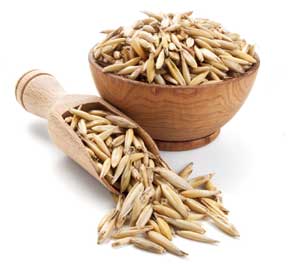
The oat (Avena sativa), sometimes called the common oat, is a species of cereal grown for fodder and for its seed, which is known by the same name (usually in the plural). Oats appear to have been domesticated as a secondary crop, as their seeds resembled those of other cereals closely enough for them to be included by early cultivators. Oats tolerate cold winters less well than cereals such as wheat, barley, and rye, but need less summer heat and more rain, making them important in areas such as Northwest Europe that have cool, wet summers. They can tolerate low-nutrient and acid soils. Oats grow thickly and vigorously, allowing them to outcompete many weeds, and compared to other cereals are relatively free from diseases.
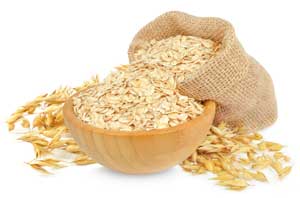
Oats are used for human consumption as oatmeal, including as steel cut oats or rolled oats. Global production is dominated by Canada and Russia; global trade is a small part of production, most of the grain being consumed within the producing countries.
History and Origin
Oats originated from wild oats, with evidence of early human consumption dating back over 30,000 years in Italy. The first deliberate cultivation began around 11,400 years ago in the Middle East's Fertile Crescent and North Africa, likely emerging as a "weed" crop that grew alongside more primary grains like wheat before becoming intentionally farmed. They spread to Europe and Asia and were later introduced to Australia.
- • Oat Groats
- • Steel-Cut Oats
- • Rolled Oats
- • Quick Oats
- • Quick/Instant Oats
- • Scottish Oats
- • Oat Bran
- • Oat Flour
- • Scottish Oats
Common types of oats sold in Australia include rolled oats (old-fashioned oats), quick oats (instant oats), steel-cut oats, and oat groats. Other varieties include specialty options like Scottish oats, oat bran, and oat flour, as well as different categories such as organic or gluten-free.
Types of oats
- Rolled Oats: Also known as old-fashioned oats, these are steamed and then rolled into flakes, which gives them a longer cooking time and chewier texture compared to quick oats.
- Quick/Instant Oats: These are steamed longer and rolled thinner than rolled oats, and sometimes cut into smaller pieces, which results in a faster cooking time.
- Steel-Cut Oats: Made from the whole oat kernel (groat) that has been chopped into two or three pieces with a steel blade. They are less processed than rolled oats and take longer to cook.
- Oat Groats: The whole, hull-less oat grain. They are the most natural form of oats and take the longest to prepare, but offer a very hearty flavor and chewy texture.
- Other varieties: You can also find specialized forms such as Scottish oats (stone-ground groats), oat bran (the outer layer of the oat kernel), and oat flour.
Grains ” Oats ” ( Nutritional value )
Nutritional Value per 100 g
Oats, raw
|
Nutrient ( Proximate’s )
|
Unit
|
Value
|
Daily Value %
|
|
Energy
|
kcal
|
379
|
18.9%
|
|
Protein
|
g
|
13.2
|
26.4%
|
|
Total lipid (fat)
|
g
|
6.52
|
8.3%
|
|
Carbohydrate, by difference
|
g
|
67.7
|
24.6%
|
|
Fiber, total dietary
|
g
|
10.1
|
36%
|
|
Minerals
|
|||
|
Calcium, Ca
|
mg
|
52
|
4%
|
|
Iron, Fe
|
mg
|
4.25
|
23.6%
|
|
Magnesium, Mg
|
mg
|
138
|
32.8%
|
|
Phosphorus, P
|
mg
|
410
|
32.8%
|
|
Potassium, K
|
mg
|
362
|
7.7%
|
|
Sodium, Na
|
mg
|
6
|
0.2%
|
|
Zinc, Zn
|
mg
|
3.64
|
33%
|
|
Copper, Cu
|
mg
|
0.391
|
43.4%
|
|
Manganese, Mn
|
mg
|
||
|
Vitamins
|
|||
|
Vitamin C, total ascorbic acid
|
mg
|
0.0
|
0.0
|
|
Thiamin (B-1)
|
mg
|
0.46
|
38.3%
|
|
Riboflavin (B-2)
|
mg
|
0.155
|
11.2%
|
|
Niacin (B-3)
|
mg
|
1.12
|
7%
|
|
Pantothenic acid
|
mg
|
||
|
Vitamin (B-6)
|
mg
|
0.1
|
5.8%
|
|
Folate DFE (dietary folate) (B-9)
|
mcg
|
32
|
8%
|
|
Vitamin (B-12)
|
mcg
|
0.00
|
|
|
Vitamin A, RAE (retinol)
|
mcg
|
||
|
Vitamin D (D2 + D3)
|
mcg
|
0
|
|
|
Lipids
|
|||
|
Saturated Fatty Acids
|
g
|
1.217
|
6%
|
|
Monounsaturated Fatty Acids
|
g
|
2.178
|
|
|
Polyunsaturated Fatty Acids
|
g
|
2.535
|
|
|
Cholesterol
|
mg
|
0
|
|
|
Reference Values are based on a 2,000 Calorie Intake, for Adults and Children 4 or More Years of Age. Your daily values may be higher or lower depending on your calorie needs.
|
|
Percentages are roughly approximated using (RDA) Recommended Dietary Allowances for adults. Source: Nutrient Database – USDA (United States Department of Agriculture)
|
|
Reference Values for Nutrition – FDA U.S. Food and Drug Administration
|
Oats Nutritional Value
Oats provide significant health benefits, including lower cholesterol and better blood sugar control, due to their high content of soluble fiber (beta-glucan) and unique antioxidants called avenanthramides. They also support gut health, aid in weight management, and are a good source of essential vitamins, minerals, and protein.
POTENT ANTIOXIDANT PROPERTIES
Oats have potent antioxidant properties due to a variety of compounds, most notably unique phenolic compounds called avenanthramides, as well as vitamin E, ferulic acid, and phytic acid. These antioxidants are concentrated in the outer layers of the grain and may offer numerous health benefits, including reduced inflammation, protection against heart disease, and protection of cell membranes from oxidative damage.MMUNE SUPPORT
Oats support the immune system through beta-glucans and other nutrients like zinc, iron, copper, and polyphenols that boost immune cell function and reduce inflammation. Beta-glucans, a type of soluble fiber, help the gut microbiome, which is crucial for a strong immune response. This leads to a healthier gut lining and helps white blood cells, like neutrophils.SUPPORT CARDIOVASCULAR HEALTH
Oats support cardiovascular health primarily through their high content of a soluble fiber called beta-glucan, which helps lower total and LDL ("bad") cholesterol by binding with bile acids in the intestine. This effect requires consuming about 3 grams of beta-glucan daily, achievable through servings of oats in a heart-healthy diet low in saturated fat. Oats also contain antioxidants like avenanthramides that promote healthy blood flow, and their fiber and protein content can help with weight management, a factor in cardiovascular health.SUPPORT WEIGHT MANAGEMENT
Oats support weight management by promoting satiety, which helps reduce overall calorie intake. Their high soluble fiber, particularly beta-glucan, forms a gel in your gut, slowing digestion and keeping you feeling full for longer. This can reduce mid-morning snacking and cravings, while also stabilizing blood sugar levels. To maximize benefits, choose unprocessed oats and be mindful of added sugars in toppings.
RICH IN NUTRIENTS
Oats are nutrient-rich due to their high content of fiber (especially beta-glucan), antioxidants, vitamins, and minerals. They are an excellent source of complex carbohydrates, protein, and healthy fats, while being low in fat overall. This nutrient-dense profile offers significant health benefits, such as improved cholesterol levels, better blood sugar control, and a feeling of fullness.GOOD SOURCE OF PROTEIN
Oats are a good source of protein, providing about 5 grams of protein in a typical half-cup (40-gram) serving of dry rolled oats. A 100-gram serving contains approximately 16.9 grams of protein. The protein in oats is high quality due to a superior amino acid profile compared to other cereals.IMMUNE SUPPORT
Oats support the immune system through beta-glucans and other nutrients like zinc, iron, copper, and polyphenols that boost immune cell function and reduce inflammation. Beta-glucans, a type of soluble fiber, help the gut microbiome, which is crucial for a strong immune response. This leads to a healthier gut lining and helps white blood cells, like neutrophils, move faster to fight off infections.BENEFIT DIGESTIVE HEALTH
Oats benefit gut health by acting as a prebiotic, feeding beneficial gut bacteria through their unique soluble fiber, beta-glucan. This process nourishes the gut microbiome, promotes the production of beneficial short-chain fatty acids like butyrate, and can help regulate digestion, blood sugar, and cholesterol. To get the most benefits, choose whole, rolled, or steel-cut oats over instant ones.BLOOD SUGAR CONTROL
Oats help control blood sugar due to their high soluble fiber, specifically beta-glucan, which improves insulin sensitivity and slows glucose absorption. To maximize benefits, choose less-processed options like steel-cut or rolled oats and avoid excessive added sugars. Adding protein and healthy fats can further prevent blood sugar spikes.
References
Nutrient Database – USDA (United States Department of Agriculture)
Reference Values for Nutrition – FDA U.S. Food and Drug Administration
Support cardiovascular health - Oats support cardiovascular health primarily through their high content of a soluble fiber called beta-glucan, which helps lower total and LDL ("bad") cholesterol by binding with bile acids in the intestine. This effect requires consuming about 3 grams of beta-glucan daily, achievable through servings of oats in a heart-healthy diet low in saturated fat. Oats also contain antioxidants like avenanthramides that promote healthy blood flow, and their fiber and protein content can help with weight management, a factor in cardiovascular health.
Potent antioxidant properties - Oats have potent antioxidant properties due to a variety of compounds, most notably unique phenolic compounds called avenanthramides, as well as vitamin E, ferulic acid, and phytic acid. These antioxidants are concentrated in the outer layers of the grain and may offer numerous health benefits, including reduced inflammation, protection against heart disease, and protection of cell membranes from oxidative damage.
Benefit digestive health - Oats benefit gut health by acting as a prebiotic, feeding beneficial gut bacteria through their unique soluble fiber, beta-glucan. This process nourishes the gut microbiome, promotes the production of beneficial short-chain fatty acids like butyrate, and can help regulate digestion, blood sugar, and cholesterol. To get the most benefits, choose whole, rolled, or steel-cut oats over instant ones.
Blood sugar control - Oats help control blood sugar due to their high soluble fiber, specifically beta-glucan, which improves insulin sensitivity and slows glucose absorption. To maximize benefits, choose less-processed options like steel-cut or rolled oats and avoid excessive added sugars. Adding protein and healthy fats can further prevent blood sugar spikes.
Support weight management - Oats support weight management by promoting satiety, which helps reduce overall calorie intake. Their high soluble fiber, particularly beta-glucan, forms a gel in your gut, slowing digestion and keeping you feeling full for longer. This can reduce mid-morning snacking and cravings, while also stabilizing blood sugar levels. To maximize benefits, choose unprocessed oats and be mindful of added sugars in toppings.
Rich in nutrients - Oats are nutrient-rich due to their high content of fiber (especially beta-glucan), antioxidants, vitamins, and minerals. They are an excellent source of complex carbohydrates, protein, and healthy fats, while being low in fat overall. This nutrient-dense profile offers significant health benefits, such as improved cholesterol levels, better blood sugar control, and a feeling of fullness.
Good source of protein - Oats are a good source of protein, providing about 5 grams of protein in a typical half-cup (40-gram) serving of dry rolled oats. A 100-gram serving contains approximately 16.9 grams of protein. The protein in oats is high quality due to a superior amino acid profile compared to other cereals.
Immune support - Oats support the immune system through beta-glucans and other nutrients like zinc, iron, copper, and polyphenols that boost immune cell function and reduce inflammation. Beta-glucans, a type of soluble fiber, help the gut microbiome, which is crucial for a strong immune response. This leads to a healthier gut lining and helps white blood cells, like neutrophils, move faster to fight off infections.