

1. Rice Facts
2. Types of Rice
3. Rice Nutritional Value
4. Rice Health Benefits
Rice is a staple cereal grain, the seed of a grass species, and a primary food source for over half the world's population. It is a versatile carbohydrate-rich food that can be prepared in many ways, with different varieties like brown and white rice offering different nutritional profiles. It's a crucial component of the diet, particularly in Asia and Africa.
History and Origin
Rice was first cultivated in Asia, likely in the Yangtze River basin of China around 9,000 to 12,000 years ago. From this origin, its cultivation spread throughout Asia and eventually to other parts of the world through migration and trade. Another species, African rice (Oryza glaberrima), was independently domesticated in Africa about 3,000 years ago.
- • White Rice
- • Brown Rice
- • Basmati Rice
- • Jasmine Rice
- • Arborio Rice
- • Low GI Rice
- • Black Rice
- • Red Rice
- • Wild Rice
Rice sold in Australia includes common varieties like white, brown, basmati, and jasmine, along with specialty types such as Arborio, black, and red rice. These are categorized by grain length (short, medium, long) and can be further distinguished by colour, texture, and nutritional profile. Many Australian supermarkets and specialty stores stock a wide selection of both locally grown and imported rice.
Common rice types
- White Rice: The most common type, with a fluffy texture and used in many dishes.
- Brown Rice: A whole grain with the bran layer intact, giving it a nutty flavour and more nutrients than white rice.
- Basmati Rice: A long-grain variety known for its aromatic quality and suitability for curries and Indian dishes.
- Jasmine Rice: A fragrant, soft-textured rice, often used in Southeast Asian cooking and for dishes like fried rice.
- Arborio Rice: A short-grain rice that is plump and creamy when cooked, ideal for risotto.
- Low GI Rice: Australian-developed long-grain white rice with a lower glycaemic index.
Specialty and coloured rices
- Black Rice: An heirloom variety with a nutty flavour and chewy texture, high in antioxidants, and often used in desserts.
- Red Rice: Another un-hulled rice with a nutty flavour and high nutritional value, similar to brown rice but with a red husk.
- Wild Rice: Not technically a rice, but the seed of a grass. It has a chewy texture and is often mixed with other rice types to add interest.
Grains ” Rice ” ( Nutritional value )
Nutritional Value per 100 g
Rice, white, long-grain, regular, unenriched, cooked without salt
|
Nutrient ( Proximate’s )
|
Unit
|
Value
|
Daily Value %
|
|
Energy
|
kcal
|
130
|
6.5%
|
|
Protein
|
g
|
2.69
|
5.3%
|
|
Total lipid (fat)
|
g
|
0.28
|
0.3%
|
|
Carbohydrate, by difference
|
g
|
28.17
|
10.2%
|
|
Fiber, total dietary
|
g
|
0.4
|
1.4%
|
|
Sugars, total
|
g
|
0.05
|
|
|
Minerals
|
|||
|
Calcium, Ca
|
mg
|
10
|
0.7%
|
|
Iron, Fe
|
mg
|
0.20
|
1.1%
|
|
Magnesium, Mg
|
mg
|
12
|
2.8%
|
|
Phosphorus, P
|
mg
|
43
|
3.4%
|
|
Potassium, K
|
mg
|
35
|
0.7%
|
|
Sodium, Na
|
mg
|
1
|
0.4%
|
|
Zinc, Zn
|
mg
|
0.49
|
4.4%
|
|
Copper, Cu
|
mg
|
0.069
|
7.6%
|
|
Manganese, Mn
|
mg
|
0.472
|
20.5%
|
|
Selenium, Se
|
mcg
|
7.5
|
13.6%
|
|
Vitamins
|
|||
|
Vitamin C, total ascorbic acid
|
mg
|
0.0
|
|
|
Thiamin (B-1)
|
mg
|
0.020
|
1.6%
|
|
Riboflavin (B-2)
|
mg
|
0.013
|
1%
|
|
Niacin (B-3)
|
mg
|
0.400
|
2.5%
|
|
Pantothenic acid (B-5)
|
mg
|
0.390
|
7.8%
|
|
Vitamin (B-6)
|
mg
|
0.093
|
5.4%
|
|
Folate DFE (dietary folate) (B-9)
|
mcg
|
3
|
0.7%
|
|
Vitamin (B-12)
|
mcg
|
0.00
|
|
|
Vitamin A, RAE (retinol)
|
mcg
|
0
|
|
|
Vitamin E (alpha-tocopherol)
|
mg
|
0.04
|
0.2%
|
|
Vitamin D (D2 + D3)
|
mcg
|
0
|
|
|
Vitamin K (phylloquinone)
|
mcg
|
0.0
|
|
|
Lipids
|
|||
|
Saturated Fatty Acids
|
g
|
0.077
|
0.3%
|
|
Monounsaturated Fatty Acids
|
g
|
0.088
|
|
|
Polyunsaturated Fatty Acids
|
g
|
0.076
|
|
|
Carotenoids
|
|||
|
Beta-Carotene
|
mcg
|
0
|
|
|
Alpha-Carotene
|
mcg
|
0
|
|
|
Beta-Cryptoxanthin
|
mcg
|
0
|
|
|
Lutein + zeaxanthin
|
mcg
|
0
|
|

|
Reference Values are based on a 2,000 Calorie Intake, for Adults and Children 4 or More Years of Age. Your daily values may be higher or lower depending on your calorie needs.
|
|
Percentages are roughly approximated using (RDA) Recommended Dietary Allowances for adults. Source: Nutrient Database – USDA (United States Department of Agriculture)
|
|
Reference Values for Nutrition – FDA U.S. Food and Drug Administration
|
Rice Nutritional Value
White rice provides a quick source of energy due to its high carbohydrate content, is easily digestible for those with sensitive stomachs, and is naturally gluten-free, making it suitable for people with celiac disease or gluten sensitivity. It also contains essential nutrients like magnesium, folate, and iron, especially when enriched, which support bone, heart, and muscle health.
White rice can be part of a healthy diet, especially when paired with other nutritious foods like vegetables, lean proteins, and healthy fats. While brown rice is higher in fiber and certain nutrients, white rice provides energy, is gluten-free, and contains beneficial nutrients like folate and magnesium. To maximize its health benefits, consume it in moderation and balance it with other nutrient-dense foods to create a complete meal.
Differences between white and brown rice:
Brown rice: It is a whole grain and contains the bran and germ, making it higher in fiber, B vitamins, magnesium, manganese, and selenium compared to white rice. It may also help with weight management and the prevention of chronic diseases.
White rice: It is a good source of energy and is easy to digest. However, the bran and germ are removed during processing, which also removes many of the B vitamins, minerals, and fiber. Some white rice is "enriched," meaning some vitamins are added back after processing.
QUICK ENERGY
White rice provides quick energy because it's a high-carbohydrate food that is easily and rapidly digested, making it ideal for refuelling after exercise to replenish glycogen stores. However, this rapid digestion is also why white rice has a high glycaemic index, which can cause blood sugar spikes, making moderation key for a balanced diet.EASY TO DIGEST
White rice is easy to digest because it's lower in fiber and simpler carbohydrates, making it a good choice for those with sensitive stomachs, digestive issues like IBS or diarrhoea, or for recovering from illness. Its blandness and low-fat content also help minimize bloating and irritation, and it is often recommended during stomach upsets.GLUTEN-FREE
White rice is naturally gluten-free and is a safe staple for people with celiac disease or gluten sensitivity. While plain rice is gluten-free, it is important to check packaged rice products for added ingredients and be mindful of cross-contamination, as some processed rice mixes or pre-cooked varieties may contain gluten.
RICH IN CERTAIN NUTRIENTS
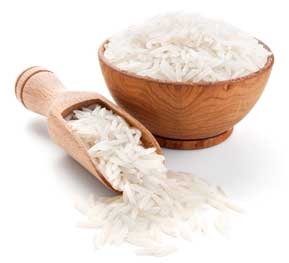
White rice can be enriched with certain nutrients like iron, thiamine, niacin, folic acid, and selenium during processing, which are added back after the bran and germ are removed. While it has less fiber than brown rice, it is still a good source of carbohydrates for energy, protein, and certain vitamins and minerals.INCREASES RESISTANT STARCH
To increase the resistant starch in white rice, cook it first and then cool it in the refrigerator for at least 12-24 hours before reheating and eating it. This process, called retrogradation, converts some digestible starch into resistant starch, which benefits gut health and blood sugar control.CAN BE PART OF A HEALTHY DIET
White rice can be part of a healthy diet, especially when paired with other nutritious foods like vegetables, lean proteins, and healthy fats. While brown rice is higher in fiber and certain nutrients, white rice provides energy, is gluten-free, and contains beneficial nutrients like folate and magnesium. To maximize its health benefits, consume it in moderation and balance it with other nutrient-dense foods to create a complete meal.
References
Nutrient Database – USDA (United States Department of Agriculture)
Reference Values for Nutrition – FDA U.S. Food and Drug Administration
Rich in certain nutrients - White rice is enriched with certain nutrients like iron, thiamine, niacin, folic acid, and selenium during processing, which are added back after the bran and germ are removed. While it has less fiber than brown rice, it is still a good source of carbohydrates for energy, protein, and certain vitamins and minerals.
Increases resistant starch - To increase the resistant starch in white rice, cook it first and then cool it in the refrigerator for at least 12-24 hours before reheating and eating it. This process, called retrogradation, converts some digestible starch into resistant starch, which benefits gut health and blood sugar control.
Gluten-free - White rice is naturally gluten-free and is a safe staple for people with celiac disease or gluten sensitivity. While plain rice is gluten-free, it is important to check packaged rice products for added ingredients and be mindful of cross-contamination, as some processed rice mixes or pre-cooked varieties may contain gluten.
Quick energy - White rice provides quick energy because it's a high-carbohydrate food that is easily and rapidly digested, making it ideal for refuelling after exercise to replenish glycogen stores. However, this rapid digestion is also why white rice has a high glycaemic index, which can cause blood sugar spikes, making moderation key for a balanced diet.
Easy to digest - White rice is easy to digest because it's lower in fiber and simpler carbohydrates, making it a good choice for those with sensitive stomachs, digestive issues like IBS or diarrhoea, or for recovering from illness. Its blandness and low-fat content also help minimize bloating and irritation, and it is often recommended during stomach upsets.
Can be part of a healthy diet - White rice can be part of a healthy diet, especially when paired with other nutritious foods like vegetables, lean proteins, and healthy fats. While brown rice is higher in fiber and certain nutrients, white rice provides energy, is gluten-free, and contains beneficial nutrients like folate and magnesium. To maximize its health benefits, consume it in moderation and balance it with other nutrient-dense foods to create a complete meal.