


1. Triticale Facts
2. Types of Triticale
3. Triticale Nutritional Value
4. Triticale Health Benefits
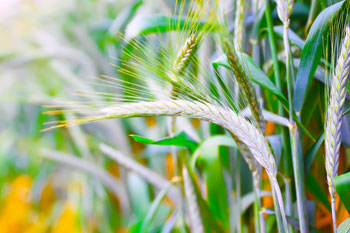
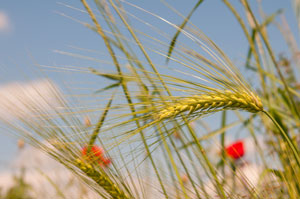
Triticale - Triticosecale is a hybrid of wheat (Triticum) and rye (Secale) first bred in laboratories during the late 19th century in Scotland and Germany.
History and Origin
Triticale originated in the late 19th century as the first successful man-made cereal grain, a hybrid cross between wheat (Triticum) and rye (Secale). First intentionally bred in 1875 by A. S. Wilson in Scotland, the initial hybrid was sterile but became fertile after other scientists, such as P. Givandon, developed methods to double the chromosomes in the 1930s. Modern commercial triticale is almost always a second-generation hybrid derived from these fertile crosses, combining wheat's yield and quality with rye's environmental and disease tolerance.
- • Triticale Rolled Flakes
- • Triticale Flour
- • Triticale Kibbled Grain
Triticale is sold in Australia as rolled flakes for breakfast cereals, kibbled grain for baking and muesli, and flour for baking goods like biscuits, cakes, and muffins. While most triticale is used for stock feed, these niche products are available through specialty retailers and health food stores.
Types of Triticale products
- Rolled Flakes: Whole triticale grains that have been steamed and rolled, similar to rolled oats, for making porridge, muesli, or for use in baking.
- Kibbled Grain: The whole grain is processed through kibbling, resulting in a course, crushed product. It can be used in baking, muesli, or as a whole grain in various dishes.
- Flour: Triticale flour can be used as a supplement to wheat flour for a range of baked goods, including biscuits, cakes, and muffins. It has a nutty flavour and a texture similar to light rye bread.
Grains ” Triticale ” ( Nutritional value )
Nutritional Value per 100 g
Triticale
|
Nutrient ( Proximate’s )
|
Unit
|
Value
|
Daily Value %
|
|
Energy
|
kcal
|
336
|
16.8%
|
|
Protein
|
g
|
13.05
|
26.1%
|
|
Total lipid (fat)
|
g
|
2.09
|
2.6%
|
|
Carbohydrate, by difference
|
g
|
72.13
|
26.2%
|
|
Minerals
|
|||
|
Calcium, Ca
|
mg
|
37
|
2.8%
|
|
Iron, Fe
|
mg
|
2.57
|
14.2%
|
|
Magnesium, Mg
|
mg
|
130
|
30.9%
|
|
Phosphorus, P
|
mg
|
358
|
28.6%
|
|
Potassium, K
|
mg
|
332
|
7%
|
|
Sodium, Na
|
mg
|
5
|
0.2%
|
|
Zinc, Zn
|
mg
|
3.45
|
31.3%
|
|
Copper, Cu
|
mg
|
0.457
|
50.7%
|
|
Manganese, Mn
|
mg
|
3.210
|
135.9%
|
|
Vitamins
|
|||
|
Vitamin C, total ascorbic acid
|
mg
|
0.0
|
0.0
|
|
Thiamin (B-1)
|
mg
|
0.416
|
34.6%
|
|
Riboflavin (B-2)
|
mg
|
0.134
|
10.3%
|
|
Niacin (B-3)
|
mg
|
1.430
|
8.9%
|
|
Pantothenic acid
|
mg
|
1.323
|
26.4%
|
|
Vitamin (B-6)
|
mg
|
0.138
|
8.1%
|
|
Folate DFE (dietary folate) (B-9)
|
mcg
|
73
|
18.2%
|
|
Vitamin (B-12)
|
mcg
|
0.00
|
|
|
Vitamin A, RAE (retinol)
|
mcg
|
||
|
Vitamin E (alpha-tocopherol)
|
mg
|
0.90
|
0.7%
|
|
Vitamin D (D2 + D3)
|
mcg
|
0
|
|
|
Lipids
|
|||
|
Saturated Fatty Acids
|
g
|
0.366
|
1.8%
|
|
Monounsaturated Fatty Acids
|
g
|
0.211
|
|
|
Polyunsaturated Fatty Acids
|
g
|
0.913
|
|
|
Cholesterol
|
mg
|
0
|
|
|
Reference Values are based on a 2,000 Calorie Intake, for Adults and Children 4 or More Years of Age. Your daily values may be higher or lower depending on your calorie needs.
|
|
Percentages are roughly approximated using (RDA) Recommended Dietary Allowances for adults. Source: Nutrient Database – USDA (United States Department of Agriculture)
|
|
Reference Values for Nutrition – FDA U.S. Food and Drug Administration
|
Triticale Nutritional Value
Triticale is a nutritious grain that offers several health benefits, including improved digestion, better blood sugar control, and enhanced circulation. It is rich in fiber, protein, and essential minerals like magnesium, manganese, and iron, and it contains antioxidants and folate. However, it is not suitable for those with gluten intolerance or celiac disease because it contains gluten.
BLOOD SUGAR CONTROL
Triticale may help control blood sugar due to its high fiber content and other beneficial compounds, which lead to a slower and more stable rise in glucose and insulin levels after a meal. Sprouting triticale, in particular, has been shown to have a stronger positive effect on blood sugar management than non-sprouted grains. Its high fiber content slows down digestion, while the mineral manganese aids in converting blood sugar into energy, making triticale a good option for a diet that helps regulate blood sugar.SUPPORTS HEART HEALTH
Triticale supports heart health due to its rich content of fiber, B vitamins, magnesium, and other antioxidants. These components help manage blood glucose, lower cholesterol, and reduce the risk of cardiovascular disease.NUTRIENT-DENSE
Triticale is a nutrient-dense grain, prized for its high protein, fiber, and a rich profile of minerals like iron, magnesium, zinc, phosphorus, and manganese, making it a valuable food. It surpasses wheat and rye in certain nutrients, such as lysine, and is used in animal feed, high-protein flour, and functional foods.WEIGHT MANAGEMENT
Triticale can support weight management by being a source of fiber and protein, which promote satiety. Some studies suggest that replacing more common grains with triticale may help reduce obesity and diabetes risk due to its nutritional profile. However, research on its specific effects on human weight management is still ongoing, and results can vary depending on preparation and the individual's overall diet.
BENEFITS DIGESTIVE HEALTH
Triticale benefits digestive health primarily through its high fiber content, which helps with regularity, nutrient absorption, and managing digestive issues like constipation and diarrhoea. It also contains beneficial compounds like antioxidants and polysaccharides that support a healthy gut microbiome. However, it's important to note that people with celiac disease should avoid triticale along with other gluten-containing cereals like wheat and rye.PROMOTES BONE HEALTH
Triticale promotes bone health because it is rich in essential minerals like zinc, phosphorus, manganese, and magnesium, which are crucial for bone tissue production and strength. These minerals can help boost bone growth, speed up healing, and prevent bone-related conditions like osteoporosis.ANTIOXIDANT PROPERTIES
Triticale has antioxidant properties primarily due to its high content of phenolic compounds like ferulic acid, which is more abundant in triticale than in wheat or rye. These compounds, concentrated in the bran, help fight free radicals and may reduce the risk of chronic diseases. Other antioxidants in triticale include alkylresorcinols and other phenolic acids such as p-coumaric and rosmarinic acids.GOOD SOURCE OF FOLATE
Triticale is a good source of folate, offering about double the amount found in wheat and three times that of rye. Folate is essential for red blood cell production, new cell creation, and is particularly important during pregnancy to help prevent birth defects.
References
Nutrient Database – USDA (United States Department of Agriculture)
Reference Values for Nutrition – FDA U.S. Food and Drug Administration
Supports heart health - Triticale supports heart health due to its rich content of fiber, B vitamins, magnesium, and other antioxidants. These components help manage blood glucose, lower cholesterol, and reduce the risk of cardiovascular disease.
Benefits digestive health - Triticale benefits digestive health primarily through its high fiber content, which helps with regularity, nutrient absorption, and managing digestive issues like constipation and diarrhoea. It also contains beneficial compounds like antioxidants and polysaccharides that support a healthy gut microbiome. However, it's important to note that people with celiac disease should avoid triticale along with other gluten-containing cereals like wheat and rye.
Nutrient-dense - Triticale is a nutrient-dense grain, prized for its high protein, fiber, and a rich profile of minerals like iron, magnesium, zinc, phosphorus, and manganese, making it a valuable food for both humans and animals. It surpasses wheat and rye in certain nutrients, such as lysine, and is used in animal feed, high-protein flour, and functional foods.
Good source of folate - Triticale is a good source of folate, offering about double the amount found in wheat and three times that of rye. Folate is essential for red blood cell production, new cell creation, and is particularly important during pregnancy to help prevent birth defects.
Blood sugar control - Triticale may help control blood sugar due to its high fiber content and other beneficial compounds, which lead to a slower and more stable rise in glucose and insulin levels after a meal. Sprouting triticale, in particular, has been shown to have a stronger positive effect on blood sugar management than non-sprouted grains. Its high fiber content slows down digestion, while the mineral manganese aids in converting blood sugar into energy, making triticale a good option for a diet that helps regulate blood sugar.
Promotes bone health - Triticale promotes bone health because it is rich in essential minerals like zinc, phosphorus, manganese, and magnesium, which are crucial for bone tissue production and strength. These minerals can help boost bone growth, speed up healing, and prevent bone-related conditions like osteoporosis.
Antioxidant properties - Triticale has antioxidant properties primarily due to its high content of phenolic compounds like ferulic acid, which is more abundant in triticale than in wheat or rye. These compounds, concentrated in the bran, help fight free radicals and may reduce the risk of chronic diseases. Other antioxidants in triticale include alkylresorcinols and other phenolic acids such as p-coumaric and rosmarinic acids.
Weight management - Triticale can support weight management by being a source of fiber and protein, which promote satiety. Some studies suggest that replacing more common grains with triticale may help reduce obesity and diabetes risk due to its nutritional profile. However, research on its specific effects on human weight management is still ongoing, and results can vary depending on preparation and the individual's overall diet.
Important consideration
Gluten content - Triticale is a hybrid of wheat and rye and contains gluten, making it unsuitable for individuals with celiac disease or gluten sensitivity.