



1. Basil Facts
2. Types of Basil
3. Basil Nutritional Value
4. Basil Health Benefits
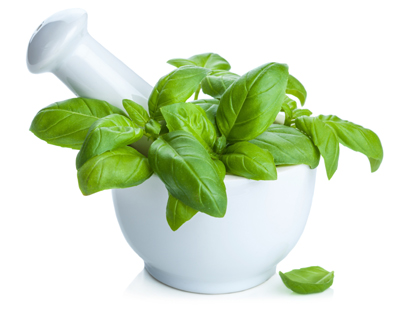
Basil are aromatic, leafy herbs from the mint family, known for their fragrant leaves used extensively in cooking (especially Italian, Mediterranean, Thai) for flavours like sweet, lemon, or anise, and come in many varieties like Sweet Basil, Thai Basil, and Holy Basil, offering different tastes and uses, from pesto to repellents.
History and Origin
Basil (Ocimum basilicum) originated in India and 4 tropical regions of Asia and Africa, where it has been cultivated for over 5,000 years.
Revered as the "king of herbs" (from Greek basileus), it spread to the Mediterranean, becoming deeply ingrained in Roman, Greek, and Egyptian cultures as a sacred, medicinal, and culinary herb.
- • Sweet Basil (Genovese)
- • Thai Basil
- • Lemon Basil
- • Cinnamon Basil
- • Holy Basil (Tulsi)
- • Lettuce Leaf Basil
- • Purple Basil (Dark Opal, Purple Ruffles)
- • Greek Basil
There are many types of basil, commonly grouped by flavour profile and use, with popular varieties including Sweet/Genovese (Italian pesto), Thai (anise/liquorice flavour for Asian dishes), Lemon/Lime (citrusy zing for salads/fish), and Holy Basil (spicy, medicinal, spiritual).
Other key types are Cinnamon (spicy), Lettuce Leaf (large leaves for salads), and Purple/Dark Opal (ornamental and slightly spicy).
Common Varieties
- Sweet Basil (Genovese): The classic Italian basil, mild, sweet, with clove notes, perfect for pesto, pasta, and tomato dishes.
- Thai Basil: Strong anise/liquorice flavour, purple stems, holds up well to high heat, essential in Southeast Asian cooking (curries, pho).
- Lemon Basil: Bright citrus flavour, great for salads, fish, chicken, and teas.
- Cinnamon Basil: Sweet cinnamon scent and taste, often used in desserts or teas.
- Holy Basil (Tulsi): Spicy, clove-like, revered in Hindu traditions, used in teas and traditional medicine.
- Lettuce Leaf Basil: Very large, crinkled leaves, mild flavour, good for wraps or salads.
- Purple Basil (Dark Opal, Purple Ruffles): Deep purple leaves, adds colour and a slightly spicy, clove-like flavour to dishes and garnishes.
- Greek Basil: Small leaves, delicate aroma, bushy growth, good for Mediterranean dishes.
Flavour and Texture
- Flavour: Ranges from sweet (Genovese) to spicy (Thai, Holy), citrusy (Lemon), or cinnamon-spiced (Cinnamon).
- Texture: Some have large, crinkled leaves (Lettuce Leaf), while others are tiny and compact (Spicy Globe, Boxwood).
Herbs ” Basil ” ( Nutritional value )
Nutritional Value per 4.5 g – 1 Tablespoon, ground
Basil, dried
|
Nutrient ( Proximate’s )
|
Unit
|
Value
|
Daily Value %
|
|
Energy
|
kcal
|
10.5
|
0.5%
|
|
Protein
|
g
|
1.04
|
2%
|
|
Total lipid (fat)
|
g
|
0.183
|
0.2%
|
|
Carbohydrate, by difference
|
g
|
2.15
|
0.7%
|
|
Fiber, total dietary
|
g
|
1.7
|
6%
|
|
Total Sugars
|
g
|
0.08
|
|
|
Minerals
|
|||
|
Calcium, Ca
|
mg
|
101
|
7.7%
|
|
Iron, Fe
|
mg
|
4.04
|
22.4%
|
|
Magnesium, Mg
|
mg
|
32
|
7.6%
|
|
Phosphorus, P
|
mg
|
12.3
|
0.9%
|
|
Potassium, K
|
mg
|
118
|
2.5%
|
|
Sodium, Na
|
mg
|
3.42
|
0.1%
|
|
Zinc, Zn
|
mg
|
0.319
|
2.9%
|
|
Copper, Cu
|
mg
|
0.095
|
10.5%
|
|
Manganese, Mn
|
mg
|
0.441
|
19.1%
|
|
Selenium, Se
|
mcg
|
0.135
|
0.2%
|
|
Vitamins
|
|||
|
Vitamin C, total ascorbic acid
|
mg
|
0.0
|
|
|
Thiamin (B-1)
|
mg
|
0.004
|
0.3%
|
|
Riboflavin (B-2)
|
mg
|
0.054
|
4.1%
|
|
Vitamin (B-6)
|
mg
|
0.06
|
3.5%
|
|
Folate (B-9)
|
mcg
|
14
|
3.5%
|
|
Choline
|
mg
|
2.47
|
0.4% |
|
Vitamin (B-12)
|
mcg
|
0.00
|
|
|
Vitamin A, RAE
|
mcg
|
1.66
|
0.1%
|
|
Vitamin E (alpha-tocopherol)
|
mg
|
0.481
|
3.2%
|
|
Vitamin D (D2 + D3)
|
mcg
|
0.0
|
|
|
Vitamin K (phylloquinone)
|
mcg
|
77
|
64.1%
|
|
Lipids
|
|||
|
Saturated Fatty Acids
|
g
|
0.097
|
0.4%
|
|
Monounsaturated Fatty Acids
|
g
|
0.056
|
|
|
Polyunsaturated Fatty Acids
|
g
|
0.022
|
|
|
Trans Fatty Acids
|
g
|
0.000
|
|
|
Cholesterol
|
mg
|
0
|
|
|
Carotenoids
|
|||
|
Beta-Carotene
|
mcg
|
17
|
|
|
Alpha-Carotene
|
mcg
|
5.08
|
|
|
Beta-Cryptoxanthin
|
mcg
|
1.08
|
|
|
Lutein + Zeaxanthin
|
mcg
|
51.8
|
|

Reference Values are based on a 2,000 Calorie Intake, for Adults and Children 4 or More Years of Age. Your daily values may be higher or lower depending on your calorie needs.
Percentages are roughly approximated using (RDA) Recommended Dietary Allowances for adults. Source: USDA United States Department of Agriculture.
Reference Values for Nutrition – FDA U.S. Food and Drug Administration.
Basil Nutritional Value
Basil offers health benefits like fighting inflammation, boosting immunity, aiding digestion, and reducing stress due to its antioxidants, vitamins (K, C), minerals (calcium, iron, magnesium), and essential oils (eugenol).
Basil may help lower blood sugar, improve heart health, offer antibacterial protection, and support cognitive function, though more research is needed for specific conditions, especially with holy basil (tulsi) versus sweet basil.
DIGESTIVE AID
Basil soothes the gut, reducing gas and bloating (carminative properties), fighting inflammation with compounds like eugenol, promoting healthy gut bacteria, and relieving constipation, especially with basil seeds that form a gel high in fiber. It helps balance stomach acid, supports nutrient absorption, and offers antioxidants to protect gut cells, making it good for upset stomachs and overall digestive wellness.POWERFUL ANTIOXIDANTS
Basil is packed with powerful antioxidants like flavonoids, polyphenols, and rosmarinic acid, which neutralize cell-damaging free radicals, reduce oxidative stress, and fight inflammation, potentially lowering risks for chronic diseases like cancer, heart disease, and diabetes. Key antioxidant compounds include eugenol, linalool, beta-carotene, and vitamins A & C, making it a nutrient-rich herb that supports overall health, digestion, and immunity.ANTI-INFLAMMATORY
Basil is a powerful anti-inflammatory herb, rich in compounds like eugenol, linalool, and rosmarinic acid, that help reduce inflammation by inhibiting inflammatory mediators, making it beneficial for conditions like arthritis, heart disease, and skin issues, with both culinary and holy basil (tulsi) varieties showing significant anti-inflammatory effects in traditional medicine and modern research.MENTAL ALERTNESS
Basil, especially Holy Basil (Tulsi), acts as a natural nootropic, enhancing mental alertness, focus, memory, and clarity by reducing stress/anxiety (adaptogenic properties), protecting brain cells, improving circulation, and containing compounds like linalool and eugenol that support cognitive function and neurotransmitters, making it a great natural aid for brain fog and fatigue.BLOOD SUGAR CONTROL
Basil, especially Holy Basil (Tulsi), shows promise for blood sugar control by reducing glucose levels, improving insulin sensitivity, and lowering diabetes markers like HbA1c, according to human and animal studies. It helps by fighting oxidative stress, inhibiting liver glucose production, and improving pancreas function, but caution is advised, especially with diabetes medications, as it can cause blood sugar to drop too low.
RICH IN NUTRIENTS
Basil is rich in nutrients, particularly Vitamin K (crucial for blood clotting and bones), Vitamin A (vision/immune function), and antioxidants like flavonoids and beta-carotene, along with minerals like magnesium, calcium, iron, and manganese. These compounds provide anti-inflammatory, antibacterial, and protective benefits against oxidative stress, supporting heart health, brain function, and immunity, though amounts are concentrated in dried forms, fresh basil offers benefits too.IMMUNE SUPPORT
Basil, especially Holy Basil (Tulsi), supports the immune system through its antioxidants, anti-inflammatory compounds, and richness in vitamins (like C) and minerals (zinc, iron), which help fight infections, reduce stress, and promote overall immune function by boosting immune cells and fighting free radicals, though more human studies are needed for conclusive proof.STRESS AND MOOD
Basil, particularly Holy Basil (Tulsi), acts as an adaptogen, helping the body manage stress by lowering cortisol, improving mood, reducing anxiety/depression symptoms, and boosting mental clarity, with studies showing significant stress symptom reduction and potential for better sleep and cognitive function, making it a revered herb in traditional remedies.HEART HEALTH
Basil supports heart health through antioxidants like beta-carotene and rosmarinic acid, which fight cell damage and inflammation, while its eugenol may help lower blood pressure by relaxing blood vessels, and magnesium improves blood flow; it also offers vitamin K for vascular function and omega-3s from seeds, all contributing to reduced risk of heart disease, although more human trials are needed to confirm dosage.INSECT REPELLENT
Basil is a great natural insect repellent, especially for flies and mosquitoes, due to its strong scent from essential oils like eugenol and linalool that disrupt insect senses; you can use it by placing plants in pots near seating areas, crushing leaves to rub on skin, making a spray, or even burning dried leaves for a stronger effect. It repels pests like aphids, fruit flies, and mosquitoes, while attracting beneficial pollinators.
References
Nutrient Database – USDA (United States Department of Agriculture)
Reference Values for Nutrition – FDA U.S. Food and Drug Administration
Rich in nutrients - Basil is rich in nutrients, particularly Vitamin K (crucial for blood clotting and bones), Vitamin A (vision/immune function), and antioxidants like flavonoids and beta-carotene, along with minerals like magnesium, calcium, iron, and manganese. These compounds provide anti-inflammatory, antibacterial, and protective benefits against oxidative stress, supporting heart health, brain function, and immunity, though amounts are concentrated in dried forms, fresh basil offers benefits too.
Powerful antioxidants - Basil is packed with powerful antioxidants like flavonoids, polyphenols, and rosmarinic acid, which neutralize cell-damaging free radicals, reduce oxidative stress, and fight inflammation, potentially lowering risks for chronic diseases like cancer, heart disease, and diabetes. Key antioxidant compounds include eugenol, linalool, beta-carotene, and vitamins A & C, making it a nutrient-rich herb that supports overall health, digestion, and immunity.
Anti-inflammatory - Basil is a powerful anti-inflammatory herb, rich in compounds like eugenol, linalool, and rosmarinic acid, that help reduce inflammation by inhibiting inflammatory mediators, making it beneficial for conditions like arthritis, heart disease, and skin issues, with both culinary and holy basil (tulsi) varieties showing significant anti-inflammatory effects in traditional medicine and modern research.
Heart health - Basil supports heart health through antioxidants like beta-carotene and rosmarinic acid, which fight cell damage and inflammation, while its eugenol may help lower blood pressure by relaxing blood vessels, and magnesium improves blood flow; it also offers vitamin K for vascular function and omega-3s from seeds, all contributing to reduced risk of heart disease, although more human trials are needed to confirm dosage.
Blood sugar control - Basil, especially Holy Basil (Tulsi), shows promise for blood sugar control by reducing glucose levels, improving insulin sensitivity, and lowering diabetes markers like HbA1c, according to human and animal studies. It helps by fighting oxidative stress, inhibiting liver glucose production, and improving pancreas function, but caution is advised, especially with diabetes medications, as it can cause blood sugar to drop too low.
Digestive aid - Basil acts as a digestive aid by soothing the gut, reducing gas and bloating (carminative properties), fighting inflammation with compounds like eugenol, promoting healthy gut bacteria, and relieving constipation, especially with basil seeds that form a gel high in fiber. It helps balance stomach acid, supports nutrient absorption, and offers antioxidants to protect gut cells, making it good for upset stomachs and overall digestive wellness.
Immune support - Basil, especially Holy Basil (Tulsi), supports the immune system through its antioxidants, anti-inflammatory compounds, and richness in vitamins (like C) and minerals (zinc, iron), which help fight infections, reduce stress, and promote overall immune function by boosting immune cells and fighting free radicals, though more human studies are needed for conclusive proof.
Stress and mood - Basil, particularly Holy Basil (Tulsi), acts as an adaptogen, helping the body manage stress by lowering cortisol, improving mood, reducing anxiety/depression symptoms, and boosting mental clarity, with studies showing significant stress symptom reduction and potential for better sleep and cognitive function, making it a revered herb in traditional remedies.
Mental alertness - Basil, especially Holy Basil (Tulsi), acts as a natural nootropic, enhancing mental alertness, focus, memory, and clarity by reducing stress/anxiety (adaptogenic properties), protecting brain cells, improving circulation, and containing compounds like linalool and eugenol that support cognitive function and neurotransmitters, making it a great natural aid for brain fog and fatigue.
Insect repellent - Basil is a great natural insect repellent, especially for flies and mosquitoes, due to its strong scent from essential oils like eugenol and linalool that disrupt insect senses; you can use it by placing plants in pots near seating areas, crushing leaves to rub on skin, making a spray, or even burning dried leaves for a stronger effect. It repels pests like aphids, fruit flies, and mosquitoes, while attracting beneficial pollinators.