



1. Black Pepper Facts
2. Types of Black Pepper
3. Black Pepper Nutritional Value
4. Black Pepper Health Benefits
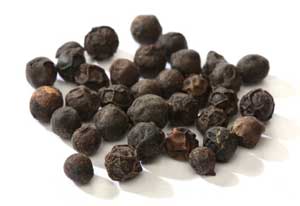
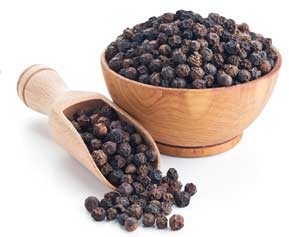
Black pepper is the dried, unripe berries (peppercorns) from the flowering vine Piper nigrum, prized globally as a pungent spice, made by harvesting green berries and sun-drying them until they shrivel and turn black, developing their distinctive flavour.
It's a versatile seasoning, used whole or ground, providing heat and aromatic depth to dishes, and comes from the same plant as white pepper (ripe seeds) and green pepper (unripe, dried differently).
History and Origin
Black pepper (Piper nigrum) originated on India's Malabar Coast (Kerala) over 4,000 years ago, becoming a prized spice traded globally via ancient routes like the Silk Road, earning the nickname "black gold" and fuelling exploration for direct access, driving trade wars, and shaping global cuisine from its early use in Indian cooking to becoming a universal seasoning and even a ransom demand.
- • Tellicherry (India)
- • Lampong (Indonesia)
- • Malabar (India)
- • Sarawak (Malaysia)
- • Kampot (Cambodia)
- • Vietnamese (Saigon)
- • Brazilian
Types of black pepper are primarily distinguished by their geographic origin, each offering unique flavour profiles, with popular varieties including Tellicherry (India, complex & bold), Lampong (Indonesia, earthy & hot), Malabar (India, robust & fruity), Sarawak (Malaysia, mild & fruity), and Kampot (Cambodia, floral/resinous).
While all are from the Piper nigrum vine, differences in climate, soil, and harvesting create these distinct culinary gems, with some like Szechuan or Pink Peppercorns being different plants altogether.
Key Black Pepper Varieties
- Tellicherry (India): Often considered a premium grade, these are larger, flavourful peppercorns with deep, complex aromas and bright notes.
- Lampong (Indonesia): Smaller, with strong, earthy, and citrusy notes, delivering intense heat.
- Malabar (India): A classic Indian pepper, robust with sweet, fruity, and bright citrus undertones.
- Sarawak (Malaysia): Milder and fruitier than some, with earthy characteristics.
- Kampot (Cambodia): Known for its distinct floral, eucalyptus, or menthol-like aroma and complex flavour.
- Vietnamese (Saigon): Known for its high piperine content, offering bold, pungent heat, sometimes with citrus hints.
- Brazilian: A common, versatile black pepper.
Other Related Peppers & Spices
- Green Peppercorns: Unripe berries, often brined, offering fresh, milder flavour.
- White Peppercorns: Ripe berries with the husk removed, providing a different, less complex heat.
- Pink Peppercorns: Not true pepper; berries from the Brazilian pepper tree, with sweet, fruity notes.
- Szechuan Peppercorns: From the prickly ash tree, offering a citrusy, numbing sensation, not true pepper.
How They Differ
- The taste differences come from the Piper nigrum plant's response to specific growing conditions (soil, climate) in different regions, with variations in size, aroma, and heat intensity.
Spices ” Black Pepper ” ( Nutritional value )
Nutritional value per 2.3 g – 1 Teaspoon ground
Spices, pepper, black
|
Nutrient ( Proximate’s )
|
Unit
|
Value
|
Daily Value %
|
|
Energy
|
kcal
|
6
|
0.3%
|
|
Protein
|
g
|
0.24
|
0.4%
|
|
Total lipid (fat)
|
g
|
0.07
|
.008%
|
|
Carbohydrate, by difference
|
g
|
1.47
|
0.5%
|
|
Fiber, total dietary
|
g
|
0.6
|
2.1%
|
|
Sugars, total
|
g
|
0.01
|
|
|
Minerals
|
|||
|
Calcium, Ca
|
mg
|
10
|
0.7%
|
|
Iron, Fe
|
mg
|
0.22
|
1.2%
|
|
Magnesium, Mg
|
mg
|
4
|
0.9%
|
|
Phosphorus, P
|
mg
|
4
|
0.3%
|
|
Potassium, K
|
mg
|
31
|
0.6%
|
|
Sodium, Na
|
mg
|
0
|
|
|
Zinc, Zn
|
mg
|
0.03
|
0.2%
|
|
Copper, Cu
|
mg
|
0.031
|
3.4%
|
|
Manganese, Mn
|
mg
|
0.293
|
12.7%
|
|
Selenium, Se
|
mcg
|
0.1
|
0.1%
|
|
Vitamins
|
|||
|
Vitamin C, total ascorbic acid
|
mg
|
0.0
|
|
|
Thiamin (B-1)
|
mg
|
0.002
|
0.1%
|
|
Riboflavin (B-2)
|
mg
|
0.004
|
0.3%
|
|
Niacin (B-3)
|
mg
|
0.026
|
0.1%
|
|
Pantothenic acid (B-5)
|
mg
|
0.032
|
0.6%
|
|
Vitamin (B-6)
|
mg
|
0.007
|
0.4%
|
|
Folate (B-9)
|
mcg
|
0
|
|
|
Vitamin (B-12)
|
mcg
|
0.00
|
|
|
Vitamin A, RAE
|
mcg
|
||
|
Vitamin E (alpha-tocopherol)
|
mg
|
0.02
|
0.1%
|
|
Vitamin D (D2 + D3)
|
mcg
|
||
|
Vitamin K (phylloquinone)
|
mcg
|
3.8
|
3.1%
|
|
Lipids
|
|||
|
Saturated Fatty Acids
|
g
|
0.032
|
0.1%
|
|
Monounsaturated Fatty Acids
|
g
|
0.017
|
|
|
Polyunsaturated Fatty Acids
|
g
|
0.023
|
|
|
Trans Fatty Acids
|
g
|
0.000
|
|
|
Carotenoids
|
|||
|
Beta-Carotene
|
mcg
|
7
|
|
|
Beta-Cryptoxanthin
|
mcg
|
1
|
|
|
Lutein + zeaxanthin
|
mcg
|
10
|
|
Reference Values are based on a 2,000 Calorie Intake, for Adults and Children 4 or More Years of Age. Your daily values may be higher or lower depending on your calorie needs.
Percentages are roughly approximated using (RDA) Recommended Dietary Allowances for adults. Source: USDA United States Department of Agriculture.
Reference Values for Nutrition – FDA U.S. Food and Drug Administration.
Black Pepper Nutritional Value
Black pepper, thanks to its compound piperine, offers benefits like powerful antioxidant and anti-inflammatory effects, fighting cell damage, and potentially reducing risks of chronic diseases.
It significantly boosts nutrient absorption, especially with turmeric, aids digestion, supports brain health, helps regulate blood sugar, and may even have anti-cancer and heart-protective properties, all while providing essential minerals like manganese and Vitamin K.
RICH IN ANTIOXIDANTS
Black pepper is rich in antioxidants, primarily due to its active compound, piperine, which helps fight damaging free radicals in the body, potentially reducing risks of chronic illnesses like heart disease and cancer, supporting digestion, boosting nutrient absorption, and offering anti-inflammatory effects.REDUCES INFLAMMATION
Black pepper has anti-inflammatory properties, primarily due to a compound called piperine. This compound has antioxidant and anti-inflammatory effects that can help protect cells from damage and may help reduce inflammation associated with chronic conditions like arthritis.SUPPORTS HEART HEALTH
Black pepper, primarily through its compound piperine, supports heart health by acting as an antioxidant, reducing inflammation, improving cholesterol (raising "good" HDL, lowering "bad" LDL), lowering blood pressure, and enhancing blood flow, potentially preventing plaque build-up (atherosclerosis) and improving nutrient absorption, but those with existing conditions should consult a doctor.IMPROVES DIGESTION
Black pepper significantly improves digestion by stimulating digestive enzymes, reducing gas, promoting healthy gut bacteria, and enhancing nutrient absorption, thanks to its active compound, piperine, which boosts stomach acid and intestinal function, helping break down food efficiently. While great in cooking, high-dose supplements need caution as piperine can affect medication absorption.COMBINE WITH TURMERIC
Combining turmeric with black pepper dramatically boosts health benefits because black pepper's piperine increases turmeric's active compound, curcumin, absorption by up to 2,000%, making it far more effective for fighting inflammation, supporting brain/heart health, improving digestion, and enhancing antioxidant power, with simple additions to meals or teas.
SUPPORTS BRAIN FUNCTION
Piperine has shown promise in supporting brain function and potentially helping to prevent cognitive decline. It may also enhance the production of chemicals that help regulate mood and cognitive processes.MANAGES BLOOD SUGAR
Black pepper, specifically its compound piperine, shows promise in managing blood sugar by potentially improving insulin sensitivity, enhancing glucose uptake by cells, and reducing inflammation, though most research is on animals or test tubes, requiring more human studies. While adding black pepper to meals is generally safe and can aid health, it's not a substitute for medical treatments, and you should consult your doctor, especially if on diabetes medications, as it might interact.ENHANCES NUTRIENT ABSORPTION
Black pepper, specifically its compound piperine, significantly enhances nutrient absorption (bioavailability) by stimulating digestive enzymes, increasing gut cell absorption, and boosting the uptake of nutrients like curcumin (turmeric), beta-carotene, selenium, and minerals like iron, making your body utilize them much better, with a famous example showing it boosts curcumin absorption by 2,000%.PROVIDES VITAMINS AND MINERALS
Black pepper provides essential vitamins and minerals like manganese, vitamin K, iron, calcium, potassium, and zinc, while its compound piperine significantly boosts the body's absorption of other nutrients, making it a powerful, low-calorie spice for overall health and better nutrient utilization.USE FRESHLY GROUND
Using freshly ground black pepper is better because its active compound, piperine, degrades when exposed to air, preserving its power to boost nutrient absorption (especially turmeric's curcumin by 2000%), aid digestion by stimulating stomach acid, fight inflammation, provide antioxidants, and support metabolism, making it a flavourful addition to meals for overall health.
References
Nutrient Database – USDA (United States Department of Agriculture)
Reference Values for Nutrition – FDA U.S. Food and Drug Administration
Rich in antioxidants - Black pepper is rich in antioxidants, primarily due to its active compound, piperine, which helps fight damaging free radicals in the body, potentially reducing risks of chronic illnesses like heart disease and cancer, supporting digestion, boosting nutrient absorption, and offering anti-inflammatory effects, according to numerous studies on its bioactive compounds.
Reduces inflammation - Black pepper has anti-inflammatory properties, primarily due to a compound called piperine. This compound has antioxidant and anti-inflammatory effects that can help protect cells from damage and may help reduce inflammation associated with chronic conditions like arthritis.
Enhances nutrient absorption - Black pepper, specifically its compound piperine, significantly enhances nutrient absorption (bioavailability) by stimulating digestive enzymes, increasing gut cell absorption, and boosting the uptake of nutrients like curcumin (turmeric), beta-carotene, selenium, and minerals like iron, making your body utilize them much better, with a famous example showing it boosts curcumin absorption by 2,000%.
Improves digestion - Black pepper significantly improves digestion by stimulating digestive enzymes, reducing gas, promoting healthy gut bacteria, and enhancing nutrient absorption, thanks to its active compound, piperine, which boosts stomach acid and intestinal function, helping break down food efficiently. While great in cooking, high-dose supplements need caution as piperine can affect medication absorption.
Supports brain function - Recent research suggests that black pepper may have neuroprotective properties. Piperine has shown promise in supporting brain function and potentially helping to prevent cognitive decline. It may also enhance the production of chemicals that help regulate mood and cognitive processes.
Manages blood sugar - Black pepper, specifically its compound piperine, shows promise in managing blood sugar by potentially improving insulin sensitivity, enhancing glucose uptake by cells, and reducing inflammation, though most research is on animals or test tubes, requiring more human studies; it's often combined with turmeric for better absorption and effect. While adding black pepper to meals is generally safe and can aid health, it's not a substitute for medical treatments, and you should consult your doctor, especially if on diabetes medications, as it might interact.
Supports heart health - Black pepper, primarily through its compound piperine, supports heart health by acting as an antioxidant, reducing inflammation, improving cholesterol (raising "good" HDL, lowering "bad" LDL), lowering blood pressure, and enhancing blood flow, potentially preventing plaque build-up (atherosclerosis) and improving nutrient absorption, but more human studies are needed, and those with existing conditions should consult a doctor.
Provides vitamins & minerals - Black pepper provides essential vitamins and minerals like manganese, vitamin K, iron, calcium, potassium, and zinc, while its compound piperine significantly boosts the body's absorption of other nutrients, making it a powerful, low-calorie spice for overall health and better nutrient utilization.
Use freshly ground - Using freshly ground black pepper is better because its active compound, piperine, degrades when exposed to air, preserving its power to boost nutrient absorption (especially turmeric's curcumin by 2000%), aid digestion by stimulating stomach acid, fight inflammation, provide antioxidants, and support metabolism, making it a flavourful addition to meals for overall health.
Combine with turmeric - Combining turmeric with black pepper dramatically boosts health benefits because black pepper's piperine increases turmeric's active compound, curcumin, absorption by up to 2,000%, making it far more effective for fighting inflammation, supporting brain/heart health, improving digestion, and enhancing antioxidant power, with simple additions to meals or teas.