






1. Cayenne Pepper Facts
2. Types of Cayenne Pepper
3. Cayenne Pepper Nutritional Value
4. Cayenne Pepper Health Benefits
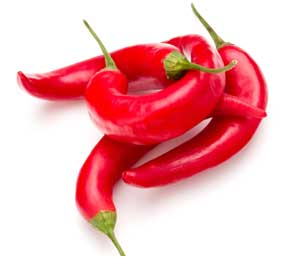
Cayenne pepper is a hot, red chili pepper from the Capsicum annuum family, known for its vibrant colour, fiery heat (due to capsaicin), and smoky flavour, used globally in cooking and traditional medicine to add spice to dishes and potentially boost metabolism or digestion.
It's dried and ground into a powder or used fresh, and while often a blend of chilies, it provides a consistent spicy kick to soups, sauces, marinades, and even drinks.
History and Origin
Cayenne pepper originated in Central and South America, cultivated for millennia by Native Americans for food and medicine, and named after the Cayenne region of French Guiana by European explorers like Columbus who spread it globally in the 15th century.
Now a staple worldwide, this pungent spice comes from dried, ground Capsicum annuum fruits, prized for its heat from capsaicin in cuisines from Cajun to Indian, and traditional medicine.
- • Red Ember
- • Ring of Fire
- • Joe's Long
- • Large Red Thick/Long Thick Red
- • Carolina Cayenne
- • Golden Cayenne
- • Buist's Yellow
- • Cayenne Sweet
- • Green Cayenne
Cayenne peppers are a diverse family of Capsicum annuum peppers, varying in colour (red, yellow, green), size (thin, thick, long), heat, and maturity, with popular cultivars like Ring of Fire, Carolina Cayenne, Joe's Long, and even milder versions like Cayenne Sweet.
While most are known for fiery heat (30,000-50,000 SHU for green, hotter when red), different strains offer unique flavours and textures, from the thick-walled Large Red Thick to the early-maturing Red Ember.
Common Cayenne Varieties and Types
- Red Ember: An early-maturing, sweet, and moderately spicy choice.
- Ring of Fire: Known for its strong, fiery heat.
- Joe's Long: A long, thin, and intensely hot variety.
- Large Red Thick/Long Thick Red: Features thicker pods, offering more flesh.
- Carolina Cayenne: A popular, hot garden variety.
- Golden Cayenne: A yellow-coloured type, common in the 19th century.
- Buist's Yellow: Another yellow-hued, older cultivar.
- Cayenne Sweet: A mild variant for those who prefer less heat.
- Green Cayenne: Immature red peppers, slightly milder and harvested earlier.
Key Characteristics
- Heat: Ranges from mild (Cayenne Sweet) to super-hot (some hybrids).
- Maturity: Peppers start green and turn red (or yellow/other colours), with red generally being hotter.
- Form: Can be thin and slender or thick and substantial.
Spices ” Cayenne Pepper ” ( Nutritional value )
Nutritional value per 5.3 g – 1 Tablespoon
Spices, pepper, red or cayenne
|
Nutrient ( Proximate’s )
|
Unit
|
Value
|
Daily Value %
|
|
Energy
|
kcal
|
17
|
0.8%
|
|
Protein
|
g
|
0.64
|
1.2%
|
|
Total lipid (fat)
|
g
|
0.92
|
1.1%
|
|
Carbohydrate, by difference
|
g
|
3.00
|
1%
|
|
Fiber, total dietary
|
g
|
1.4
|
5%
|
|
Sugars, total
|
g
|
0.55
|
|
|
Minerals
|
|||
|
Calcium, Ca
|
mg
|
8
|
0.6%
|
|
Iron, Fe
|
mg
|
0.41
|
2.2%
|
|
Magnesium, Mg
|
mg
|
8
|
1.9%
|
|
Phosphorus, P
|
mg
|
16
|
1.2%
|
|
Potassium, K
|
mg
|
107
|
.002%
|
|
Sodium, Na
|
mg
|
2
|
.008%
|
|
Zinc, Zn
|
mg
|
0.13
|
1.1%
|
|
Copper, Cu
|
mg
|
0.020
|
2.2%
|
|
Manganese, Mn
|
mg
|
0.106
|
4.6%
|
|
Selenium, Se
|
mcg
|
0.5
|
0.9%
|
|
Vitamins
|
|||
|
Vitamin C, total ascorbic acid
|
mg
|
4.0
|
4.4%
|
|
Thiamin (B-1)
|
mg
|
0.017
|
1.4%
|
|
Riboflavin (B-2)
|
mg
|
0.049
|
3.7%
|
|
Niacin (B-3)
|
mg
|
0.461
|
2.8%
|
|
Vitamin (B-6)
|
mg
|
0.130
|
7.6%
|
|
Folate (B-9)
|
mcg
|
6
|
1.5%
|
|
Choline, total
|
mg
|
2.7
|
0.4% |
|
Vitamin (B-12)
|
mcg
|
0.00
|
|
|
Vitamin A, RAE
|
mcg
|
||
|
Vitamin D (D2 + D3)
|
mcg
|
0
|
|
|
Vitamin E (alpha-tocopherol)
|
mg
|
1.58
|
10.5%
|
|
Vitamin K (phylloquinone)
|
mcg
|
4.3
|
3.5%
|
|
Carotenoids
|
|||
|
Beta-Carotene
|
mcg
|
1158
|
|
|
Beta-Cryptoxanthin
|
mcg
|
331
|
|
|
Lutein + zeaxanthin
|
mcg
|
697
|
|
|
Lipids
|
|||
|
Saturated Fatty Acids
|
g
|
0.173
|
0.8%
|
|
Monounsaturated Fatty Acids
|
g
|
0.146
|
|
|
Polyunsaturated Fatty Acids
|
g
|
0.444
|
|
|
Cholesterol
|
mg
|
0
|
|

Reference Values are based on a 2,000 Calorie Intake, for Adults and Children 4 or More Years of Age. Your daily values may be higher or lower depending on your calorie needs.
Percentages are roughly approximated using (RDA) Recommended Dietary Allowances for adults. Source: USDA United States Department of Agriculture.
Reference Values for Nutrition – FDA U.S. Food and Drug Administration.
Cayenne Pepper Nutritional Value
Cayenne pepper may offer health benefits, including aiding digestion, boosting metabolism, supporting cardiovascular health by improving circulation and blood pressure, and reducing inflammation. Its main active compound, capsaicin, is responsible for many of these effects and also provides pain relief.
DIGESTIVE HEALTH
Cayenne pepper, thanks to its active compound capsaicin, positively impacts digestive health by boosting saliva, digestive juices, and enzymes, aiding metabolism and nutrient absorption, and even stimulating protective mucus in the stomach, which may help prevent ulcers. While it seems counterintuitive for a spicy food, it can stimulate gastric flow and potentially reduce inflammation, though excessive amounts can cause cramps or heartburn.ANTIOXIDANT PROPERTIES
Cayenne pepper boasts strong antioxidant properties due to beneficial plant compounds like capsaicin, carotenoids, and flavonoids, which combat damaging free radicals and oxidative stress, protecting cells and potentially lowering risks for heart disease and cancers. It's also a rich source of vitamins (A, C, B6, K) and minerals (potassium, magnesium) that further support overall health, immunity, and metabolism.CARDIOVASCULAR HEALTH
Cayenne pepper, rich in capsaicin, shows promise for cardiovascular health by potentially improving blood vessel function, reducing inflammation and blood pressure, and lowering heart disease risk, with studies linking regular intake to lower cardiovascular mortality. It helps circulation by dilating vessels and may reduce salt intake, but high doses in supplements have been linked to adverse effects like heart palpitations, so moderation and medical consultation are key.
IMMUNE SUPPORT
Cayenne pepper supports the immune system by delivering Vitamin A, C, and antioxidants, strengthening defences, fighting infection, and reducing inflammation, while also boosting gut health and circulation which are key to overall immunity, often used for cold relief by clearing congestion and soothing throat symptoms. Its active compound, capsaicin, helps break down mucus and may even have antibacterial effects, but use small amounts like 1/4 to 1/2 teaspoon daily in food or tea to avoid stomach irritation.CONGESTION RELIEF
Cayenne pepper's active compound, capsaicin, helps relieve congestion by thinning mucus, shrinking swollen nasal vessels, and increasing blood flow, offering relief for stuffy noses, sinus pressure, and postnasal drip, often by stimulating secretions or being used in hot teas, sprays, or remedies with honey/vinegar to clear passages.PAIN RELIEF AND INFLAMMATION
Cayenne pepper's active compound, capsaicin, provides pain relief and reduces inflammation by desensitizing nerve endings (blocking pain signals) and decreasing Substance P, a pain transmitter, especially in topical creams for conditions like arthritis, though it can cause a burning sensation. While topical use is well-studied, dietary cayenne also shows anti-inflammatory effects and potential heart health benefits, but discuss oral supplements with a doctor due to potential GI issues and bleeding risks.
References
Nutrient Database – USDA (United States Department of Agriculture)
Reference Values for Nutrition – FDA U.S. Food and Drug Administration
Positively impacts digestive health - Cayenne pepper, thanks to its active compound capsaicin, positively impacts digestive health by boosting saliva, digestive juices, and enzymes, aiding metabolism and nutrient absorption, and even stimulating protective mucus in the stomach, which may help prevent ulcers. While it seems counterintuitive for a spicy food, it can stimulate gastric flow and potentially reduce inflammation, though excessive amounts can cause cramps or heartburn, and more research is needed on ideal dosages for specific benefits.
Cardiovascular health - Cayenne pepper, rich in capsaicin, shows promise for cardiovascular health by potentially improving blood vessel function, reducing inflammation and blood pressure, and lowering heart disease risk, with studies linking regular intake to lower cardiovascular mortality. It helps circulation by dilating vessels and may reduce salt intake, but high doses in supplements have been linked to adverse effects like heart palpitations, so moderation and medical consultation are key.
Pain relief and inflammation - Cayenne pepper's active compound, capsaicin, provides pain relief and reduces inflammation by desensitizing nerve endings (blocking pain signals) and decreasing Substance P, a pain transmitter, especially in topical creams for conditions like arthritis, though it can cause a burning sensation. While topical use is well-studied, dietary cayenne also shows anti-inflammatory effects and potential heart health benefits, but discuss oral supplements with a doctor due to potential GI issues and bleeding risks.
Immune support - Cayenne pepper supports the immune system by delivering Vitamin A, C, and antioxidants, strengthening defences, fighting infection, and reducing inflammation, while also boosting gut health and circulation which are key to overall immunity, often used for cold relief by clearing congestion and soothing throat symptoms. Its active compound, capsaicin, helps break down mucus and may even have antibacterial effects, but use small amounts like 1/4 to 1/2 teaspoon daily in food or tea to avoid stomach irritation.
Antioxidant properties - Cayenne pepper boasts strong antioxidant properties due to beneficial plant compounds like capsaicin, carotenoids, and flavonoids, which combat damaging free radicals and oxidative stress, protecting cells and potentially lowering risks for heart disease and cancers. It's also a rich source of vitamins (A, C, B6, K) and minerals (potassium, magnesium) that further support overall health, immunity, and metabolism.
Congestion relief - Cayenne pepper's active compound, capsaicin, helps relieve congestion by thinning mucus, shrinking swollen nasal vessels, and increasing blood flow, offering relief for stuffy noses, sinus pressure, and postnasal drip, often by stimulating secretions or being used in hot teas, sprays, or remedies with honey/vinegar to clear passages.