




1. Coriander Facts
2. Types of Coriander
3. Coriander Nutritional Value
4. Coriander Health Benefits
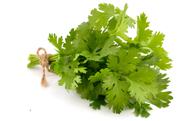
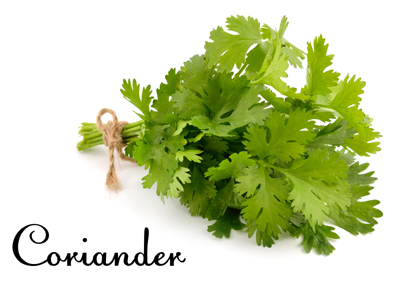
Coriander is a versatile herb and spice from the Coriandrum sativum plant, known as cilantro (leaves/stems) in North America and coriander (leaves/seeds) in many other places; the fresh leaves offer a citrusy flavour for garnishing, while the dried seeds provide a warm, spicy, floral taste used in cuisines globally.
History and Origin
Coriander (Coriandrum sativum) originated in the Mediterranean and Middle Eastern regions, with archaeological evidence suggesting use as far back as 5000 BC in Egypt, where it was found in Tutankhamun's tomb and called the "spice of happiness".
Ancient Greeks and Romans cultivated it for cooking and medicine, introducing it to Britain; it spread globally, becoming integral to Indian, Latin American, and Chinese cuisines, used for both its leaves (cilantro) and seeds, with its name derived from the Greek "koris" (stink bug) due to its strong aroma.
Coriander refers to the plant Coriandrum sativum, but "types" often means different cultivars (like 'Confetti' for mildness, 'Dwarf Lemon' for citrus notes) or distinct species like Vietnamese Coriander (Persicaria odorata) and Mexican Coriander (Eryngium foetidum), which offer unique flavours and textures, while the herb is called cilantro in North America, and its seeds are just coriander, used as a spice.
Key types include leaf (cilantro), seed (coriander spice), slow-bolt varieties, and related plants like Culantro.
Cultivars of Coriandrum sativum (Cilantro/Coriander)
- Caribe: High leaf yield with good growth.
- Confetti: Finely cut, dill-like leaves with a sweeter flavour.
- Dwarf Lemon: Compact, lemony aroma.
- Marino: Strong leaf growth and spicy flavour.
- Slow-Bolt/No-Bolt: Varieties bred to delay flowering, extending the leaf harvest.
Related and Alternative Herbs
- Culantro (Eryngium foetidum): Also called Mexican Coriander or long coriander; has strong, serrated leaves and a potent aroma, often used in cooking rather than fresh garnish.
- Vietnamese Coriander (Persicaria odorata): A perennial with a similar taste but peppery, not true coriander; distinct plant family.
Related and Alternative Herbs
- Moroccan: Smaller seeds, mild, warm, citrusy.
- Indian: Larger seeds, stronger aroma, slightly sweeter.
- Seed Types: Marketed by appearance like 'Badami', 'Eagle', 'Scooter', often categorized by quality for grinding.
Key Distinction: Leaves vs. Seeds
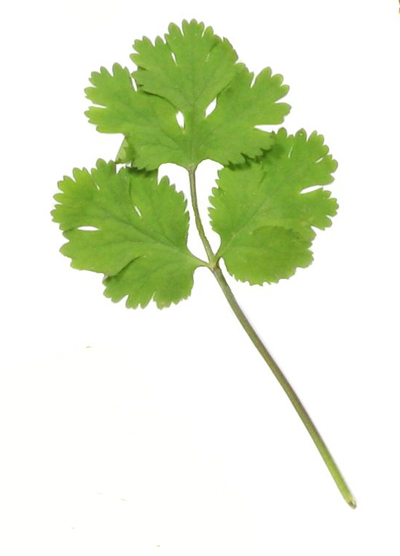
- Cilantro: The fresh leaves and stems of Coriandrum sativum (North America).
- Coriander: The dried seeds of Coriandrum sativum (International) or the whole plant/leaves (UK/Australia).
Herbs ” Coriander ” ( Nutritional value )
Nutritional Value per 1.8 g – 1 Tablespoon
Coriander leaf, dried
|
Nutrient ( Proximate’s )
|
Unit
|
Value
|
Daily Value %
|
|
Energy
|
kcal
|
5.02
|
0.2%
|
|
Protein
|
g
|
0.394
|
0.7%
|
|
Total lipid (fat)
|
g
|
0.086
|
0.1%
|
|
Carbohydrate, by difference
|
g
|
0.938
|
0.3%
|
|
Fiber, total dietary
|
g
|
0.187
|
0.6%
|
|
Total Sugars
|
g
|
0.13
|
|
|
Minerals
|
|||
|
Calcium, Ca
|
mg
|
22.5
|
1.7%
|
|
Iron, Fe
|
mg
|
0.65
|
3.6%
|
|
Magnesium, Mg
|
mg
|
12.5
|
2.9%
|
|
Phosphorus, P
|
mg
|
8.66
|
0.6%
|
|
Potassium, K
|
mg
|
80.5
|
1.7%
|
|
Sodium, Na
|
mg
|
3.8
|
0.1%
|
|
Zinc, Zn
|
mg
|
0.085
|
0.7%
|
|
Copper, Cu
|
mg
|
0.032
|
3.5%
|
|
Manganese, Mn
|
mg
|
0.114
|
4.9%
|
|
Selenium, Se
|
mcg
|
0.527
|
0.9%
|
|
Vitamins
|
|||
|
Vitamin C, total ascorbic acid
|
mg
|
10.2
|
11.3%
|
|
Thiamin (B-1)
|
mg
|
0.022
|
1.8%
|
|
Riboflavin (B-2)
|
mg
|
0.027
|
2%
|
|
Niacin (B-3)
|
mg
|
0.193
|
1.2%
|
|
Vitamin (B-6)
|
mg
|
0.011
|
0.6%
|
|
Folate (B-9)
|
mcg
|
4.93
|
1.2%
|
|
Vitamin (B-12)
|
mcg
|
0.00
|
|
|
Vitamin A, RAE
|
mcg
|
5.27
|
0.5% |
|
Vitamin E (alpha-tocopherol)
|
mg
|
0.019
|
0.1%
|
|
Vitamin D (D2 + D3)
|
mcg
|
0
|
|
|
Vitamin K (phylloquinone)
|
mcg
|
24.5
|
20.4%
|
|
Lipids
|
|||
|
Saturated Fatty Acids
|
g
|
0.002
|
0.01%
|
|
Monounsaturated Fatty Acids
|
g
|
0.040
|
|
|
Polyunsaturated Fatty Acids
|
g
|
0.006
|
|
|
Trans Fatty Acids
|
g
|
0.000
|
|
|
Cholesterol
|
mg
|
0
|
|
|
Carotenoids
|
|||
|
Beta-Carotene
|
mcg
|
61
|
|
|
Alpha-Carotene
|
mcg
|
1
|
|
|
Beta-Cryptoxanthin
|
mcg
|
3
|
|
|
Lutein + Zeaxanthin
|
mcg
|
44
|
|
Reference Values are based on a 2,000 Calorie Intake, for Adults and Children 4 or More Years of Age. Your daily values may be higher or lower depending on your calorie needs.
Percentages are roughly approximated using (RDA) Recommended Dietary Allowances for adults. Source: USDA United States Department of Agriculture.
Reference Values for Nutrition – FDA U.S. Food and Drug Administration
Coriander Nutritional Value
Coriander (leaves/cilantro and seeds) is packed with antioxidants, vitamins (C, K, A), and minerals, offering benefits like aiding digestion (reducing gas/bloating), controlling blood sugar, lowering bad cholesterol for heart health, fighting infections with antimicrobial properties, reducing inflammation, and supporting brain/skin health due to its essential oils (linalool) and compounds.
Coriander was traditionally used for anxiety, insomnia, and detox, coriander helps calm the nervous system and flush toxins, promoting overall well-being.
SUPPORTS HEART HEALTH
Coriander supports heart health by acting as a natural diuretic to lower blood pressure, reducing "bad" LDL cholesterol, and boosting antioxidants that fight inflammation, all while helping to lower overall sodium intake when used as a salt substitute. Research suggests it can improve lipid profiles and reduce risk factors for cardiovascular disease, but high-quality human evidence is still limited, so consult a doctor if you have heart conditions or take related medications.BLOOD SUGAR CONTROL
Coriander (seeds and leaves/cilantro) shows potential for blood sugar control by boosting insulin release, increasing glucose uptake by cells, and activating enzymes that remove sugar from the blood, making it a promising traditional remedy for diabetes, but caution is advised for those on diabetes medication due to its strong blood-sugar-lowering effects, with research supporting its anti-diabetic properties.SIGNIFICANT ANTIBACTERIAL AND ANTIFUNGAL PROPERTIES
Numerous scientific studies have confirmed that coriander essential oil possesses significant antibacterial and antifungal properties. These properties are attributed to the various bioactive components found within the plant, such as linalool and decenal.PACKED WITH ANTIOXIDANTS
Coriander is packed with antioxidants like quercetin, terpinene, and tocopherols, which combat cell-damaging free radicals, reduce inflammation, support immune health, and may offer anticancer, neuroprotective, and heart health benefits, acting as a powerful natural agent against oxidative stress and chronic diseases. Its essential oils, especially linalool, also contribute to its antimicrobial and antioxidant power.SIGNIFICANT ANTI-INFLAMMATORY PROPERTIES
Coriander (cilantro) has significant anti-inflammatory properties due to antioxidants like linalool, quercetin, and terpinene, which help reduce inflammation linked to chronic diseases, soothe skin issues like rashes, support immune function, and manage conditions like arthritis by lowering inflammatory markers (cytokines) and providing antioxidant protection.
SUPPORTS BRAIN HEALTH
Coriander (cilantro leaves & seeds) reduces inflammation, fighting oxidative stress, and potentially improving memory and anxiety, thanks to antioxidants like linalool, with studies showing protective effects against nerve damage and aiding in conditions like Alzheimer's and Parkinson's, though more human trials are needed for definitive proof. Its compounds interact with brain receptors (like GABA & serotonin), offering promise for neurological and psychiatric disorders, and even its scent can positively influence mood.DIGESTIVE AID
Coriander, especially the seeds, acts as a powerful digestive aid by stimulating enzymes, reducing gas/bloating (carminative effects), soothing gut muscles, easing IBS, and fighting foodborne pathogens like Salmonella. It's used in teas and spice blends (like garam masala) to promote gut comfort, balance microbiota, and relieve indigestion, acidity, and flatulence.SUPPORTS BONE HEALTH
Coriander supports bone health by providing key nutrients like Vitamin K, essential for bone repair and density, plus minerals such as calcium, magnesium, and phosphorus, which strengthen bones and help prevent osteoporosis. Its anti-inflammatory properties can also soothe arthritis-related bone pain, making it a valuable addition to a diet for strong bones and overall skeletal wellness.DETOXIFICATION
Coriander (Coriandrum sativum) is traditionally used for detoxification, particularly for heavy metals like lead, arsenic, and cadmium, acting as a natural chelating agent to help remove them from the body, especially from kidneys and liver, while boosting antioxidant defences against oxidative stress, supporting liver function, and promoting overall cleansing.VITAMINS AND MINERALS
Coriander (leaves/cilantro) is packed with vitamins A, C, and K, plus minerals like potassium, magnesium, calcium, and iron, essential for immunity, bones, and blood health, while coriander seeds offer fiber, manganese, iron, and magnesium, making both parts nutrient-dense additions to your diet for overall well-being.
References
Nutrient Database – USDA (United States Department of Agriculture)
Reference Values for Nutrition – FDA U.S. Food and Drug Administration
Digestive aid - Coriander, especially the seeds, acts as a powerful digestive aid by stimulating enzymes, reducing gas/bloating (carminative effects), soothing gut muscles, easing IBS, and fighting foodborne pathogens like Salmonella. It's used in teas and spice blends (like garam masala) to promote gut comfort, balance microbiota, and relieve indigestion, acidity, and flatulence.
Blood sugar control - Coriander (seeds and leaves/cilantro) shows potential for blood sugar control by boosting insulin release, increasing glucose uptake by cells, and activating enzymes that remove sugar from the blood, making it a promising traditional remedy for diabetes, but caution is advised for those on diabetes medication due to its strong blood-sugar-lowering effects, with research supporting its anti-diabetic properties.
Supports heart health - Coriander supports heart health by acting as a natural diuretic to lower blood pressure, reducing "bad" LDL cholesterol, and boosting antioxidants that fight inflammation, all while helping to lower overall sodium intake when used as a salt substitute. Research suggests it can improve lipid profiles and reduce risk factors for cardiovascular disease, but high-quality human evidence is still limited, so consult a doctor if you have heart conditions or take related medications.
Packed with antioxidants - Coriander is packed with antioxidants like quercetin, terpinene, and tocopherols, which combat cell-damaging free radicals, reduce inflammation, support immune health, and may offer anticancer, neuroprotective, and heart health benefits, acting as a powerful natural agent against oxidative stress and chronic diseases. Its essential oils, especially linalool, also contribute to its antimicrobial and antioxidant power.
Significant anti-inflammatory properties - Coriander (cilantro) has significant anti-inflammatory properties due to antioxidants like linalool, quercetin, and terpinene, which help reduce inflammation linked to chronic diseases, soothe skin issues like rashes, support immune function, and manage conditions like arthritis by lowering inflammatory markers (cytokines) and providing antioxidant protection.
Significant antibacterial and antifungal properties - Numerous scientific studies have confirmed that coriander essential oil possesses significant antibacterial and antifungal properties. These properties are attributed to the various bioactive components found within the plant, such as linalool and decenal.
Supports brain health - Coriander (cilantro leaves & seeds) supports brain health by reducing inflammation, fighting oxidative stress, and potentially improving memory and anxiety, thanks to antioxidants like linalool, with studies showing protective effects against nerve damage and aiding in conditions like Alzheimer's and Parkinson's, though more human trials are needed for definitive proof. Its compounds interact with brain receptors (like GABA & serotonin), offering promise for neurological and psychiatric disorders, and even its scent can positively influence mood.
Supports bone health - Coriander supports bone health by providing key nutrients like Vitamin K, essential for bone repair and density, plus minerals such as calcium, magnesium, and phosphorus, which strengthen bones and help prevent osteoporosis. Its anti-inflammatory properties can also soothe arthritis-related bone pain, making it a valuable addition to a diet for strong bones and overall skeletal wellness.
Detoxification - Coriander (Coriandrum sativum) is traditionally used for detoxification, particularly for heavy metals like lead, arsenic, and cadmium, acting as a natural chelating agent to help remove them from the body, especially from kidneys and liver, while boosting antioxidant defences against oxidative stress, supporting liver function, and promoting overall cleansing.
Vitamins and minerals - Coriander (leaves/cilantro) is packed with vitamins A, C, and K, plus minerals like potassium, magnesium, calcium, and iron, essential for immunity, bones, and blood health, while coriander seeds offer fiber, manganese, iron, and magnesium, making both parts nutrient-dense additions to your diet for overall well-being.