


1. Dill Facts
2. Types of Dill
3. Dill Nutritional Value
4. Dill Health Benefits
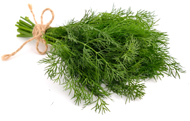
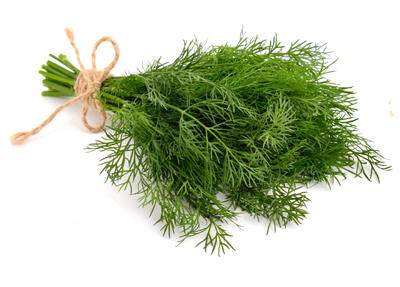
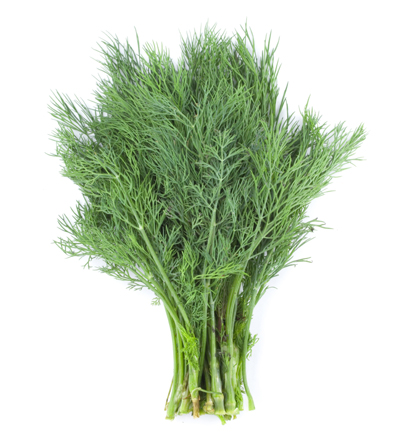
Dill are an aromatic, feathery-leaved annual herb from the parsley family, known for its distinct aniseed-like flavour, used widely in cooking (especially with fish, eggs, and pickles) and traditionally for digestive relief.
Both the delicate leaves (dill weed) and seeds are used as a herb or spice, adding a fresh, slightly tangy taste to dishes and even having potential mild diuretic or blood-sugar-lowering effects, though more human research is needed for the latter.
History and Origin
Dill (Anethum graveolens) originated in the Mediterranean, Western Asia, and Southern Russia, with ancient use documented in Egypt over 5,000 years ago as both medicine and food, spreading to Greece and Rome where it symbolized wealth and aided digestion.
Its name comes from Old Norse for "soothing," reflecting its historical digestive uses, and it was even chewed by early American colonists to stay awake in church, while today it's a globally cultivated herb, especially popular in Indian and Eastern European cuisine.
- • Mammoth / Common Dill
- • Fernleaf
- • Bouquet
- • Dukat
- • Superdukat
- • Green Sleeves
- • Ella / Monia
- • Hercules / Vierling
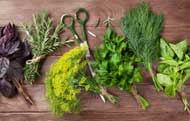
There are many types of dill, but they mostly fall into categories like Mammoth/Common Dill (tall, for seeds), Fernleaf (dwarf, fine leaves, great for containers), and Bouquet/Dukat (compact, good for leaves/pickling), all within the single species Anethum graveolens, with cultivars like 'Hercules', 'Superdukat', 'Green Sleeves', and 'Ella' offering specific traits for leaf production or slow bolting.
Popular Varieties
- Mammoth / Common Dill: Tall (up to 4-5 ft), versatile for leaves and seeds, often used for pickling.
- Fernleaf: A popular dwarf type, perfect for containers, producing fine, dark-green leaves and slow to flower.
- Bouquet: Bushy, with good leaf and seed yield, ideal for fresh use or pickling.
- Dukat: Compact with strong flavour, bright green, good for containers and salads.
- Superdukat: Similar to Dukat but with higher essential oil content.
- Green Sleeves: Excellent for fresh leaves and resistant to bolting (flowering).
- Ella / Monia: Short, dense varieties great for pots and baby leaf production.
- Hercules / Vierling: Varieties that bolt later, offering longer leaf harvests.
Key Differences
- Height & Space: Dwarf types ('Fernleaf', 'Dukat') suit containers, while tall types ('Mammoth') need more room.
- Leaf vs. Seed: Some are better for abundant leaves ('Delikat', 'Green Sleeves'), while others produce more seed ('Bouquet').
- Bolting: Slow-bolting varieties ('Vierling', 'Fernleaf') delay flowering for extended leaf harvest.
Dill Weed vs. Dill Seed
- Dill Weed: The fresh or dried leaves, sweet, grassy, with anise notes, used in salads, sauces, and fish dishes.
- Dill Seed: The dried fruit, more pungent and bitter, used in pickling, breads, and soups.
Herbs ” Dill " ( Nutritional value )
Nutritional Value per 3.1 g – 1 Tablespoon
Dill weed, dried
|
Nutrient ( Proximate’s )
|
Unit
|
Value
|
Daily Value %
|
|
Energy
|
kcal
|
7.84
|
0.3%
|
|
Protein
|
g
|
0.62
|
1.2%
|
|
Total lipid (fat)
|
g
|
0.35
|
0.4%
|
|
Carbohydrate, by difference
|
g
|
1.73
|
0.6%
|
|
Fiber, total dietary
|
g
|
0.422
|
1.5%
|
|
Total Sugars
|
g
|
||
|
Minerals
|
|||
|
Calcium, Ca
|
mg
|
55.2
|
4.2%
|
|
Iron, Fe
|
mg
|
1.51
|
8.3%
|
|
Magnesium, Mg
|
mg
|
14
|
3.3%
|
|
Phosphorus, P
|
mg
|
16.8
|
1.3%
|
|
Potassium, K
|
mg
|
103
|
2.1%
|
|
Sodium, Na
|
mg
|
6.45
|
0.2%
|
|
Zinc, Zn
|
mg
|
0.102
|
0.9%
|
|
Copper, Cu
|
mg
|
0.015
|
1.6%
|
|
Manganese, Mn
|
mg
|
0.122
|
5.3%
|
|
Vitamins
|
|||
|
Vitamin C, total ascorbic acid
|
mg
|
1.55
|
1.7%
|
|
Thiamin (B-1)
|
mg
|
0.013
|
1%
|
|
Riboflavin (B-2)
|
mg
|
0.009
|
0.6%
|
|
Niacin (B-3)
|
mg
|
0.087
|
0.5%
|
|
Vitamin (B-6)
|
mg
|
0.053
|
3.1%
|
|
Vitamin (B-12)
|
mcg
|
0.00
|
|
|
Vitamin A, RAE (retinol)
|
mcg
|
9.08
|
1%
|
|
Vitamin D (D2 + D3)
|
mcg
|
0
|
|
|
Lipids
|
|||
|
Saturated Fatty Acids
|
g
|
0.007
|
0.03%
|
|
Trans Fatty Acids
|
g
|
0.000
|
|
|
Cholesterol
|
mg
|
0
|
|
Reference Values are based on a 2,000 Calorie Intake, for Adults and Children 4 or More Years of Age. Your daily values may be higher or lower depending on your calorie needs.
Percentages are roughly approximated using (RDA) Recommended Dietary Allowances for adults. Source: Nutrient Database – USDA (United States Department of Agriculture).
Reference Values for Nutrition – FDA U.S. Food and Drug Administration.
Dill Nutritional Value
Dill is rich in antioxidants (primarily flavonoids and terpenoids), has antibacterial properties, can Improve heart Health, can help manage diabetes, can relieve menstrual cramps and improve bone health.
Dill may also have anticancer properties, according to preclinical studies, though current research in this area is mostly limited to cell cultures and animal models using concentrated extracts.
RICH IN ANTIOXIDANTS
Dill is rich in antioxidants, primarily flavonoids and terpenoids, which fight cell-damaging free radicals, reducing inflammation and potentially lowering risks for heart disease, stroke, and some cancers, while also providing vitamins (A, C) and minerals (manganese, iron) for overall wellness. Its compounds support digestion, immunity, and blood sugar balance, making it a nutrient-dense addition to your diet.IMPROVE HEART HEALTH
Dill can support heart health due to its antioxidants (flavonoids) and anti-inflammatory compounds, which help fight cellular damage, reduce inflammation, and potentially lower bad cholesterol (LDL) and triglycerides, though human study results on lipid profiles are mixed. By incorporating it regularly, perhaps with other heart-healthy foods, you add beneficial nutrients like Vitamin C, manganese, and fiber, contributing to overall cardiovascular wellness and potentially reducing risks of heart disease and stroke.HELP MANAGE DIABETES
Dill shows promise in helping manage diabetes by potentially lowering blood sugar, improving cholesterol, and reducing oxidative stress, thanks to compounds like flavonoids, but more human research is needed; it's rich in vitamins and minerals, making it a healthy addition to a balanced diet for flavour. Studies suggest dill powder can decrease insulin, total cholesterol, and LDL ("bad") cholesterol while boosting HDL ("good") cholesterol in Type 2 diabetics, acting as an antioxidant and supporting metabolic health.MAY HAVE ANTICANCER PROPERTIES
Dill may have anticancer properties, according to preclinical studies, though current research in this area is mostly limited to cell cultures and animal models using concentrated extracts. There is currently no research on the effectiveness of dietary dill consumption on the risk or treatment of cancer in humans.
SUPPORTS BONE HEALTH
Dill supports bone health by providing essential minerals like calcium, magnesium, and phosphorus, crucial for bone strength, while also containing vitamin C for bone formation and vitamin K for blood/bone health. Research also shows dill seed extracts may help slow osteoclast activity (bone breakdown), potentially benefiting conditions like osteoporosis, though more human studies are needed.MENSTRUAL CRAMPS
Dill, particularly dill seeds, shows promise for relieving menstrual cramps (dysmenorrhea) due to its antispasmodic properties, with studies suggesting it can be as effective as NSAIDs like mefenamic acid in reducing pain severity, potentially by relaxing uterine muscles. While research is limited, it's suggested that taking dill (around 1000mg for 5 days, starting before your period) can ease cramps, though consulting a healthcare provider for proper dosage and safety is recommended.SIGNIFICANT ANTIBACTERIAL PROPERTIES
Dill possesses significant antibacterial properties due to its essential oils, effectively inhibiting various Gram-positive and Gram-negative bacteria like Staphylococcus aureus, E. coli, and Klebsiella pneumoniae, showing potential for developing new antibacterial agents and preserving foods, though more research is needed for clinical applications. Key compounds like carvone, limonene, and furocoumarins contribute to this activity, disrupting bacterial growth.PACKED WITH NUTRIENTS
Dill, especially fresh, is low-calorie but packed with nutrients like Vitamin C, Vitamin A, Manganese, and Folate, along with minerals like Iron, Calcium, and Magnesium, offering antioxidant and immune support. A 100g serving of fresh dill has around 43 calories, minimal fat, some carbs, fiber, and protein, while dried dill is more concentrated, making even small amounts beneficial for adding flavour and micronutrients to dishes like salads, fish, and pickles.
References
Nutrient Database – USDA (United States Department of Agriculture)
Reference Values for Nutrition – FDA U.S. Food and Drug Administration
Rich in antioxidants - Dill is rich in antioxidants, primarily flavonoids and terpenoids, which fight cell-damaging free radicals, reducing inflammation and potentially lowering risks for heart disease, stroke, and some cancers, while also providing vitamins (A, C) and minerals (manganese, iron) for overall wellness. Its compounds support digestion, immunity, and blood sugar balance, making it a nutrient-dense addition to your diet.
Improve Heart Health - Dill can support heart health due to its antioxidants (flavonoids) and anti-inflammatory compounds, which help fight cellular damage, reduce inflammation, and potentially lower bad cholesterol (LDL) and triglycerides, though human study results on lipid profiles are mixed. By incorporating it regularly, perhaps with other heart-healthy foods, you add beneficial nutrients like Vitamin C, manganese, and fiber, contributing to overall cardiovascular wellness and potentially reducing risks of heart disease and stroke.
while boosting HDL ("good") cholesterol in Type 2 diabetics, acting as an antioxidant and supporting metabolic health.
Help manage diabetes - Dill shows promise in helping manage diabetes by potentially lowering blood sugar, improving cholesterol, and reducing oxidative stress, thanks to compounds like flavonoids, but more human research is needed; it's rich in vitamins and minerals, making it a healthy addition to a balanced diet for flavour. Studies suggest dill powder can decrease insulin, total cholesterol, and LDL ("bad") cholesterol while boosting HDL ("good") cholesterol in Type 2 diabetics, acting as an antioxidant and supporting metabolic health.
May have anticancer properties - Dill may have anticancer properties, according to preclinical studies, though current research in this area is mostly limited to cell cultures and animal models using concentrated extracts. There is currently no research on the effectiveness of dietary dill consumption on the risk or treatment of cancer in humans.
Supports bone health - Dill supports bone health by providing essential minerals like calcium, magnesium, and phosphorus, crucial for bone strength, while also containing vitamin C for bone formation and vitamin K for blood/bone health. Research also shows dill seed extracts may help slow osteoclast activity (bone breakdown), potentially benefiting conditions like osteoporosis, though more human studies are needed.
Menstrual cramps - Dill, particularly dill seeds, shows promise for relieving menstrual cramps (dysmenorrhea) due to its antispasmodic properties, with studies suggesting it can be as effective as NSAIDs like mefenamic acid in reducing pain severity, potentially by relaxing uterine muscles. While research is limited, it's suggested that taking dill (around 1000mg for 5 days, starting before your period) can ease cramps, though consulting a healthcare provider for proper dosage and safety is recommended.
Significant antibacterial properties - Dill possesses significant antibacterial properties due to its essential oils, effectively inhibiting various Gram-positive and Gram-negative bacteria like Staphylococcus aureus, E. coli, and Klebsiella pneumoniae, showing potential for developing new antibacterial agents and preserving foods, though more research is needed for clinical applications. Key compounds like carvone, limonene, and furocoumarins contribute to this activity, disrupting bacterial growth.
Packed with nutrients - Dill, especially fresh, is low-calorie but packed with nutrients like Vitamin C, Vitamin A, Manganese, and Folate, along with minerals like Iron, Calcium, and Magnesium, offering antioxidant and immune support. A 100g serving of fresh dill has around 43 calories, minimal fat, some carbs, fiber, and protein, while dried dill is more concentrated, making even small amounts beneficial for adding flavour and micronutrients to dishes like salads, fish, and pickles.