



1. Ginger Facts
2. Types of Ginger
3. Ginger Nutritional Value
4. Ginger Health Benefits
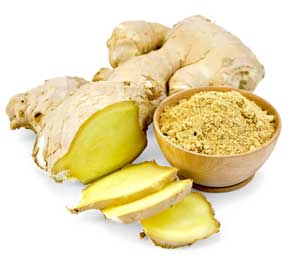
Ginger is a flowering plant (Zingiber officinale) from Southeast Asia, famous for its spicy, aromatic rhizome (underground stem) used globally as a spice in cooking and for its traditional medicinal properties.
Ginger is a versatile, pungent root used extensively in Asian cuisines (Chinese, Thai, Indian), savory stir-fries, curries, soups, marinades, and tea. It pairs well with seafood, chicken, and tofu, and is also popular in baking (cookies, cakes) and smoothies due to its warm, spicy, and peppery flavour.
History and Origin
Ginger (Zingiber officinale) originated in Southeast Asia, cultivated by Austronesian peoples who spread it across the Indo-Pacific.
Ginger became one of the first Asian spices traded to Europe via ancient spice routes, valued for medicine and flavouring, with its pungent aroma and taste coming from compounds like gingerols, leading to its global use in food, drinks (ginger ale), and festive treats like gingerbread.
- • Young Ginger (Baby Ginger)
- • Mature Ginger
- • Red Ginger
- • Elephant Ginger (Gajah)
- • Galangal (Thai Ginger)
- • Turmeric (Yellow Ginger)
- • Fingerroot (Krachai)
- • Mango Ginger (Curcuma amada)
- • Sand Ginger (Kaempferia galanga)
- • Shell Ginger (Alpinia zerumbet)
- • Torch Ginger (Etlingera elatior)
There are many types of ginger, broadly categorized into the common culinary ginger (Zingiber officinale) and other related species, each with unique flavours and uses, including Young Ginger (mild, juicy, for pickling), Galangal/Thai Ginger (piney, citrusy), Turmeric (earthy, vibrant yellow), Red Ginger (spicy, medicinal), and decorative types like Shell Ginger, all offering different aromatic and spicy profiles for cooking, remedies, and ornamentation.
Common Culinary Gingers (Zingiber officinale)
- Young Ginger (Baby Ginger): Tender, less fibrous, pink-tinged skin, milder, floral spice; excellent for sushi, pickling.
- Mature Ginger: The standard, pungent, spicy ginger used globally in most cooking.
- Red Ginger: Strong, spicy, high essential oil; used medicinally and in drinks.
- Elephant Ginger (Gajah): Large, thick skin, less spicy, good for drinks and candy.
Other Related Edible Gingers (Family: Zingiberaceae)
- Galangal (Thai Ginger): Piney, citrusy, strong flavor; common in Southeast Asian cooking.
- Turmeric (Yellow Ginger): Earthy, peppery, vibrant yellow; often used for color and its anti-inflammatory properties.
- Fingerroot (Krachai): Earthy, mix of ginger and turmeric flavor; used in Thai cuisine.
- Mango Ginger (Curcuma amada): Mild, fruity, mango-like flavor.
- Sand Ginger (Kaempferia galanga): Aromatic and spicy, used in rustic cooking.
Ornamental & Aromatic Gingers
- Shell Ginger (Alpinia zerumbet): Aromatic, with shell-like flowers, used in tropical cooking and for decoration.
- Torch Ginger (Etlingera elatior): Large, decorative flower, used in Asian cuisine.
Spices ” Ginger ” ( Nutritional value )
Nutritional value per 1.8 g – 1 Teaspoon
Ginger, ground
|
Nutrient ( Proximate’s )
|
Unit
|
Value
|
Daily Value %
|
|
Energy
|
kcal
|
6.03
|
0.3%
|
|
Protein
|
g
|
0.162
|
0.3%
|
|
Total lipid (fat)
|
g
|
0.076
|
0.09%
|
|
Carbohydrate, by difference
|
g
|
1.29
|
0.4%
|
|
Fiber, total dietary
|
g
|
0.0
|
|
|
Sugars, total
|
g
|
0.061
|
|
|
Minerals
|
|||
|
Calcium, Ca
|
mg
|
2.05
|
0.1% |
|
Iron, Fe
|
mg
|
0.356
|
1.9%
|
|
Magnesium, Mg
|
mg
|
3.85
|
0.9%
|
|
Phosphorus, P
|
mg
|
3.02
|
0.2%
|
|
Potassium, K
|
mg
|
23.8
|
0.5%
|
|
Sodium, Na
|
mg
|
0.486
|
0.02% |
|
Zinc, Zn
|
mg
|
0.066
|
0.6%
|
|
Copper, Cu
|
mg
|
0.009
|
1%
|
|
Manganese, Mn
|
mg
|
0.599
|
26%
|
|
Selenium, Se
|
mcg
|
1
|
1.8% |
|
Vitamins
|
|||
|
Vitamin C, total ascorbic acid
|
mg
|
0.013
|
0.001%
|
|
Thiamin (B-1)
|
mg
|
0.001
|
0.08% |
|
Riboflavin (B-2)
|
mg
|
0.003
|
0.2%
|
|
Niacin (B-3)
|
mg
|
0.173
|
1%
|
|
Pantothenic acid (B-5)
|
mg
|
0.009
|
0.1%
|
|
Vitamin (B-6)
|
mg
|
0.011
|
0.6%
|
|
Folate (B-9)
|
mcg
|
0.234
|
0.05% |
|
Vitamin (B-12)
|
mcg
|
0.00
|
|
|
Vitamin A, RAE
|
mcg
|
0.036
|
0.004% |
|
Vitamin E (alpha-tocopherol)
|
mg
|
0.01
|
0.6%
|
|
Vitamin D (D2 + D3)
|
mcg
|
0
|
|
|
Vitamin K (phylloquinone)
|
mcg
|
0.014
|
0.1% |
|
Lipids
|
|||
|
Saturated Fatty Acids
|
g
|
0.047
|
0.2%
|
|
Monounsaturated Fatty Acids
|
g
|
0.009
|
|
|
Polyunsaturated Fatty Acids
|
g
|
0.017
|
|
|
Trans Fatty Acids
|
g
|
0.000
|
|
|
Carotenoids
|
|||
|
Beta-Carotene
|
mcg
|
0
|
|
|
Lutein + zeaxanthin
|
mcg
|
0
|
|
Reference Values are based on a 2,000 Calorie Intake, for Adults and Children 4 or More Years of Age. Your daily values may be higher or lower depending on your calorie needs.
Percentages are roughly approximated using (RDA) Recommended Dietary Allowances for adults. Source: USDA United States Department of Agriculture.
Reference Values for Nutrition – FDA U.S. Food and Drug Administration.
Ginger Nutritional Value
Ginger offers numerous health benefits, including aiding digestion and reducing nausea, acting as an anti-inflammatory to help with pain and conditions like arthritis, and boosting the immune system. It may also improve heart health by lowering cholesterol and blood sugar levels, and research suggests it could assist with weight management.
The primary active compound, gingerol, is responsible for many of these properties, including its powerful antioxidant effects.
BOOSTS IMMUNITY
Ginger boosts immunity through its potent antioxidants and anti-inflammatory compounds like gingerol, which fight free radicals, reduce inflammation, possess antimicrobial properties, and help alleviate cold/flu symptoms by calming sore throats, fatigue, and coughs, making it a popular natural immune supporter. You can easily add it as tea, powder, or fresh root, but research on concentrated extracts vs. whole foods shows varied human results, so a balanced diet remains key.REDUCES PAIN
Ginger can help relieve pain by reducing inflammation and interfering with pain signals, and its effectiveness has been studied for conditions like osteoarthritis, menstrual cramps, and exercise-induced muscle soreness. You can consume it fresh in cooking, as a tea, or as a supplement, and it may also be applied topically.LOWERS INFLAMMATION
Ginger can help with inflammation due to its bioactive compounds like gingerol and shogaols, which have antioxidant and anti-inflammatory properties. It may help by reducing inflammatory markers, dampening the immune response in autoimmune diseases, and easing pain and stiffness associated with conditions like arthritis and exercise-induced muscle soreness.HEART AND BLOOD HEALTH
Ginger benefits heart and blood health by reducing blood pressure, lowering cholesterol (LDL, triglycerides) and blood sugar (HbA1c), fighting inflammation, and inhibiting platelet aggregation, thanks to compounds like gingerol; it acts as a calcium channel blocker/ACE inhibitor, supports vascular health, and can improve lipid profiles, but caution is needed with blood thinners due to increased bleeding risk at high doses.
DIGESTIVE HEALTH
Ginger aids digestion by speeding up gastric emptying, which helps food move through the stomach more quickly, and by stimulating digestive juices. It can help with symptoms of indigestion, nausea, bloating, and cramping. Ginger's active compounds, like gingerol, are believed to improve gastrointestinal motility and soothe the stomach.AIDS WEIGHT MANAGEMENT
Ginger shows promise in weight management by boosting metabolism, increasing fullness (satiety), improving digestion, and potentially reducing fat absorption and blood sugar, with studies suggesting it helps lower body weight and waist size, though human research needs more depth. It works through compounds like gingerol, affecting thermogenesis (heat production) and appetite hormones, making it a useful addition to a healthy diet for weight control, often consumed as tea or added to food, but consult a doctor before starting supplements if you have conditions or take medications.FIGHTS OXIDATIVE STRESS
Ginger powerfully fights oxidative stress through its potent antioxidants like gingerols and shogaols, which neutralize harmful free radicals, boost your body's internal antioxidant enzymes (like SOD, CAT, GPx), reduce oxidative damage markers (MDA), and support cellular detoxification, making it beneficial for inflammation, aging, and chronic disease prevention.SOOTHES SYMPTOMS OF A COLD
Ginger is a popular home remedy that soothes cold symptoms like sore throats, congestion, and fatigue due to its anti-inflammatory gingerol compounds, helping to ease pain, fight viruses, boost immunity, and promote sweating to clear congestion, often taken as a tea with honey.
References
Nutrient Database – USDA (United States Department of Agriculture)
Reference Values for Nutrition – FDA U.S. Food and Drug Administration
Digestive health - Ginger aids digestion by speeding up gastric emptying, which helps food move through the stomach more quickly, and by stimulating digestive juices. It can help with symptoms of indigestion, nausea, bloating, and cramping. Ginger's active compounds, like gingerol, are believed to improve gastrointestinal motility and soothe the stomach.
Reduces pain - Ginger can help relieve pain by reducing inflammation and interfering with pain signals, and its effectiveness has been studied for conditions like osteoarthritis, menstrual cramps, and exercise-induced muscle soreness. You can consume it fresh in cooking, as a tea, or as a supplement, and it may also be applied topically.
Lowers inflammation - Ginger can help with inflammation due to its bioactive compounds like gingerol and shogaols, which have antioxidant and anti-inflammatory properties. It may help by reducing inflammatory markers, dampening the immune response in autoimmune diseases, and easing pain and stiffness associated with conditions like arthritis and exercise-induced muscle soreness.
Heart and blood health - Ginger benefits heart and blood health by reducing blood pressure, lowering cholesterol (LDL, triglycerides) and blood sugar (HbA1c), fighting inflammation, and inhibiting platelet aggregation, thanks to compounds like gingerol; it acts as a calcium channel blocker/ACE inhibitor, supports vascular health, and can improve lipid profiles, but caution is needed with blood thinners due to increased bleeding risk at high doses.
Boosts immunity - Ginger boosts immunity through its potent antioxidants and anti-inflammatory compounds like gingerol, which fight free radicals, reduce inflammation, possess antimicrobial properties, and help alleviate cold/flu symptoms by calming sore throats, fatigue, and coughs, making it a popular natural immune supporter. You can easily add it as tea, powder, or fresh root, but research on concentrated extracts vs. whole foods shows varied human results, so a balanced diet remains key.
Aids weight management - Ginger shows promise in weight management by boosting metabolism, increasing fullness (satiety), improving digestion, and potentially reducing fat absorption and blood sugar, with studies suggesting it helps lower body weight and waist size, though human research needs more depth. It works through compounds like gingerol, affecting thermogenesis (heat production) and appetite hormones, making it a useful addition to a healthy diet for weight control, often consumed as tea or added to food, but consult a doctor before starting supplements if you have conditions or take medications.
Fights oxidative stress - Ginger powerfully fights oxidative stress through its potent antioxidants like gingerols and shogaols, which neutralize harmful free radicals, boost your body's internal antioxidant enzymes (like SOD, CAT, GPx), reduce oxidative damage markers (MDA), and support cellular detoxification, making it beneficial for inflammation, aging, and chronic disease prevention.
Soothes symptoms of a cold - Ginger is a popular home remedy that soothes cold symptoms like sore throats, congestion, and fatigue due to its anti-inflammatory gingerol compounds, helping to ease pain, fight viruses, boost immunity, and promote sweating to clear congestion, often taken as a tea with honey.